News
Annual Bagre Dam Spillage — A Blessing or Curse?

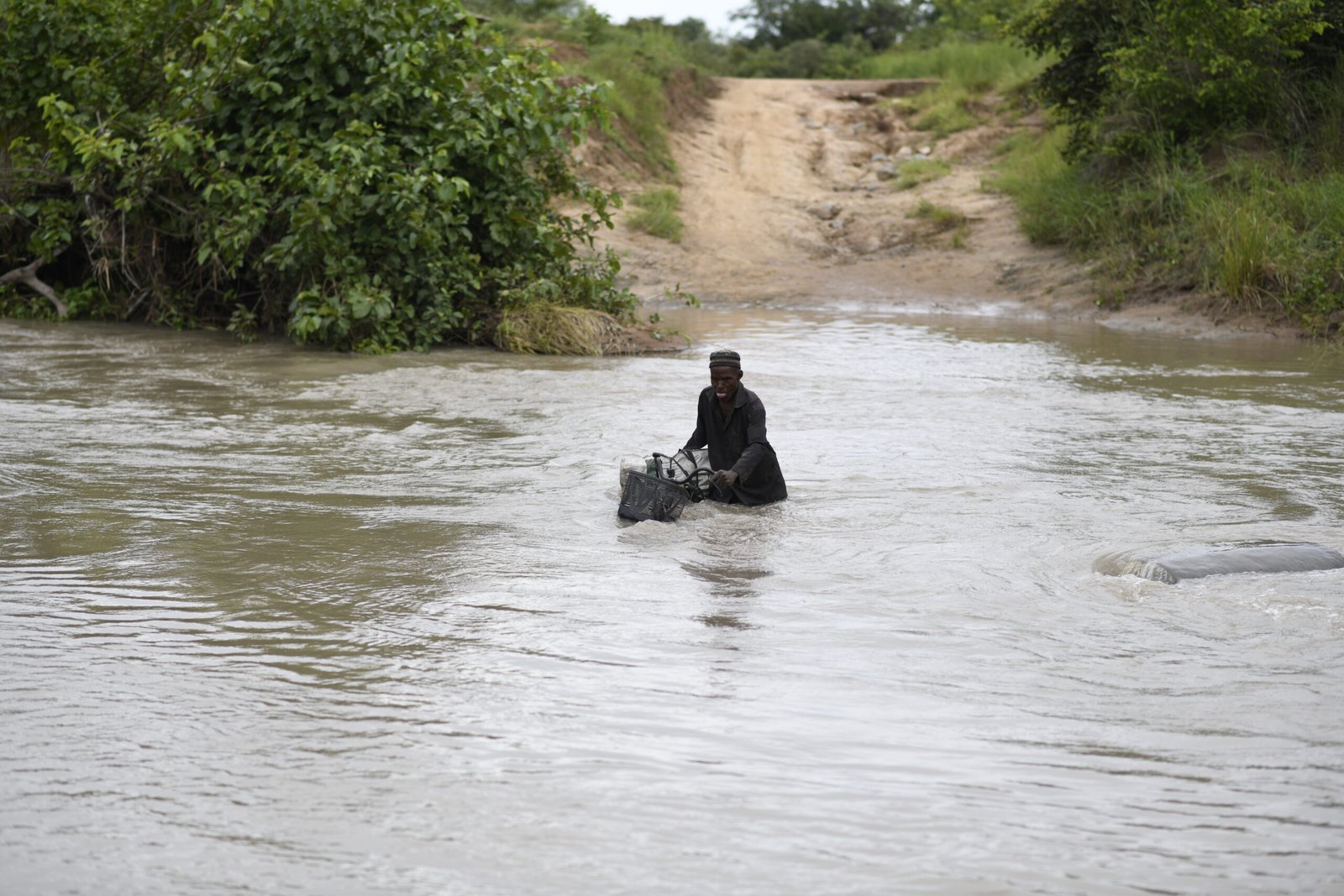
For many farming communities scattered along the White and Black Volta basins, the rainy season brings both promise and peril — a time when the blessings of rainfall merge with the dread of annual flooding triggered by the spillage of Burkina Faso’s Bagre Dam.
A few weeks ago, officials in Ouagadougou confirmed what residents in Northern Ghana had long feared — the controlled release of water from the Bagre reservoir.
While the measure is necessary to prevent the dam’s collapse, it has for decades spelled destruction downstream, leaving Ghana’s northern regions counting their losses year after year.
The story is all too familiar. Entire fields of maize, rice, and groundnuts vanish beneath raging waters. Mud-walled houses crumble under the force of the floods, while roads connecting villages disappear, schools close, and classrooms are turned into makeshift shelters for displaced families.
The National Disaster Management Organisation (NADMO) rushes in with mattresses, blankets, and bags of rice, but the relief items, though vital, are often insufficient compared to the magnitude of devastation. In Yagaba, for instance, some victims reportedly received no support at all due to limited resources.
“This year, at least there was some education on resilience and preparedness,” said Issah Yakubu, a farmer from the North East Region who lost his crops in last year’s floods. “But when the water comes, we lose everything — maize, rice, groundnuts. When it goes, there’s nothing left to eat or sell,” he lamented.
NADMO continues to urge residents in flood-prone areas across the Upper East, North East, Savannah, and Northern Regions to relocate to safer grounds. But for many, relocation is not an option. Their livelihoods are tied to the fertile riverbanks; abandoning their farms would mean abandoning the only source of income they know.
Last year alone, thousands of people were displaced across northern Ghana due to flooding.
Yet, amidst the destruction lies an irony. The same floods that wreak havoc also deposit nutrient-rich silt on farmlands, making them fertile for dry-season farming.
Agricultural experts argue that, with proper irrigation systems and government support, these communities could turn disaster into opportunity. “The spillage is both a challenge and a blessing,” said rice farmer, Aziz Zakaria. “If we had irrigation schemes, we could use this same water to grow crops in the dry season. The water that destroys can also sustain us,” he added.
Some have argued that the long-promised solution lies in the construction of the Pwalugu Multipurpose Dam in the Upper East Region — envisioned to serve as a buffer for excess water from Bagre, generate electricity, and irrigate thousands of hectares of farmland.
However, delays in implementation have left communities trapped in a yearly cycle of loss and recovery.
Civil society organisations have repeatedly called for a shift from relief-based interventions to long-term resilience strategies — strengthening infrastructure, empowering communities, and developing sustainable livelihoods.
The broader picture is even more concerning. With the global climate crisis intensifying, rainfall patterns across the Sahel have become increasingly erratic. Burkina Faso’s dam managers are often compelled to spill earlier, or even multiple times in a single season, to protect the integrity of the Bagre Dam.
The result is an unpredictable flood cycle that leaves Ghana’s northern communities living in constant fear and their futures washed away by forces beyond their control.
As the waters rose once again this year, displacing countless innocent families, one truth remains undeniable: until proactive measures are taken ahead of the next season, the Bagre Dam spillage will continue to shift from a yearly natural occurrence to what is truly a slow-motion, man-made disaster.
By Geoffrey Buta, Tamale
Join our WhatsApp Channel now!
https://whatsapp.com/channel/0029VbBElzjInlqHhl1aTU27








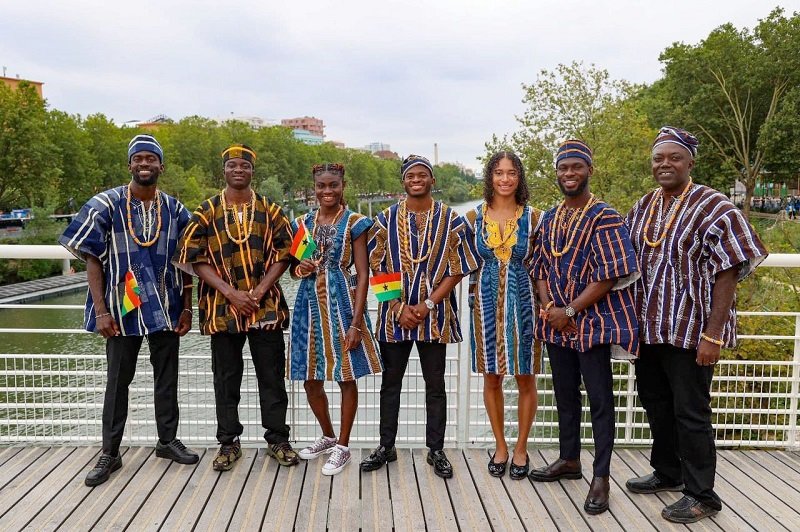
The Republic of Ghana, through its Ministry of Foreign Affairs and the Ghana Export Promotion Authority (GEPA), is set to host a fugu and kente exhibition in Lusaka, Zambia, from March 6 to 8, 2026.
The event aims to strengthen Ghana-Zambia relations while promoting Pan-Africanism and African unity.
The exhibition, set to be organised in collaboration with the Ghana High Commission in Lusaka, will showcase Ghanaian culture and craftsmanship, highlighting traditional textiles like kente and local wear such as fugu.
The Ministry of Foreign Affairs in Ghana described the event as a boost not only for cultural and economic diplomacy but also for trade and agribusiness ties between the two countries.
The exhibition will be held at the Lusaka Showgrounds, where visitors can experience Ghana’s rich cultural heritage and the African personality in action.
By: Jacob Aggrey
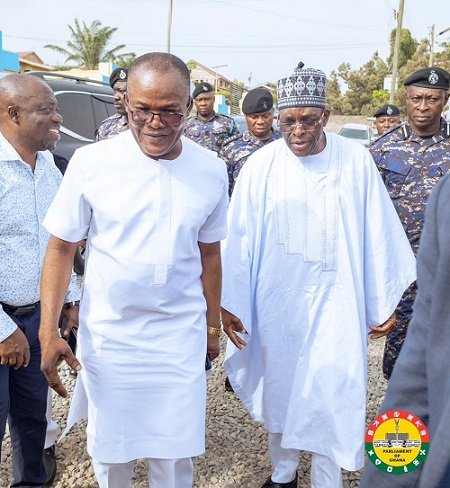
A thanksgiving service has been held at Jehovah Shamah Assemblies of God Church in honour of Mr Ebenezer Ahumah Djietror following his appointment as Clerk to the Parliament of Ghana.
The event brought together duty bearers, parliamentarians, family members, friends, church leaders, and well-wishers who gathered to celebrate his new role and offer prayers for his success.
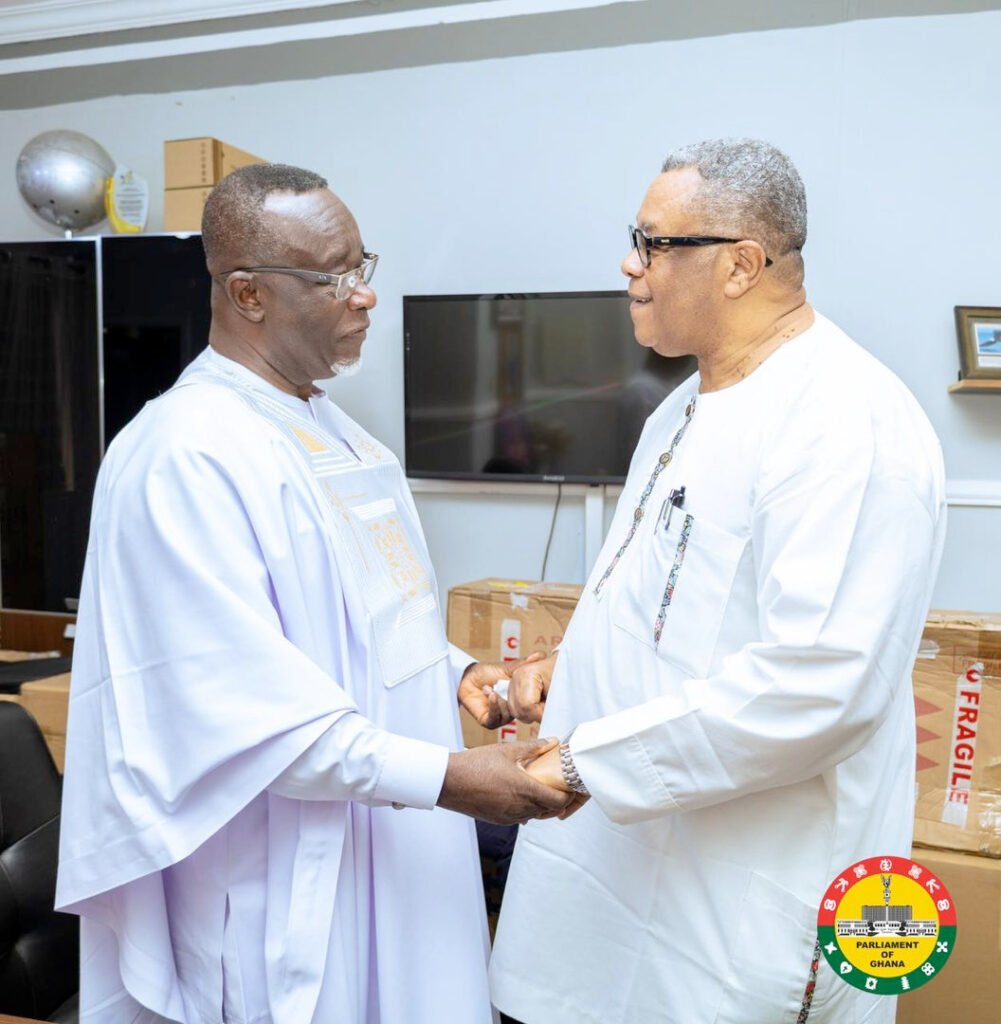
Church leaders used the occasion to congratulate Mr Djietror and encouraged him to serve with integrity, humility, and dedication.
They prayed for wisdom and strength for him as he assumes responsibility in supporting the work of Parliament.
They also highlighted the importance of his position in the country’s democratic governance.
Mr Djietror expressed gratitude for the support and prayers, noting that the thanksgiving service was a moment to acknowledge God’s guidance in his career.
He assured attendees of his commitment to duty, stating that he would work diligently in the interest of Parliament and the nation.
By: Jacob Aggrey