Health Essentials
Acute Hemorrhagic Conjunctivitis (Apollo/Pink Eye)

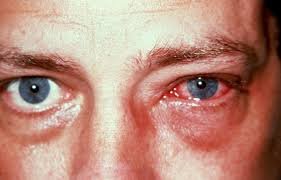
An appollo infected eye
We are seeing a number of people in some clinics with red eyes with discomfort and a sudden increase in num¬ber of people wearing protective glasses. This week I am excited to introduce Dr. Nana Kofi Osei who has been doing a terrific job of helping people manage these conditions as well as teaching groups of people how to reduce one’s risk or prevent infection.
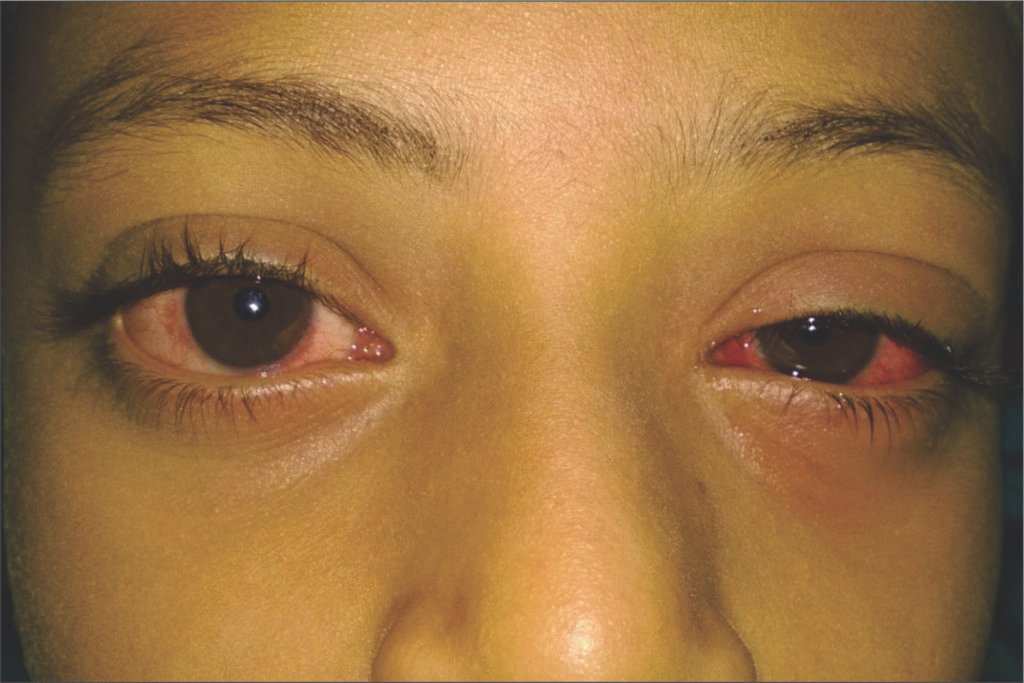
….and he writes;
Acute hemorrhagic conjunc¬tivitis (AHC) is a severe form of viral pink eye that could cause eyelid swelling, eye discharge, and bleeding. There’s no cure, but treatments can help you man¬age the symptoms until the virus clears.
HOW IS IT TRANSMITTED?
Conjunctivitis is highly contagious.
AHC is usually transmitted through hand-to-eye contact, meaning you touch an infected surface or object and then touch your eye. You can also contract the infection by using an object that carries the virus on your eyes, such as a towel or makeup tool.
The infection can also be spread to others through close contact, such as a handshake, hug, or kiss. Coughing and sneez¬ing can also spread the infection.
You are at increased risk for pink eye if you wear contact lens¬es, especially if they are extend¬ed-wear lenses. That’s because bacteria can live and grow on the lenses.
Additionally, adenoviruses can spread through infected parti¬cles in the air that can land on or around your eyes.
WHAT ARE THE SYMPTOMS OF ACUTE HEMORRHAGIC CONJUNCTIVITIS?
Symptoms of AHC usually come on suddenly.
Common symptoms of AHC include:
• a feeling that something is in your eye
• watery eyes
• swollen eyelids
• fluid-filled, blister-like growths on top of the eye surface (che¬mosis)
• bleeding from blood vessels below the eye surface (sub conjunctival hemorrhage)
• blurring of vision or difficulty seeing
• sensitivity to light (photopho¬bia)
• fever
The earliest symptoms of AHC may be mild. But symptoms such as chemosis and hemorrhaging can become very painful and cause your eye to look bloodshot or com¬pletely red as blood leaks into the tissues under the eye’s surface.
HOW LONG DOES ACUTE HEMORRHAGIC CONJUNCTIVITIS LAST?
Most cases of AHC last five to seven days before symptoms start to go away.
However, the virus can still be contagious even after your symp¬toms subside.
WHAT IS THE TREATMENT FOR ACUTE HEMORRHAGIC CONJUNCTIVITIS?
There’s no cure for AHC, so most treatments aim to relieve the symptoms while the infection runs its course. Treatment options include:
• cold compresses to relieve pain and swelling
• eye drops to help lubricate the eye and promote tears that can help reduce the concentration of infectious material
• medications to reduce pain, such as ibuprofen
A doctor may warn against using any over-the-counter or prescription treatments, such as topical corticosteroids, that oth¬erwise might be used to treat pink eye. This is because steroids can cause super infections to develop on the eye’s surface, which need separate treatment with antibiot¬ics or antifungal medications.
HOW CAN I PREVENT ACUTE HEMORRHAGIC CONJUNCTIVITIS?
Here are some tips to help prevent yourself from getting AHC and spreading it to others if you have an active infection:
• Wash your hands regularly with soap and water for at least 20 seconds.
• Try not to touch or rub your eyes unless you’ve washed your hands.
• Don’t share towels, makeup tools, exercise equipment, or other commonly shared ob¬jects with someone who has an infection or if you have an infection.
• Throw away any mascara or eyeliner that may be contami¬nated.
• Avoid swimming in public pools or using shared hot tubs or steam rooms, where infectious particles can easily spread.
• Clean your glasses regularly to avoid transferring infectious material from your eyes to your glasses.
• Don’t wear contact lenses while you have an infection.
• Avoid reusing contact lenses. Consider switching to single-use lenses if you don’t already use them.
• Once your infection has gone away, wash all bedding that you came into contact with while you had the infection.
AHC is a form of viral conjunc¬tivitis that can cause more severe pain and redness than most oth¬er forms of pink eye. Symptoms come on quickly but typically go away on their own within a week.
Most cases of AHC go away without any treatment, but you should visit an eye doctor or pri¬mary care specialist if you have a fever or experience pain that disrupts your life.
Written / Compiled by;
Dr. Nana Kofi Osei
Health Essentials Limited
(BSC Biochemistry, MBChB, GMC certified)
AS ALWAYS LAUGH OFTEN, ENSURE HYGIENE, WALK AND PRAY EVERYDAY AND REMEMBER IT’S A PRICELESS GIFT TO KNOW YOUR NUMBERS (blood sugar, blood pressure, blood cholesterol, BMI)
Thought for the week – “If you plan to live to a ripe old age, make those golden years healthy ones and not bedridden years.”



Teenage Hypertension: The silent threat to Ghana’s young generation
For many Ghanaian teenagers, high blood pressure may seem like a health problem for their parents and grandparents. But as unhealthy eating habits, excess weight and increasingly sedentary lifestyles become concerns for younger populations, protecting heart health during adolescence deserves greater attention.
The danger is that hypertension can develop without obvious symptoms. A teenager may feel perfectly healthy while elevated blood pressure goes undetected, potentially delaying medical assessment and appropriate care.
Although not every teenager with unhealthy habits will develop hypertension, early awareness, healthy lifestyle choices and appropriate blood pressure checks can help reduce future cardiovascular risks.
A growing concern
Hypertension, commonly known as high blood pressure, is a major public health concern worldwide. The World Health Organisation identifies it as an important contributor to premature death, largely because it increases the risk of serious cardiovascular complications.
While the condition is often associated with adulthood, the factors that contribute to its development can begin much earlier in life.
Frequent consumption of foods high in salt, poor dietary habits, excess body weight and insufficient physical activity can undermine cardiovascular health. Family history and certain underlying medical conditions may also increase an individual’s risk.
For teenagers, therefore, the conversation about hypertension should extend beyond hospital visits and include the everyday habits that shape their health.
When lifestyle choices become a concern
Adolescence is a period when young people begin making more independent decisions about what they eat, how they spend their leisure time and how physically active they are.
Convenience foods, processed meals, salty snacks and sugary drinks may become regular features of their diets. At the same time, long hours spent on mobile phones, computers and other digital devices can leave less time for physical activity.
Academic demands and inadequate sleep may further affect their general well-being.
These habits do not automatically lead to hypertension. However, when unhealthy diets and physical inactivity contribute to excess weight, they can increase the risk of high blood pressure, particularly among people with other predisposing factors.
Recognising these risks early offers families, schools and health professionals an opportunity to encourage healthier choices before unhealthy patterns become established.
What Ghana’s cardiovascular health figures reveal
A cardiologist and Senior Lecturer at the University of Ghana Medical School, Professor Alfred Doku, in an interview highlighted the seriousness of cardiovascular disease in Ghana, citing figures indicating that it accounted for approximately 43 to 50 per cent of deaths in the country.
He also stated that about 30 per cent of Ghanaian adults had hypertension, with approximately 70 per cent of those affected unaware of their condition.
Although these figures concern adults and the wider population rather than teenagers specifically, they point to the importance of improving awareness, screening and early detection of high blood pressure.
Professor Doku urged people to know their blood pressure readings and monitor other important health indicators, including blood sugar, cholesterol levels and body weight.
His advice underscores the importance of understanding personal health risks rather than waiting for illness to become apparent before seeking medical attention.
For adolescents, any blood pressure reading that raises concern should be assessed by a qualified health professional. Because blood pressure varies with age, growth and other factors, its interpretation in children and teenagers requires appropriate clinical assessment.
The danger of a condition without obvious symptoms
The Head of the National Cardiothoracic Centre, Dr Kow Entsua-Mensah, also stressed the importance of awareness and early detection in addressing cardiovascular disease.
He explained that hypertension could remain undetected for years because affected individuals might not experience noticeable symptoms.
Dr Entsua-Mensah noted that several factors, including diabetes, high cholesterol, obesity, physical inactivity, unhealthy diets, tobacco use and harmful alcohol consumption, could contribute to cardiovascular damage over time.
He called for greater public awareness of the importance of checking blood pressure and other health indicators before complications develop.
The challenge with hypertension is that the absence of symptoms can create a false sense of security. People may assume they are healthy simply because they feel well, overlooking the need for preventive health checks.
Dr Entsua-Mensah emphasised that addressing cardiovascular disease required cooperation among healthcare professionals, government institutions, schools, businesses, community organisations and the media.
Such collaboration is particularly important for young people, whose health habits are influenced by their homes, schools, peer groups and the wider environment.
Small habits, lasting benefits
Professor Doku said many cases of heart disease and stroke could be prevented or their risks reduced through appropriate lifestyle changes and effective management of contributing factors.
He encouraged young people to reduce their salt intake, eat balanced meals, exercise regularly and avoid smoking.
Describing hypertension as a silent threat, he warned that people should not wait for symptoms before taking their blood pressure seriously.
Hypertension, he stressed, could have serious consequences, including heart failure and stroke, when left undetected or inadequately managed.
For teenagers, protecting heart health does not necessarily require complicated routines. It begins with practical, everyday decisions: eating a balanced diet, choosing foods with less salt, participating in regular physical activity and getting adequate sleep.
Avoiding tobacco products and maintaining a healthy weight are also important steps towards reducing cardiovascular risks.
Young people who are diagnosed with hypertension should follow the advice of their healthcare providers and take prescribed medication as directed. Lifestyle changes can support treatment, but they should not replace medication when it is medically necessary.
Parents have an important role to play by encouraging healthy eating and physical activity at home. Schools can contribute by providing opportunities for exercise, promoting health education and making nutritious food choices more accessible to students.
Healthcare professionals, meanwhile, can help identify young people who may be at risk, assess abnormal readings and guide families on appropriate follow-up care.
Protecting the next generation
Addressing hypertension among young people requires more than individual effort. It calls for a coordinated response involving families, schools, healthcare providers, policymakers and the media.
Public education should challenge the perception that high blood pressure is exclusively an older person’s condition. Teenagers need accurate information about cardiovascular health, the factors that increase their risk and the importance of seeking professional advice when necessary.
Appropriate screening and follow-up care can also help identify elevated blood pressure and ensure that young people who need medical attention receive it.
However, the extent of hypertension among Ghanaian teenagers should not be inferred from statistics relating to adults. Reliable, age-specific national data are needed to establish the scale of the problem and guide targeted interventions.
That evidence gap makes it important to approach the subject with both urgency and accuracy: raising awareness of the risks without exaggerating what is known about their prevalence among adolescents.
For Ghana’s young generation, the message is clear. Feeling healthy does not always mean that blood pressure is normal, and good cardiovascular health should not be left until adulthood.
By encouraging healthier habits, improving access to appropriate health checks and making reliable information available to young people, Ghana can take meaningful steps towards protecting the heart health of its next generation.
By Esinam Jemima Kuatsinu
SKIP THE QUEUE, TAP THE NEWS
You can now read the Ghanaian Times and The Spectator newspapers from the comfort of your device via TimesNewsPlus.
Buy Maps
Join our WhatsApp Channel: https://whatsapp.com/channel/0029VbBElzjInlqHhl1aTU27

Don’t we all dream of a life that is filled with laughter? That may be a reason for chasing big bucks, which like the golden-fleece eludes the majority of us. Financial Wellness is extremely important but there are other factors that make us happy and healthy and eventually wealthy.
You definitely do not need to live in Finland to experience happiness even though many people agree that is the “headquarters” of happiness. The happiness in Finland for instance is based on the provision of basic infrastructure and services, minimal corruption and strong social support among others. These go a long way to minimise anxiety making room for one to enjoy the good things of life.
Then when you live in Sikaman and any of its other cohorts, it is challenging to have those in authority create the environment where you can be happy. That’s why you need to “happy yourself” and the happiness hacks below will help you do just that. Even if you live in Finland, you will gain much more by following these steps.
- Wake-Up Ritual
- Say to yourself that today will be a beautiful day or a great day
- Ask God what He has in store for you. Use me Lord (if not a Christian what you believe in will be useful as well.
- Remind yourself of your purpose in life and get out of bed
- Do not grab your phone as the first thing for the day.
- Pray
- Talking to God has a way of calming our nerves. It brings about unexplained peace and when we add praise and worship then the floodgates open. That is how to win battles against unhappiness.
- Smile
- Definitely floods your body with feel good hormones and insulates you from stress
- Smiling is infectious so the more you smile the better and you set off a smiling OR happiness domino effect.
- Meditate
- Extremely good for your brain and an easy way to start is to do deep-breathing and just focus on your “breath” excluding all others. That is what some will prefer to call mindfulness. Being in the moment has immense benefits. Things you never knew existed suddenly spring up.
- Exercise
- That wonder drug that trumps virtually all others. Like smiling it does pour out feel good hormones. Strength training even goes an extra mile causing our muscles to act as “pharmacies” that pour out life-changing signals every time they contract.
- Be kind to yourself & to others.
- We are often too harsh on ourselves. Give yourself a break. Self-care is the real deal!!
- Being harsh to others has no benefits.
- Spend some time doing nothing
- We need to re-set from time to time. Spend about 10 minutes a day doing absolutely nothing. There is happiness and innovation in “idling”. Do not abuse idling though
- Spend time with loved ones
- This is another powerful happiness “hack”. You have to make time and be intentional about this; talk on phone, send messages, arrange to meet for a drink or meal. Social Wellness ranks very high on the happiness index and it’s fairly easy to plug into it.
- While spending time together remember that your choice of food and drinks also impacts on how happy or sad or anxious you may feel.
- Indulge in a hobby
- Our bodies and brain love variety. Do you have a hobby? Get one
- Write in your gratitude diary
- That is all it takes – keep doing it regularly.
This list is not exhaustive but definitely a good start. Share your happiness hacks with me via email and together we can keep the world smiling and happy.
At the end of each day ask yourself if you did better than the previous day. That is all it takes. Doing better than the previous day for 365 days, for 5 years, 10 years… How amazing that will be!!!
AS ALWAYS LAUGH OFTEN, ENSURE HYGIENE, WALK AND PRAY EVERYDAY AND REMEMBER IT’S A PRICELESS GIFT TO KNOW YOUR NUMBERS (blood sugar, blood pressure, blood cholesterol, BMI)
Dr. Kojo Cobba Essel
Health Essentials Ltd/Medics Clinic
(dressel@healthessentialsgh.com)
*Dr. Essel is a Medical Doctor with a keen interest in Lifestyle Medicine, He holds an MBA and is an ISSA Specialist in Exercise Therapy, Fitness Nutrition and Corrective Exercise. He is the author of the award-winning book, ‘Unravelling The Essentials of Health & Wealth.’
Thought for the week – “There is no magic formula to being happy but making a conscious effort to be happy goes a long way.” – Dr. Kojo Cobba Essel
By Dr. Kojo Cobba Essel
SKIP THE QUEUE, TAP THE NEWS
You can now read the Ghanaian Times and The Spectator newspapers from the comfort of your device via TimesNewsPlus.
Join our WhatsApp Channel: https://whatsapp.com/channel/0029VbBElzjInlqHhl1aTU27