News
‘Don’t transfer marital problems to children’

- /home/u249204778/domains/spectator.com.gh/public_html/wp-content/plugins/mvp-social-buttons/mvp-social-buttons.php on line 27
https://spectator.com.gh/wp-content/uploads/2021/09/Mrs-Josephine-Alai.jpg&description=‘Don’t transfer marital problems to children’', 'pinterestShare', 'width=750,height=350'); return false;" title="Pin This Post">
- Share
- Tweet /home/u249204778/domains/spectator.com.gh/public_html/wp-content/plugins/mvp-social-buttons/mvp-social-buttons.php on line 72
https://spectator.com.gh/wp-content/uploads/2021/09/Mrs-Josephine-Alai.jpg&description=‘Don’t transfer marital problems to children’', 'pinterestShare', 'width=750,height=350'); return false;" title="Pin This Post">
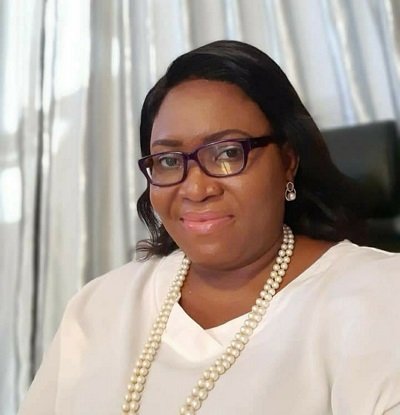
The Founder of Single Parenting With Purpose (SPWP) (a support group for single parents), Mrs Josephine Alai has said that it is wrong for persons from failed relationships to transfer their bitterness or pain to their children.
She said there was the need for single parents to put aside all differences and make the welfare of their children paramount because the children were innocent as far as the cause of the tension was concerned.
Speaking in an interview with The Spectator on Wednesday, Mrs. Alai who founded the non-profit-making support group for single parents said many children from broken homes were struggling emotionally and psychologically because of the toxic relationship between both parents who had failed in effective co-parenting.
She said it was quite disturbing to note that because parents had not been able to put their past misunderstandings behind them, the children should be denied the opportunity to feel the warmth, love, care, influence and other emotional satisfactions from both parents.
The Founder of the SPWP said it was unfair to make such children pay for the “sins” of their parents.
She observed that some partners were so bitter that they would not allow their child or children to have anything to do with their ex spouses or partners because in their opinion, such closeness would only open up old wounds and so they would rather prefer that there should be no contact between such children and their other parent.
She said from her experience as a person who was a Single Parent for so many years, she thought doing so was the best way out until after a careful thought, she decided to involve the father of her children and their families in their upbringing.
She said that this turned out to do good than harm to the children an herself, and even facilitated her healing process from the broken relationship.
She advised that children should be allowed to bond with their father or mother as long as “it does not compromise their health and safety”.
Mrs. Alai said it was also important for ex spouses or partners to note that having a grudge with your ex did not mean you should not offer emotional or financial support to your child.
She said it was sad that some persons had taken such situations as an easy or convenient way out to shirk their responsibilities only to come back several years later to apologise to the children and ask for re-union.
She advised all single parents to put away enmity or tension but come together to co-parent to plan towards the interest of their children and raise them physically, psychologically, emotionally and make them healthy for a better society.
From Dzifa Tetteh Tay, Tema.


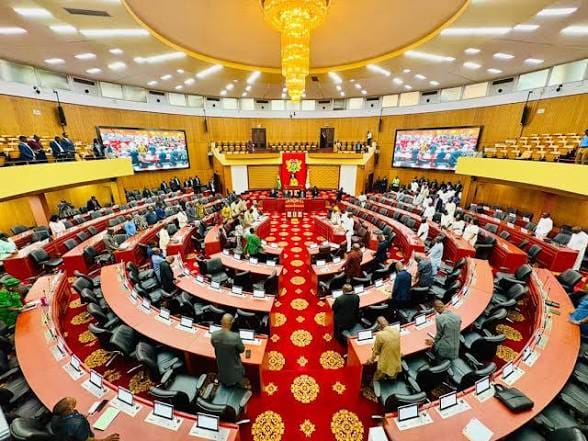
Parliament has clarified public commentary on social media regarding a notice on its notice board that read “No Vacancy for National Service Personnel 2026/2027. Kindly go for reposting.”
In a statement, signed by the Director of Media Relations, David Sebastian Damoah, Parliament said the notice has been misconstrued and was not a policy statement, a freeze on national service placements, or a change in its support for the National Service Scheme.
According to Parliament, the notice was a routine administrative message to prospective personnel who reported to the House, informing them that it has received more personnel than it can accommodate for the 2026/2027 service year and that they should seek reposting to other institutions.
It said it remains committed to the National Service Scheme and values the contribution of service personnel to its work, and regrets any confusion or inconvenience the wording may have caused.
By Edem Mensah-Tsotorme
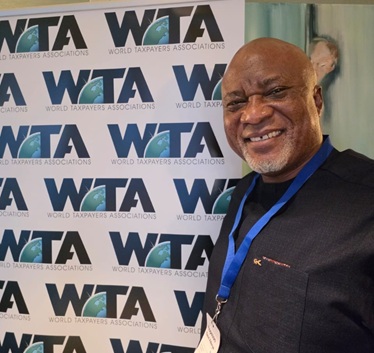
Ghanaian public advocate Hopeson Yaovi Adorye has been elected to the Board of Directors of the World Taxpayers Association (WTA).
The election took place on Sunday, October 5, 2026, during the Association’s conference in Kraków, Poland.
His election marks a significant addition to his international leadership portfolio and provides a platform for Ghanaian and African perspectives to contribute to global discussions on taxpayer rights, responsible taxation, transparency and prudent management of public resources.
Reacting to his election, Mr. Adorye expressed appreciation to the leadership and members of the WTA for the confidence reposed in him.
“I am deeply honoured by this confidence and conscious of the responsibility that comes with it. Taxpayers are at the heart of every economy, and they deserve fairness, transparency, accountability and value for the taxes they pay. I look forward to working with colleagues from across the world to strengthen the voice of taxpayers and promote responsible fiscal governance,” he said.
According to him, taxation should not be viewed solely as a mechanism for raising government revenue, but also as an important component of the social contract between citizens and the state.
Mr. Adorye said governments have a responsibility to ensure taxes are collected fairly and public resources are utilised efficiently to deliver quality infrastructure, healthcare, education, security and other essential services.
His election also creates an opportunity to bring African experiences into international conversations on taxation and public expenditure.
Mr. Adorye, who is Executive Director of Taxpayers League Ghana, has previously served as Global Board Chairman of the International Youth Network for UN Security Council Resolution 2250, an NGO associated with the United Nations Economic and Social Council (ECOSOC).
He is expected to use his new role to champion fiscal accountability, taxpayer education, good governance and stronger citizen participation in public financial management.