Nutrition
Ghana’s National Nutrition Council: The governance body we need now


- /home/u249204778/domains/spectator.com.gh/public_html/wp-content/plugins/mvp-social-buttons/mvp-social-buttons.php on line 27
https://spectator.com.gh/wp-content/uploads/2026/06/National-Nutrion-Council.png&description=Ghana’s National Nutrition Council: The governance body we need now', 'pinterestShare', 'width=750,height=350'); return false;" title="Pin This Post">
- Share
- Tweet /home/u249204778/domains/spectator.com.gh/public_html/wp-content/plugins/mvp-social-buttons/mvp-social-buttons.php on line 72
https://spectator.com.gh/wp-content/uploads/2026/06/National-Nutrion-Council.png&description=Ghana’s National Nutrition Council: The governance body we need now', 'pinterestShare', 'width=750,height=350'); return false;" title="Pin This Post">
Ghana has nutrition policies. Ghana has nutrition targets. Ghana has nutrition programmes spread across multiple ministries and dozens of implementing partners.
What Ghana does not have is a single, empowered body responsible for leading, coordinating, and holding all this together. That is the gap a National Nutrition Council would fill, and stakeholders are calling for one now.
The case for a council
At a stakeholder engagement convened under the Nourish Ghana project in 2025, participants proposed the establishment of a National Nutrition Council to provide effective leadership and a governance framework for addressing malnutrition in Ghana. The meeting, which brought together policymakers, development partners, civil society organisations, and the media, highlighted a fundamental problem: nutrition responsibilities are fragmented across various ministries. Without a dedicated coordination body, efforts are duplicated, accountability is diffuse, and nutrition consistently loses out when budgets are tight.
The proposal echoes a model used in several countries that have made the fastest progress against malnutrition. Nigeria’s National Council on Nutrition, for example, recently pledged $107 million at the 2025 N4G Summit, a level of coordinated ambition that Ghana has struggled to match.
Ghana does have existing coordination structures worth acknowledging. The Scaling Up Nutrition Cross-Sectoral Planning Group (CSPG), established in 2012, was set up to harmonise planning, implementation, and monitoring of nutrition actions across sectors. It has produced real gains. But the challenge has been institutionalising those gains beyond project cycles, and analysts have called for an elevated national coordination body with presidential oversight to ensure genuine cross-sector accountability. A National Nutrition Council would go further, providing the dedicated financing and convening authority that the CSPG, as currently structured, does not have.
What a Council would do
A National Nutrition Council would provide political oversight and coordination across all sectors involved in nutrition, health, agriculture, education, social protection, and finance. It would track Ghana’s nutrition commitments, hold ministries accountable for delivery, and ensure that nutrition budgets are protected and spent effectively. Most importantly, it would give nutrition a permanent seat at the table where national development decisions are made.
The Time Is Now
Ghana made 10 commitments at the 2025 N4G Paris Summit. Translating those commitments into results requires a governance structure that does not currently exist. Establishing a National Nutrition Council is not a bureaucratic exercise. It is the institutional foundation without which Ghana’s nutrition ambitions will remain promises on paper. Leaders must act on this proposal without delay.
Feature article by Women, Media and Change under its Nourish Ghana: Advocating for Increased Leadership to Combat Malnutrition project

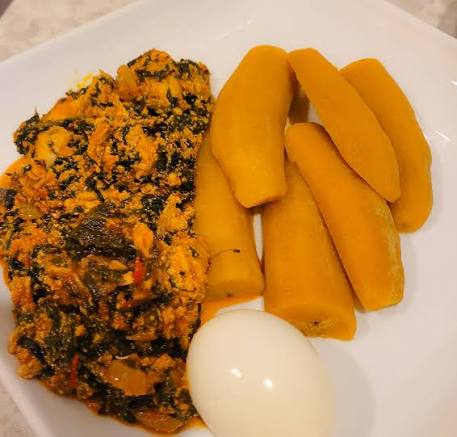
Ingredients
-Cocoyam leaves (Nkontomire)
-Palm oil
-Ripped Plantain
-2 Large smoked salmon
-1 cowhide (wele)
-1 cup of Egusi
– Momoni
-3 fresh eggs
-2 large onions
-2 large tomatoes
-Pepper
-Ginger
-Garlic
Method
-Wash cocoyam leaves thoroughly under running water
-Cut cocoyam leaves into stripes and wash for the second time
-Blend tomatoes, onion, pepper, ginger, and garlic together
-Put sauce pan on fire and heat palm oil
-Add blended ingredients and allow to cook for about 5 minutes
– Wash salmon, wele and cut into cubes and add to stew
-Add salt
-Add eggs to egusi in a bowl to form paste and add it to stew
-Add to stew and allow to simmer for seven minutes
-Add cocoyam leaves to stew and allow it to cook for sometime
-Wash, peel plantain and cut into shapes
-Cook for some time (Pour water out and serve with stew)
By Linda Abrefi Wadie
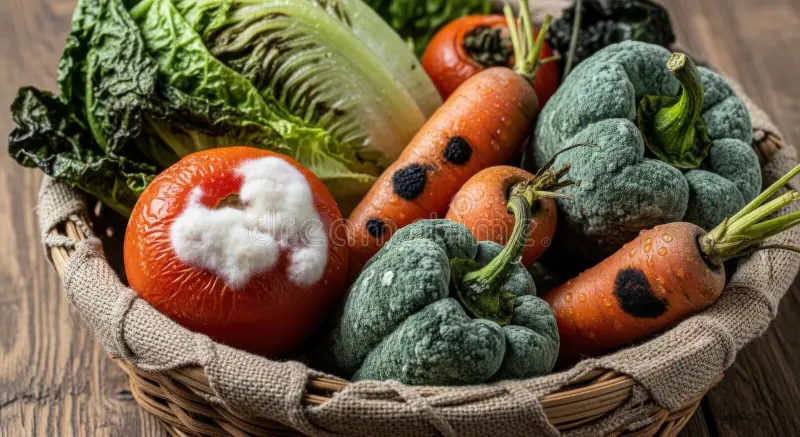
Every year, Ghana produces thousands of tonnes of nutritious food but a significant share of it never reaches a plate. Fruit spoils before it’s sold. Vegetables rot in transit. Grains are ruined by poor storage. Conversations about nutrition often focus on growing more food but reducing what’s lost or wasted after harvest may be one of the fastest ways to improve food security and nutrition, without farming a single extra acre.
The cost of losing nutritious food
Fresh fruit and vegetables spoil the fastest, and without adequate storage, cooling, or transport, farmers are often forced to sell at rock-bottom prices or watch their harvest go to waste. That squeezes farmers’ incomes and shrinks the supply of nutritious food reaching local markets. As supply falls, prices rise, pushing healthy food further out of reach for the low-income households that need it most.
Nutrition begins beyond the farm gate
Cutting post-harvest losses means more nutritious food reaches families without needing more farmland or higher yields. When tomatoes, mangoes, and leafy greens are preserved through better storage, drying, or processing, they stay available and affordable for longer. Better handling also protects nutritional quality itself, so the vitamins and minerals in food aren’t lost before it ever reaches a consumer.
Supporting farmers supports nutrition
Many farmers still lack access to storage facilities, cold chains, processing equipment, and reliable transport. Strengthening these systems is a win on both ends: farmers earn more from what they grow, and households gain more affordable access to nutritious food. Local processing, such as turning surplus fruit into juices, dried fruit, or purees, can extend shelf life and cut waste even further.
What needs to change?
Reducing food loss takes coordinated action:
• Government: invest in rural roads, storage infrastructure, irrigation, and agricultural extension services.
• Private sector: expand cold storage, food processing, and distribution networks.
• Research institutions: keep developing better post-harvest preservation technology.
• Consumers: plan meals, store food properly, and make safe use of leftovers.
Looking ahead
As Ghana works to tackle malnutrition in all its forms, cutting food loss deserves a place at the top of the agenda. Growing more food matters, but making sure the food already grown actually reaches families, safely and affordably, matters just as much.
Every basket of tomatoes saved, every crate of mangoes preserved, and every bag of grain protected from spoilage adds up to better nutrition, stronger livelihoods, and a more resilient food system for the future.
Feature article by Women, Media and Change under its Nourish Ghana: Advocating for Increased Leadership to Combat Malnutrition project