News
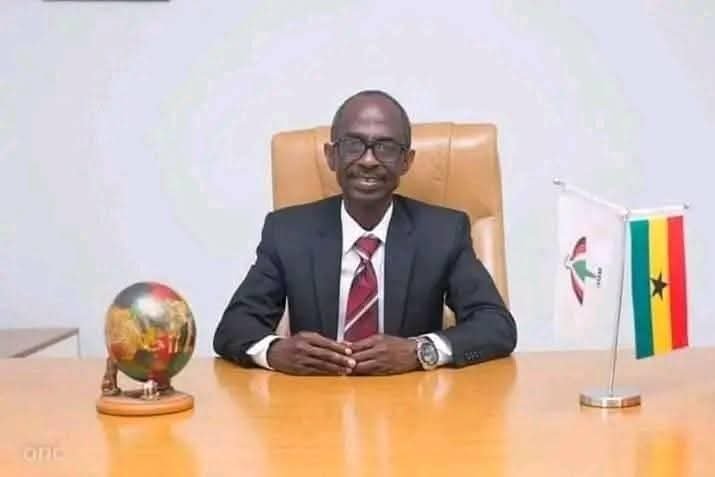
Asiedu Nketiah explains why he reshuffled Haruna Iddrisu and Muntaka ahead of 2024 polls

- /home/u249204778/domains/spectator.com.gh/public_html/wp-content/plugins/mvp-social-buttons/mvp-social-buttons.php on line 27
https://spectator.com.gh/wp-content/uploads/2026/05/WhatsApp-Image-2026-05-22-at-17.10.33.jpeg&description=Asiedu Nketiah explains why he reshuffled Haruna Iddrisu and Muntaka ahead of 2024 polls', 'pinterestShare', 'width=750,height=350'); return false;" title="Pin This Post">
- Share
- Tweet /home/u249204778/domains/spectator.com.gh/public_html/wp-content/plugins/mvp-social-buttons/mvp-social-buttons.php on line 72
https://spectator.com.gh/wp-content/uploads/2026/05/WhatsApp-Image-2026-05-22-at-17.10.33.jpeg&description=Asiedu Nketiah explains why he reshuffled Haruna Iddrisu and Muntaka ahead of 2024 polls', 'pinterestShare', 'width=750,height=350'); return false;" title="Pin This Post">
NDC National Chairman Johnson Asiedu Nketiah has explained the reasoning behind the 2023 reshuffle of the party’s parliamentary leadership, saying it was a tactical move to secure victory in the 2024 elections.
Speaking during his Thank You Tour in Tamale, Asiedu Nketiah said the party needed a new “forward line” to respond to emerging political challenges.
The reshuffle saw Haruna Iddrisu replaced as Minority Leader by Dr. Cassiel Ato Forson, with Muntaka Mubarak also moved from his position as Chief Whip.
“I said we have to change the forward line of the party, else, it will be difficult to win the election,” he said in a video shared by _Ghanaiantimes.gh. You elected me as Chairman, I am the coach going into the election, so let me make the changes that will win us the election,” he recounted his response to those who disagreed with rhe decision.
Asiedu Nketiah acknowledged that the decision faced internal opposition but argued it was necessary to strengthen the party’s economic messaging and address regional balance in Parliament. He said the move ultimately contributed to the NDC’s historic win.
“The change was about winning power so everyone can enjoy the outcome,” he added.
The NDC reshuffled its entire Minority leadership in January 2023, replacing Haruna Iddrisu, Muntaka Mubarak, and James Klutse Avedzi as part of a broader restructuring from the grassroots to the national level.
By Edem Mensah-Tsotorme



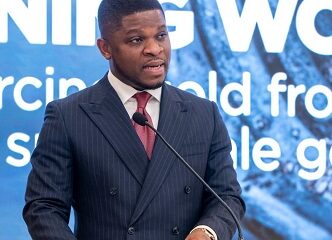


The Office of the Special Prosecutor (OSP) has taken note of public allegations of extortion and related conduct made against the Minority Leader of Parliament, Alexander Afenyo-Markin.
The allegations were made by the Chief Executive of the Ghana Gold Board (GoldBod), Sammy Gyamfi.
In a brief statement, the OSP said it has also received a joint petition submitted by two persons, as well as two separate petitions from other persons, in relation to the same allegations.
“Given the nature of the allegations, the OSP will assess the case and determine whether it falls within its statutory mandate and whether further investigative action is warranted,” the statement said.
The development comes amid a heated public feud between the Minority in Parliament and the leadership of GoldBod over the operations of the Domestic Gold Purchase Programme.
The Minority, led by Afenyo-Markin, has accused GoldBod and the Bank of Ghana of causing a loss of over $1.7 billion, citing the International Monetary Fund’s August 2026 report. The Minority has vowed to pursue the matter as Parliament has reconvened for an emergency sitting.
GoldBod, on the other hand, has rejected claims by some NPP MPs, including Tano South MP Dr Gideon Boako, that it owes the Bank of Ghana GH¢1 billion in overdrafts, describing the claim as “false and malicious.”
In the latest twist, GoldBod CEO Sammy Gyamfi has accused the Minority Leader of extortion and related conduct, an allegation that has triggered petitions to the OSP.
The OSP is mandated under Act 959 to investigate and prosecute specific cases of alleged or suspected corruption and corruption-related offences involving public officers and politically exposed persons.
By Edem Mensah-Tsotorme

General Secretary of the New Patriotic Party (NPP), Justin Kodua Frimpong, has filed his nomination to contest the position of General Secretary again as the party begins its rebuilding efforts ahead of the 2028 general elections.
He was accompanied by party stalwarts and supporters who were in high spirits, expressing confidence that he is the right person to hold the position.
Speaking after filing his nomination, Mr Kodua Frimpong assured the rank and file of the party that he would not disappoint them.
“I can assure you that the faith the rank and file of the party have had in me, I will never disappoint them,” he said.
He also pledged to run a clean campaign devoid of personal attacks.
“I can assure you that our internal campaign will be devoid of personal attacks,” he told his fellow contestants and the rank and file of the party as he seeks to retain his position.
His tenure has seen the party through the 2024 general elections, where the NPP lost power to the National Democratic Congress (NDC) after eight years in government.
The party is currently in a rebuilding phase, with internal elections scheduled to elect new national executives to lead its reorganization towards the 2028 polls.
The General Secretary position is considered one of the most influential in the party’s administrative structure, responsible for the day-to-day running of the party secretariat and implementation of party decisions.
By Edem Mensah-Tsotorme