News
One Nation Reggae Festival: Sierra Leone builds cultural bridge between Africa and the Caribbean


There are moments when music moves beyond entertainment and begins to carry history, memory, and identity in the same breath.
In Sierra Leone, that shift is now being tested through the One Nation Reggae Festival (ONRF), returning to Freetown from November 25 to 30, 2026.
Reggae is not new to Africa. Its roots and its reach have long circled between the continent and the Caribbean.
What is changing is how Sierra Leone is choosing to organise that connection, not as a loose cultural exchange, but as a structured tourism and creative platform.
At the centre of this effort is the Ministry of Tourism and Cultural Affairs, led by Minister Nabeela Farida Tunis, which is positioning ONRF as part of a wider push to use culture as a working part of tourism development, diaspora engagement, and creative industry growth.
The festival does not begin on a stage. It begins in history. Across Freetown and its coastal edges, heritage sites linked to the Atlantic slave trade sit within the festival’s programme, including Bunce Island.
These locations are not treated as background stops. They are part of the experience itself.
That design choice defines ONRF. It places reggae, a genre shaped by displacement and return, in direct conversation with the geography of that history.
Minister Tunis framed this connection in clear terms: “We invite the diaspora, global travellers, creatives, young people, and lovers of culture to come to Sierra Leone not only for entertainment, but for a spiritual rebirth, a rediscovery of identity, and an immersive experience of freedom, resilience, rhythm, and heritage.”
She described the festival as “a journey of reconnection and remembrance, rooted in the deep historical ties between Africa, the Caribbean and the wider Atlantic.”
The 2025 edition of ONRF established the foundation.
International reggae acts including Sizzla Kalonji, Christopher Martin, and Queen Ifrica performed in Freetown, joined by local talent from the Reggae Union Sierra Leone. But the programme extended far beyond music.
It moved through heritage tours across the capital, creative development clinics, an emerging artists platform, and a closing ceremony staged at Bunce Island. Each layer added a different entry point into the same story, music, memory, and movement.
A portion of proceeds was channeled into a Creative Village to support local musicians and technical crews. Another share went toward hurricane relief efforts in Jamaica, extending the festival’s reach into community support.
The outcome of that first edition was not only attendance. It was structure. ONRF began to operate less like a concert series and more like a cultural system linking performance, place, and participation.
The 2026 edition builds on that structure. Across six days in November, Freetown will host live roots reggae, workshops, traditional dance, food experiences, sound system culture, fashion showcases, and beach-based cultural activities. The festival is designed to move audiences across different spaces, not keep them in one.
The result is a layered experience where heritage tours sit alongside music stages, and where craft markets and creative labs exist within the same programme flow.
This year’s edition is expected to expand international participation while keeping local artists central, including continued involvement from Sierra Leone’s reggae community.
ONRF sits within Sierra Leone’s Year of Culture and Creativity, a national focus that links cultural programming with tourism growth and creative enterprise development.
In practical terms, the festival is being used to test how culture can operate across multiple sectors at once, tourism, entertainment, heritage, and creative training.
The 2025 edition showed what happens when heritage becomes part of a live event structure.
Sites like Bunce Island were not visited as static landmarks. They became part of a closing cultural programme that combined reflection with performance. The effect was a shift in how visitors moved through history, not as observers, but as participants in a staged experience.
Economically, the festival generated activity across hospitality, transport, and retail, with a sold-out concert anchoring demand in Freetown.
The second edition now carries a different test. It is no longer about introducing the concept.
It is about how far it can grow without losing its structure. More international acts are expected. More African and Caribbean collaborations are being planned.
The creative development components are set to expand further.
But the core design remains unchanged, music, heritage, and movement across spaces tied together in one programme.
The One Nation Reggae Festival is now operating in a space where culture is not only presented, but organised into an experience that connects identity, place, and tourism in the same frame.





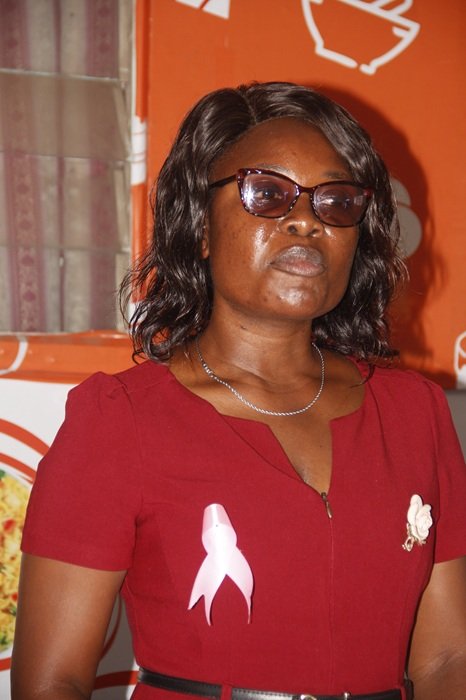
Medical Doctor and dietician, Dr Bernice Korkor Asare, has urged women to take greater responsibility for their lifestyle choices, particularly their eating habits and levels of physical activity, to help reduce their risk of developing breast cancer.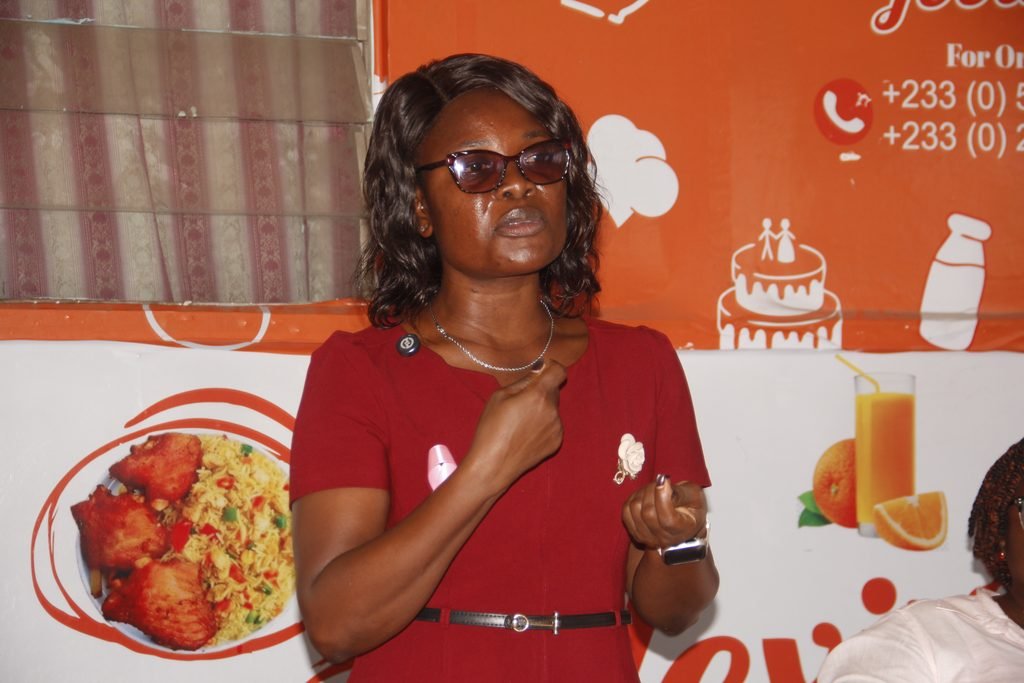
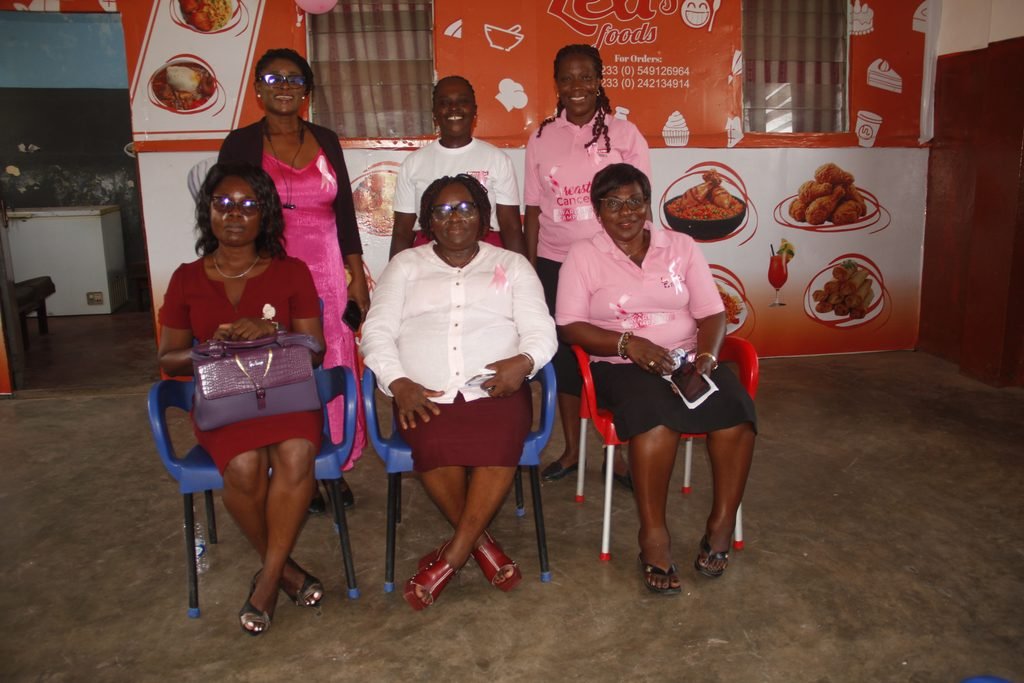
According to her, although, some breast cancer risk factors, such as family history and certain reproductive factors, may not be within an individual’s control, lifestyle choices offer an opportunity for people to take preventive action.
She made this known during a talk on the topic: “Role of diet in breast cancer prevention” organised by Times Ladies Association of the New Times Corporation, publishers of The Ghanaian Times and The Spectator, in Accra on Thursday.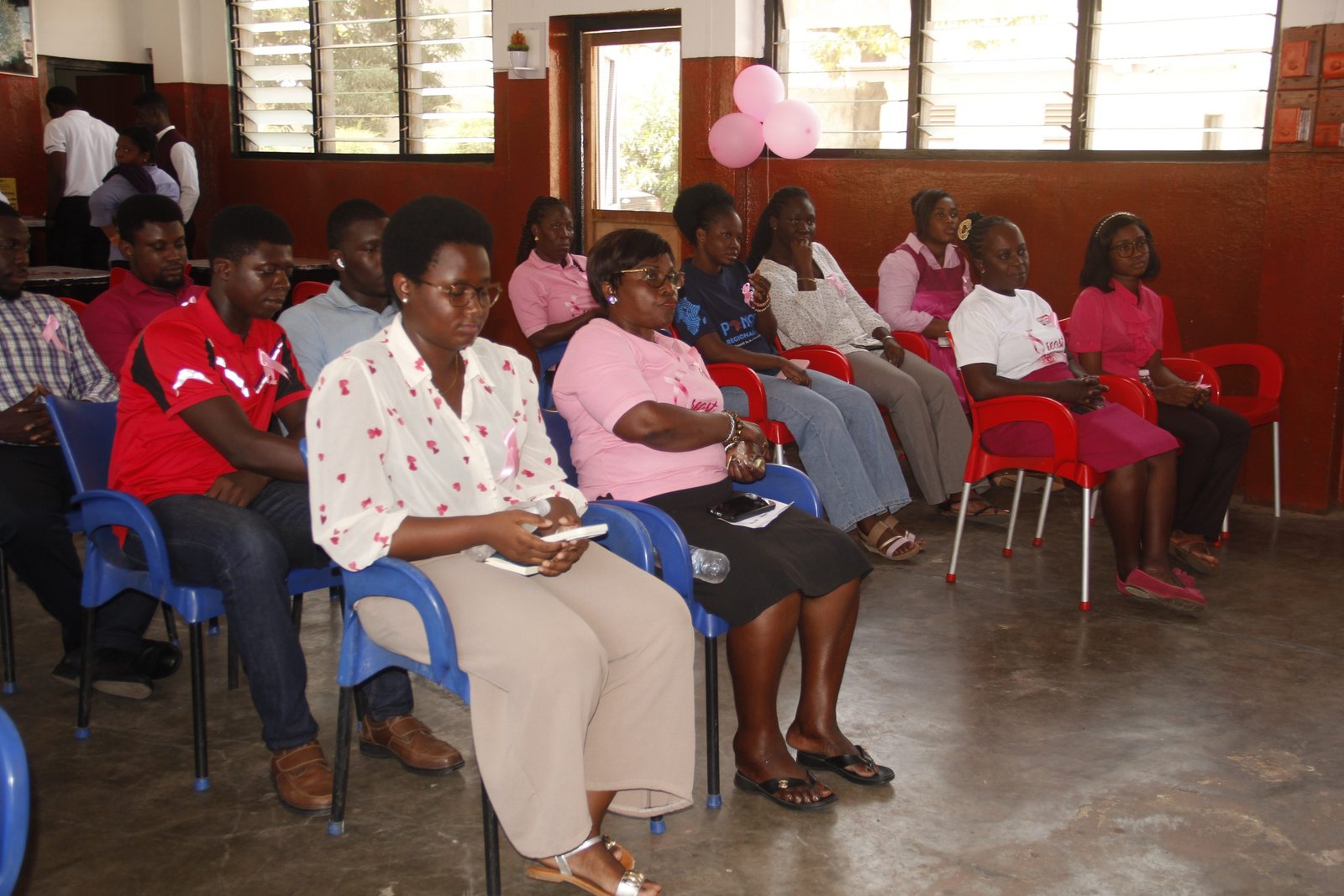
The event themed “Breast Cancer Awareness- Promoting Early Detection, Healthy Eating and Prevention.” 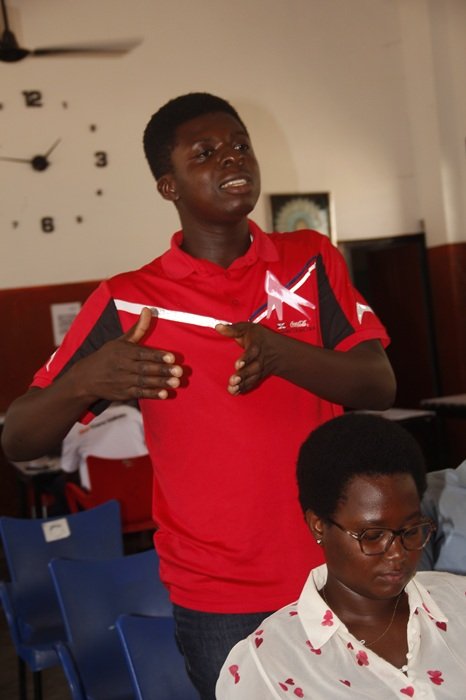
She noted that having a risk factor did not automatically mean a person would develop breast cancer, but could increase the likelihood of developing the disease compared with someone without that particular risk factor.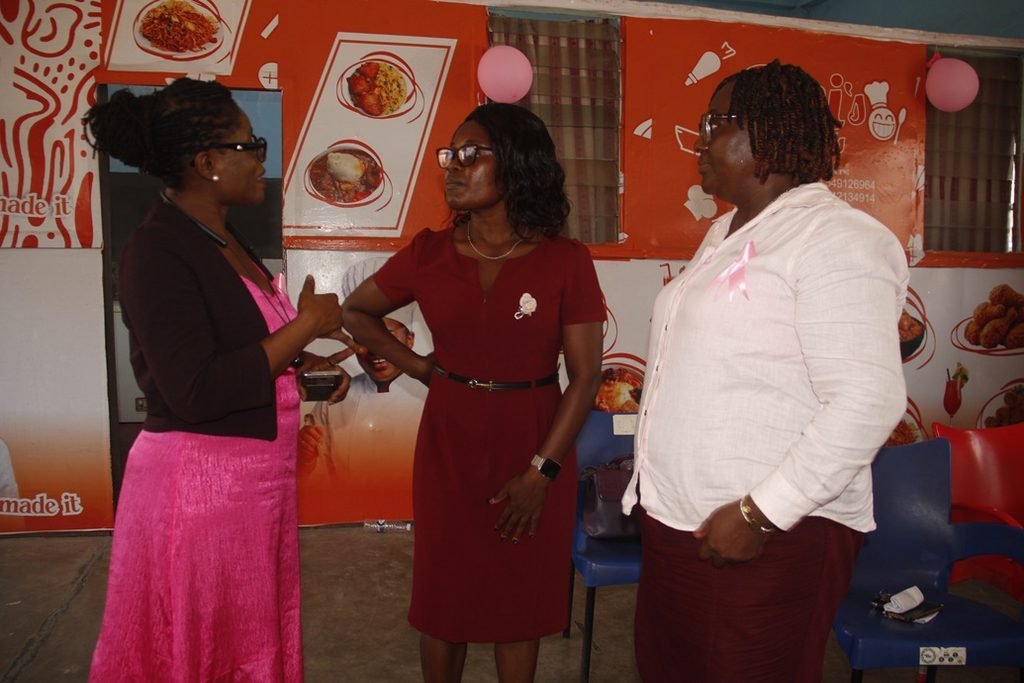
“Having close relatives who have had breast cancer, particularly a mother, sister or daughter, may increase the risk, although not everyone with a family history will develop the disease,” Dr Asare opined. Read More.
By Adizatu K. Munkaila
SKIP THE QUEUE, TAP THE NEWS
Read Daily News
You can now read the Ghanaian Times and The Spectator newspapers from the comfort of your device via TimesNewsPlus.
Buy Maps
Join our WhatsApp Channel: https://whatsapp.com/channel/0029VbBElzjInlqHhl1aTU27
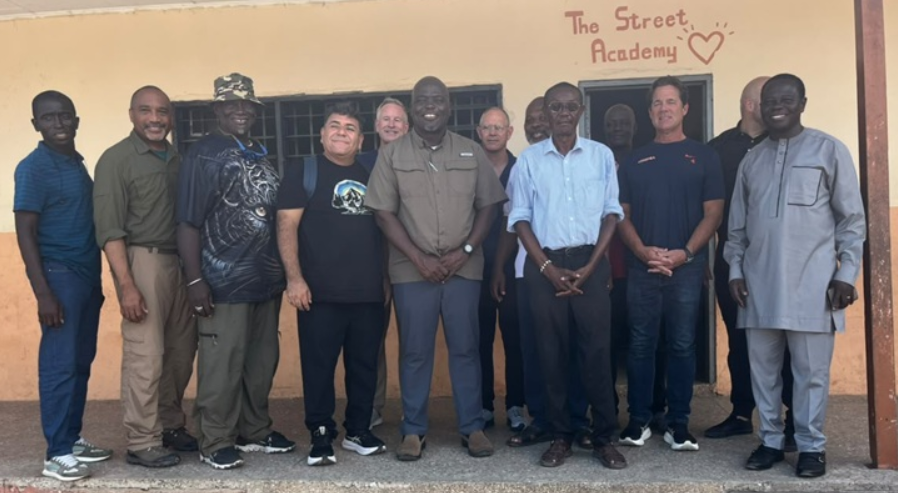
A group of compassionate friends from Innovation Gospel Impact last Friday visited the management, teachers and learners of the Street Academy in Accra.
The visit was to interact to get a deeper insight into the operations of the Academy that houses hundreds of street and underprivileged children and find ways to support them.
The team was led by Rev. Dr Isaac Apenteng Yeboah, a former Director for West African Mailbox Club and Director for Prisons Support Foundation, and Rev. Dale Sutherland from Washington DC.
The call, according to the visitors was occasioned by reports about the struggles of the Academy despite the occasional support it enjoys from individuals and some corporate entities.
Briefing them, the Founder and Executive Director of the Academy, Dr Ataa Lartey, thanked them for the concern showed, indicating that “this is a major boost for both teachers and learners; knowing that their plight is known by people outside their premises.”
According Dr Lartey, the Academy had planned to undertake a number of project to enhance teaching and learning and also procure facilities for the children with keen interest in sports but had to shelve those plans for lack of finance.
He told the team that their biggest concerns were the monthly utility bills that takes a toll on their finances.
“We have a piece of land we planned to turn into an astro turf pitch to train the younger ones whose interests lies in making a career out of football, however, we have been unable to commence because there is no money now,” he said.
Dr Lartey expressed gratitude to the teachers who have dedicated their lives to training these children, rather than going for well-paying jobs and hoped that with time, their conditions of engagement would improve.
Moved by the plight of the Academy, the group donated a cash amount of Gh₵3,000 to settle its water bills.
They described as unfortunate the conditions of learners and teachers of the Academy and pledged to continuously support their operations to realize the dream to build a better future for the unfortunate children.
The group offered to support the school with its monthly utility bills, feeding and staff allowance and urged the Academy staff to remain in constant touch with them.
The Street Academy is located at the Accra Art Center and offers brilliant but needy the chance to pursue their educational dreams by enrolling them in public schools with others offered training in sports and cultural activities.
By Spectator Reporter
SKIP THE QUEUE, TAP THE NEWS
You can now read the Ghanaian Times and The Spectator newspapers from the comfort of your device via TimesNewsPlus.
Join our WhatsApp Channel: https://whatsapp.com/channel/0029VbBElzjInlqHhl1aTU27