News
A Year On: Ghana democracy at crossroads- Afenyo Markin laments

- /home/u249204778/domains/spectator.com.gh/public_html/wp-content/plugins/mvp-social-buttons/mvp-social-buttons.php on line 27
https://spectator.com.gh/wp-content/uploads/2025/12/WhatsApp-Image-2025-12-08-at-14.06.44.jpeg&description=A Year On: Ghana democracy at crossroads- Afenyo Markin laments', 'pinterestShare', 'width=750,height=350'); return false;" title="Pin This Post">
- Share
- Tweet /home/u249204778/domains/spectator.com.gh/public_html/wp-content/plugins/mvp-social-buttons/mvp-social-buttons.php on line 72
https://spectator.com.gh/wp-content/uploads/2025/12/WhatsApp-Image-2025-12-08-at-14.06.44.jpeg&description=A Year On: Ghana democracy at crossroads- Afenyo Markin laments', 'pinterestShare', 'width=750,height=350'); return false;" title="Pin This Post">
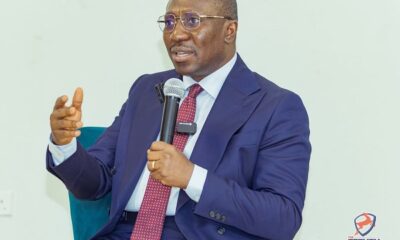
Minority Leader in parliament, Alexander Osahen Afenyo Markin has raised concerns about the direction of the country one year after the 2024 general election, warning that Ghana’s democracy may be under threat if current governance trends are not checked.
In a statement reflecting on the year since Ghanaians voted for change, he noted that while the New Patriotic Party hoped for victory, the people chose differently and the outcome was respected as the will of the electorate.
He stressed that winning power comes with responsibility and not the freedom to govern without caution.
The Minority Leader argued that the removal of key public officials reflected a worrying pattern.
These included the dismissal of workers from state institutions, the exit of the Chief Justice, and ongoing processes affecting the Electoral Commission leadership and the Office of the Special Prosecutor.
He described the development as retribution rather than renewal and questioned the government’s promises on jobs and the 24 hour economy.
Addressing President John Dramani Mahama directly, he urged him to use his rare second return to office to build a legacy of development rather than removals.
He explained that global history shows that leaders who return to power after defeat are few, stressing that such an opportunity should lead to transformation that benefits citizens.
He encouraged the President to invest in technology, artificial intelligence and modern economic growth models to position Ghana for global competition.
He warned that no country will wait for Ghana while others advance through digital innovation.
The statement further pointed to youth unemployment and frustration, noting that campaign foot soldiers who worked hard during elections have been left disappointed.
He warned that ignoring young people could lead to instability.
He urged the media to uphold its watchdog duty by speaking up against constitutional breaches rather than seeking comfort in silence.
He explained that the Minority wants the government to succeed because national progress benefits everyone, not only one political side.
The Minority Leader maintained that although democracy is not perfect, it remains the best system since it allows peaceful correction through elections.
He encouraged citizens to trust the ballot and not violence.
He encouraged President Mahama to resist party hawks and focus on national development, stating that the world is watching how Ghana uses this moment in history.
He called on leaders across the political divide to remember they are custodians of the Republic and must work to protect the nation’s democratic future.
He concluded by urging young people not to lose hope, stressing that change comes through democratic processes, and reminding all leaders that Ghana’s stability depends on responsible governance, unity and development oriented action.
By: Jacob Aggrey





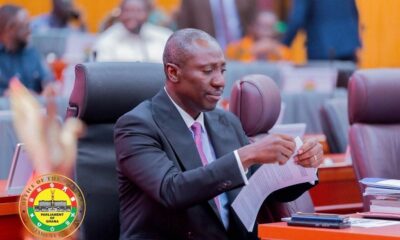



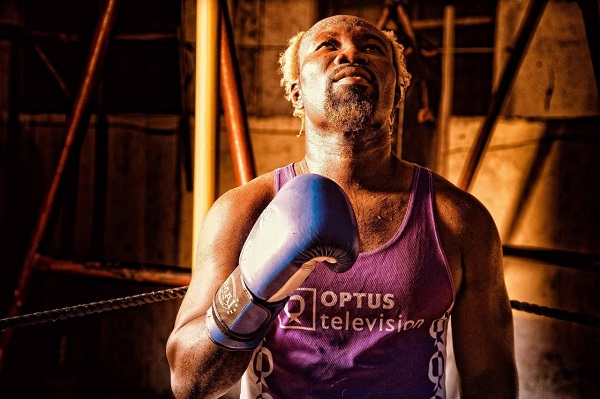
The Accra Regional Police Command has arrested former professional boxer Michael Ayitey Okai, popularly known as “Ayitey Powers,” over an alleged threat of death against the Director-General of the National Sports Authority, Yaw Ampofo.
According to the Police, the 46-year-old former boxer was arrested on Monday, August 24, 2026, in connection with the alleged threat.
The Police said the arrest followed a video circulating on social media in which Ayitey Powers is alleged to have issued the threat against Mr Ampofo.
He is currently in Police custody and is assisting with investigations.
The Accra Regional Police Command said investigations are ongoing to establish the circumstances surrounding the alleged threat and determine the appropriate action to be taken in accordance with the law.
The Command has urged the public to refrain from sharing unverified information about the matter while the investigation continues.
By: Jacob Aggrey
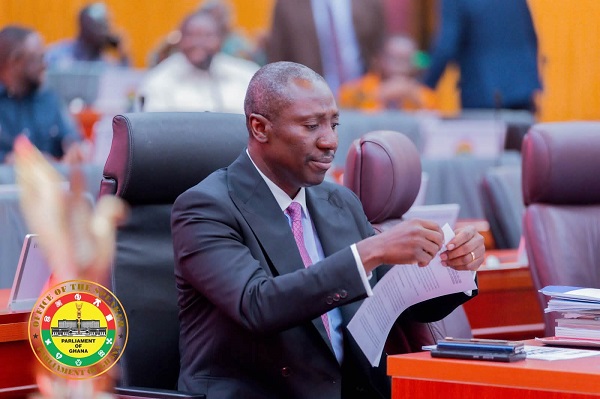
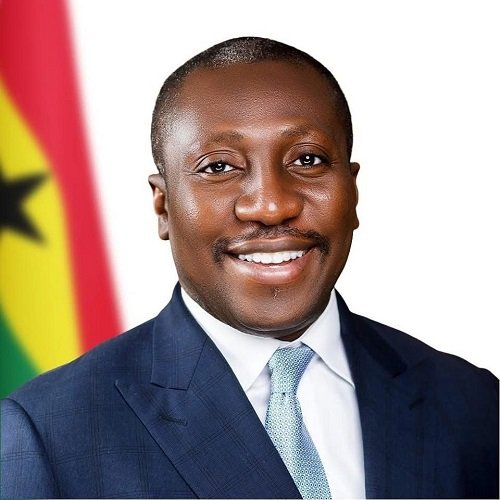
Minority Leader in Parliament Alexander Afenyo Markin has sued the Chief Executive Officer of the Ghana Gold Board (GoldBod), Sammy Gyamfi, and Multimedia Group Limited over alleged defamatory comments made against him on the Newsfile programme.
In a writ filed at the High Court in Accra, Mr Afenyo Markin is seeking GH¢15 million in damages, an apology and retraction of the statements, among other reliefs.
The suit follows comments allegedly made by Mr Gyamfi during the Saturday, August 22, 2026 edition of Newsfile, hosted by Samson Lardy Anyenini.
According to the statement of claim, Mr Gyamfi described Mr Afenyo Markin as an “extortionist” while responding to a question about GoldBod’s reported profits and its position on losses arising from its operations.
The plaintiff claims that Mr Gyamfi repeated the allegation when the host sought clarification on whether he stood by the description.
Mr Afenyo Markin further claims that Mr Gyamfi challenged him to sue him and insisted that the allegation was true.
The plaintiff argues that the statements created the impression that he engages in extortion, uses his political influence to put improper pressure on public institutions and officials, and conducts himself in a manner inconsistent with the standards expected of a lawyer and public office holder.
He denies the allegations and maintains that he is not an extortionist and has never engaged in the conduct alleged by Mr Gyamfi.
The Minority Leader also argues that the comments were made maliciously and were presented as facts without evidence being disclosed.
He claims the statements have damaged his reputation, professional standing and public image, particularly because of his position as a senior political figure and legal practitioner.
The suit also names Multimedia Group Limited as a defendant because, according to the plaintiff, the alleged defamatory comments were broadcast through JoyNews and subsequently circulated on social media platforms, including X, Facebook and YouTube.
Mr Afenyo Markin claims Multimedia failed to stop the comments or deactivate Mr Gyamfi’s microphone after the allegations were made.
He is therefore asking the court to award him general, aggravated and exemplary damages, as well as GH¢15 million in compensation and legal costs.
He is also seeking an order compelling the defendants to issue a full, unconditional and unequivocal retraction and public apology.
The plaintiff wants the apology and retraction to be given similar prominence and reach as the original publication, including through JoyNews and the social media platforms where the comments were disseminated.
He is further seeking a permanent injunction preventing the defendants from repeating the alleged defamatory statements or words with a similar meaning.
The writ requires the defendants to enter an appearance within eight days after being served.
It warns that failure to do so could result in judgment being entered in their absence.
The case was filed by lawyer Paa Kwesi Abaidoo of Dehyena Chambers on behalf of Mr Afenyo Markin.
By: Jacob Aggrey