Health Essentials
The Prostate Has Found Its Voice

- /home/u249204778/domains/spectator.com.gh/public_html/wp-content/plugins/mvp-social-buttons/mvp-social-buttons.php on line 27
https://spectator.com.gh/wp-content/uploads/2025/10/the-prostate.png&description=The Prostate Has Found Its Voice', 'pinterestShare', 'width=750,height=350'); return false;" title="Pin This Post">
- Share
- Tweet /home/u249204778/domains/spectator.com.gh/public_html/wp-content/plugins/mvp-social-buttons/mvp-social-buttons.php on line 72
https://spectator.com.gh/wp-content/uploads/2025/10/the-prostate.png&description=The Prostate Has Found Its Voice', 'pinterestShare', 'width=750,height=350'); return false;" title="Pin This Post">
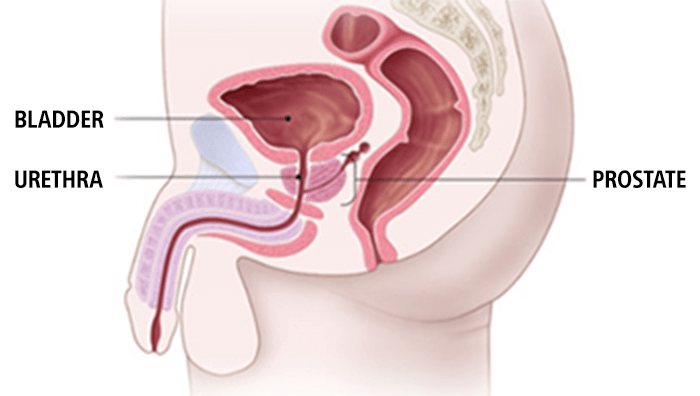
The prostate gland, a small but essential organ found only in men, plays a key role in reproductive health. It produces fluid that nourishes, protects, and transports sperm, yet many focus only on its connection to prostate cancer.
Location & Function
- Situated between the bladder and penis, with the rectum behind it.
- The urethra passes through the prostate, carrying urine and semen.
Common Prostate Conditions
1. Prostatitis – Infection of the prostate:
- Symptoms: chills, fever, pus-like urethral discharge, painful urination, groin/testicular pain, painful orgasms, erectile dysfunction.
- Advice: Seek professional help; do not self-medicate.
2. Benign Prostatic Hyperplasia (BPH) – Non-cancerous enlargement of the prostate:
- Symptoms: frequent urination (especially at night), urge incontinence, difficulty starting urination, weak stream, painful urination, blood in urine, terminal dribbling, and in severe cases, inability to urinate.
- BPH can be extremely painful, sometimes compared to labor pains.
3. Prostate Cancer – Common among men, especially black men, often aggressive and with earlier onset:
- Risk Factors: older age, African descent, family history, obesity.
- Symptoms: frequent urination, straining, blood in urine/semen, weak urine flow, new erectile dysfunction; advanced stages may include fatigue, weight loss, and bone pain.
Diagnosis
- Digital rectal examination – checks for irregular or hard areas.
- PSA test, biopsy, ultrasound, CT/MRI/PET scans, bone scan.
Management
- Holistic approaches include watchful waiting, medication, surgery, and radiation (external & brachytherapy).
- Always discuss all options with your healthcare provider.
Risk Reduction Tips
- Regular screening
- Healthy, varied diet rich in fruits and vegetables (carrots, tomatoes, broccoli, kale, cauliflower)
- Maintain a healthy weight
- Exercise at least 5 days a week
Final Advice
- Share this information – the prostate needs support!
- Maintain good hygiene, walk and exercise daily, pray, and know your numbers (blood sugar, blood pressure, cholesterol, BMI).
Thought for the Week:
“There is no magic formula to being happy but making a conscious effort to be happy goes a long way.” – Dr. Kojo Cobba Essel
Dr. Essel invites readers to the La Palm Royal Beach Hotel Wellness Festival on Saturday, November 29, 2025, at 6 a.m., to walk, exercise, network, and share ideas to stay healthy.
Contact: dressel@healthessentialsgh.com
By Dr. Kojo Cobba Essel
Join our WhatsApp Channel now!
https://whatsapp.com/channel/0029VbBElzjInlqHhl1aTU27

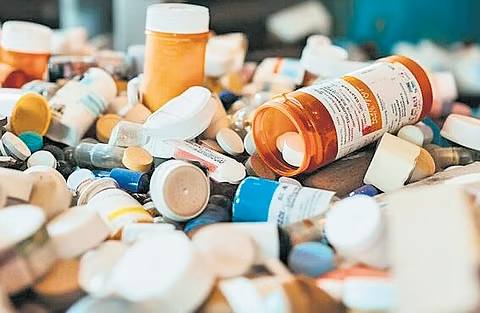
Accidental poisoning of children at home, starting point of drug abuse by teenagers at home and uninformed self-medication have one thing in common; in all three unused or unwanted medicines are likely culprits. The harm we cause when we fail to properly dispose of medicines we do not need is crippling.
So many people have out of fear or anxiety converted their homes into mini-pharmacies where medicines that are supposed to keep us alive are stocked. COVID-19 worsened this practice and no-bed syndrome also plays a role.
Some of these medications may end up complicating our conditions as we self-diagnose and treat ourselves with what “the all-knowing “social media curb-side doctors prescribe.
From “blood-thinners” including aspirin to steroids, antibiotics, assorted supplements, ivermectin, hydroxychloroquine and even tanks filled with oxygen have found their way into homes. People including children will now “consume” some of these medicines and any left-overs may be accidentally taken, given out to family and friends with “similar” symptoms etc.
We all run the risk of abusing drugs and unfortunately some may end up indulging in “hard drugs.”
Prior to COVID-19 many of us had turned our homes into dumping sites for medicines and we have now expanded our range of supplies. We seem to develop “unholy” attachments to drugs and end up keeping them for years even when they have long expired. I have had several unpleasant requests to identify a drug that is partly decomposed and has no name on its container. Unfortunately I have on all occasions refused to even make an attempt. My trade may teach me many things about humans and medicines but it also teaches me to be wary whenever I attempt to play Sherlock Holmes especially with medicines that are not labelled.
I took another look at “DUMP”, which is acronym for “disposal of unused/unwanted medicines programme.” I must admit I was extremely impressed with the usefulness of the DUMP. Many countries have tried a variety of approaches including self-disposal but I think the option that is being promoted in Ghana by Dr Edward Amporful, Cocoa Clinic and other patrons is exceptional. In my candid opinion every hospital, company and home should adopt this programme.
All you need to do is to return all unused/unwanted or even expired medicines to participating hospitals. Put these medicines in labelled receptacles or bins that are provided. You do not need to disclose your identity, just walk away because your work is done. The necessary arrangements have been made with the relevant regulatory bodies for the safe disposal of such medicines.
Sounds absolutely simple yet this has the potential to save lives; that baby who could have accidentally swallowed some of these medicines is still alive and the teen who would eventually have been hooked on stronger drugs is spared the agony.
I think bins should be in all offices so that staff could drop off their medicines and the appropriate steps taken. Market places could also have these bins available and locked and properly secured to prevent people taking the boxes away. Even homes can have a similar bin for discarding and then periodically taken to participating hospitals/clinics. Unused or unwanted medicines should not find their way into a First Aid Box, they don’t belong there.
How do we amass “riches” in unused, unwanted or even expired medicines?
• We may not adhere to the right dose of the medicine thus we end up accumulating medicines at home.
• Sometimes our healthcare provider may make changes to medicines especially when we have chronic diseases such as high blood pressure but we do not return the old ones to the hospital but instead keep them at home.
• Sometimes we react to a drug and stop taking it, leaving the excess at home. I am not sure why we keep these at home when we are aware we are no longer going to use them.
• …and now we stock medicines for fear that we may not have access to some when we have an emergency. Our excuse is that many people are hoarding social-media proposed life-saving medication. After all we are all still learning.
In support of ‘DUMP’
• A frequent cause of accidental poisoning of children at home is having unused/unwanted or expired medicines within their reach. I have seen children rushed to the emergency room for this reason. Some were lucky to live while others had their exciting life cut short. Start DUMP today and help save lives. Even adults sometimes end up with complications because they assumed a drug was used for something completely different.
• People tend to play doctor or pharmacist at home because they pass on unused medicines to family and friends. This is often the starting point of uninformed self-medication. Many people are unaware that doses and types of medicines needed do not depend only on having an illness that appears similar to what another person on a particular medicine was given.
• When unused or unwanted medicines are improperly disposed of, they may eventually end up polluting water bodies etc. Start DUMP and make a statement on protecting our water bodies.
• Drug resistance is often a consequence of abuse of medicines such as antibiotics and anti-malarias. Kofi starts medicine required to be taken for one week and feels better after three days so he stops. A few days or weeks later Awo appears to have a similar illness so Kofi gives her the medicines left for four days. The process of developing drug resistance has just taken off.
• Keeping expired medicines at home may lead to unsuspecting people taking them and they may end up with additional problems.
• Improper storage of medicines may affect its potency. A typical example is keeping medicine that needs to be refrigerated in a hot room instead. Return these medicines.
We could jeopardise our health or that of others just because we are keeping unused or unwanted medicines. STOP. THINK. JOIN DUMP TODAY! You will be saving lives.
AS ALWAYS LAUGH OFTEN, ENSURE HYGIENE, WALK AND PRAY EVERYDAY AND REMEMBER IT’S A PRICELESS GIFT TO KNOW YOUR NUMBERS (blood sugar, blood pressure, blood cholesterol, BMI)
Dr. Kojo Cobba Essel
Health Essentials Ltd/ Medics Clinic
*Dr. Essel is a Medical Doctor with a keen interest in Lifestyle Medicine, He holds an MBA and is an ISSA Specialist in Exercise Therapy, Fitness Nutrition and Corrective Exercise. He is the author of the award-winning book, ‘Unravelling The Essentials of Health & Wealth.’
Thought for the week –“IN CASE OF AN EMERGENCY you may need someone to be alerted. Since majority of us own cellphones, plan your own rescue by saving this person’s phone number preceded with “ICE.” An example is ICE Kojo Essel.The more people we have who know about “ice” the better for us all. Spread the news!!”
References/Credit:
• Dr. Edward Amporful, Cocoa Clinic.
• www.healthessentialsgh.com

I have over the past two decades looked beyond mainstream medicine to assess other options that lead to holistic health, and I must say it’s been exciting and revealing but it’s not an easy path.
As I matured and my knowledge expanded, I have changed my opinion on some aspects of wellness and many findings have been humbling. We all continue to learn each day.
I will share some of the life-changing skills that we take for granted. In our quest for wellness there appears to be more questions than answers, but moderation still remains key in our daily lives.
The power of prayer, praise and worship of God cannot be taken out of the equation.
Ready. Set. Let us do this together.
- Strength training is a must for ALL of us
- Yes, we all need to dig into the various aspects of exercise; strength training, cardiovascular training, stretches or flexibility training and balance training. If you asked me about a decade ago to pick the king of all exercises, I would naively have answered cardiovascular such as walking, cycling etc. but I am certain now that strength training trumps all and we need to incorporate at least a bit of that in our exercise programme.
- Take a short walk after each meal
- Many of us (your truly included) after dinner barely get to wash our hands before the miracle of the Lotus Eaters sends us to dreamland. Our fingers will be signaling to rats and cockroaches to come out and party.
- Walking a few minutes after eating may hold the key to helping control our blood sugar levels and reduce the spikes in insulin that come with a myriad of issues. At the very least the short walks after eating will add up to increase the energy you expend daily.
- Eating your vegetables and proteins before your carbohydrates may be helpful
- Well, how true may this be? I suggest it is worth trying. I am not saying clear your plate of all protein before you even take a spoonful of carbohydrate. The fibre will slow the absorption of the sugar for hours and even better, you may feel full after the vegetables and protein and not be able to gobble down the mounds of carbohydrates you had planned to dismantle.
- Eat slowly but do not get your boss angry
- Eating slowly does not mean spending hours at lunch and courting the displeasure of your superiors. It takes about 20 minutes for your brain to realise you are full so dear friend, take your time to chew and enjoy your food. A meal “downed” in less than 20 minutes may cause you to virtually suffocate when you top up with water. This is a message to myself and all those who like me eat so quickly that Usain Bolt will envy our speed.
- Eat from small, colourful plates
- Small colourful plates make an impression on our brains. Since the little food appears loaded on a small plate our brains tend to “believe” it’s a lot of food and we feel full for a strange reason. Put the same amount in a large plate and you are likely to be asking for second servings.
- By all means make friends
- The power of social wellness and its role in longevity and an enviable health span is no longer in doubt. By all means make a few good friends and enjoy life! Thank me later.
- Sleep!
- Yes, I do agree there are at least seven forms of rest, and they are all equally important BUT start off with sleep and we will gradually rope in all others.
- Keep your eyes on your numbers
- I have written and spoken about the miracle of knowing our numbers and keeping them in check; blood pressure, blood sugar, lipids and BMI. Today I suggest you look at your heart rate closely. A low heart rate may be an indicator for staying here on planet earth for a long time. Also keeping glycated haemoglobin (long term blood sugar) low is another feather in the cap of longevity.
- Appropriate supplementation
- The golden rule is to get all your nutrients from your food but for many of us that may not be possible hence the need to supplement ( note that supplement overdose does exist)
- It is ideal to discuss supplementation with your healthcare professional and your discussion should look at probiotics, magnesium glycinate, Vit D3 + K2, a good multivitamin and in some instances creatine or whey Protein. I am in no way suggesting you take all these, each individual is unique and that is why it is crucial to discuss your options with a professional.
- Make a conscious effort to be HAPPY
- Happiness affects our entire being in positive ways; smile, say a kind word to someone, be grateful, surround yourself with people who make you happy and not ones who sap your energy, volunteer to support people and by all means get a hobby eg gardening, playing a game etc and the best get news yet; you don’t even have to be good at your hobby to benefit.
We are not waiting for a magical or ideal day to start working on our Health and Wellness, we start today bearing in mind that “the most efficient way to reach our realistic health and wellness goals is to make small healthy choices daily.
AS ALWAYS LAUGH OFTEN, ENSURE HYGIENE, WALK AND PRAY EVERYDAY AND REMEMBER IT’S A PRICELESS GIFT TO KNOW YOUR NUMBERS (blood sugar, blood pressure, blood cholesterol, BMI)
Dr. Kojo Cobba Essel
Health Essentials Ltd/ Medics Clinic
(dressel@healthessentialsgh.com)
*Dr. Essel is a Medical Doctor with a keen interest in Lifestyle Medicine, He holds an MBA and is an ISSA Specialist in Exercise Therapy, Fitness Nutrition and Corrective Exercise. He is the author of the award-winning book, ‘Unravelling The Essentials of Health & Wealth.’
Thought for the week – “WHERE YOU LIVE SHOULD NOT DETERMINE IF YOU LIVE.”- WHO