Nutrition
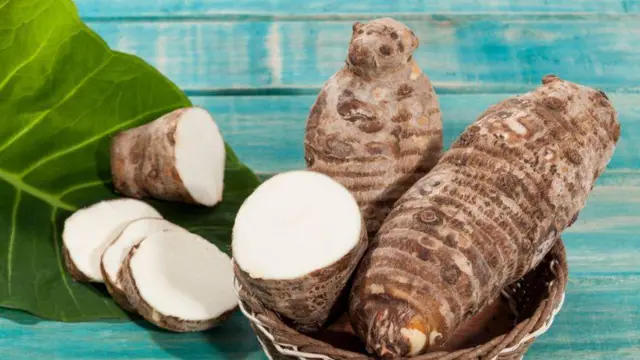
‘Benefits of eating cocoyam’

- /home/u249204778/domains/spectator.com.gh/public_html/wp-content/plugins/mvp-social-buttons/mvp-social-buttons.php on line 27
https://spectator.com.gh/wp-content/uploads/2025/10/Cocoyam.webp&description= ‘Benefits of eating cocoyam’', 'pinterestShare', 'width=750,height=350'); return false;" title="Pin This Post">
- Share
- Tweet /home/u249204778/domains/spectator.com.gh/public_html/wp-content/plugins/mvp-social-buttons/mvp-social-buttons.php on line 72
https://spectator.com.gh/wp-content/uploads/2025/10/Cocoyam.webp&description= ‘Benefits of eating cocoyam’', 'pinterestShare', 'width=750,height=350'); return false;" title="Pin This Post">
Cocoyam (Colocasia esculenta), also known as taro, is a nutritional root vegetable that offers several essential benefits.
-Cocoyam contains a high amount of dietary fibre, which prevents constipation. It helps with bowel movements and boosts the gastrointestinal system to help digest foods.
-Carbohydrates are among the nutritional values of cocoyam, which helps sustain energy. Eating cocoyam helps to maintain your energy level, especially for long days.
-It is beneficial to weight loss as cocoyam contains low fat and benefits the body’s overall fat intake.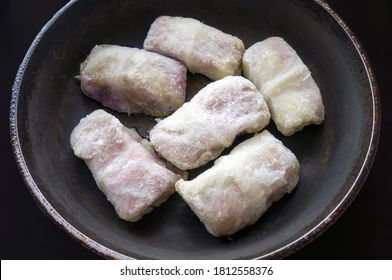
-Cocoyam is a good source of vitamins and boosts the immune system.
-Vitamin C, vitamin B6 boost the immune system, and play important roles.
– Eating cocoyam helps regulate blood pressure, balance fluids, and help muscle and nerve function, as cocoyam is a good source of potassium and magnesium.
-The antioxidants in cocoyam help fight oxidative stress and reduce the risk of chronic diseases.
-It contributes to blood sugar control and reduces high blood pressure. If you are at risk of diabetes or other serious conditions, incorporating cocoyam into your meals would be a good choice.
– It helps regulate blood pressure and reduces the risk of cardiovascular problems due to the low sodium content and potassium-rich nature of cocoyam.
-Promotes bone health as it contains calcium and phosphorus and is essential for maintaining strong bones.
-Cocoyam is gluten-free and a suitable food choice for people with gluten sensitivity and celiac disease.
-It helps to maintain weight management as it gives a full feeling. Including cocoyam in your diet will aid in your weight-loss journey. niyis.co.uk
Join our WhatsApp Channel now!
https://whatsapp.com/channel/0029VbBElzjInlqHhl1aTU27

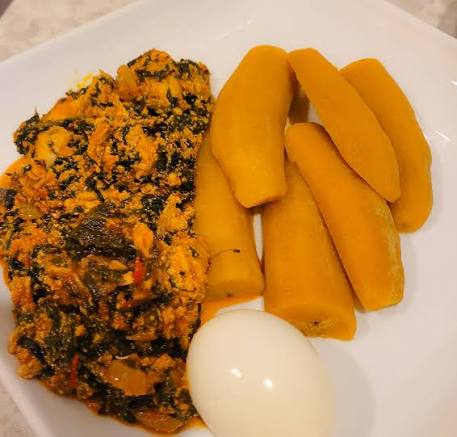
Ingredients
-Cocoyam leaves (Nkontomire)
-Palm oil
-Ripped Plantain
-2 Large smoked salmon
-1 cowhide (wele)
-1 cup of Egusi
– Momoni
-3 fresh eggs
-2 large onions
-2 large tomatoes
-Pepper
-Ginger
-Garlic
Method
-Wash cocoyam leaves thoroughly under running water
-Cut cocoyam leaves into stripes and wash for the second time
-Blend tomatoes, onion, pepper, ginger, and garlic together
-Put sauce pan on fire and heat palm oil
-Add blended ingredients and allow to cook for about 5 minutes
– Wash salmon, wele and cut into cubes and add to stew
-Add salt
-Add eggs to egusi in a bowl to form paste and add it to stew
-Add to stew and allow to simmer for seven minutes
-Add cocoyam leaves to stew and allow it to cook for sometime
-Wash, peel plantain and cut into shapes
-Cook for some time (Pour water out and serve with stew)
By Linda Abrefi Wadie
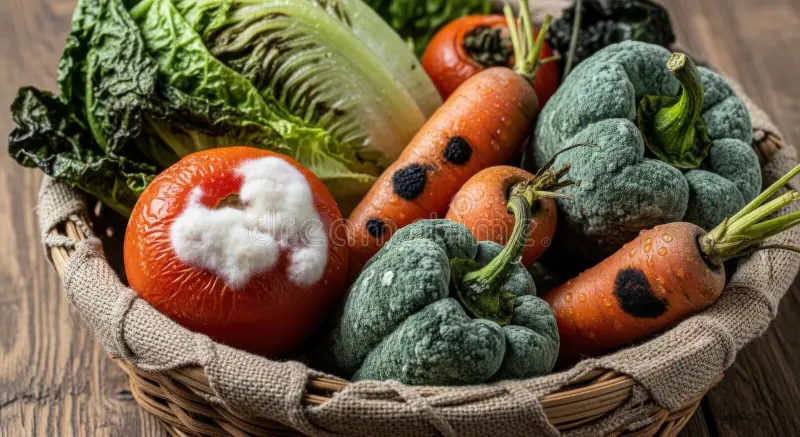
Every year, Ghana produces thousands of tonnes of nutritious food but a significant share of it never reaches a plate. Fruit spoils before it’s sold. Vegetables rot in transit. Grains are ruined by poor storage. Conversations about nutrition often focus on growing more food but reducing what’s lost or wasted after harvest may be one of the fastest ways to improve food security and nutrition, without farming a single extra acre.
The cost of losing nutritious food
Fresh fruit and vegetables spoil the fastest, and without adequate storage, cooling, or transport, farmers are often forced to sell at rock-bottom prices or watch their harvest go to waste. That squeezes farmers’ incomes and shrinks the supply of nutritious food reaching local markets. As supply falls, prices rise, pushing healthy food further out of reach for the low-income households that need it most.
Nutrition begins beyond the farm gate
Cutting post-harvest losses means more nutritious food reaches families without needing more farmland or higher yields. When tomatoes, mangoes, and leafy greens are preserved through better storage, drying, or processing, they stay available and affordable for longer. Better handling also protects nutritional quality itself, so the vitamins and minerals in food aren’t lost before it ever reaches a consumer.
Supporting farmers supports nutrition
Many farmers still lack access to storage facilities, cold chains, processing equipment, and reliable transport. Strengthening these systems is a win on both ends: farmers earn more from what they grow, and households gain more affordable access to nutritious food. Local processing, such as turning surplus fruit into juices, dried fruit, or purees, can extend shelf life and cut waste even further.
What needs to change?
Reducing food loss takes coordinated action:
• Government: invest in rural roads, storage infrastructure, irrigation, and agricultural extension services.
• Private sector: expand cold storage, food processing, and distribution networks.
• Research institutions: keep developing better post-harvest preservation technology.
• Consumers: plan meals, store food properly, and make safe use of leftovers.
Looking ahead
As Ghana works to tackle malnutrition in all its forms, cutting food loss deserves a place at the top of the agenda. Growing more food matters, but making sure the food already grown actually reaches families, safely and affordably, matters just as much.
Every basket of tomatoes saved, every crate of mangoes preserved, and every bag of grain protected from spoilage adds up to better nutrition, stronger livelihoods, and a more resilient food system for the future.
Feature article by Women, Media and Change under its Nourish Ghana: Advocating for Increased Leadership to Combat Malnutrition project