Nutrition
Hungry pupils, weak Policies: Why education reform must start with nutrition


- /home/u249204778/domains/spectator.com.gh/public_html/wp-content/plugins/mvp-social-buttons/mvp-social-buttons.php on line 27
https://spectator.com.gh/wp-content/uploads/2025/09/Delicious-Fante-Fante.jpg&description= Hungry pupils, weak Policies: Why education reform must start with nutrition', 'pinterestShare', 'width=750,height=350'); return false;" title="Pin This Post">
- Share
- Tweet /home/u249204778/domains/spectator.com.gh/public_html/wp-content/plugins/mvp-social-buttons/mvp-social-buttons.php on line 72
https://spectator.com.gh/wp-content/uploads/2025/09/Delicious-Fante-Fante.jpg&description= Hungry pupils, weak Policies: Why education reform must start with nutrition', 'pinterestShare', 'width=750,height=350'); return false;" title="Pin This Post">
In every district across Ghana, children sit in classrooms with their books open but their minds closed off by hunger. Teachers try their best, parents make sacrifices, and government rolls out curriculum reforms.
Yet the invisible barrier remains: an empty plate. Nutrition is the silent factor sabotaging Ghana’s education system, and until policymakers treat it as such, the promise of quality education will remain unfulfilled.
Picture a classroom in rural Ghana. A young boy sits at his desk, his head resting on his arms. His teacher calls on him to read, but his voice is faint and his words stumble. He has not had a proper breakfast. At home, the family eats mostly starchy staples, with little protein or micronutrients. His body is present in school, but his mind is absent.
The missing piece in education policy
Education reforms often focus on infrastructure, teacher training, or examination standards. But without nutrition, these investments deliver half their potential. A child who is stunted in the first five years of life enters school already disadvantaged, their brain underdeveloped, their ability to concentrate impaired. For adolescent girls, anemia robs them of energy, increasing absenteeism and weakening their future prospects.
This is not just a health issue. It is a policy failure when education strategy ignores nutrition. Policymakers must recognise that learning outcomes are directly tied to what children eat before and during school hours.
School Feeding: A missed opportunity
The Ghana School Feeding Programme was designed to bridge this gap, and it has succeeded in drawing children into classrooms. But too often the meals are monotonous, nutrient-deficient, and unbalanced, providing calories without nourishment. A plate of plain rice may temporarily silence hunger pangs, but it cannot build sharp minds or strong bodies.
Here lies the policy challenge: the programme must shift from feeding for numbers to feeding for nutrition. That requires clear standards, consistent funding, and strong monitoring to ensure that meals truly meet the needs of growing children.
What leaders must do
If Ghana wants to close its education gaps, nutrition must be integrated into the core of education planning. This means:
Making nutrition a key performance indicator in the Ministry of Education’s agenda.
Revising school feeding contracts to demand balanced meals with proteins, vegetables, and micronutrients.
Aligning agriculture policy with school meals, so local farmers supply diverse, nutritious foods.
Ensuring that adolescent girls receive iron supplementation through schools to combat anemia.
A call to stakeholders
Parliament must treat school nutrition with the same urgency as curriculum reforms. District assemblies must prioritise nutritious meal provision in their education budgets. Development partners and CSOs must hold government accountable for not just how many children are fed, but how well they are nourished.
Because the truth is simple: Ghana cannot build a skilled workforce, a competitive economy, or a prosperous future on the foundation of hungry, undernourished children.
The future of our education system does not begin with textbooks or blackboards. It begins with a plate of food, and the policies that ensure it is nourishing.
Feature article by Women, Media and Change under its Nourish Ghana: Advocating for Increased Leadership to Combat Malnutrition Project in collaboration with Eleanor Crook Foundation
Join our WhatsApp Channel now!
https://whatsapp.com/channel/0029VbBElzjInlqHhl1aTU27

Ingredients
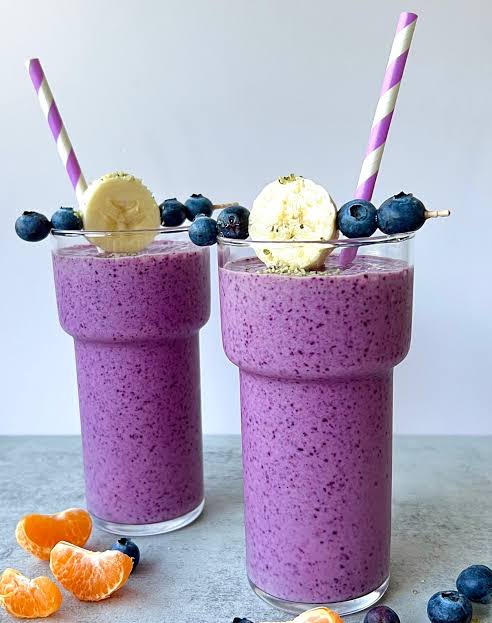
-1 cup of frozen blueberries
-1 medium of ripped banana (fresh or frozen)
-½ cup of plain or greek yogurt
-¾ cup of milk (dairy or plant-based)
-1 teaspoonful of honey or maple syrup (optional)
Preparation
-Wash all ingredients into a bowl
-Blend blueberries and banana.
-Add plain yogurt and cup of milk
-Blend on high speed until completely smooth and creamy.
-Pour into a glass and serve right away
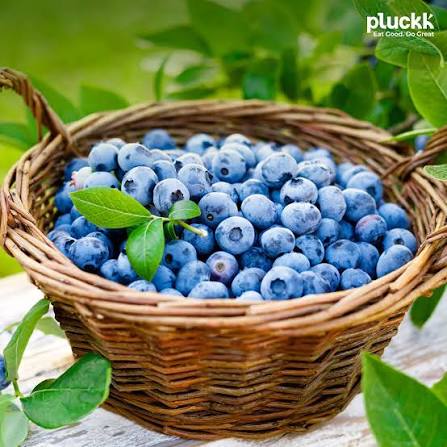
Blueberries have one of the highest antioxidant levels among commonly consumed fruit and vegetables. This is typically referred to as the ORAC score. They are extremely rich in naturally occurring plant compounds called phytochemicals, such as ellagic acid and anthocyanidins. These phytochemicals are responsible for the blue, indigo and red colouring of the berry. They have also been extensively researched for their protective properties.
-Controls blood pressure
Research has shown that anthocyanidins, which are found in berry fruits, supports the cardiovascular system. It supports the health of blood vessels and reducing the arterial stiffness associated with ageing. This is especially useful for post-menopausal women.
Reduce the risk of heart disease
The phytochemicals in blueberries have been seen to prevent oxidative damage to cholesterol. According to research rich in anthocyanins may help lower the risk of heart attacks.
-Regulates blood sugar
Blueberries are both low in sugar and a good source of fibre; as a result, they have a low glycaemic index (GI). This, together with their high flavonoid content, helpsimprove insulin sensitivity, which is important for managing blood sugar levels.
-Maintain eye health
Adding blueberries to diet regularly improve vision and guard against age-related macular degeneration. It improves blood and oxygen flow to the eyes, and the antioxidant protection help to reduce the likelihood of cataract and macular degeneration.
-Reduces gastrointestinal symptoms
Studies suggest the polyphenol and fibre content of blueberries help relieve gut symptoms and improve general well-being in those with abdominal symptoms from gut disorders.
– Ease urinary tract infection symptoms
Many people turn to berries such as cranberries to help prevent urinary tract infections (UTI). Blueberries contain similar compounds to those in cranberries. These compounds may help prevent the bacteria responsible for UTIs from adhering to the bladder wall.
-Reduce muscle damage after exercise
Strenuous physical activity or exercise may lead to soreness and inflammation. Consuming blueberries in a smoothie, for example, before and after such an event may help promote recovery and reduce inflammatory markers.
-Promote healthy ageing
A number of studies suggest that both whole blueberries, their juice and the concentrated powdered form may help reduce oxidative damage. Such damage is an inevitable part of everyday life, but is a key driver in ageing and the development of disease.Bbc.com

 Entertainment1 week ago
Rhythms On Da Runway returns November 28 with 16th edition themed ‘Unbound’
- Entertainment1 week ago
Ohemaa Mercy’s Tehillah Experience outfit was priestly regalia, not costume – Management clarifies
 News1 week ago
Janet Asana Nabla criticises Mahama over China curriculum controversy involving Haruna Iddrisu