News
Enforce ban on public smoking — SEND Ghana


- /home/u249204778/domains/spectator.com.gh/public_html/wp-content/plugins/mvp-social-buttons/mvp-social-buttons.php on line 27
https://spectator.com.gh/wp-content/uploads/2021/04/Mr-George-Osa-Akoto-Bimpehinset-addressing-the-media-Photo-Victor-A.-Buxton-1.jpg&description=Enforce ban on public smoking — SEND Ghana', 'pinterestShare', 'width=750,height=350'); return false;" title="Pin This Post">
- Share
- Tweet /home/u249204778/domains/spectator.com.gh/public_html/wp-content/plugins/mvp-social-buttons/mvp-social-buttons.php on line 72
https://spectator.com.gh/wp-content/uploads/2021/04/Mr-George-Osa-Akoto-Bimpehinset-addressing-the-media-Photo-Victor-A.-Buxton-1.jpg&description=Enforce ban on public smoking — SEND Ghana', 'pinterestShare', 'width=750,height=350'); return false;" title="Pin This Post">
SEND Ghana, a Policy Research & Advocacy Civil Society Organisation, has asked the government to enforce the ban on public smoking and the use of plastics for food packaging to help prevent the occurrence of diseases.
Mr George Osei Bempeh, Country Director of the organisation, said the devastating effect of the COVID-19 pandemic implied that government must be proactive in tackling potential health challenges and also prioritise primary health service delivery in the country.
Presenting an assessment of government’s 2021 Budget Statement and Economic Policy in Accra on Monday, he noted that the introduction of the COVID-19 levy was commendable, however, the levy should not be “limited to combating only COVID-19.”
He said there must be a “dedicated budget” to finance future epidemics while efforts were made to implement the National Action Plan for Health Security (NAPHS).
Touching on other aspects of the 2021 budget, he said SEND Ghana’s social audit of the COVID-19 Alleviation Programme confirmed that some vulnerable people, including street children and homeless people were “excluded at the height of the crisis when cooked and raw food were distributed by the government and other benevolent organisations.”
This, the organisation attributed to lack of “comprehensive and reliable data” on vulnerable population in the country, hence the need for government to take steps to gather relevant data on such vulnerable groups to help overcome future challenges in the area of social protection.
SEND Ghana further observed that the current amount of GH¢1 per child for a plate of food under the National School Feeding Programme was “unsatisfactory and cannot guarantee an adequate and healthy meal for child development.”
“We are, therefore, proposing to the government to make a conscious effort to increase the amount to at least GHc2.00 per child if it needs to fully attain the programme’s short-term objective to reduce hunger and malnutrition,” Mr Bempeh stated.
On taxation, he said government should consider reintroducing the ‘Luxury Vehicle Tax’ which was scrapped after it faced opposition from sections of the public.
Mr Bempeh said government could be “more innovative with taxation” by targeting the rich instead of “burdening the poor with the same taxes.”
“Government could relook at the implementation challenge with the luxury vehicle tax and consider reintroducing it.
“We are concerned that some of the tax proposals in the 2021 budget are more consumption based, and the fact is, the burden will fall more on the poor and vulnerable,” he noted.
The Country Director maintained that the COVID-19 Health Levy, Sanitation and Pollution Levy and increase in petroleum prices, among other new taxes would have adverse effect on all other sectors and translate into high cost of living especially for the poor.
He said the 2021 budget, just like previous budgets, sought to rely on donor funding and that efforts must be made to wean various sectors of the economy from donor support which possessed a threat to attaining ‘Ghana Beyond Aid’ and the Sustainable Development Goals (SDGs).
By Ernest Nutsugah

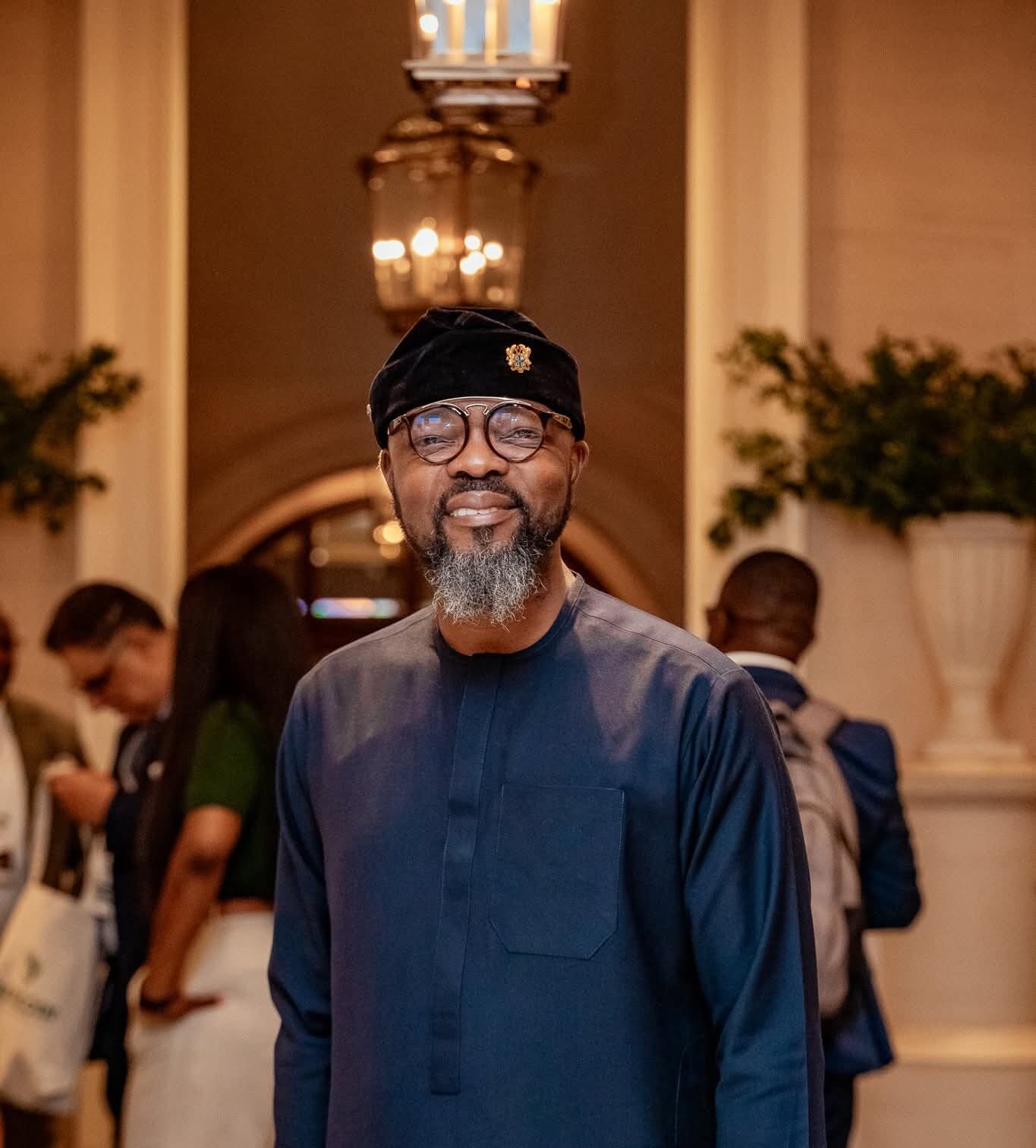
The Diaspora Affairs Office of the President (DAOOP) will on Friday, September 18, 2026, host the inaugural Ghana Diaspora Townhall Meeting at the Christiansborg Castle, Osu, Accra.
The meeting, scheduled to start at 9:30 a.m. is being held under the theme “Listening Today, Building Tomorrow: Strengthening Ghana’s Partnership with the Diaspora.”
According to a statement from DAOOP issued on September 17, the Townhall will serve as an annual platform for structured dialogue between the Government of Ghana and the Ghanaian and wider African Diaspora.
It is aimed at providing a dedicated platform for members of the Diaspora to share their experiences, concerns, aspirations and recommendations directly with government institutions, while also reviewing progress in implementing Ghana’s Diaspora Engagement Policy.
About 500 participants are expected, including representatives of Diaspora organisations, Ghanaians living abroad and those who have returned, members of the wider African Diaspora resident in Ghana, government institutions, private sector organisations, civil society, academia, traditional authorities and development partners.
The programme will feature nine thematic listening sessions where participants will engage directly with responsible ministries, departments and agencies.
The sessions will cover citizenship, immigration, residency and national identification; property and real estate; tourism, culture and heritage; business registration and investment; employment, skills and knowledge transfer; diaspora engagement, representation and integration; education, academia and youth engagement; infrastructure and public services; and health and safety.
The themes were drawn from a survey circulated among registered participants ahead of the meeting. Proceedings will be chaired by the Chief Director of the Office of the President, Alhaji Dr Abubakari Wayo.
DAOOP said the inaugural meeting is being held in the week of Founder’s Day, marked on Monday, September 21, reflecting Ghana’s Pan-African tradition and its historical relationship with Africans and people of African descent around the world.
The Townhall will close with the presentation and adoption of key recommendations and priority actions for 2026 and 2027, which will inform an institutional action matrix to support continued engagement and follow-up.
By Edem Mensah-Tsotorme
News
Mahama chairs security meeting over drug trafficking, orders formation of inter-agency task force

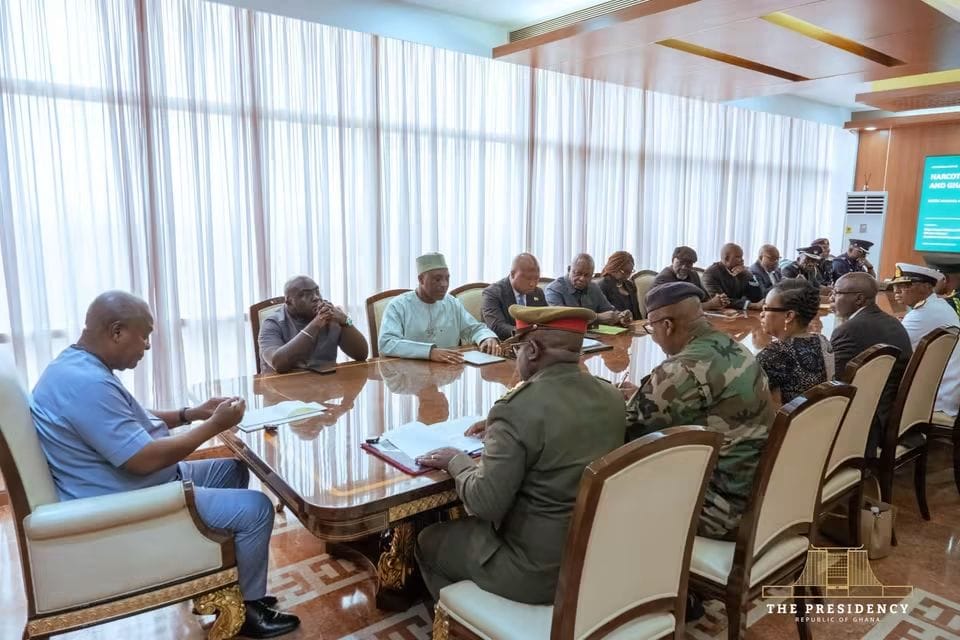
President John Dramani Mahama today chaired a meeting of security chiefs and received a detailed briefing on investigations into the recent trafficking of drugs out of Ghana’s ports.
The President was informed that ten individuals, including four officers of the Customs Division of the Ghana Revenue Authority (GRA), are being held while investigations continue.
The meeting reviewed the structure and security systems in place and recommended new actions.
President Mahama has directed that an inter-agency task force be formed to present a detailed roadmap, emanating from today’s meeting, on measures to prevent the trafficking of drugs through Ghana’s borders within two weeks.
By Edem Mensah-Tsotorme

 News4 days ago
48 Engineer Regiment to be major sub-contractor on Accra-Kumasi Expressway, $2bn ready- Prez Mahama
- News1 week ago
Ghanaian journalist celebrates Texas town’s ‘Eden of the Far West’ tag after mayor’s nod
- Entertainment6 days ago
Fiifi Coleman Productions adapt ‘I Told You So’ stage play into feature film