Gender
WiSA launched to accelerate growth, close gender inequality gap


- /home/u249204778/domains/spectator.com.gh/public_html/wp-content/plugins/mvp-social-buttons/mvp-social-buttons.php on line 27
https://spectator.com.gh/wp-content/uploads/2025/05/Gender-Minister-launching-WiSA.jpg&description= WiSA launched to accelerate growth, close gender inequality gap', 'pinterestShare', 'width=750,height=350'); return false;" title="Pin This Post">
- Share
- Tweet /home/u249204778/domains/spectator.com.gh/public_html/wp-content/plugins/mvp-social-buttons/mvp-social-buttons.php on line 72
https://spectator.com.gh/wp-content/uploads/2025/05/Gender-Minister-launching-WiSA.jpg&description= WiSA launched to accelerate growth, close gender inequality gap', 'pinterestShare', 'width=750,height=350'); return false;" title="Pin This Post">
Women in Sustainability Africa (WiSA) has been launched in Accra with an aim to accelerate growth and the closure of gender inequality gap.
Speaking at the launch, the Convenor for WiSA, Nana Yaa Serwaa Sarpong, said that, “Gender inequality gap cannot be closed by women alone, calling for catalytic efforts to cause a revolution in order to achieve such goal.”
Madam Sarpong also stated that, “this is the new beginning of gender empowerment and the new wave which must be propagated across Africa without any antagonism.”
She said the key to bridging gender inequality gap is two sided, saying that, “First is men standing side by side with women and secondly, the recognition of women as a source of labour with positive return on every investment that is made to build capacity in women.”
Additionally, Madam Sarpong underlined that the organisation will work with men, ‘he or she’ champions, CSOs, Corporate Institutions, local and International Development Organisations to bring all women and women groups together (especially those at the grassroots level) to foster the achievement of the Sustainable Development Goals (SDGs) across Africa.
The Minister for Gender, Children and Social Protection, Dr Agnes Naa Momo Lartey, said recognising the proportionate impact of climate change on women, the Ministry has developed a roadmap to strengthen gender responsiveness of social protection programmes.
According to her, this initiative aims to ensure that their interventions were inclusive, equitable and effective in building resilience among vulnerable populations.
The campaign will be celebrated as part of the activities of May 1, and throughout the month of May every year.
She disclosed that in partnership with WiSA and other stakeholders.
Dr Lartey again indicated that he Ministry will use the campaign to recognise women nationally and continentally as sources of labour and agents of sustainability.
Furthermore, the Minister stated that the campaign would be rolled out in schools, media platforms and community spaces.
The Minister of State in charge of Climate Change and Sustainability, Issifu Seidu, on his part said, “African women have always been the backbone of our communities, playing key roles in agriculture, healthcare, education, and the informal economy.
However, he noted that their contributions remain undervalued and underappreciated in many spheres of society.
By Esinam Jemima Kuatsinu






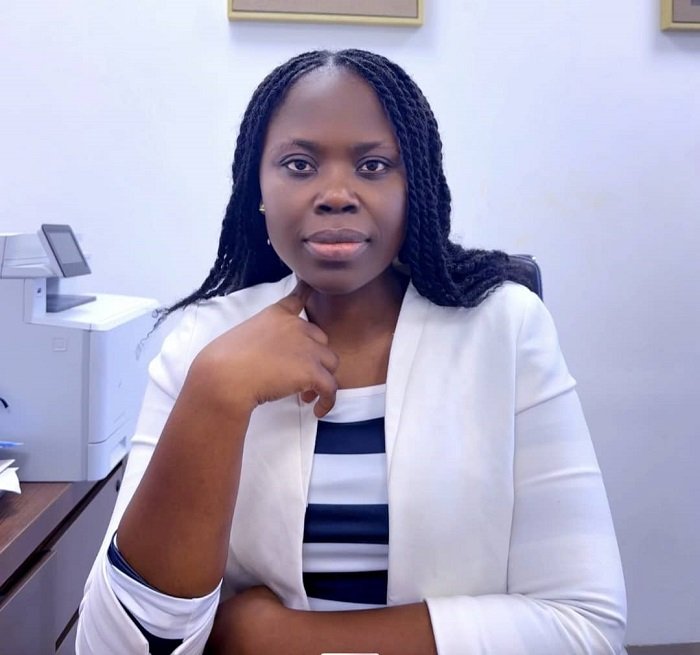
The Founder of The Raissa Child Protection Initiative (TRCPI), Ms Raissa Sambou, has called for intensified efforts to eliminate child labour across Africa, describing the practice as a serious violation of children’s rights and a major threat to their development and future.
She urged governments, individuals, civil society organisations, religious bodies, and traditional and religious leaders to work together to protect children from all forms of labour that deprive them of their childhood, education, and well-being.
Ms Sambou made the call on Thursday as the world marked the World Day Against Child Labour, an annual observance held on June 12 to raise awareness about child labour and mobilise action towards its elimination. This year’s commemoration was observed under the theme, “Red Card to Child Labour: Fair Play for Children, Decent Work for Adults.”
According to her, child labour continues to affect thousands of children across Ghana and other parts of Africa, exposing them to exploitation and denying them opportunities to reach their full potential.
“Child labour can affect the physical, emotional and psychological well-being of children. It interrupts their education, exposes them to abuse and exploitation, increases their risk of injuries and long-term health problems, and limits their chances of breaking the cycle of poverty,” she stated.
Ms Sambou further noted that children engaged in labour often suffer from low self-esteem, social exclusion and trauma, with many unable to acquire the skills and education needed to contribute meaningfully to national development.
She stressed that protecting children was a collective responsibility and called for stronger enforcement of child protection laws, increased public awareness, and greater investment in social protection programmes for vulnerable families.
Ms Sambou also identified poverty as one of the major drivers of child labour and warned that failure to address economic hardship would continue to expose children to exploitation and other forms of abuse.
She called on policymakers to strengthen interventions aimed at reducing poverty, improving access to quality education and supporting struggling households.
“We must not allow ignorance and poverty to thrive. When poverty is not adequately addressed, it fuels child labour and other crimes against children. Let the systems work effectively to shield every child from harm and give them the opportunity to learn, grow and succeed,” she added.
The World Day Against Child Labour was established by the International Labour Organisation in 2002 to focus global attention on the need to eradicate child labour and protect the rights and welfare of children worldwide.
By Esinam Jemima Kuatsinu

Plan International Ghana has reaffirmed its commitment to advancing menstrual health and hygiene management (MHHM) and promoting the rights, dignity and well-being of girls and women across the country.
Mr Mathias Gangana, Southern Programme Influencing and Impact Area Manager of Plan International Ghana, said the organisation’s interventions over the past decade had helped address menstrual poverty, challenge harmful social norms and create enabling environments for girls to thrive.
He was speaking at the UHAS, RGHI Project Dissemination Forum held at the Fred N. Binka School of Public Health on the Hohoe Campus of the University of Health and Allied Sciences (UHAS).
Mr Gangana said, as an organisation dedicated to children’s rights and gender equality, particularly for girls, Plan International Ghana had implemented transformative interventions that had significantly improved menstrual health outcomes nationwide.
He said through comprehensive menstrual health education programmes, the organisation had reached girls, boys, parents, teachers and community members, increased awareness and reducing the stigma associated with menstruation.
Mr Gangana said thousands of vulnerable girls had been empowered to manage menstruation with dignity and confidence through the provision of sanitary pads, reusable menstrual products and the establishment of pad banks in schools, including special schools and some tertiary institutions.
He said those interventions had contributed to improved school attendance and greater participation in academic activities among girls.
Mr Gangana said Plan International Ghana had also strengthened Water, Sanitation and Hygiene (WASH) services through the installation and rehabilitation of handwashing facilities, the provision of clean water and soap, and the construction of gender-responsive, inclusive and disability-friendly sanitation facilities.
He said those investments had improved privacy, safety and comfort for girls while promoting healthy hygiene practices in schools and communities.
Recognising that menstrual health was a shared responsibility, Mr Gangana said the organisation had actively engaged men and boys through initiatives such as the “Real Fathers” campaign to foster understanding and support for girls and women.
He said advocacy and community sensitisation programmes had also contributed to reducing discrimination, challenging harmful gender norms and advancing gender equality.
According to him, the interventions had yielded significant outcomes, including increased knowledge and awareness of menstrual health, improved access to menstrual hygiene products, enhanced school attendance and academic participation among girls, strengthened hygiene practices, increased male involvement and stronger community ownership of menstrual health initiatives.
“As we reflect on these achievements, we stand in solidarity with all partners, lecturers, teachers, community leaders, parents, girls and young people who have contributed and continue to support this important journey,” he said.
Mr Gangana said the collective efforts of stakeholders had empowered countless girls to remain in school, participate confidently in community development and realise their full potential.
He reaffirmed Plan International Ghana’s commitment to sustaining efforts that would ensure every girl could manage menstruation safely, confidently and with dignity.
“Together, let us build a more just, inclusive and equitable society where no girl is left behind simply because of her period,” he said. -GNA