Fashion
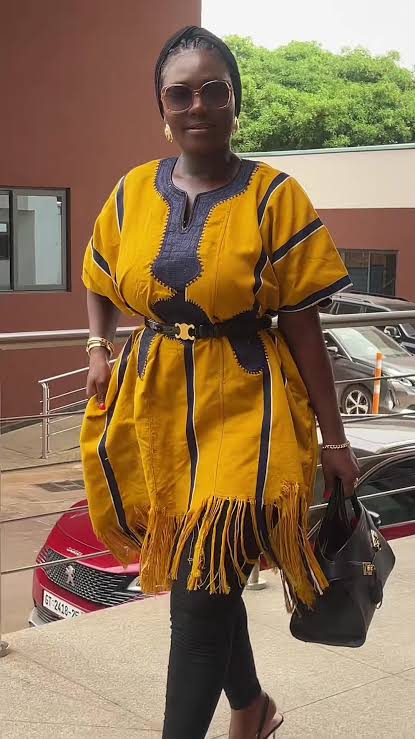
Looking corporate, but fashionable


- /home/u249204778/domains/spectator.com.gh/public_html/wp-content/plugins/mvp-social-buttons/mvp-social-buttons.php on line 27
https://spectator.com.gh/wp-content/uploads/2021/01/IMG_1590.jpeg&description=Looking corporate, but fashionable', 'pinterestShare', 'width=750,height=350'); return false;" title="Pin This Post">
- Share
- Tweet /home/u249204778/domains/spectator.com.gh/public_html/wp-content/plugins/mvp-social-buttons/mvp-social-buttons.php on line 72
https://spectator.com.gh/wp-content/uploads/2021/01/IMG_1590.jpeg&description=Looking corporate, but fashionable', 'pinterestShare', 'width=750,height=350'); return false;" title="Pin This Post">
Fashion is something we deal with everyday. Even people who say they don’t care about what they wear choose clothes every morning that speak a lot about them and how they feel that day.
As a professional, appearances and first impressions are critical. As a woman, the issues of presentation and dress are far more complex. How people see women in business is equally important, and choosing the best method to make a positive impression is far more difficult.


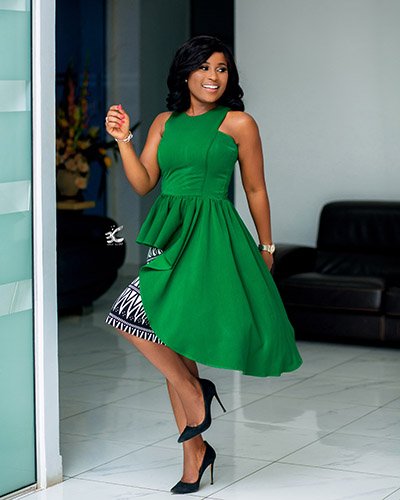


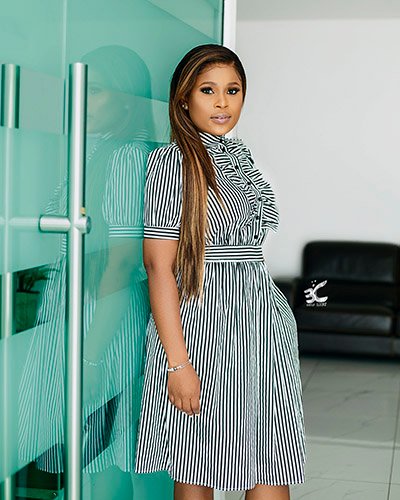

Any woman who work in a professional environment knows that there are dress codes and most times have difficulty on deciding their wardrobe for work.
Corporate clothing reinforces your corporate identity. It builds a sense of pride and belonging across staff members and makes employees easily recognisable to customers.
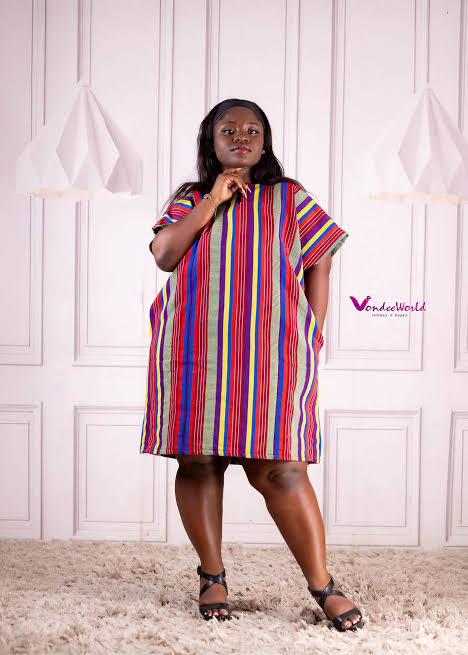
Women’s professional attire is fortunately not limited to suits exclusively. When assembling your outfit, take care in co-ordinating colours, covering the appropriate amount of cleavages, and ensuring that hem lines do not pass your fingertips when placing your arms at your sides
Do not wear clothes that are too tight to the point that they are ill-fitting. Be sure that you are comfortable and confident, and this includes your shoes.
Shoes should not be painful or a distraction, simplicity and sensibility will gain you more respect than extreme or worn-out shoes.
Other times, professional women worry about coming off too casual or girly in some feminine clothing.
Although these are both legitimate concerns, women can have the best of both worlds.
By: Deborah Esaawah Andorful


The Member of Parliament (MP) for Ayawaso West Wuogon, John Dumelo, is one of the most talked about fashion icons that blends tradition with modern style.
He was one of the pillars acting in Ghana revolved, but in fashion, he is a colossus.
Unlike his peers, Dumelo appears very simple in some of the sophisticated fashion designs and brands in the country.
He is noted for his simple appearance in modest colours with few accessories.


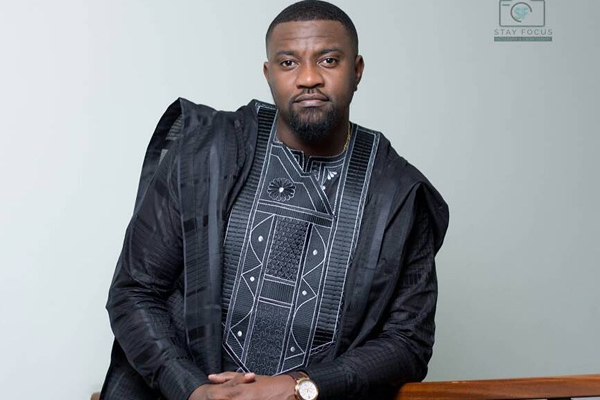


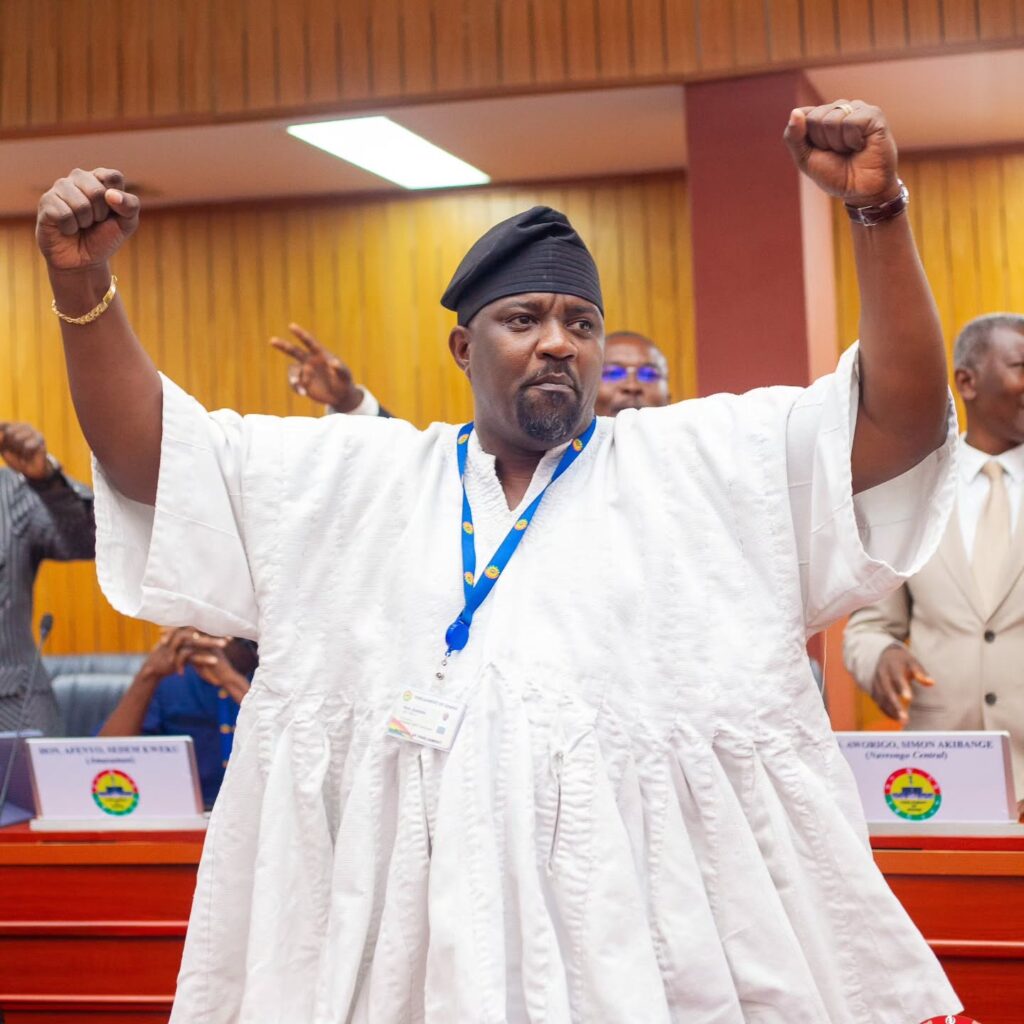
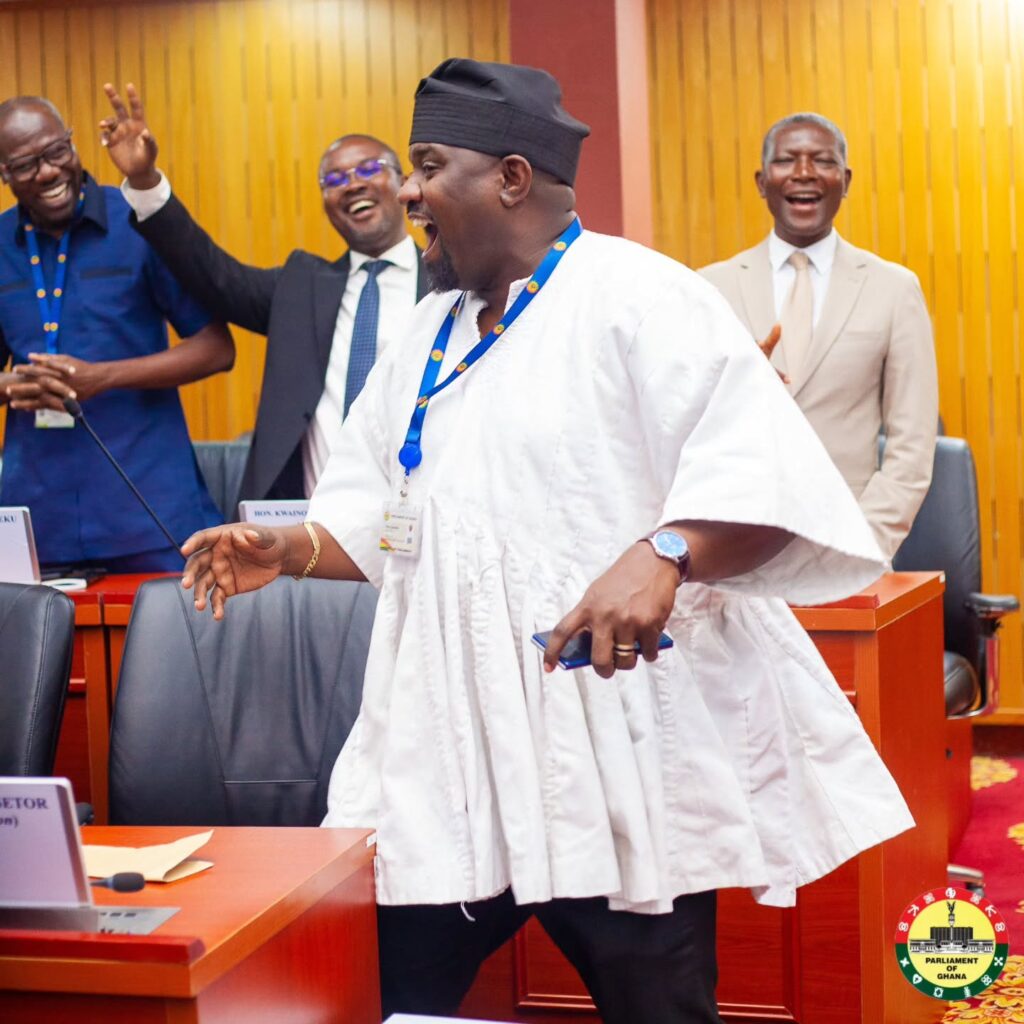






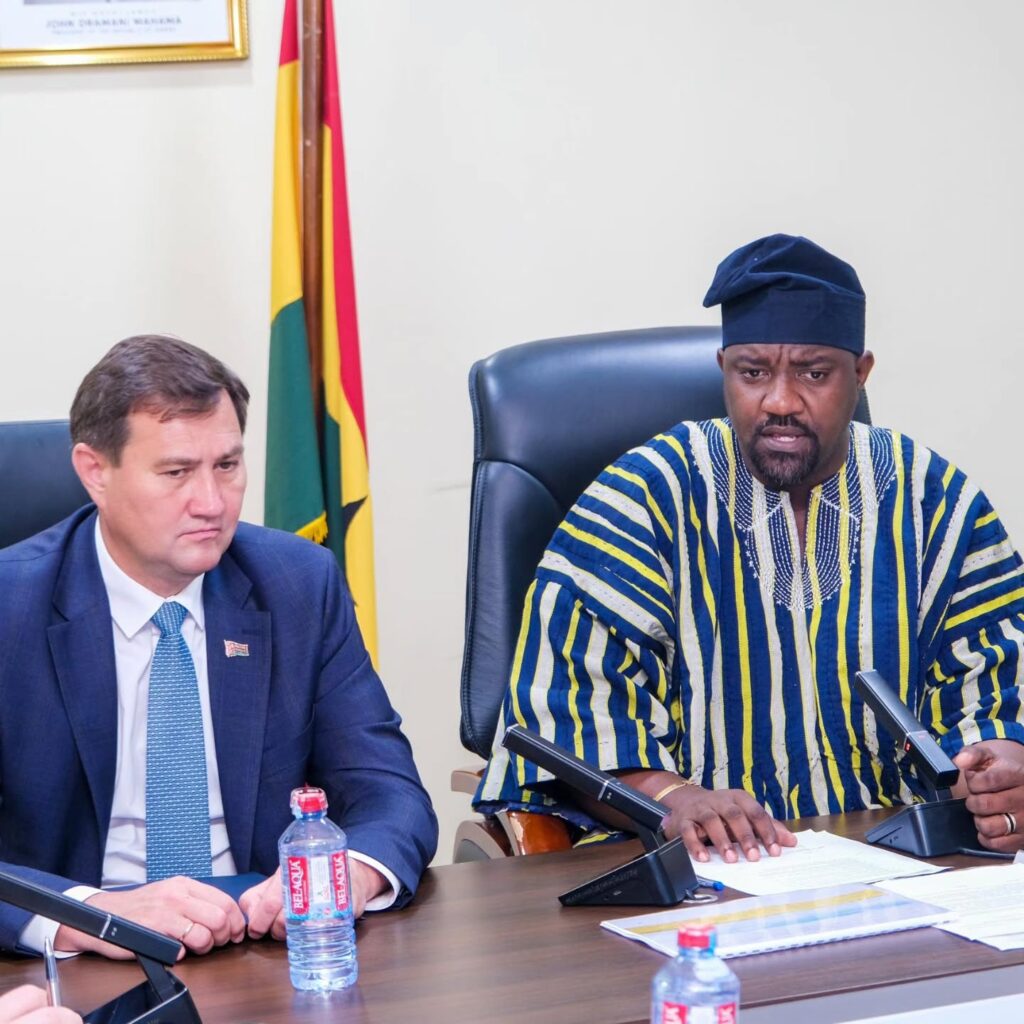


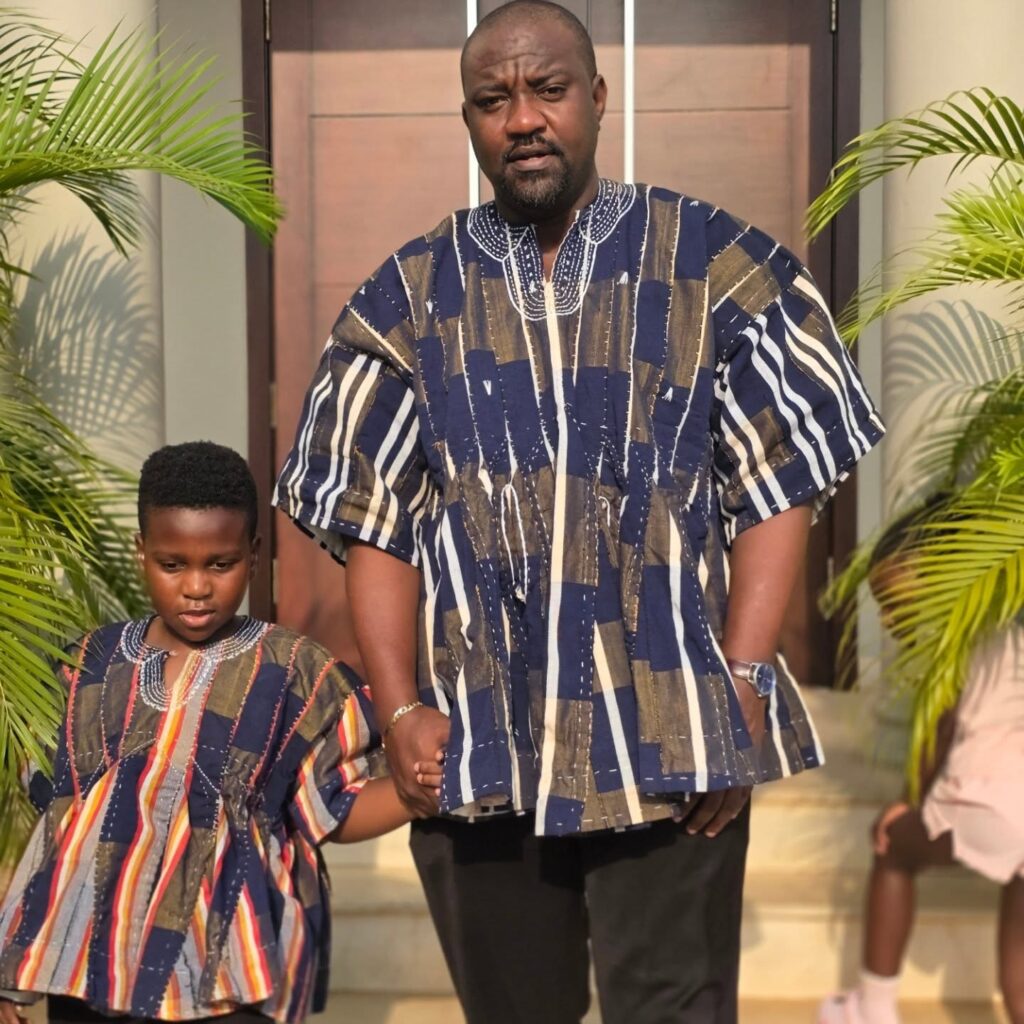



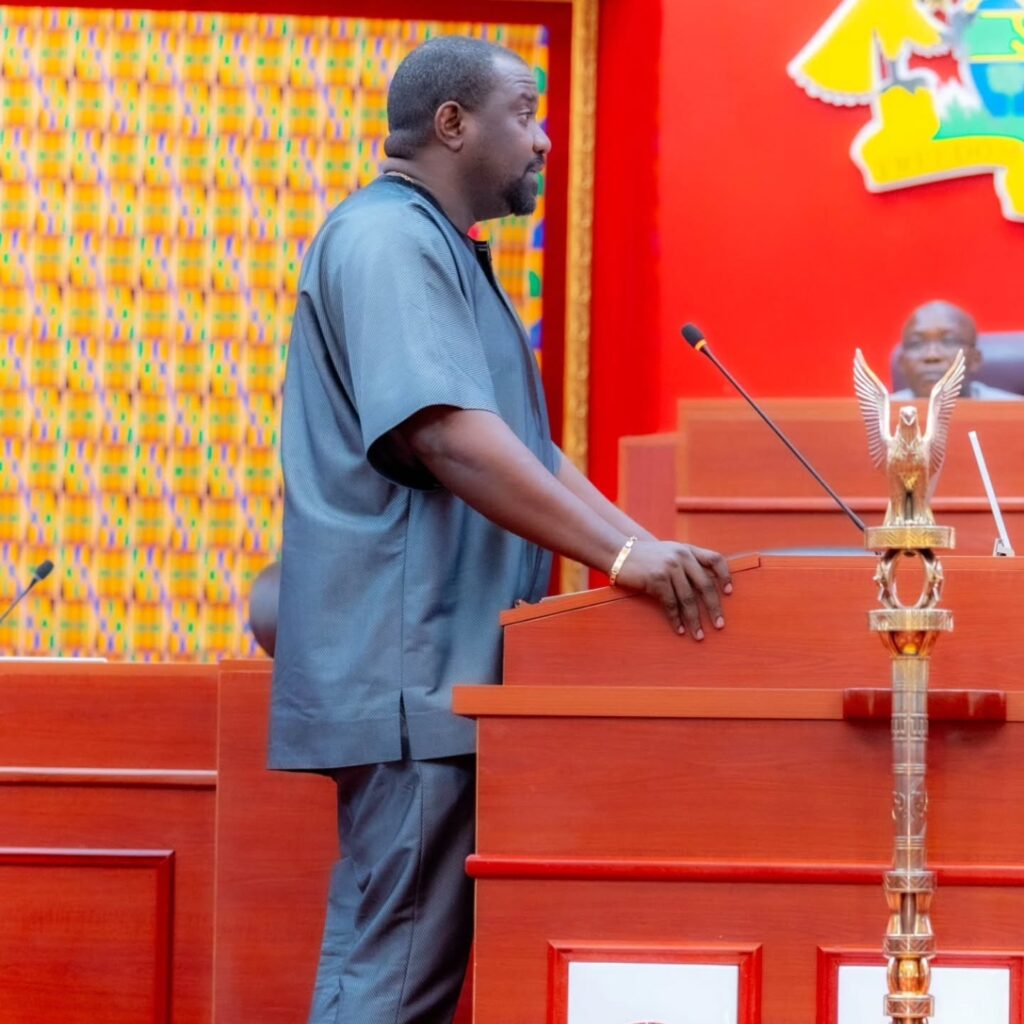



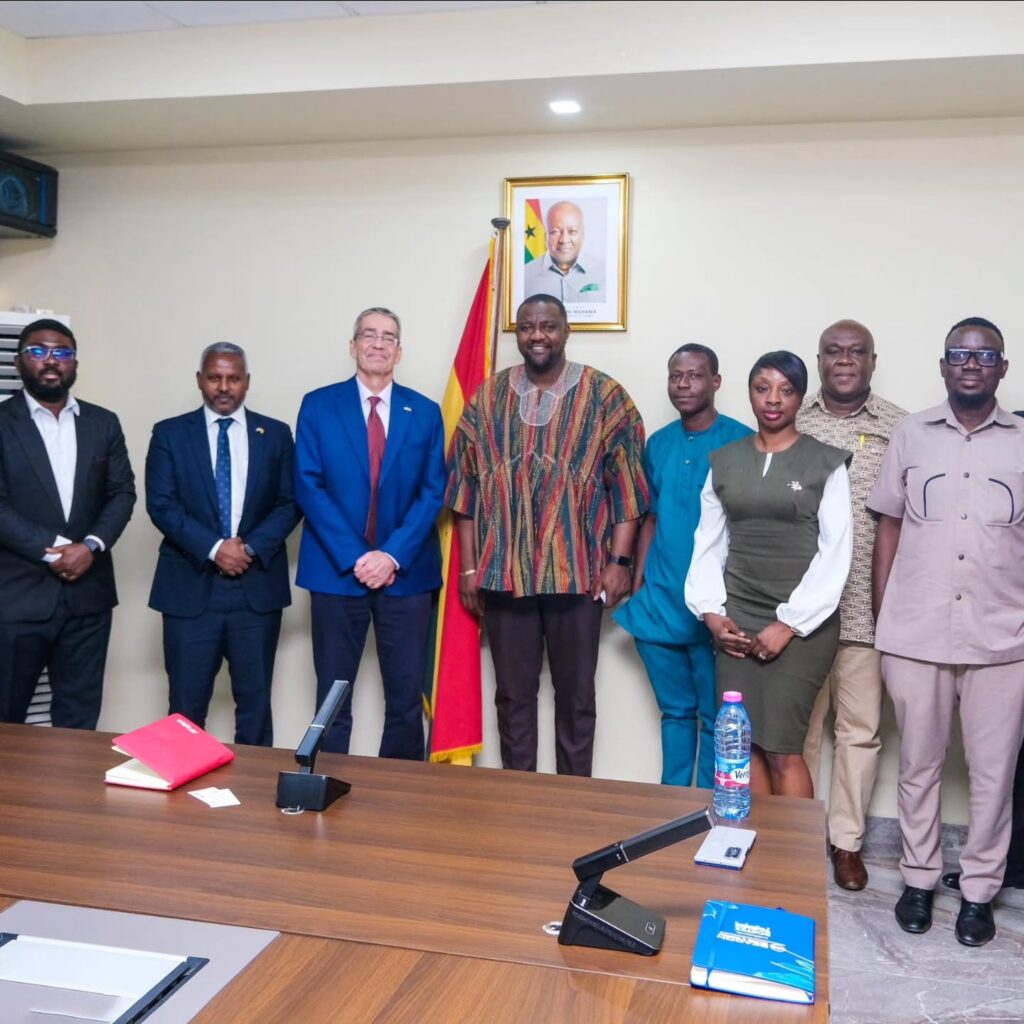






His style reflects his identity and national pride.
For him, fashion is more than just an appearance.
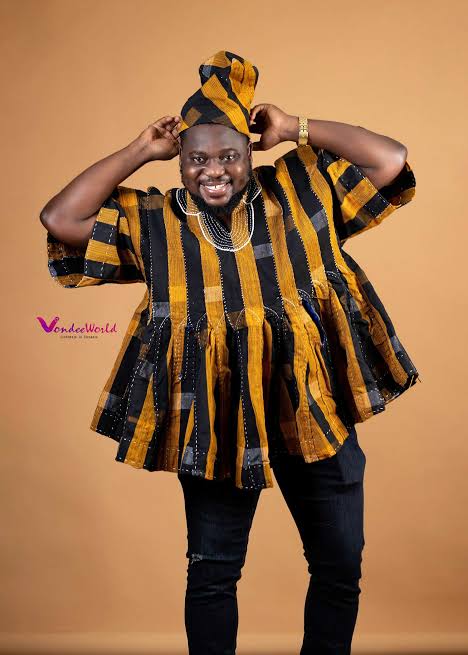
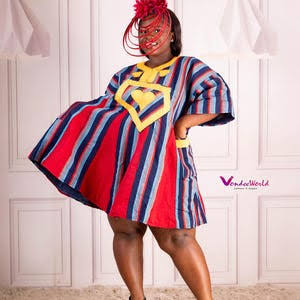
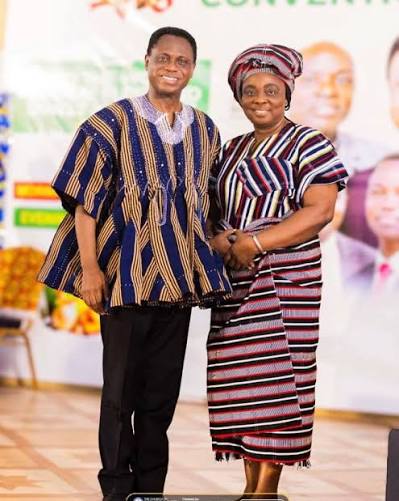
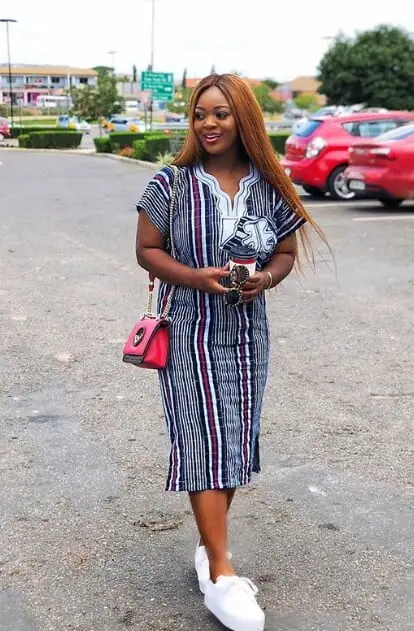
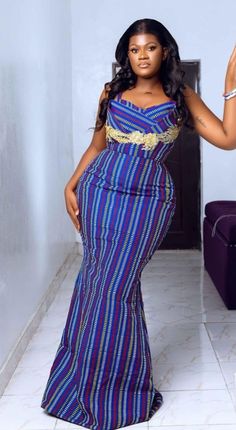
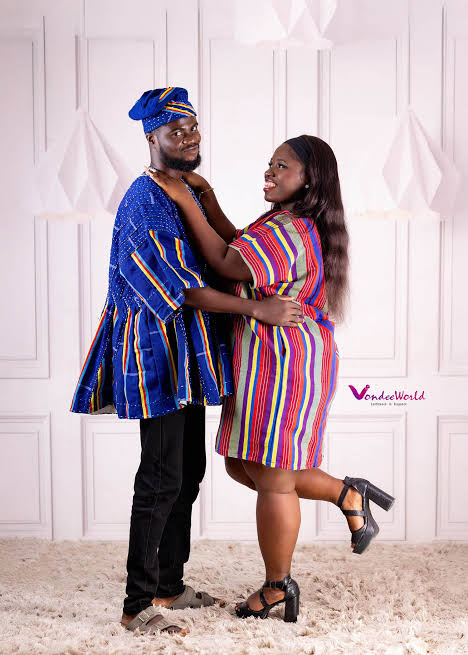
Once worn mainly by chiefs and people of Northern Ghana, Smock, the traditional attire has been redesigned for a new generation.
Today’s smocks come in modern cuts, bold colours, and fine embroidery, making them suitable for weddings, offices, and casual outings.
Designers and weavers are transforming traditional smock with contemporary cuts, vibrant colours to appeal to all ages.
Each piece reflects hours of handwork and generations of skill. The Smock continuous to be a timeless wear for casual and corporate