Health Essentials
Not all snoring is created equal


- /home/u249204778/domains/spectator.com.gh/public_html/wp-content/plugins/mvp-social-buttons/mvp-social-buttons.php on line 27
https://spectator.com.gh/wp-content/uploads/2024/10/Snoring-is-not-only-harmful-to-our-physical-health-but-it-affects-all-6-pillars-of-wellness-especially-social-wellness.jpg&description=Not all snoring is created equal', 'pinterestShare', 'width=750,height=350'); return false;" title="Pin This Post">
- Share
- Tweet /home/u249204778/domains/spectator.com.gh/public_html/wp-content/plugins/mvp-social-buttons/mvp-social-buttons.php on line 72
https://spectator.com.gh/wp-content/uploads/2024/10/Snoring-is-not-only-harmful-to-our-physical-health-but-it-affects-all-6-pillars-of-wellness-especially-social-wellness.jpg&description=Not all snoring is created equal', 'pinterestShare', 'width=750,height=350'); return false;" title="Pin This Post">
Snoring is not only harmful to our physical health but it
affects all 6 pillars of wellness especially social wellness
When people are unable to differentiate between your snore and a locomotive engine or a trumpet that could break down walls, it may not just be a nuisance to your bed and housemates, but it may signal a serious medical condition.
Loud snoring may be a warning that you have Sleep Apnoea, a condition that opens doors to several serious life-threatening complications. Not every snoring is associated with sleep apnoea and also there may be sleep apnoea without snoring. Sleep medicine is no luxury, we need to do everything possible to get good quality sleep, especially when sleep is one of the greatest legal performance enhancing “drugs” known to man.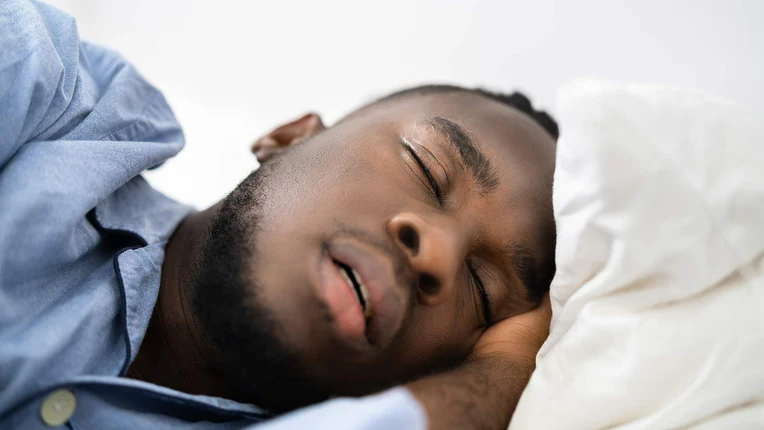
In sleep apnoea, breathing repeatedly stops and starts during sleep. It may be as often as 30 times in an hour. This shortchanges our brain of oxygen, and it is a potentially dangerous sleep disorder.
Types of Sleep Apnoea;
• Obstructive Sleep Apnoea (OSA)
o The commonest by far. Throat muscles relax and block flow of air
• Central Sleep Apnoea
o Brain does not send proper signals to muscles controlling breathing
• Complex Sleep Apnoea
What may signal Sleep Apnoea/ What to look out for
• Loud snoring.
• Episodes in which you stop breathing during sleep — which would be reported by another person.
• Gasping for air during sleep.
• Awakening with a dry mouth.
• Morning headache.
• Difficulty staying asleep, known as insomnia.
• Excessive daytime sleepiness, known as hypersomnia.
• Difficulty paying attention while awake.
• Irritability.
• You may just not be able to complete a movie.
• Involved in minor accidents at home, work or even on the road.
Get checked out. Even children may suffer from sleep apnoea.
What increases our chance of developing Sleep Apnoea?
• Excess weight or fat.
• Neck circumference. People with thicker necks might have narrower airways.
• A narrowed airway. Tonsils or adenoids also can enlarge and block the airway, particularly in children.
• Being male. Men are 2 to 3 times more likely to have sleep apnoea than women. However, women increase their risk if they’re overweight or if they’ve gone through menopause.
• Being older. Sleep apnea occurs significantly more often in older adults.
• Family history. Having family members with sleep apnoea might increase your risk.
• Use of alcohol, sedatives or tranquilisers.
• Smoking. Smokers are three times more likely to have obstructive sleep apnoea
• Nasal congestion. If you have trouble breathing through your nose — whether from an anatomical problem or allergies — you’re more likely to develop obstructive sleep apnoea.
• Medical conditions. Congestive heart failure, high blood pressure and type 2 diabetes are some of the conditions that may increase the risk of obstructive sleep apnoea. Polycystic ovary syndrome, hormonal disorders, prior stroke and chronic lung diseases such as asthma also can increase risk.
What complications may occur from untreated Sleep Apnoea
Sleep apnoea is a serious medical condition. Complications of OSA can include:
• Daytime fatigue. The repeated awakenings associated with sleep apnoea make typical, restorative sleep impossible, in turn making severe daytime drowsiness, fatigue and irritability likely.
You might have trouble concentrating and find yourself falling asleep at work, while watching TV or even when driving. People with sleep apnea have an increased risk of motor vehicle and workplace accidents.
You might also feel quick-tempered, moody or depressed. Children and adolescents with sleep apnea might perform poorly in school or have behavior problems.
• High blood pressure or heart problems. Sudden drops in blood oxygen levels that occur during OSA increase blood pressure and strain the cardiovascular system. Having OSA increases your risk of high blood pressure.
OSA might also increase your risk of recurrent heart attack, stroke and irregular heartbeats, such as atrial fibrillation. If you have heart disease, multiple episodes of low blood oxygen (hypoxia or hypoxemia) can lead to sudden death from an irregular heartbeat.
• Type 2 diabetes. Having sleep apnoea increases your risk of developing insulin resistance and type 2 diabetes.
• Metabolic syndrome. This disorder, which includes high blood pressure, abnormal cholesterol levels, high blood sugar and an increased waist circumference, is linked to a higher risk of heart disease
• Liver & kidney problems
• Sleep-deprived room or house mates
• Complications during surgery and also with some medication
Lifestyle Modifications that may help
• Lose excess fat. Even a slight weight loss might help relieve constriction of your throat. In some cases, sleep apnea can resolve if you return to a healthy weight, but it can recur if you regain weight.
• Exercise. Regular exercise can help ease the symptoms of obstructive sleep apnea even without weight loss.
• Avoid alcohol and certain medicines such as tranquilisers and sleeping pills. These relax the muscles in the back of your throat, interfering with breathing.
• Sleep on your side or abdomen rather than on your back. Sleeping on your belly has many posture related challenges but we may adopt that briefly as we work on definitive treatment.
• Don’t smoke.
Diagnosis and Treatment
There is help so if you think you may have sleep apnoea do not hesitate to speak to your doctor.
A few questions, examination and Sleep Studies and a diagnoses may be reached and the appropriate treatment, advice or support systems put in place.
Yes, the options vary from just lifestyle modifications to the famous CPAP, implants and even surgery BUT do seek help, not only will you feel brand-new when the condition is resolved, you may be saving relationships.
……definitely not all snoring is created equal. Find out about yours.
AS ALWAYS LAUGH OFTEN, ENSURE HYGIENE, WALK AND PRAY EVERYDAY AND REMEMBER IT’S A PRICELESS GIFT TO KNOW YOUR NUMBERS (blood sugar, blood pressure, blood cholesterol, BMI)
Dr. Kojo Cobba Essel
Health Essentials Ltd (HE&W Group)
(dressel@healthessentialsgh. com)
*Dr. Essel is a Medical Doctor with a keen interest in Lifestyle Medicine, He holds an MBA and is an ISSA Specialist in Exercise Therapy, Fitness Nutrition and Corrective Exercise. He is the author of the award-winning book, ‘Unravelling The Essentials of Health & Wealth.’
Thought for the week (1) – “I am hard pressed to choose the greatest legal performance enhancing drug. Is it good quality Sleep or Exercise?”
References:
1. www.mayoclinic.org
2. Team at Penn State Health Holy Spirit Sleep Center
- Snoring is not only harmful to our physical health but it affects all 6 pillars of wellness especially social wellness.
By Dr. Kojo Cobba Essel


I have over the past two decades looked beyond mainstream medicine to assess other options that lead to holistic health, and I must say it’s been exciting and revealing but it’s not an easy path.
As I matured and my knowledge expanded, I have changed my opinion on some aspects of wellness and many findings have been humbling. We all continue to learn each day.
I will share some of the life-changing skills that we take for granted. In our quest for wellness there appears to be more questions than answers, but moderation still remains key in our daily lives.
The power of prayer, praise and worship of God cannot be taken out of the equation.
Ready. Set. Let us do this together.
- Strength training is a must for ALL of us
- Yes, we all need to dig into the various aspects of exercise; strength training, cardiovascular training, stretches or flexibility training and balance training. If you asked me about a decade ago to pick the king of all exercises, I would naively have answered cardiovascular such as walking, cycling etc. but I am certain now that strength training trumps all and we need to incorporate at least a bit of that in our exercise programme.
- Take a short walk after each meal
- Many of us (your truly included) after dinner barely get to wash our hands before the miracle of the Lotus Eaters sends us to dreamland. Our fingers will be signaling to rats and cockroaches to come out and party.
- Walking a few minutes after eating may hold the key to helping control our blood sugar levels and reduce the spikes in insulin that come with a myriad of issues. At the very least the short walks after eating will add up to increase the energy you expend daily.
- Eating your vegetables and proteins before your carbohydrates may be helpful
- Well, how true may this be? I suggest it is worth trying. I am not saying clear your plate of all protein before you even take a spoonful of carbohydrate. The fibre will slow the absorption of the sugar for hours and even better, you may feel full after the vegetables and protein and not be able to gobble down the mounds of carbohydrates you had planned to dismantle.
- Eat slowly but do not get your boss angry
- Eating slowly does not mean spending hours at lunch and courting the displeasure of your superiors. It takes about 20 minutes for your brain to realise you are full so dear friend, take your time to chew and enjoy your food. A meal “downed” in less than 20 minutes may cause you to virtually suffocate when you top up with water. This is a message to myself and all those who like me eat so quickly that Usain Bolt will envy our speed.
- Eat from small, colourful plates
- Small colourful plates make an impression on our brains. Since the little food appears loaded on a small plate our brains tend to “believe” it’s a lot of food and we feel full for a strange reason. Put the same amount in a large plate and you are likely to be asking for second servings.
- By all means make friends
- The power of social wellness and its role in longevity and an enviable health span is no longer in doubt. By all means make a few good friends and enjoy life! Thank me later.
- Sleep!
- Yes, I do agree there are at least seven forms of rest, and they are all equally important BUT start off with sleep and we will gradually rope in all others.
- Keep your eyes on your numbers
- I have written and spoken about the miracle of knowing our numbers and keeping them in check; blood pressure, blood sugar, lipids and BMI. Today I suggest you look at your heart rate closely. A low heart rate may be an indicator for staying here on planet earth for a long time. Also keeping glycated haemoglobin (long term blood sugar) low is another feather in the cap of longevity.
- Appropriate supplementation
- The golden rule is to get all your nutrients from your food but for many of us that may not be possible hence the need to supplement ( note that supplement overdose does exist)
- It is ideal to discuss supplementation with your healthcare professional and your discussion should look at probiotics, magnesium glycinate, Vit D3 + K2, a good multivitamin and in some instances creatine or whey Protein. I am in no way suggesting you take all these, each individual is unique and that is why it is crucial to discuss your options with a professional.
- Make a conscious effort to be HAPPY
- Happiness affects our entire being in positive ways; smile, say a kind word to someone, be grateful, surround yourself with people who make you happy and not ones who sap your energy, volunteer to support people and by all means get a hobby eg gardening, playing a game etc and the best get news yet; you don’t even have to be good at your hobby to benefit.
We are not waiting for a magical or ideal day to start working on our Health and Wellness, we start today bearing in mind that “the most efficient way to reach our realistic health and wellness goals is to make small healthy choices daily.
AS ALWAYS LAUGH OFTEN, ENSURE HYGIENE, WALK AND PRAY EVERYDAY AND REMEMBER IT’S A PRICELESS GIFT TO KNOW YOUR NUMBERS (blood sugar, blood pressure, blood cholesterol, BMI)
Dr. Kojo Cobba Essel
Health Essentials Ltd/ Medics Clinic
(dressel@healthessentialsgh.com)
*Dr. Essel is a Medical Doctor with a keen interest in Lifestyle Medicine, He holds an MBA and is an ISSA Specialist in Exercise Therapy, Fitness Nutrition and Corrective Exercise. He is the author of the award-winning book, ‘Unravelling The Essentials of Health & Wealth.’
Thought for the week – “WHERE YOU LIVE SHOULD NOT DETERMINE IF YOU LIVE.”- WHO


Very often we leave the doctor’s office only to remember that we left out a major complaint. Some patients immediately rush back to the consulting room totally oblivious of the privacy that the next patient is entitled to.
They expect that as they walk in, the doctor should ignore the seated or positioned patient and attend to them. That is totally outrageous. Others go home and continue to live with the condition hoping to be healed miraculously.
Most of us will be extremely lucky to spend 15 minutes with our doctor and this time is often much shorter in countries/communities where the doctor-patient ratio is so low that at best it can be described as criminal.
We are now in the second half of 2026, and I highly recommend that you see a doctor not only when you are unwell but as a means to assess your state of wellbeing and take the needed precautions. It is critical that you find a good primary care doctor who is knowledgeable and proactive and will also be able to coordinate specialist care that you may require.
To make the most out of our time with the doctor we need to PREPARE. If your condition is an emergency, then you do not have the benefit of time to prepare.
A must do!
Kindly ensure your personal hygiene is excellent.
- Take a good bath and brush your teeth
- Wear clean clothes that also make undressing easy, especially if you need to expose some areas for inspection/examination.
This may sound ridiculous, but the opposite does happen in real life.
Remember that doctors are human and when you are unkempt you may not get adequate contact with your doctor.
Research on the symptoms
If you have access to the internet or a book worth its salt you may read about your symptoms or wait to read after your doctor tells you your diagnosis.
Remember that if you need to research on the internet, it is essential that you use a reputable site.
In tune with your complaints
- Write down your complaints/symptoms if you think you may forget.
- If you have had a similar problem and have the results of any investigations e.g. Laboratory tests, x-rays, CT scans etc kindly carry them along
- Let your doctor know if you react to any drugs.
- Be truthful about any medications you have taken for the condition, if you do not remember the names make sure you go with the containers.
- If you have any other medical conditions (and medication) make the doctor aware.
- Remember to make a note of the following
- When did the symptoms/complaint begin?
- How long have you had these symptoms?
- Is it getting worse?
- Does anything make the condition worse?
- What makes you feel better?
- Is anything related to their onset?
- How often does it occur?
- How long does it last e.g. in pain conditions as well as rash, allergies etc.
- Does anyone else in your family have them?
- How do they affect your daily life?
- Is it related to work or home?
You may need to modify these slightly when you have skin lesions, swellings etc. This list is by no means exhaustive, and you may not need to find answers to all of them before getting help, but they will definitely help you ace the visit to your doctor.
If your doctor books you for surgery, do not leave his presence without finding out the following:
- Will you go home on the same day of the surgery?
- Will you need assistance to go home or can you drive unsupervised for instance
- What form of anaesthesia will you be given?
Then, if your visit is for a medical examination, do remember that also being aware of disease conditions in your family will help your doctor select the appropriate tests and make the whole experience and time useful.
Finally do not leave your doctor without finding out:
- How much physical activity/exercise you require; the Almighty “FITT” prescription
- What you need to eat or avoid.
- Some basic information regarding SLEEP.
See you in the consulting room soon.
AS ALWAYS LAUGH OFTEN, ENSURE HYGIENE, WALK AND PRAY EVERYDAY AND REMEMBER IT’S A PRICELESS GIFT TO KNOW YOUR NUMBERS (blood sugar, blood pressure, blood cholesterol, BMI)
Dr. Kojo Cobba Essel
Health Essentials Ltd (HE&W Group)/Medics Clinic
(dressel@healthessentialsgh.com)
*Dr. Essel is a Medical Doctor with a keen interest in Lifestyle Medicine, He holds an MBA and is an ISSA Specialist in Exercise Therapy, Fitness Nutrition and Corrective Exercise. He is the author of the award-winning book, ‘Unravelling The Essentials of Health & Wealth.’
Thought for the week – “The next big thing in Healthcare in Ghana is the Medics Clinic. Visit https://medicsgroupgh.com/ for more information.”
References: