News
NPP condemns acquittal of former MASLOC CEO Sedinam Tamakloe Attionu

- /home/u249204778/domains/spectator.com.gh/public_html/wp-content/plugins/mvp-social-buttons/mvp-social-buttons.php on line 27
https://spectator.com.gh/wp-content/uploads/2026/07/WhatsApp-Image-2026-07-30-at-15.27.28.jpeg&description=NPP condemns acquittal of former MASLOC CEO Sedinam Tamakloe Attionu', 'pinterestShare', 'width=750,height=350'); return false;" title="Pin This Post">
- Share
- Tweet /home/u249204778/domains/spectator.com.gh/public_html/wp-content/plugins/mvp-social-buttons/mvp-social-buttons.php on line 72
https://spectator.com.gh/wp-content/uploads/2026/07/WhatsApp-Image-2026-07-30-at-15.27.28.jpeg&description=NPP condemns acquittal of former MASLOC CEO Sedinam Tamakloe Attionu', 'pinterestShare', 'width=750,height=350'); return false;" title="Pin This Post">
The New Patriotic Party (NPP) has strongly criticised the decision of the Court of Appeal to acquit and discharge former Chief Executive Officer of the Microfinance and Small Loans Centre (MASLOC), Sedinam Christine Tamakloe Attionu.
In a statement issued on July 30, 2026, the party described the ruling as a “travesty of justice” and claimed it was politically motivated.
The Court of Appeal on Thursday overturned her conviction and 10-year prison sentence, which had been imposed by the High Court in April 2024 on charges including stealing, causing financial loss to the state, money laundering and breaches of the Public Procurement Act.
According to the NPP, the former MASLOC boss was tried for five years and convicted after the High Court examined evidence relating to alleged financial irregularities during her tenure between 2013 and 2016.
The party noted that she left Ghana while the trial was ongoing and was later extradited from the United States, arriving in Ghana on June 9, 2026.
The NPP argued that the trial court had found that her actions caused a loss of nearly GH¢90 million to the state and that the evidence against her was substantial.
It questioned why the conviction was overturned barely seven weeks after her return to Ghana.
The party further accused the Attorney-General of using state institutions to protect people connected to the governing party.
It claimed that several cases involving persons affiliated with the government had been discontinued since January 2025 and that the acquittal of Madam Tamakloe Attionu was part of that pattern.
The NPP linked the decision to the ongoing case involving its Ashanti Regional Chairman, Bernard Antwi Boasiako, popularly known as Chairman Wontumi.
It called for his immediate acquittal and discharge, arguing that his conviction was also politically motivated.
The party demanded that the Attorney-General publish details of all cases involving persons linked to the governing party that have been withdrawn, discontinued or otherwise terminated since January 2025, including the reasons for those decisions.
It called on the Judicial Council and the leadership of the Judiciary to take steps to restore public confidence in the justice system.
The NPP said it would pursue all lawful avenues, including a possible review at the Supreme Court where applicable, to ensure accountability in cases involving public funds.
The party maintained that the fight against corruption must not be selective and that public resources belong to all Ghanaians.
By: Jacob Aggrey








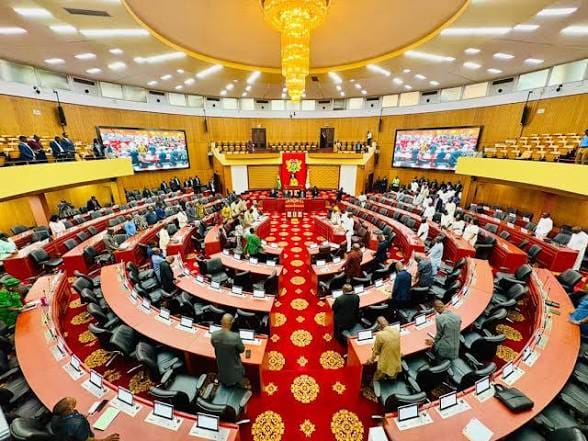
Parliament has clarified public commentary on social media regarding a notice on its notice board that read “No Vacancy for National Service Personnel 2026/2027. Kindly go for reposting.”
In a statement, signed by the Director of Media Relations, David Sebastian Damoah, Parliament said the notice has been misconstrued and was not a policy statement, a freeze on national service placements, or a change in its support for the National Service Scheme.
According to Parliament, the notice was a routine administrative message to prospective personnel who reported to the House, informing them that it has received more personnel than it can accommodate for the 2026/2027 service year and that they should seek reposting to other institutions.
It said it remains committed to the National Service Scheme and values the contribution of service personnel to its work, and regrets any confusion or inconvenience the wording may have caused.
By Edem Mensah-Tsotorme
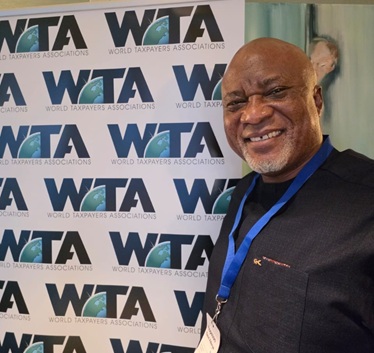
Ghanaian public advocate Hopeson Yaovi Adorye has been elected to the Board of Directors of the World Taxpayers Association (WTA).
The election took place on Sunday, October 5, 2026, during the Association’s conference in Kraków, Poland.
His election marks a significant addition to his international leadership portfolio and provides a platform for Ghanaian and African perspectives to contribute to global discussions on taxpayer rights, responsible taxation, transparency and prudent management of public resources.
Reacting to his election, Mr. Adorye expressed appreciation to the leadership and members of the WTA for the confidence reposed in him.
“I am deeply honoured by this confidence and conscious of the responsibility that comes with it. Taxpayers are at the heart of every economy, and they deserve fairness, transparency, accountability and value for the taxes they pay. I look forward to working with colleagues from across the world to strengthen the voice of taxpayers and promote responsible fiscal governance,” he said.
According to him, taxation should not be viewed solely as a mechanism for raising government revenue, but also as an important component of the social contract between citizens and the state.
Mr. Adorye said governments have a responsibility to ensure taxes are collected fairly and public resources are utilised efficiently to deliver quality infrastructure, healthcare, education, security and other essential services.
His election also creates an opportunity to bring African experiences into international conversations on taxation and public expenditure.
Mr. Adorye, who is Executive Director of Taxpayers League Ghana, has previously served as Global Board Chairman of the International Youth Network for UN Security Council Resolution 2250, an NGO associated with the United Nations Economic and Social Council (ECOSOC).
He is expected to use his new role to champion fiscal accountability, taxpayer education, good governance and stronger citizen participation in public financial management.