Fashion
Designer behind Mac Browns Outfit


- /home/u249204778/domains/spectator.com.gh/public_html/wp-content/plugins/mvp-social-buttons/mvp-social-buttons.php on line 27
https://spectator.com.gh/wp-content/uploads/2020/11/Image-4.jpeg&description=Designer behind Mac Browns Outfit', 'pinterestShare', 'width=750,height=350'); return false;" title="Pin This Post">
- Share
- Tweet /home/u249204778/domains/spectator.com.gh/public_html/wp-content/plugins/mvp-social-buttons/mvp-social-buttons.php on line 72
https://spectator.com.gh/wp-content/uploads/2020/11/Image-4.jpeg&description=Designer behind Mac Browns Outfit', 'pinterestShare', 'width=750,height=350'); return false;" title="Pin This Post">
Shika Geo-Glavee, is the Chief Executive Officer of Shik Collections whose vision is to create diversity and promote Ghana and African fashion industry globally.
She has consistently styled actress and television hostess, Felicity Ama Agyeman popularly known as Nana Ama Mac Brown for the past five years.


She recounted that it all began when she was contacted by a producer of a show to style her.
” Nana is just one amazing personality. I recount the day I launched my J’adore collection and she surprised me by showing up even though she had a packed day. The vibe she brought on board was priceless: she is a beautiful soul” Ms Geo- Glavee told The Spectator
Sharing how Nana Ama has impacted her brand, the CEO said “she gives her free publicity that is worth every penny spent on her”.
She stated that selection of the outfit was made depending on the occasion, the material and how she would wants the dress to be designed.
Shika described the future of the fashion industry as booming with lots of new designers springing up, and that would give an idea about the prospect in designing and the high demand for local print clothing and accessories.
In an Interview with Nana Ama Mac Brown she also said Shik Collection was a brand she loved to wear because it was modest, simple and classy.
“We have built a very good relationship over the years and supporting her brand by wearing her clothes, brings me joy” she said.
By Linda Abrefi Wadie


The Member of Parliament (MP) for Ayawaso West Wuogon, John Dumelo, is one of the most talked about fashion icons that blends tradition with modern style.
He was one of the pillars acting in Ghana revolved, but in fashion, he is a colossus.
Unlike his peers, Dumelo appears very simple in some of the sophisticated fashion designs and brands in the country.
He is noted for his simple appearance in modest colours with few accessories.


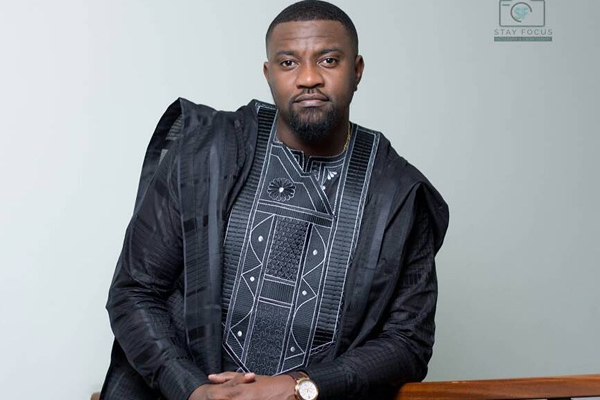










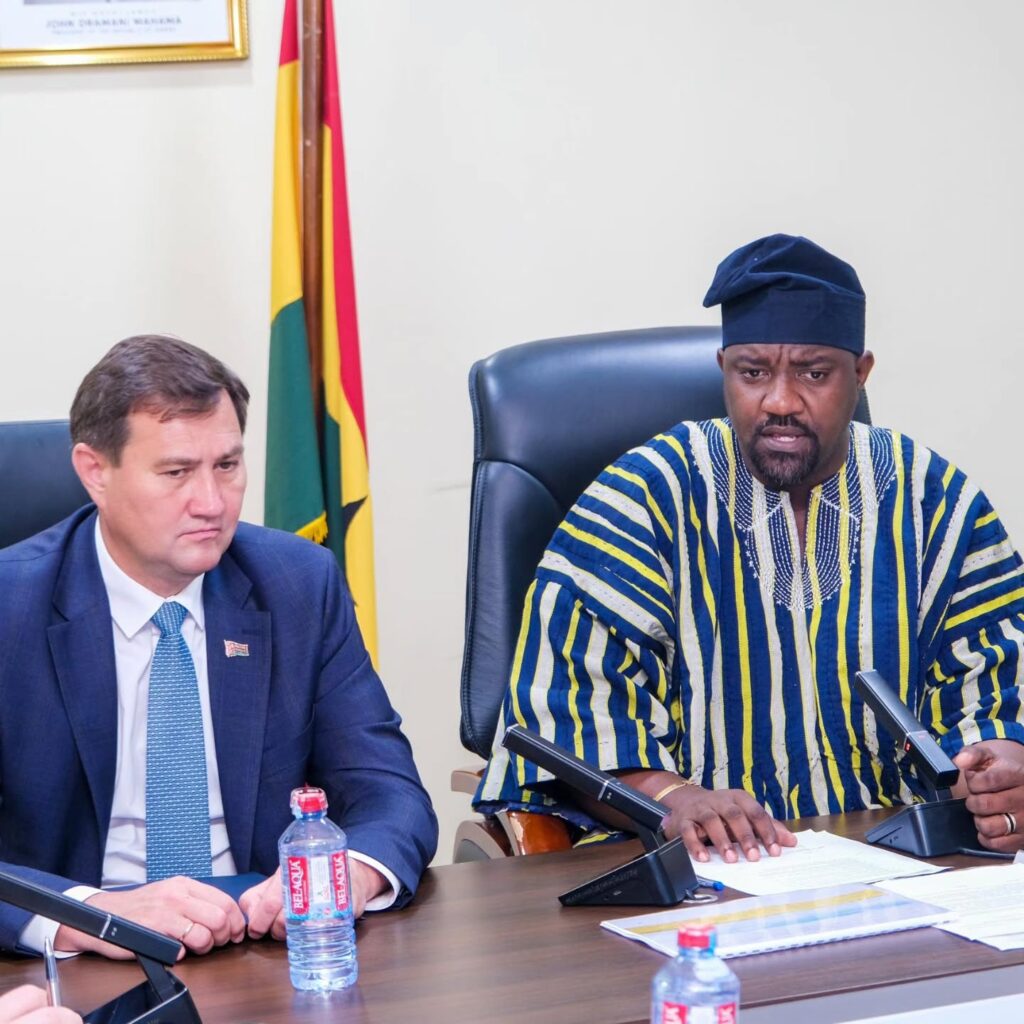


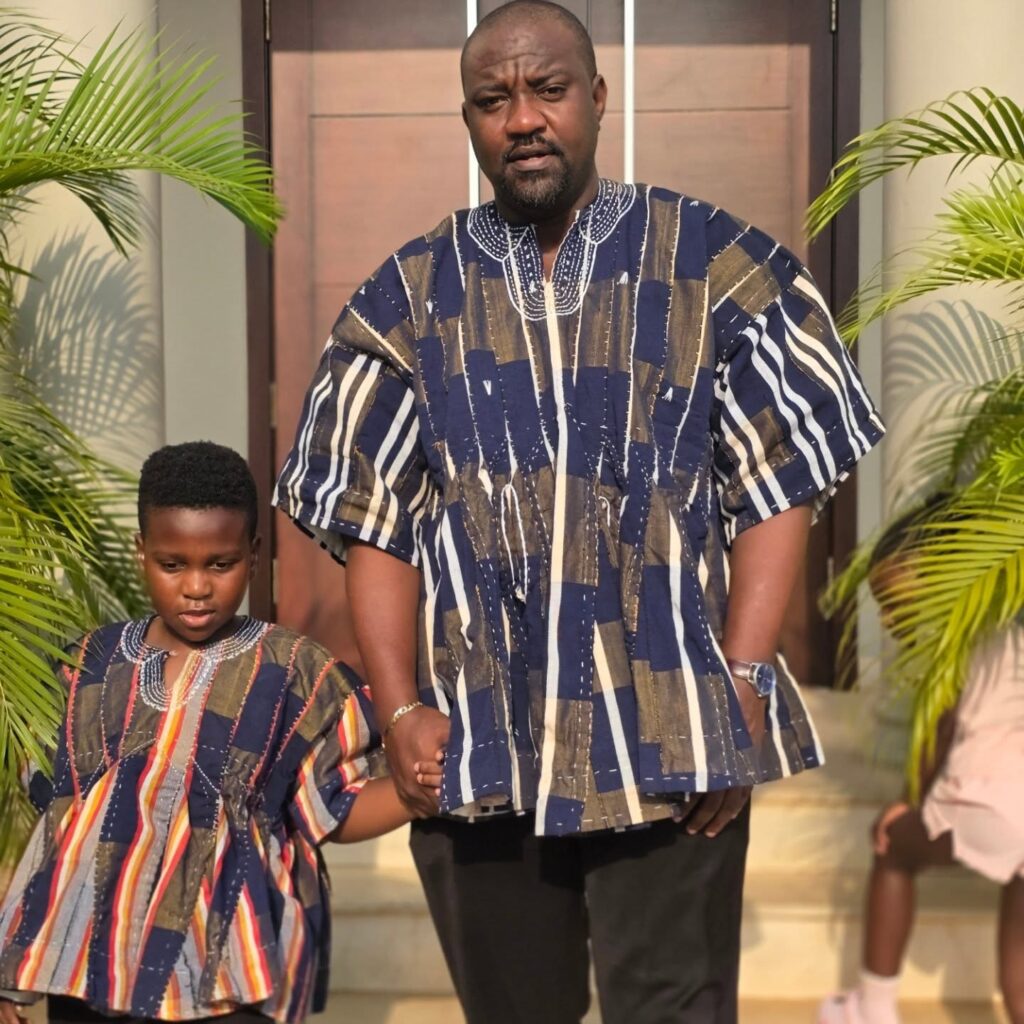







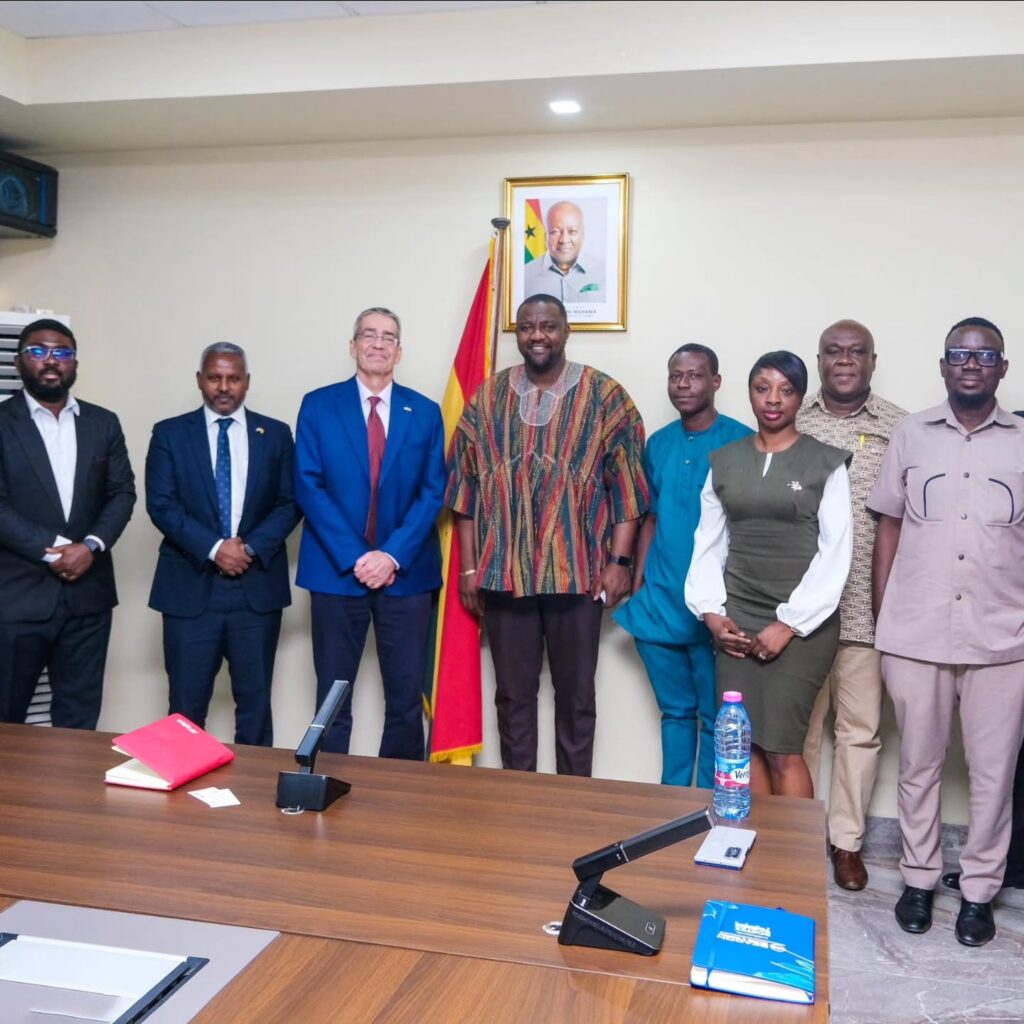






His style reflects his identity and national pride.
For him, fashion is more than just an appearance.
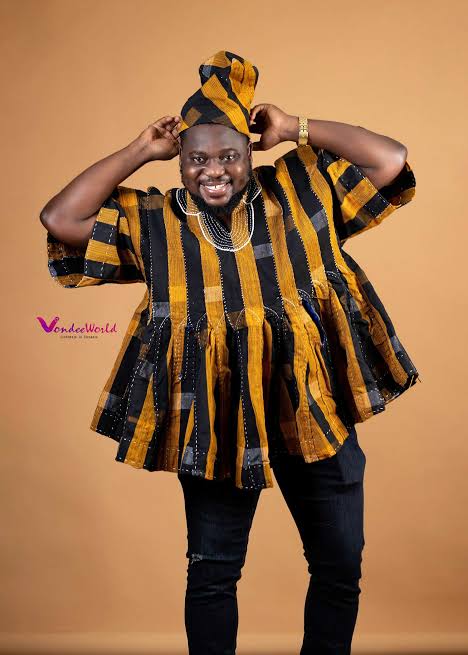
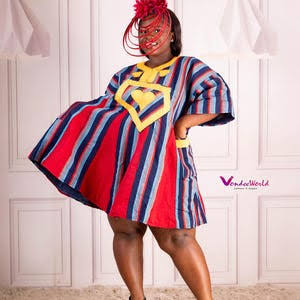
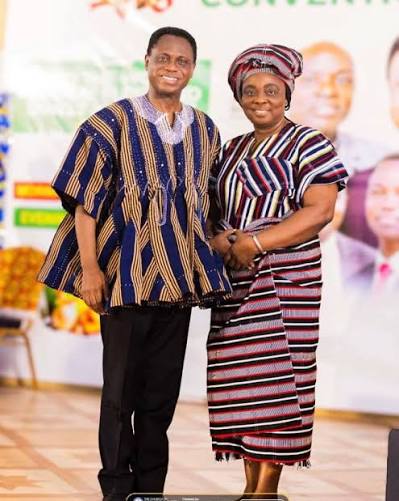
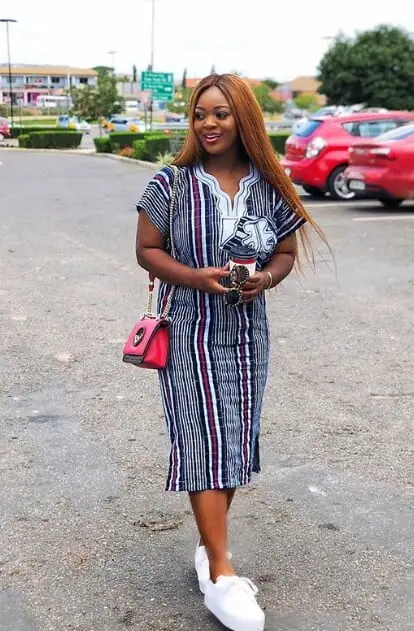
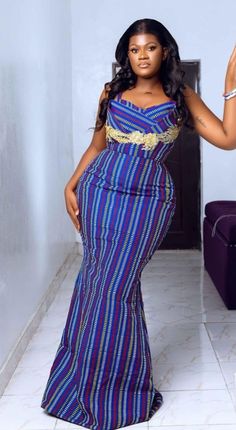
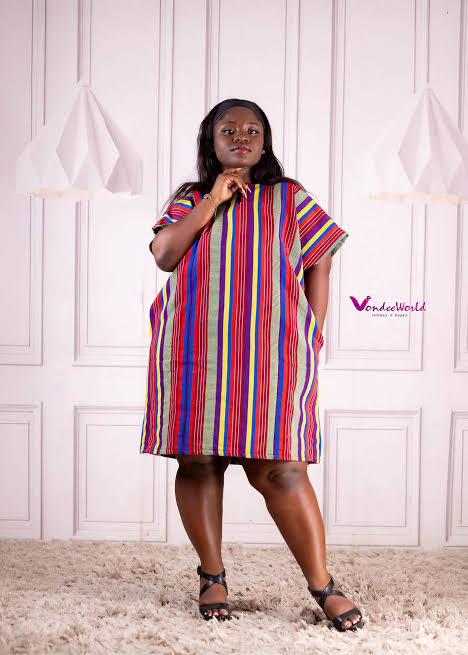
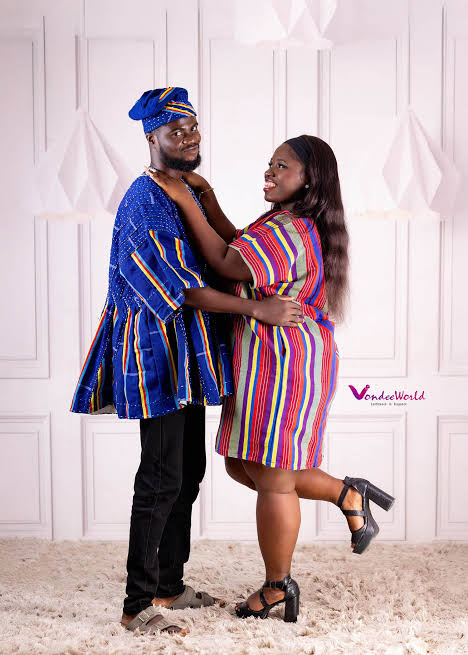
Once worn mainly by chiefs and people of Northern Ghana, Smock, the traditional attire has been redesigned for a new generation.
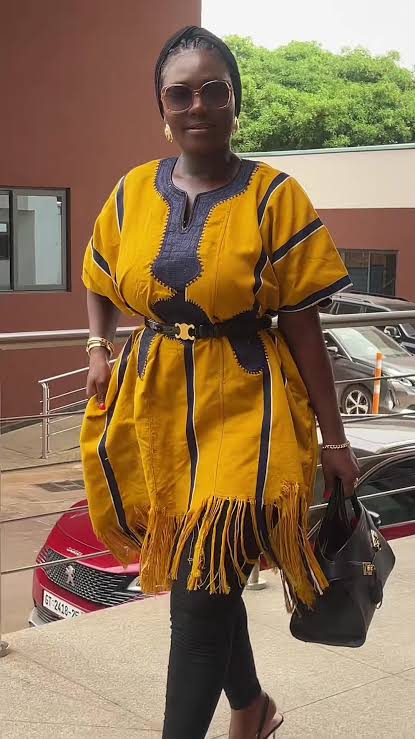
Today’s smocks come in modern cuts, bold colours, and fine embroidery, making them suitable for weddings, offices, and casual outings.
Designers and weavers are transforming traditional smock with contemporary cuts, vibrant colours to appeal to all ages.
Each piece reflects hours of handwork and generations of skill. The Smock continuous to be a timeless wear for casual and corporate