Nutrition
Dietary management of memory loss


- /home/u249204778/domains/spectator.com.gh/public_html/wp-content/plugins/mvp-social-buttons/mvp-social-buttons.php on line 27
https://spectator.com.gh/wp-content/uploads/2024/09/Chocolate.jpg&description=Dietary management of memory loss', 'pinterestShare', 'width=750,height=350'); return false;" title="Pin This Post">
- Share
- Tweet /home/u249204778/domains/spectator.com.gh/public_html/wp-content/plugins/mvp-social-buttons/mvp-social-buttons.php on line 72
https://spectator.com.gh/wp-content/uploads/2024/09/Chocolate.jpg&description=Dietary management of memory loss', 'pinterestShare', 'width=750,height=350'); return false;" title="Pin This Post">
Chocolate
In this new chapter, we will be discussing how we can manage memory loss with our diet.
Some people get more forgetful with age. It may take longer to learn new things, remember familiar faces and words as well as personal belongings.
Memory loss can be mild or serious. Serious memory lapses affect ability to do daily activities like driving, shopping, or handling of money among others.
Below are some pointers of serious memory loss;
●Asking the same questions over and over again
●Getting lost in familiar places
●Being unable to follow directions
●Getting very confused about time, people, and places
●Self-neglect such as eating poorly, not bathing, or being unsafe
See a doctor if you are worried about your memory lapses or those of a loved one. You also can do many things to make your memory last.
Research has shown a great improvement in memory loss with appropriate diet.
Foods to consume
●Foods rich in antioxidants (vitamins C, E, and beta carotene) such as; oranges, pineapples, blue berries and kiwi.
●Complex carbohydrates such as oatmeal, brown rice, and wheat bran.
●Epicatechin rich foods such as; grapes, blueberries and chocolate.
●Iron rich foods such as; beans, fortified cereals, nuts, and soy bean.
●Monounsaturated fatty acid rich foods such as almonds, avocado, and walnuts.
Lifestyle modification
●Having hobbies
●Getting pets
●Spending time with friends, family and loved ones.
●Joining support groups
●Reduce alcohol intake
●Cessation of smoking
In conclusion, our memory largely makes us who we are; imagine not remembering your own name! We can stray farther away from such a fate by applying the diet and lifestyle above, so that we can always remember who we are and who/what we love.
The writer Dr. Bernice Korkor Asare is the CEO of Holistic Health Consult.
“Your diet your health, your health your wealth”
E-mail: info@holistichealthconsult.org


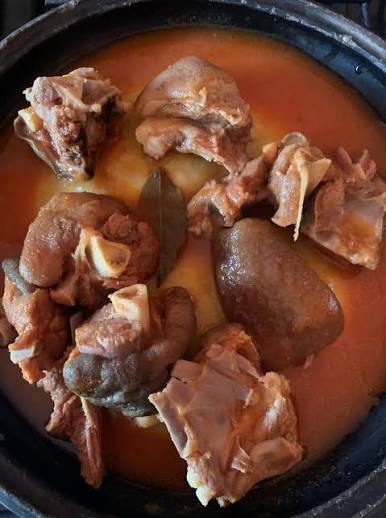
Ingredients
-2 pounds of goat meat
-3 large tomatoes
-3 large onions
-1 large carrot
-Salt to taste
– ¼ garlic
-4 fresh garden eggs
-Pepper
-2 fresh onions
-4 tablespoonfuls of tomatoe paste
Preparation
– Wash goat meat in clean water and set aside
-Blend ginger, garlic, onion and tomatoes
-In a pot containing the meat, pour the blended mixture and allow it to cook for sometime
-Add the tin tomato paste, salt, with more water, cover and cook for about 10 minutes
-Place carrot, garden eggs, pepper into a clean pot and pour 1 cup of water into the pot and bring to boil
-Blend cooked carrot, garden eggs, pepper and pour it into the meat and add more water
-Allow to boil for about 5 minutes
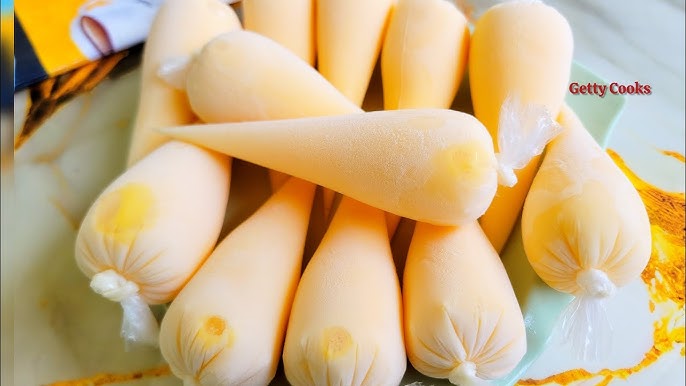
Ingredients
-4 tablespoons Cowbell milk powder
-2 cups of fresh milk
-1 cup of condensed milk (sweetened)
-2 tablespoons of vanilla custard powder
-1 teaspoon of vanilla essence
-Optional: Sugar (only if you want extra sweetness, since condensed milk is already sweet)
Preparation
-Mix the custard base in a small bowl to dissolve the custard powder in ½ cup of cold milk to make a smooth paste
-Cook the custard, heat the remaining milk in a saucepan
-Stir in the Cowbell milk powder until fully dissolved
-Add the custard paste and cook on low heat, stirring continuously until it thickens slightly
-Remove from heat and stir in the condensed milk
-Add vanilla essence for flavour
-Taste and adjust sweetness if needed
-Let the custard mixture cool to room temperature
-Cover and refrigerate for at least 3–4 hours (overnight is best).
-Pour into a container, and freeze
-Scoop into bowls or cones and enjoy your homemade custard ice cream.