Hot!
Don’t demonise African traditions, religion

- /home/u249204778/domains/spectator.com.gh/public_html/wp-content/plugins/mvp-social-buttons/mvp-social-buttons.php on line 27
https://spectator.com.gh/wp-content/uploads/2024/03/Black-History-Month.jpg&description=Don’t demonise African traditions, religion', 'pinterestShare', 'width=750,height=350'); return false;" title="Pin This Post">
- Share
- Tweet /home/u249204778/domains/spectator.com.gh/public_html/wp-content/plugins/mvp-social-buttons/mvp-social-buttons.php on line 72
https://spectator.com.gh/wp-content/uploads/2024/03/Black-History-Month.jpg&description=Don’t demonise African traditions, religion', 'pinterestShare', 'width=750,height=350'); return false;" title="Pin This Post">
Kwame Akoto Bamfo
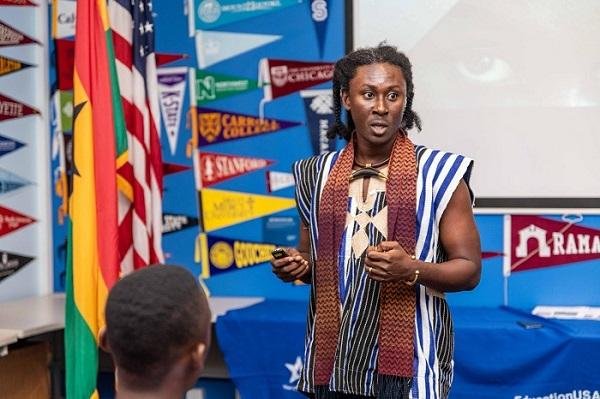
A Ghanaian Sculptor and Cultural Activist, Kwame Akoto Bamfo has urged Black people to stop demonising African traditions and religions.
“We must rather striveto encourage tolerance to foster development,” he said.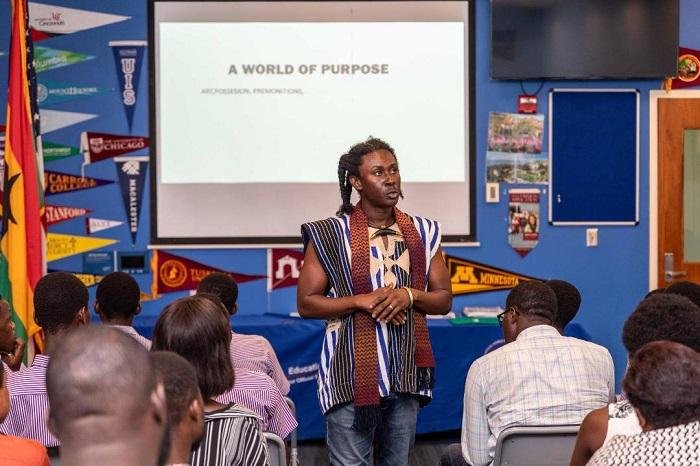
In a presentation to climax the Black History Month celebrations by the U.S Embassy in Accra which ended in February this year, he said, there was a lot in black people and Africans, hence the need to be tolerant with one another and undemonise African tradition and religion.
His presentation was themed, “Through the Eyes and Hands of the Mounted Abstract: A look at the ‘Image’ of African Traditional Religion and Arts during and after the Trans-Atlantic Trade.”
According to him, “We need to learn to see our own through our own lenses. Let’s be tolerant with each other, engage with traditionalists and find out the truth,” he stated.
Kwame Bamfo said it was wrong for people to be called demon because of the beliefs and practices as that could cause disturbances in the country.
“Let us give ourselves time to see the benefits of religious tolerance and desist from discriminating against our own people,” he stated.
“We must respect each other’s culture and most importantly not look down on our own and stop the unnecessary friction. We need to start questioning anything that would let us not accept another African and make one feel less of a person,” he said.
He added that, Africans can be better and provide adequate services without getting educated through the European system.
“We have reduced craftsmanship and excellence to education and everything we do have to be filtered through European eye and language,” he stated.
“We need to demystify knowledge and intelligence which is not measured by how best you can speak English but rather a matter of problem solving,” he added.
“If we uphold our language and traditional systems, we would be better as a people. We could have access to intelligent craftsmen and pay less for it. We are currently misusing our human resources,” he stressed.
He said, there were very intelligent individuals who could not survive since they could not afford education or the educational system was not favourable to them.
“It is about time, the educated class or elites give way to traditional language and belief systems for our own good,” he stated.
The event brought together students from the Pentecost University College, Achimota Senior High School, Accra Girls Senior High School, Oreilly Secondary School, UNIMAC-NAFTI and Holy Trinity Cathedral Senior High School.
The Black History Month is marked every February to honour the contributions of African- Americans who have shaped the history, culture, character and diversity of the United States of America (USA).
By Michael D. Abayateye


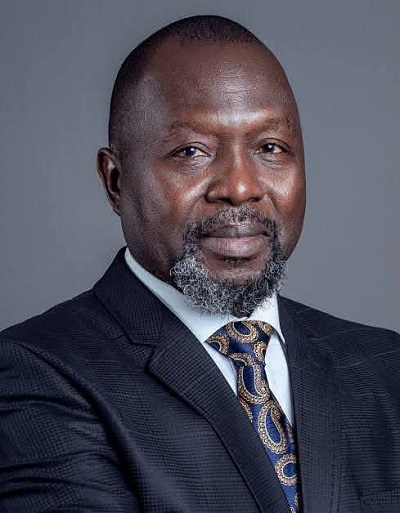
Attorney General and Minister for Justice, Dr. Dominic Ayine, has announced that the government has accepted the recommendation to abolish the death penalty and replace it with life imprisonment as part of the constitutional review process.
He said the proposed amendment would affect Articles 3, 13, 19 and 72 of the 1992 Constitution, with offences that previously attracted the death penalty instead carrying life imprisonment.
Dr. Ayine made the announcement on July 30, 2026, at the Jubilee House in Accra during the Government Accountability Series while outlining the government’s position on the final recommendations of the Constitution Review Committee.
According to him, the government believes the death penalty is inconsistent with the constitutional right to life and Ghana’s international human rights obligations.
He explained that the recommendation forms part of broader proposals aimed at strengthening the protection of fundamental human rights under the Constitution.
Dr. Ayine said the government had also accepted the spirit of several recommendations to expand rights relating to women, children, persons with disabilities, older persons and the youth.
He added that a comprehensive Human Rights Act would be introduced to protect these rights and provide detailed enforcement mechanisms instead of amending the entrenched provisions of the Constitution through a national referendum.
By: Jacob Aggrey
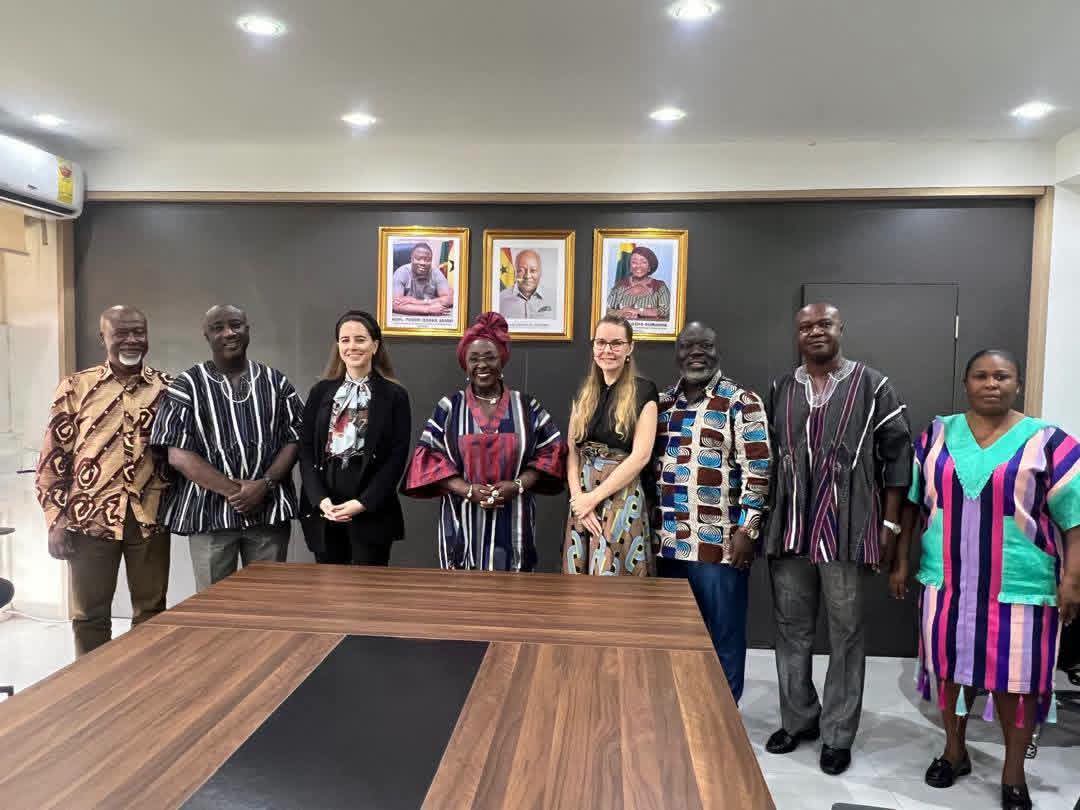
Minister for Tourism, Culture and Creative Arts, Abla Dzifa Gomashie, has called on both local and international investors to tap into opportunities in Ghana’s tourism, hospitality and creative industries.
Speaking in an interview yesterday with World Media USA Today, the Minister said government is committed to creating a conducive investment environment to support growth in the sector.
She highlighted key investment areas including hotels, fashion, music, film production, and tourism infrastructure.
Dzifa Gomashie also encouraged Ghanaians to invest in domestic tourism to help boost the local economy.
According to her, strategic investment in tourism and the creative economy will drive economic transformation, create jobs, and position Ghana as Africa’s gateway for heritage, culture, business and investment.
“Ghana has vast opportunities across tourism, hospitality and the creative industries. We are ready and open for business,” she stated.
The Minister’s remarks come as government intensifies efforts to leverage culture and tourism as drivers of economic growth and job creation.
By Edem Mensah-Tsotorme