Fashion
No skin: Moesha Boduong steps out in gorgeous photos


- /home/u249204778/domains/spectator.com.gh/public_html/wp-content/plugins/mvp-social-buttons/mvp-social-buttons.php on line 27
https://spectator.com.gh/wp-content/uploads/2020/06/Bbrk9kpTURBXy8zOGM4MmYxY2Q4MWE0OGUzZTFlYjkyZmY4M2I0OTZjYi5wbmeSlQLNAxQAwsOVAgDNAvjCw4GhMAE.jpg&description=No skin: Moesha Boduong steps out in gorgeous photos', 'pinterestShare', 'width=750,height=350'); return false;" title="Pin This Post">
- Share
- Tweet /home/u249204778/domains/spectator.com.gh/public_html/wp-content/plugins/mvp-social-buttons/mvp-social-buttons.php on line 72
https://spectator.com.gh/wp-content/uploads/2020/06/Bbrk9kpTURBXy8zOGM4MmYxY2Q4MWE0OGUzZTFlYjkyZmY4M2I0OTZjYi5wbmeSlQLNAxQAwsOVAgDNAvjCw4GhMAE.jpg&description=No skin: Moesha Boduong steps out in gorgeous photos', 'pinterestShare', 'width=750,height=350'); return false;" title="Pin This Post">
Ghanaian actress and photo model looks more gorgeous when she refuses to show skin.
Knowing who Moesha is, showing skin on social media whether it is a bikini shoot or extremely or short dress is not difficult but anytime she goes skinless, she definitely stuns us.
The model stepped out today and she is breaking the internet with her no skin outfit.
Adorned in floor-sweeping white apparel, the actress won our hearts with her simple cornrow hairstyle, flawless makeup and her infectious smile.
Moesha is a great style influencer and she is inspiring us with her looks today.
pulse.com


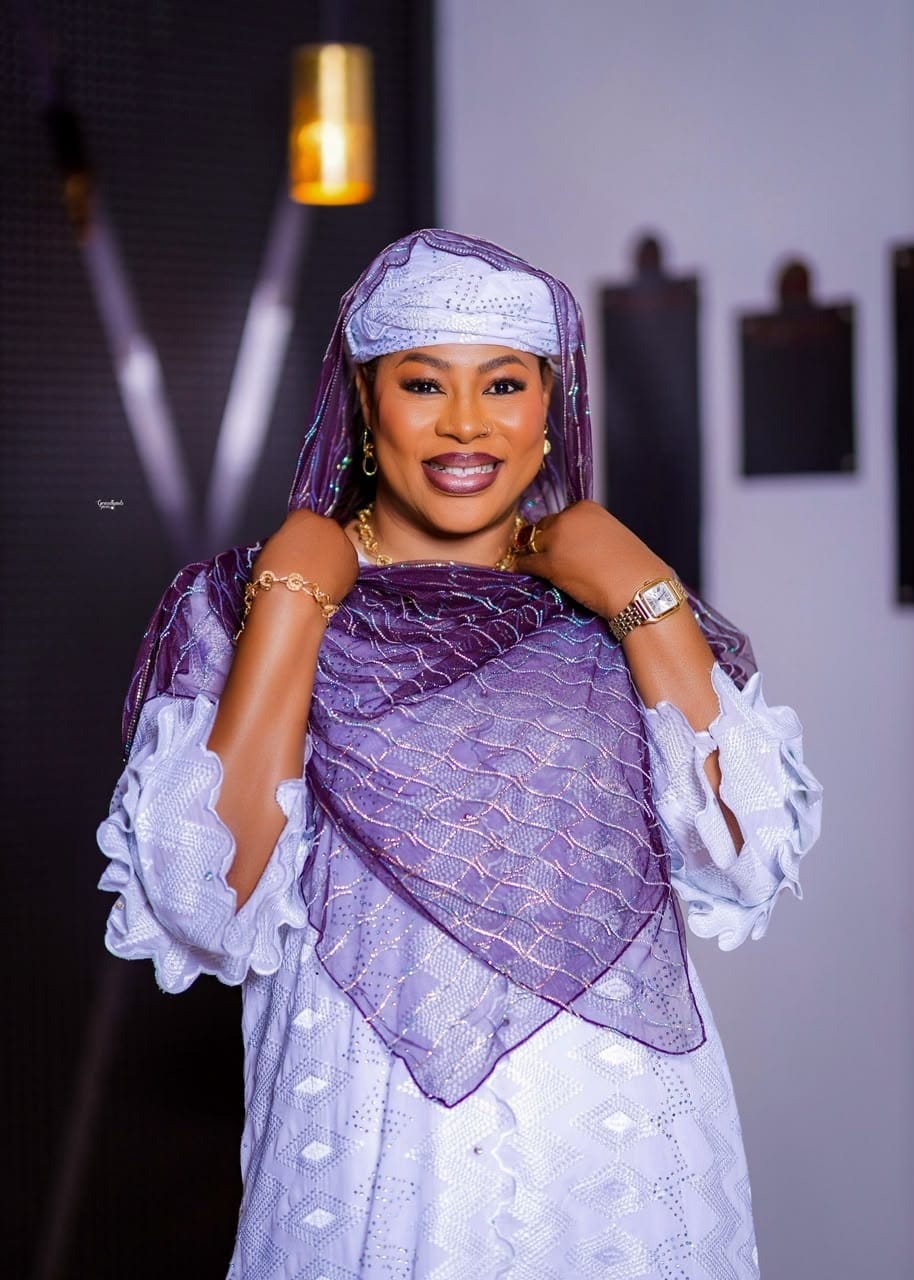
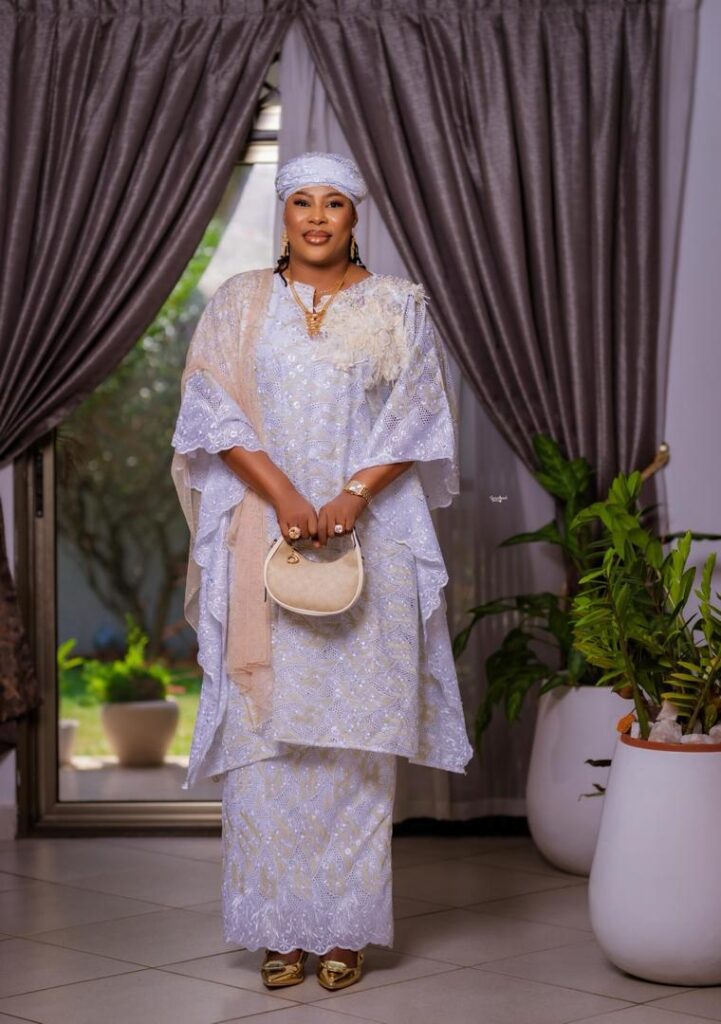
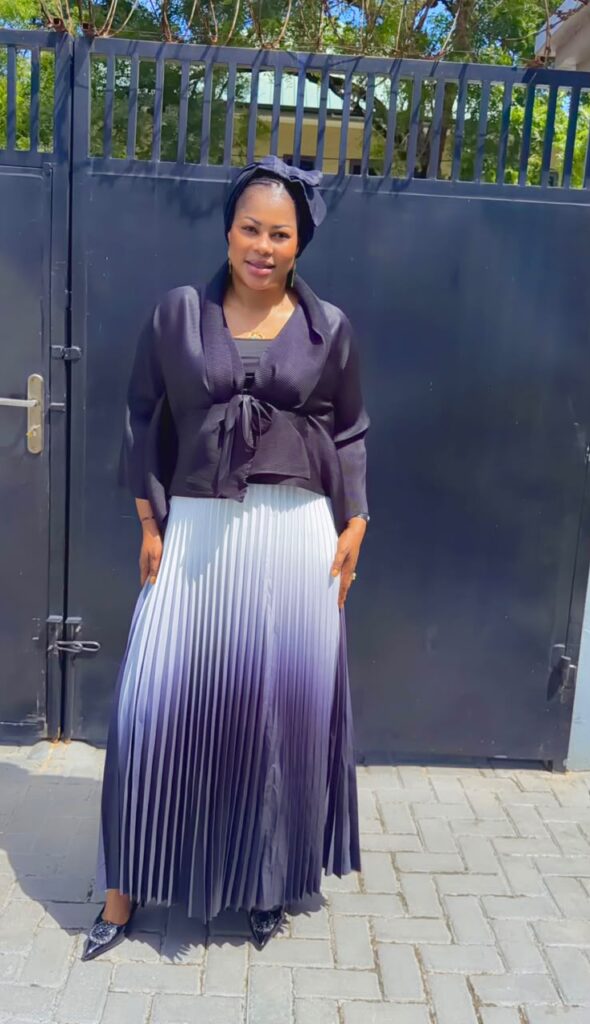
Adiza Ibrahim, is proving what it means to be a modern style icon in Ghana. By day, she commands corporate rooms as a top marketing executive as well as a fashion consultant, boutique owner, and lifestyle strategist.
Her signature looks proves that modesty and high fashion belong on the same runway. She has consistently demonstrated elegance, confidence and a refined sense of fashion in both modern and traditional style.
Adiza is not just a consumer of fashion; she is a critic and an educator. She actively pushes local designers to elevate their craft.
For her, fashion is a tool that demonstrate your cultural identity and make you hold onto your national pride.
Check out some of her outfits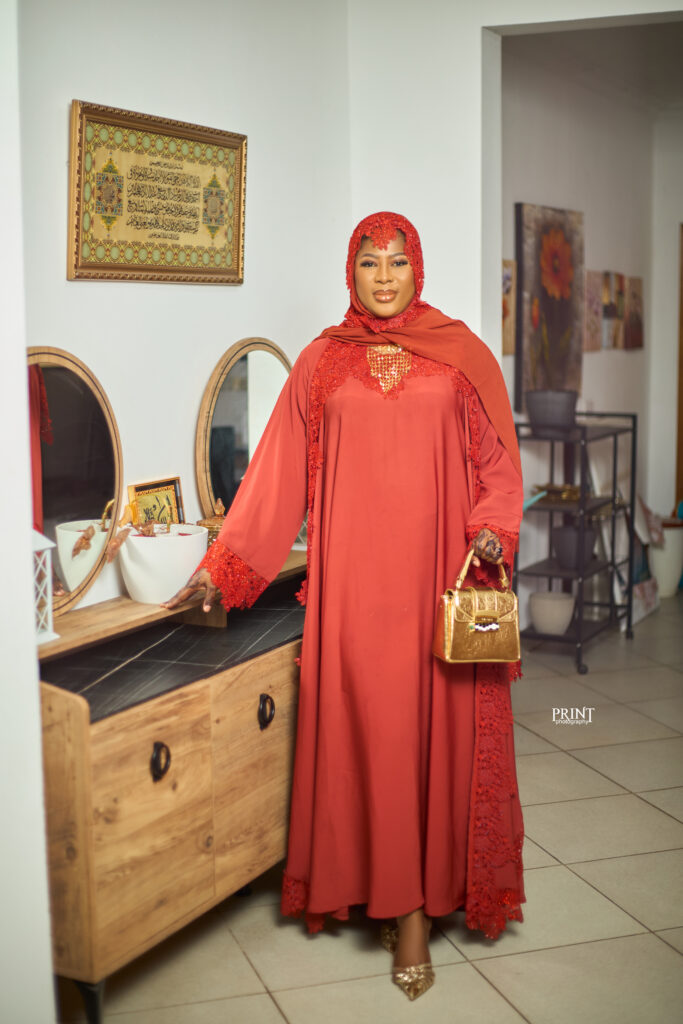
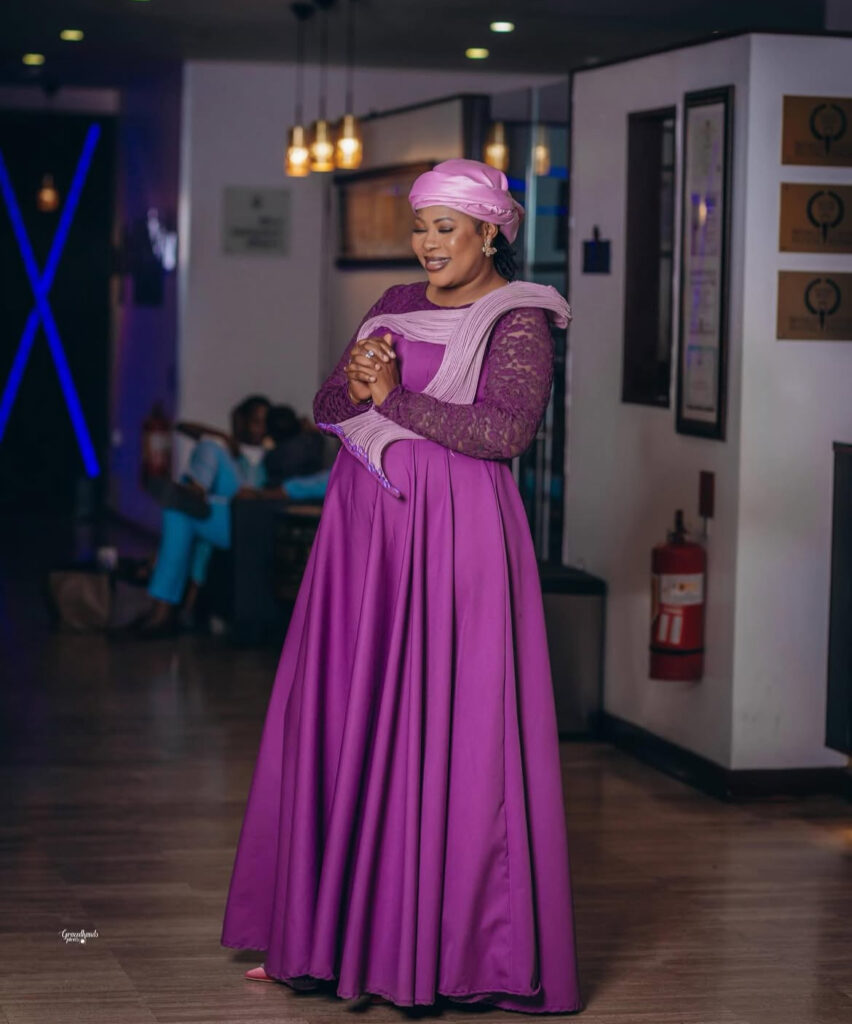
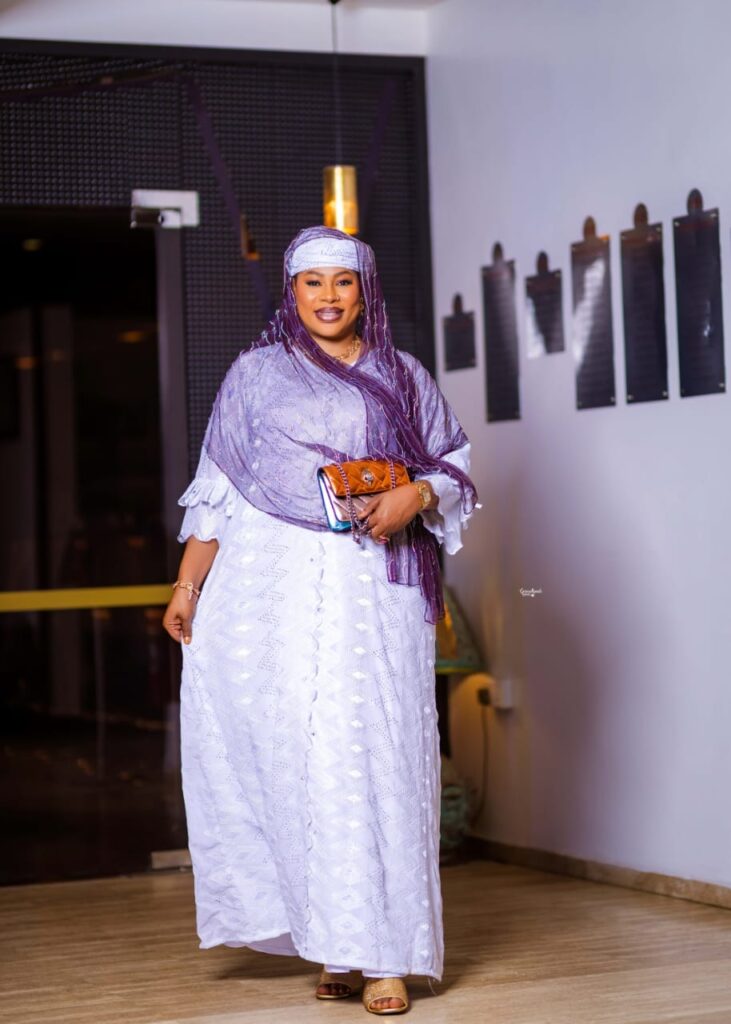
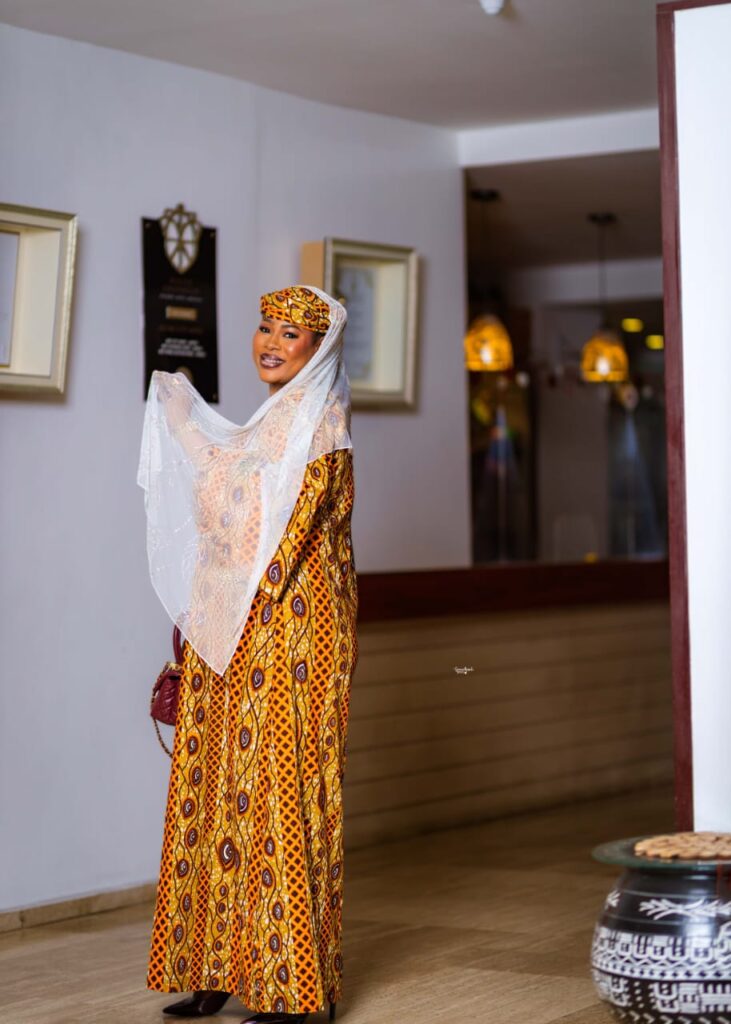
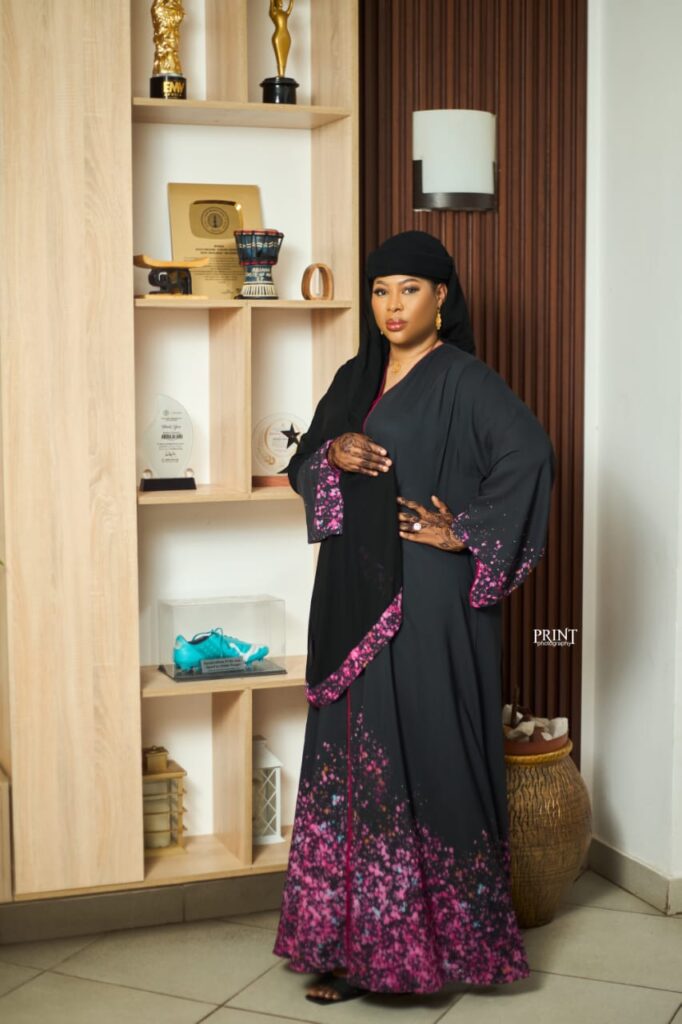
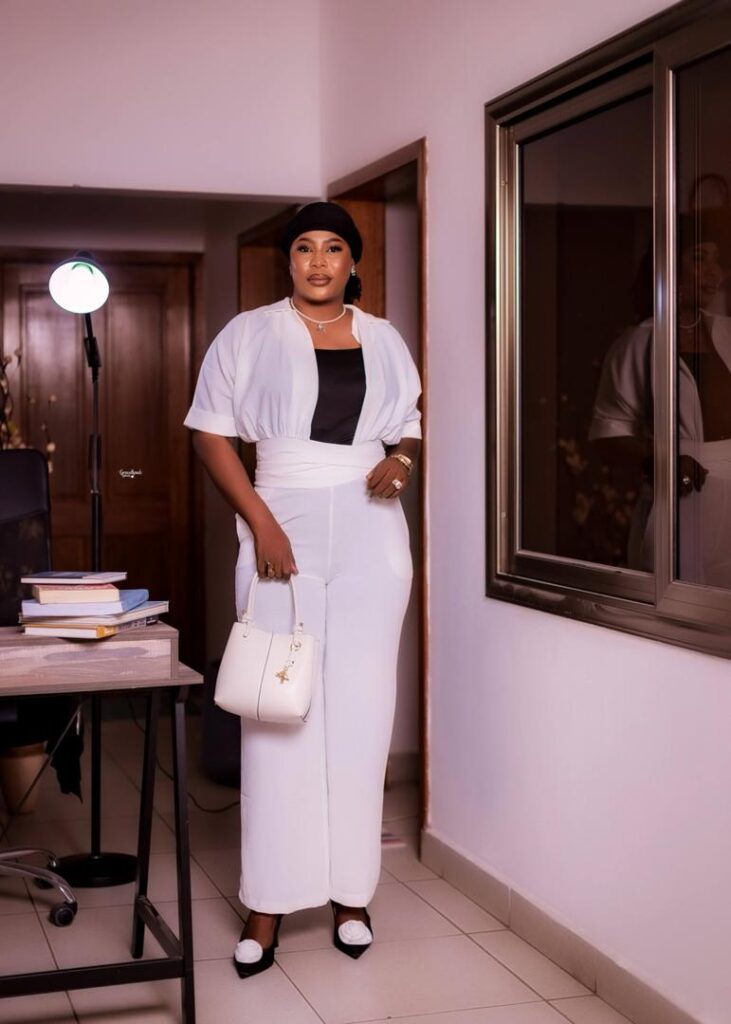
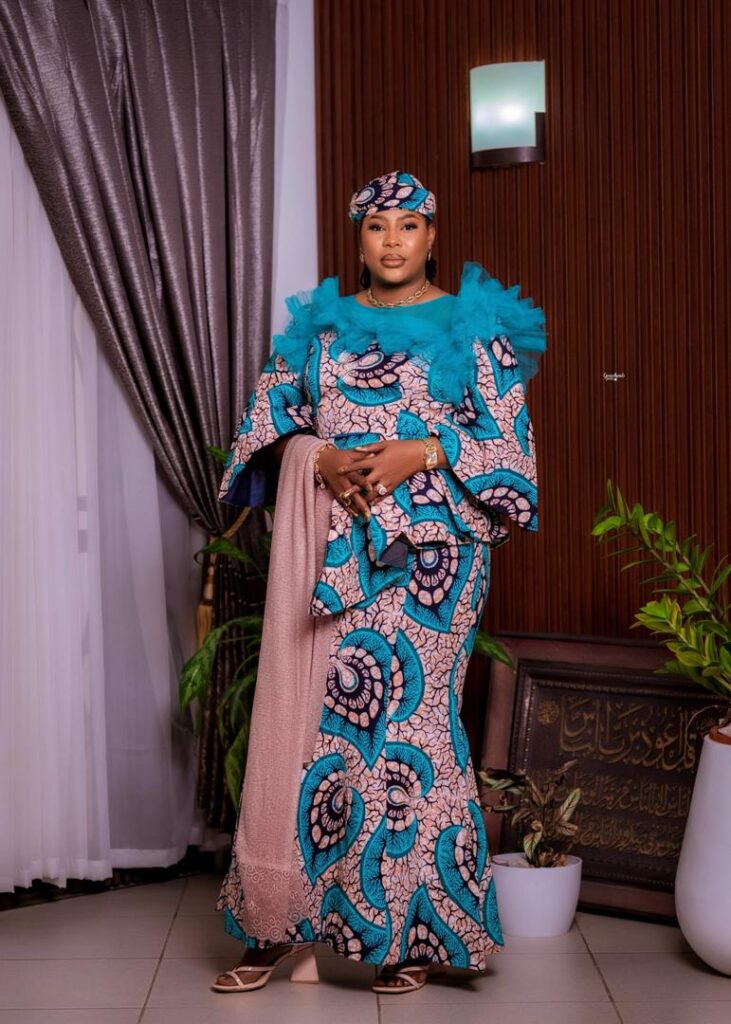
By Desmond Aidoo
SKIP THE QUEUE, TAP THE NEWS
You can now read the Ghanaian Times and The Spectator newspapers from the comfort of your device via TimesNewsPlus.
Join our WhatsApp Channel: https://whatsapp.com/channel/0029VbBElzjInlqHhl1aTU27
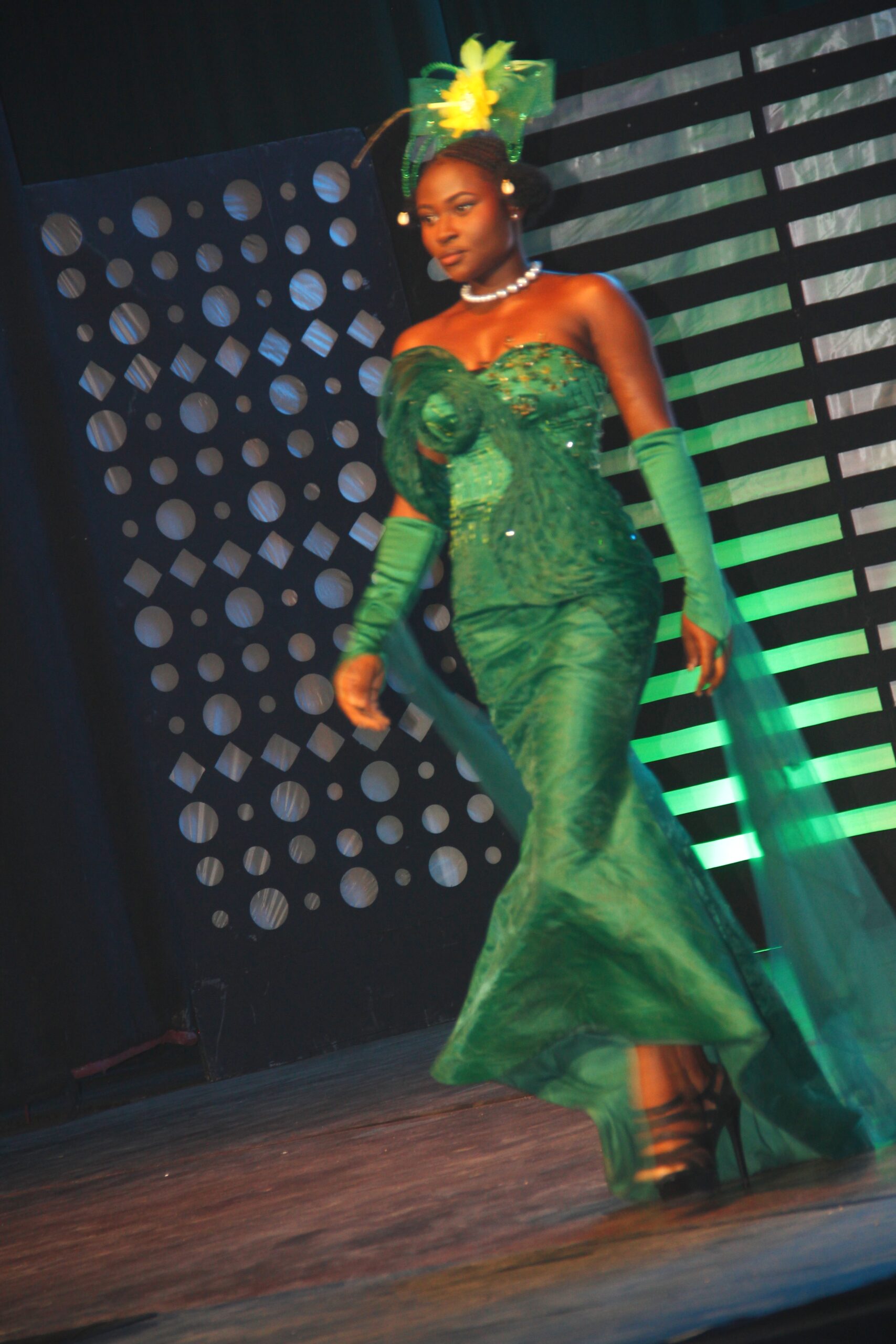
Final-year students of the Accra Technical University (ATU) Department of Fashion Design and Textile Technology on Friday showcased their creativity and craftsmanship in Accra.
The annual event held under the theme: ‘Wear Your Culture: Tradition Meets Modernity,’ saw 366 students showcased various designs as part of their final year practical work.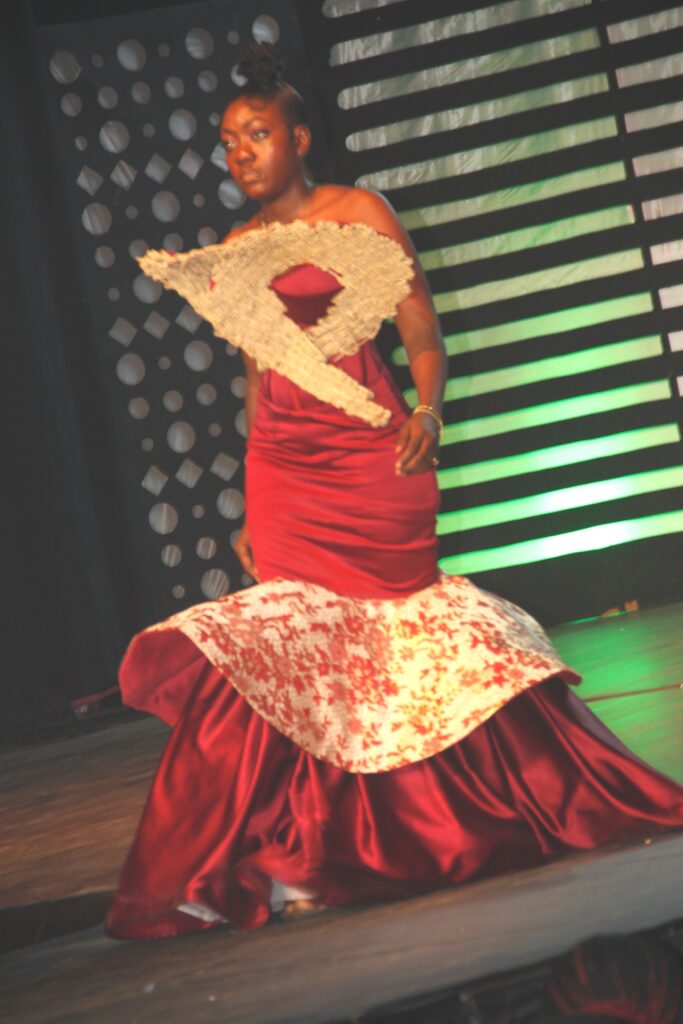
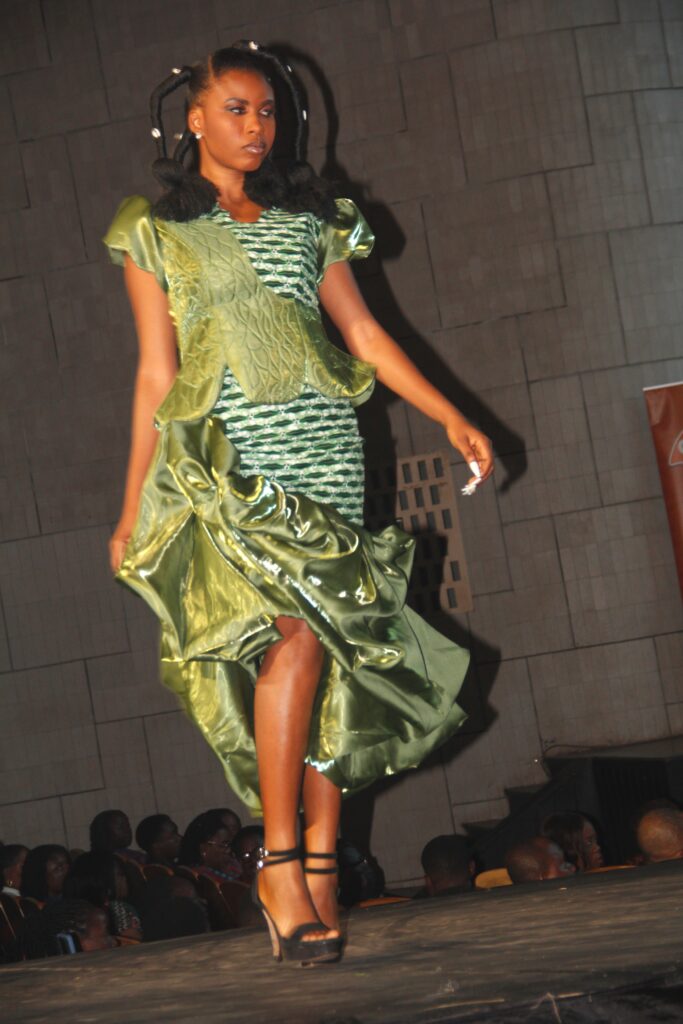
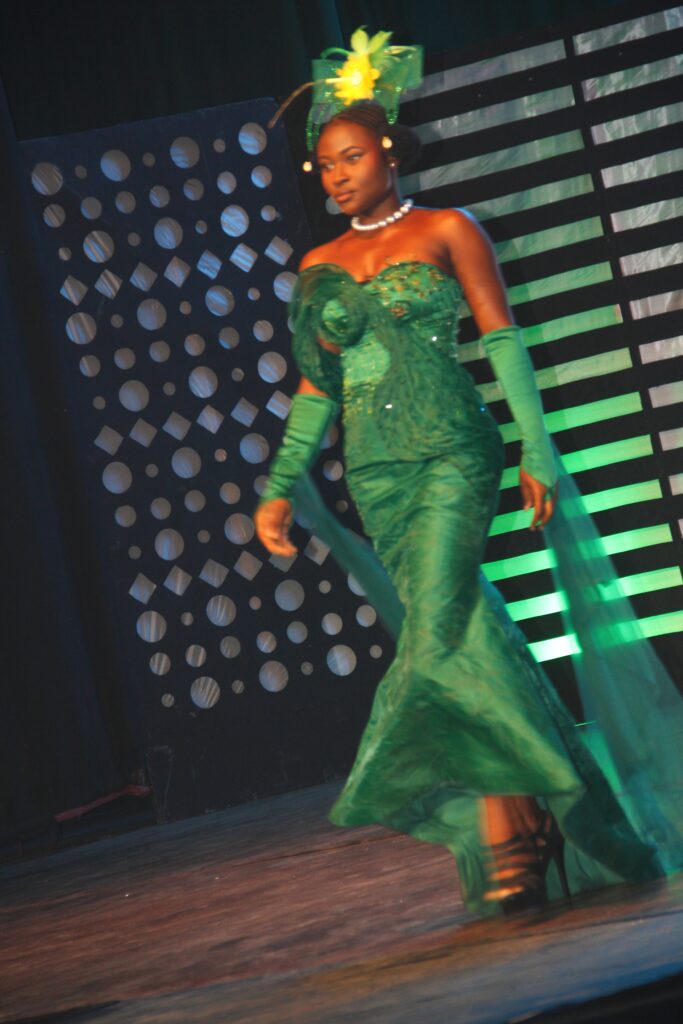
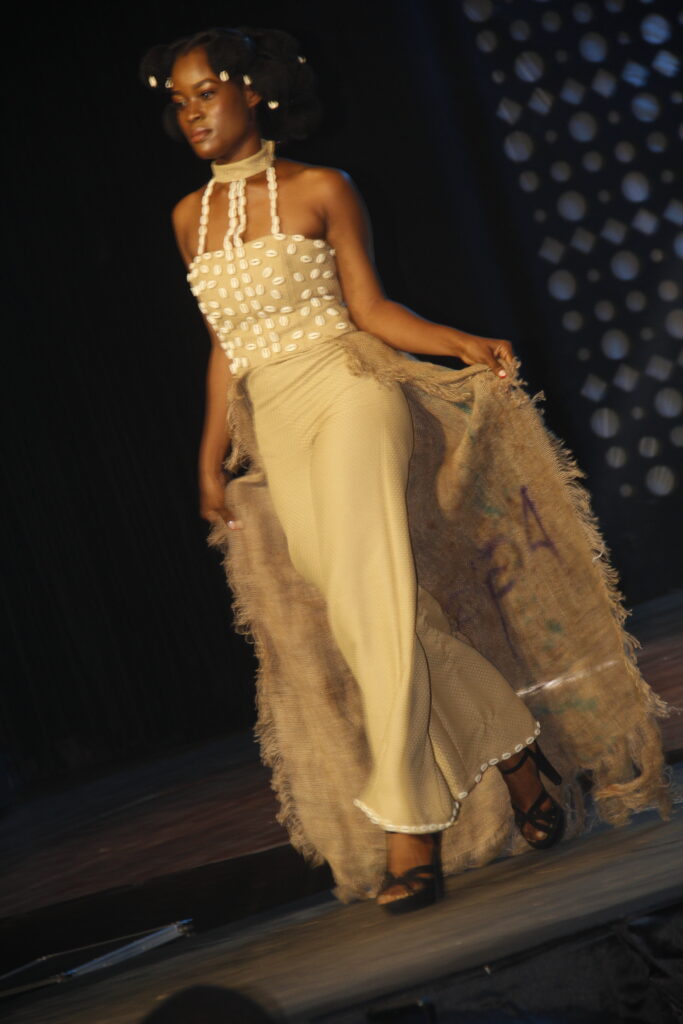
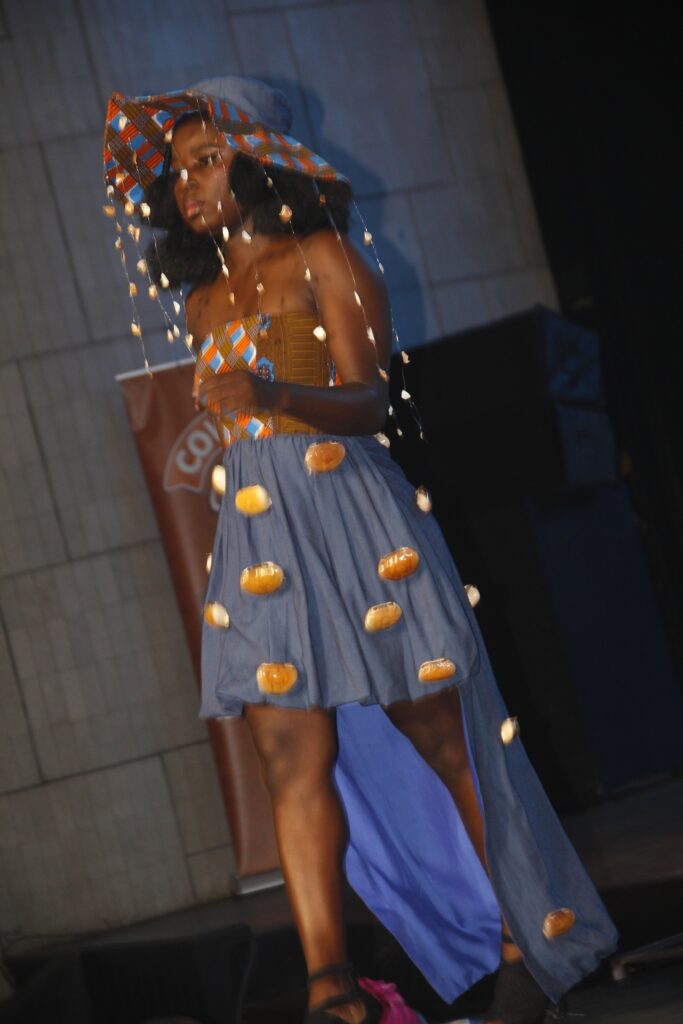
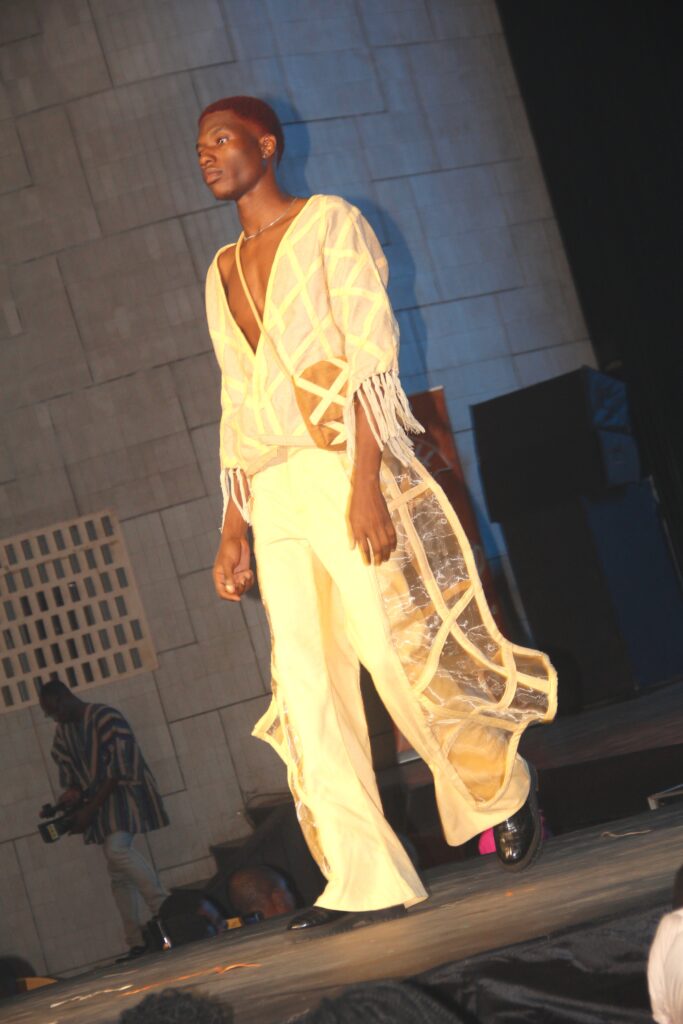
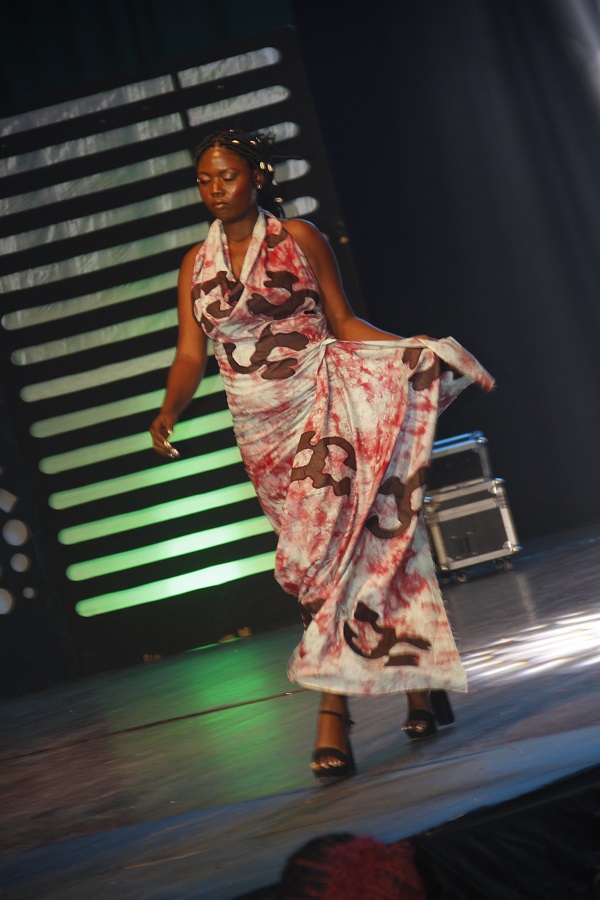
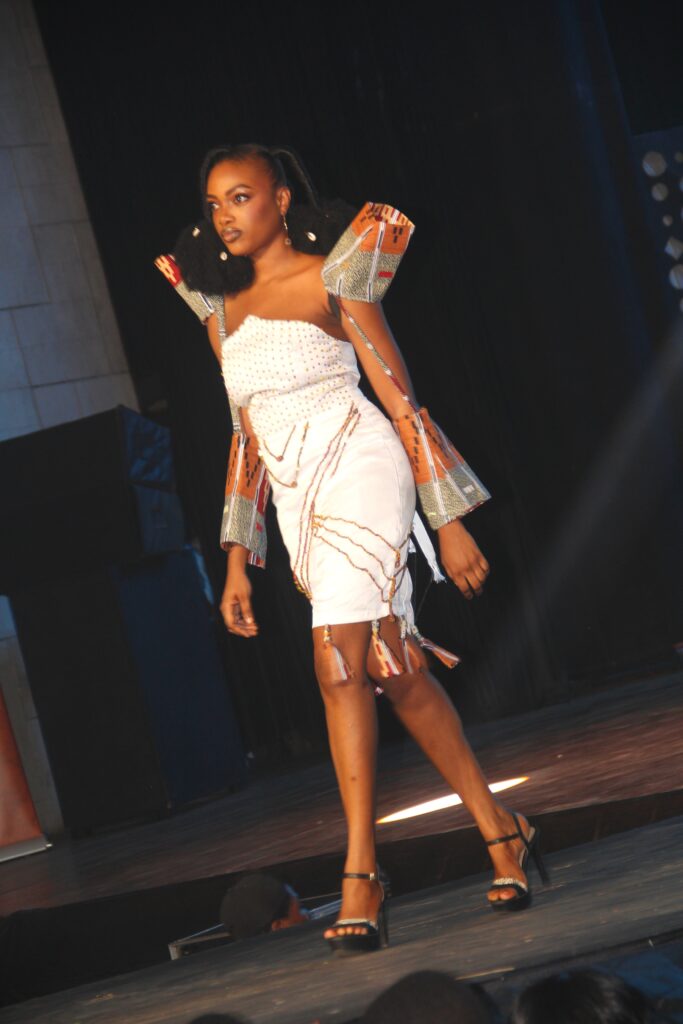
Dean of the Faculty of Applied Arts, Professor George Agyei Osei, explained that the exhibition provided students with an opportunity to demonstrate the skills and competencies they have acquired throughout their training.
Vice Dean of the Faculty of Arts and former Head of Department of Fashion and Textile Technology, Dr Mrs Emma Donkor, said this year’s cohort comprised 366 students, with each student producing four designs, one of which was exhibited at the school’s auditorium while three were presented during the fashion show.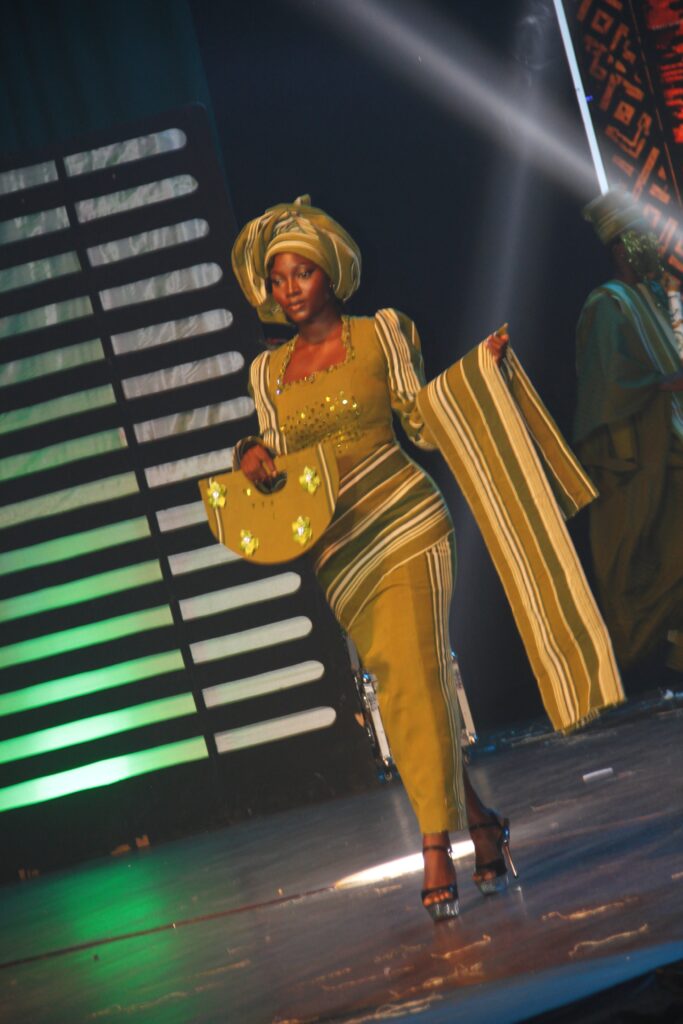
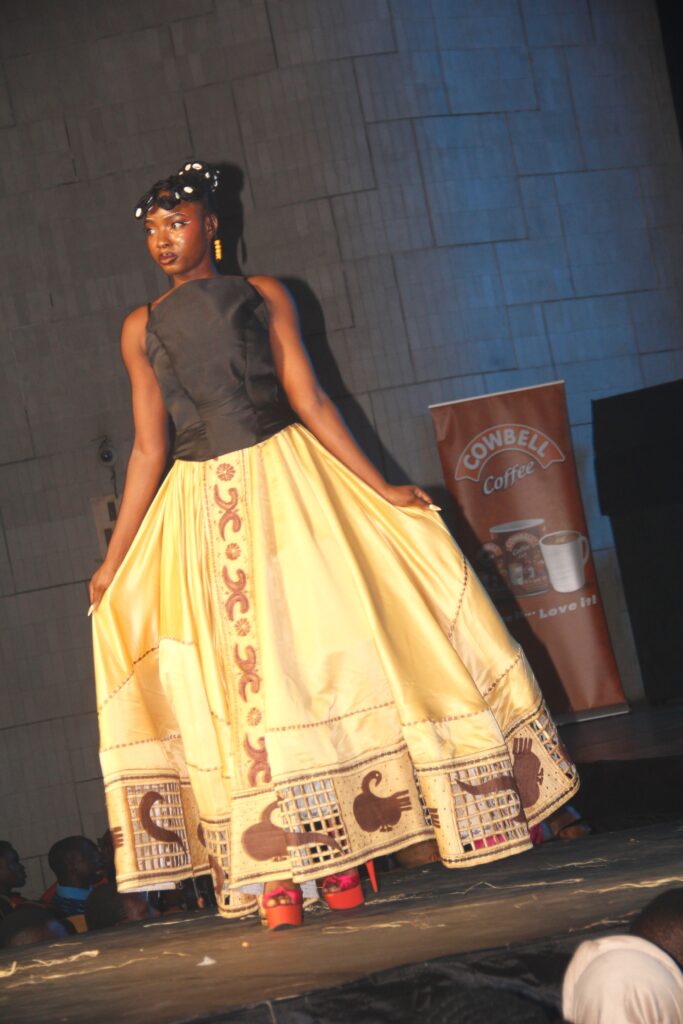
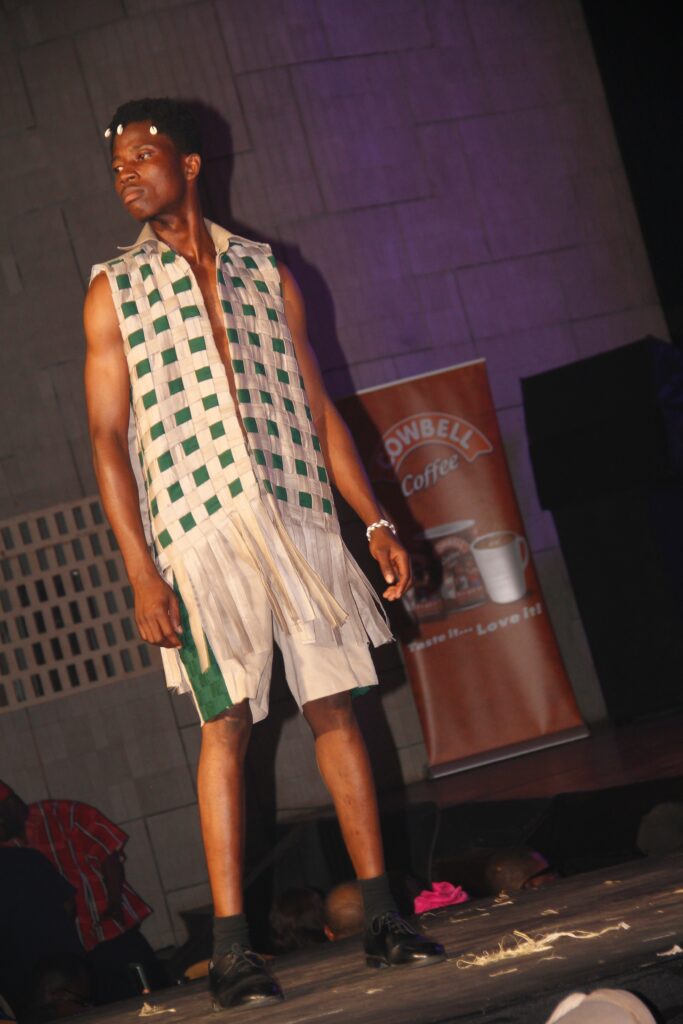
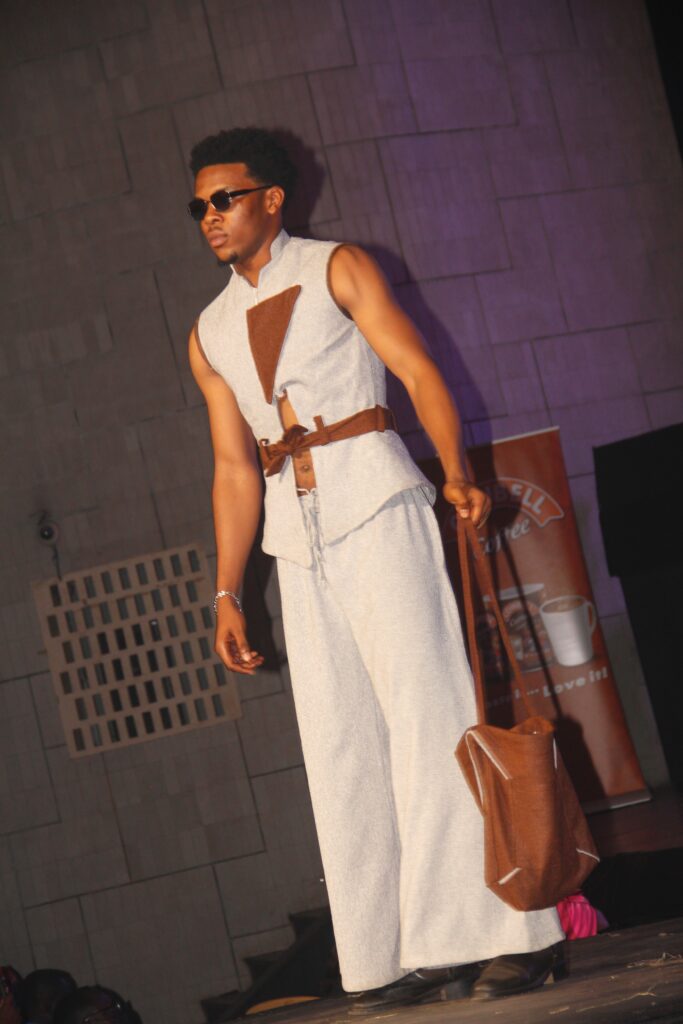
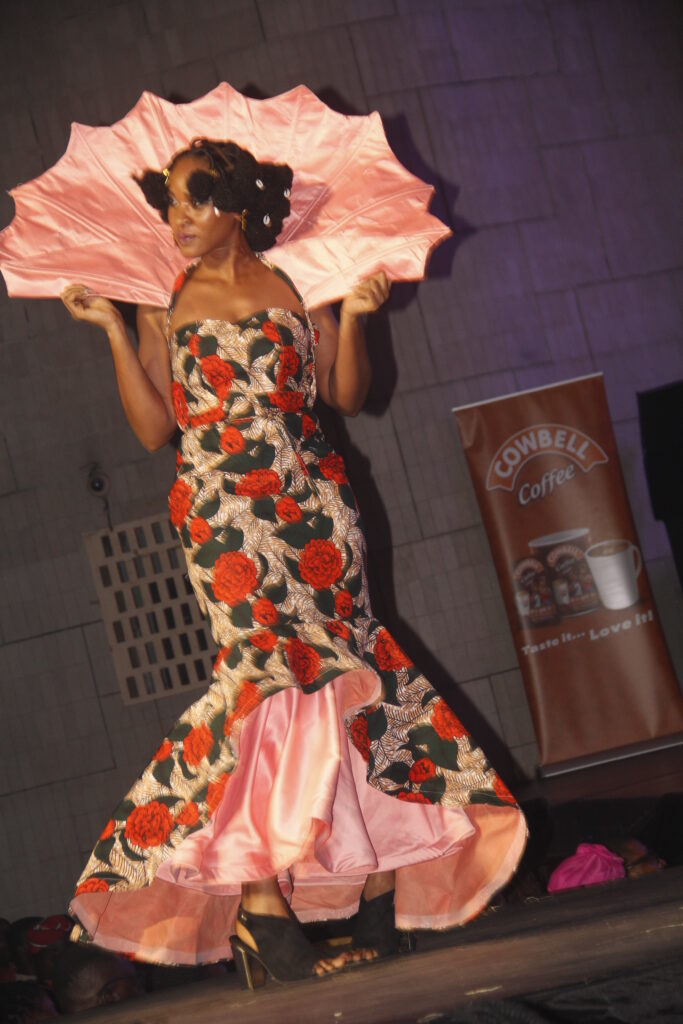
Mrs Donkor encouraged graduating students to build their businesses gradually, noting that a sewing machine and a small workspace could provide the foundation for a successful fashion enterprise.
One of the graduating students, Philipa Adu, said the theme was a reminder to designers not to blindly imitate Western fashion at the expense of African culture.
By Linda Abrefi Wadie