News
Farmers laud AngloGold Iduapriem Teberebie Vegetable Project


- /home/u249204778/domains/spectator.com.gh/public_html/wp-content/plugins/mvp-social-buttons/mvp-social-buttons.php on line 27
https://spectator.com.gh/wp-content/uploads/2020/06/AngloGold-Ashanti-1-Mr-Stephen-Adjei-right-presenting-cash-to-a-beneficiary.jpg&description=Farmers laud AngloGold Iduapriem Teberebie Vegetable Project', 'pinterestShare', 'width=750,height=350'); return false;" title="Pin This Post">
- Share
- Tweet /home/u249204778/domains/spectator.com.gh/public_html/wp-content/plugins/mvp-social-buttons/mvp-social-buttons.php on line 72
https://spectator.com.gh/wp-content/uploads/2020/06/AngloGold-Ashanti-1-Mr-Stephen-Adjei-right-presenting-cash-to-a-beneficiary.jpg&description=Farmers laud AngloGold Iduapriem Teberebie Vegetable Project', 'pinterestShare', 'width=750,height=350'); return false;" title="Pin This Post">
Beneficiaries of AngloGold Ashanti Iduapriem Mine’s Teberebie Vegetable Project in the Tarkwa-Nsuaem Municipality of the Western Region have lauded the mining company for the initiative,
Describing the project as successful, the farmers testified that it has boosted their income levels and also improved their livelihoods.
The Teberebie Vegetable Cooperative Project is part of other initiatives Iduapriem Mine is undertaking to respond to the increasing unemployment situation within its host communities.
The first phase which began in January 2018, involved 14 farmers, who cultivated vegetables including cabbage, green pepper, lettuce, carrot, cucumber among others and watermelon on an eight-acre land.
The next phase of the project will be expanded to cover 20 community farmers who are expected to cultivate vegetables on a 20-acre land.
A beneficiary, Mr Moses Hagor, expressed his gratitude for the mine’s support and urged the company to extend the project to cover many other farmers to boost their income levels in the Tarkwa -Nsuaem Municipality.
“For me this project has really been a blessing. I have been able to build a house from the sales I made. Mr Hagor revealed.
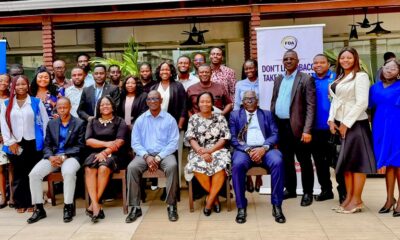
At a brief ceremony on Tuesday, to present GH¢40,000 being proceeds from sale of vegetables to the farmers, the Senior Manager – Sustainability of Iduapriem Mine, Mr Stephen Adjei, congratulated the farmers for the hard work and unrelenting effort in ensuring the success of the first phase of the project.
“Knowing the challenges that you faced in the beginning, I am extremely happy to see you succeed in this project. Indeed, I have no doubt that if you demonstrate the same zeal and commitment in the next phase, another remarkable success would be chalked.” he noted.
Speaking on behalf of the community, the Chief of Teberebie, Nana Kojo Minnah II, thanked Iduapriem Mine for the project and assured management of their unflinching support and cooperation.
He, however, advised the beneficiaries to invest their money wisely, work harder than before “and trumpet their success stories particularly to the youth.”
The Municipal Agriculture Officer of the Ministry of Food and Agriculture (MoFA), Mr Karol Senker, pledged his outfit’s readiness to partner Iduapriem Mine for such initiatives as they were in line with the government’s Planting for Food and Jobs Agenda.
He indicated that the MOFA would continue to provide the technical assistance and support to ensure the successful implementation of the full project cycle.
Source: Ghanaian Times



The Economic and Organised Crime Office (EOCO) has confirmed that Manhyia South MP and Senior Partner of Sarkodie, Baffour Awuah and Partners, Nana Agyei Baffour Awuah, voluntarily surrendered himself at its premises today.
In a statement release on Thursday October 1, EOCO said the MP reported at approximately 10 a.m. today to assist investigators with ongoing investigations.
“His appearance follows several months of efforts by the Office to secure his attendance before investigators,” the statement said.
EOCO said Baffour Awuah is being investigated over allegations relating to criminal conspiracy, financial loss to SIC Savings and Loans, money laundering, tax-related offences and other matters.
“The Office subsequently commenced the applicable investigative and operational procedures in respect of Mr. Baffour Awuah. In accordance with those procedures, Mr. Baffour Awuah was subsequently placed under arrest and is currently cooperating with investigators as the investigative process proceeds,” EOCO stated.
The Office assured the public that its investigations will progress professionally, independently and in accordance with due process.
“The Office will continue to pursue all relevant lines of inquiry, examine the available evidence and afford all persons involved their rights under the Constitution and applicable laws,” it added.
EOCO further urged the public to allow the investigative and judicial processes to proceed without speculation or premature conclusions about the culpability of any individual, adding that further information will be provided when it is appropriate and legally permissible to do so.
By Edem Mensah-Tsotorme
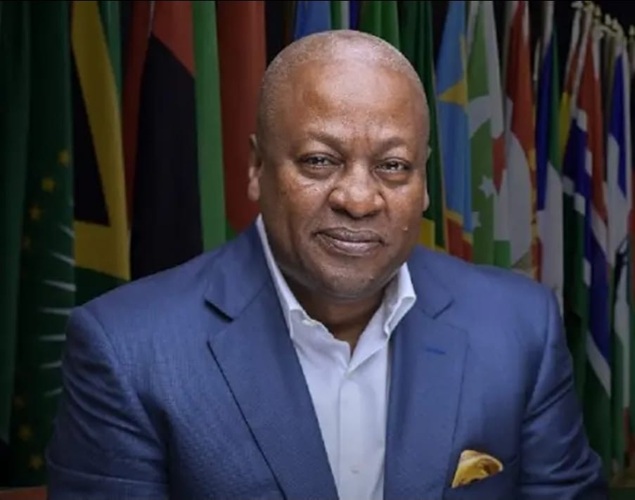
President John Dramani Mahama will be joining African heads of state, business leaders, investors and innovators shaping Africa’s next chapter, at the inaugural Alamein Africa Forum scheduled to take place from 2nd to 4th October 2026 in the historic city of Alamein on Egypt’s Mediterranean coast.
The three-day Alamein Africa Forum is established as a permanent African Business Forum to convene biennially in Egypt.
It is to become the continent’s premier gathering where political power meets entrepreneurial prowess, bridging the established engines of African growth with the new sectors defining its future.
Co-organised by the Government of Egypt, African Export – Import Bank (Afreximbank), the African Union and AUDA-NEPAD, it is expected to bring together more than twenty (20) heads of state and government representatives alongside business leaders, bankers and development institutions.
Ghana’s President, who on 23rd September 2026 declared Ghana is open for business in New York after ringing the ceremonial closing bell at the Nasdaq Stock Market will be leading the Ghanaian delegation, to include the Minister for Trade, Agribusiness, and Industry, Elizabeth Ofosu – Adjare, to the forum.
Other members of the Ghanaian delegation are the Head and Presidential Advisor for Ghana’s 24-Hour Economy and Accelerated Export Development Programme, Hon. Augustus Goosie Tanoh, Ghana’s Special Envoy to the Alliance of Sahel States, Colonel Larry Gbevlo – Lartey alongside key Ghanaian private sector players.
Bringing together leaders in politics, business and policy from across the continent, the Alamein Africa Forum will provide a unique opportunity to shape Africa’s growth agenda by aligning policy and investment priorities, mobilising partnerships for implementation and strengthening financing and investment pathways.
The private sector must become an integral part of Agenda 2063, the African Union’s strategic fifty-year masterplan to transform the continent. The private sector is the core economic engine required to turn the African 2063 from an aspirational government roadmap into realized infrastructure, jobs, and value-added trade.
By Chris KONEY