Features
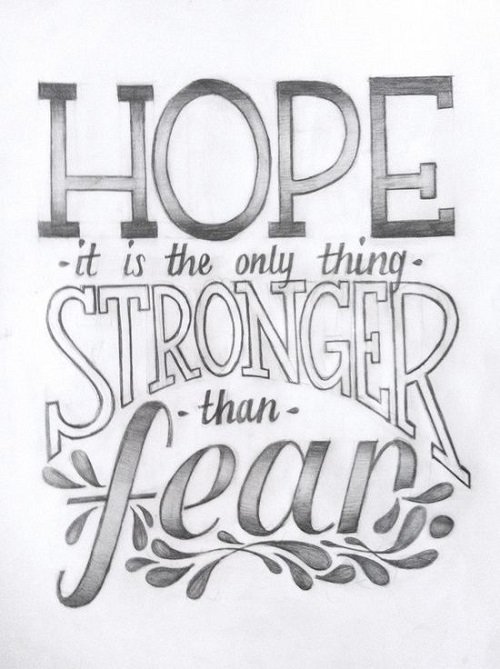
Hope is better than fear

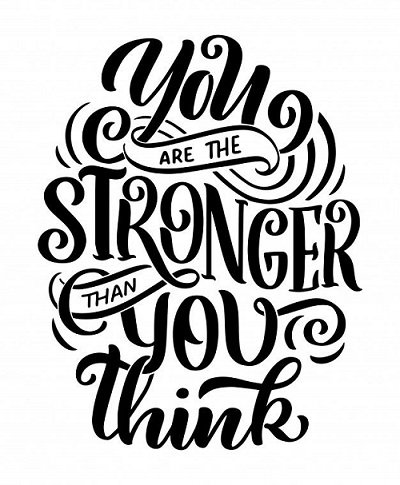
Over the past few weeks in our beloved Ghana, we have grown increasingly concerned about the health of our economic system. Indeed, the eroding effects of skyrocketing inflation seem to be eating away at the value of our currency. The value of the Ghanaian cedi has decreased rapidly during the past 10 months, while the incomes of many individuals have remained the same.
The consequences of this economic sickness affect almost everyone: the young couple’s dream of owning their own home must now be postponed, at least for the time being; providing for the educational and temporal needs of children is becoming increasingly difficult for parents; and the retirement hopes of older couples are being frustrated as savings are used up to pay for the demands of present-day living. The fear of businessmen and women losing their capital due to inflation.
As with malignant diseases which attack the human body, the causes of this economic tumour are complex. No doubt, deficit spending by governments and by individuals is partly to blame. Recent declines in the rate of worker production, along with the great number of individuals in our society who consume without producing, must also bear some of the responsibility for these inflationary times.
These contributing factors must be dealt with in the same way the causes of any disease are handled, like the way COVID-19 was handled: they must be isolated and eliminated as much as possible.
There is, however, one other factor which is more injurious to our economic system than these, and even more harmful than inflation itself. That factor is fear: the fear that the future will not alter the maladies of the present, the fear that the economic structure will collapse altogether, the fear that the traditional values that have made ours a strong and vibrant economic system are no longer relevant. Fear itself is the greatest threat to our economic survival.
The antidote to fear is faith. Not an ill-founded faith which believes that everything will resolve itself, without work or sacrifice, but a confidence which has been personified by tens of thousands of businessmen and women in this country, individuals who have proven that the tenets of free enterprise are sound, individuals who have placed their talents and resources in the open marketplace and have reaped the dividends. It is this faith in hard work, honest production, and open competition that will provide the remedy for our present ills.
Certainly, there are problems ahead and always will be. But we, as no other people in the history of the world, have the resources with which to overcome our difficulties and achieve our aspirations.
There is more knowledge available, more technology, more energy, more of just about everything it takes to be successful. But are we lacking a vital element essential to our success? Perhaps.
A few months ago, a student researcher conducted a poll to determine what Ghanaians hope for most of all. Its findings were something less than inspiring. At the head of the list was, “A better or decent standard of living.” Next was, “Good health for self,” followed by, “Economic stability with no inflation.” The last thing the people surveyed hoped for was “to be a normal, decent person.”
Now, certainly these and the other hopes listed in the survey are desirable, but are they the goals and aspirations that inspire greatness? If the original disciples of Jesus had wanted a better standard of living and good health for themselves above all else, Christianity would have withered under the first hot breath of persecution.
If Shakespeare, Michelangelo, and Beethoven had aspired to nothing loftier than “economic stability,” this world would have been robbed of some of its most beautiful creations.
So, if this survey is at all typical, it points, perhaps, to a creeping malaise of mediocrity. It suggests that we are bothering on cowardice toward life’s challenges, the fear that life’s pitfalls might keep us from living to the fullest.
Ironically, far from being the safest course to follow, this line of thinking often leads to more failure than success. As ancient King Solomon wrote, “Where there is no vision, the people perish.”
So, let’s catch a vision of our potential and that of those around us. Let us make our hopes equal to our ability. Let’s set stimulating, even strenuous, goals for ourselves and then demand the self-discipline to achieve them. As we do, we will no doubt experience the better life we desire for ourselves and our children.
The future is for real, but it is up to us to decide how we will deal with it.
May we overcome our doubts. May we accept the gift from Him who conquered all fears and said to us: “My peace I leave with you; my peace I give unto you. . . Let not your heart be troubled, nor let it be afraid.”
Email: samueleghan@gmail.com
By Samuel Enos Eghan

Conflict at work is more common than you might think. According to 2022 research by The Myers-Briggs Company, more than a third of the workforce reports dealing with conflict often, very often, or all the time in the workplace. The same report found that managers spend an average of four hours per week dealing with conflict, and nearly 25 per cent of people think their managers handle conflict poorly or very poorly.
Addressing a dispute might feel tense or awkward, but resolving the conflict is typically well worth it in the long run. Whether you’re trying to mediate conflict between colleagues or are directly involved, here are seven steps you can take to manage workplace conflict.
1. Don’t put it off
Facing conflict head-on is hard. However, waiting too long to address it can negatively impact your emotional well-being, focus, and the entire office environment. If you’re feeling angry, letting that emotion fester can also escalate it over time. This can make you less responsive to other points of view and make it harder to resolve the issue.
The sooner you can address the conflict, the better it will be for you, the person you disagree with, and your entire team.
2. Learn all you can about the problem
It’s important to determine the type of conflict you’re dealing with. Begin by considering the cause of the conflict. For example, ask yourself whether someone said something that upset you or if you have emotions of anger and resentment that stemmed from something that happened.
Then try to identify if it’s a task, relationship, value, or team conflict. Once you know what type of conflict it is, you can work to resolve it with specific tactics for that situation.
If you skip this step, you may waste time or escalate the situation further by trying to address issues irrelevant to the real conflict.
3. Actively listen
Listen attentively when people share their side of the story. Active listening is one of the most valuable professional skills you can possess. This type of listening involves not only hearing what the other person is saying but also listening to understand their point of view.
No matter your role in conflict, it’s easy to begin sharing your opinion with little regard for the other people involved. However, it’s important to learn about all sides of a disagreement to make well-informed decisions before drawing conclusions.
To reach a resolution, you must step back and prioritize listening over talking. Ultimately, that will encourage the other person to do the same when it’s your turn to speak. –source: betterup.com
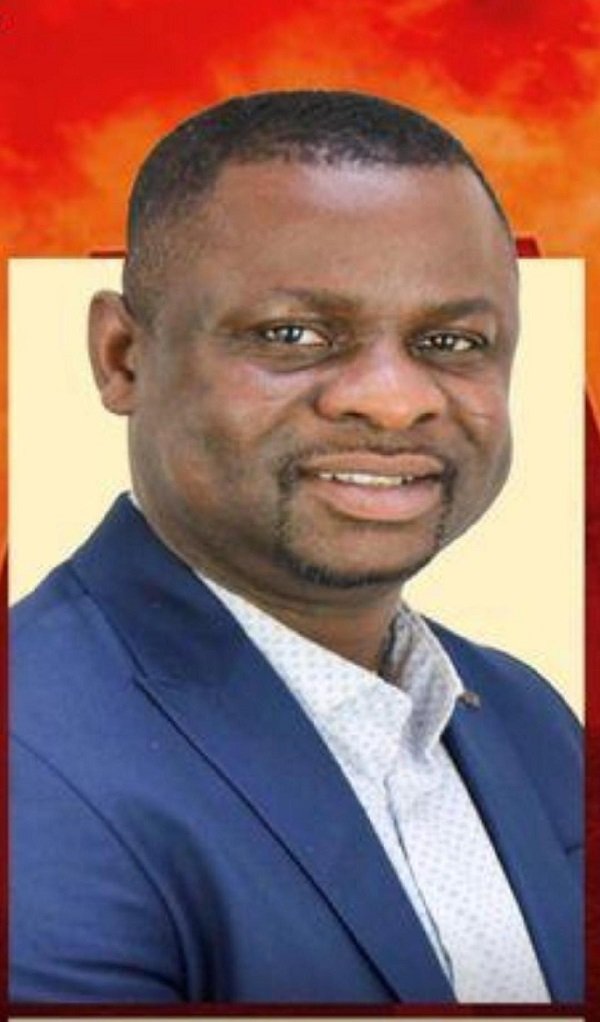
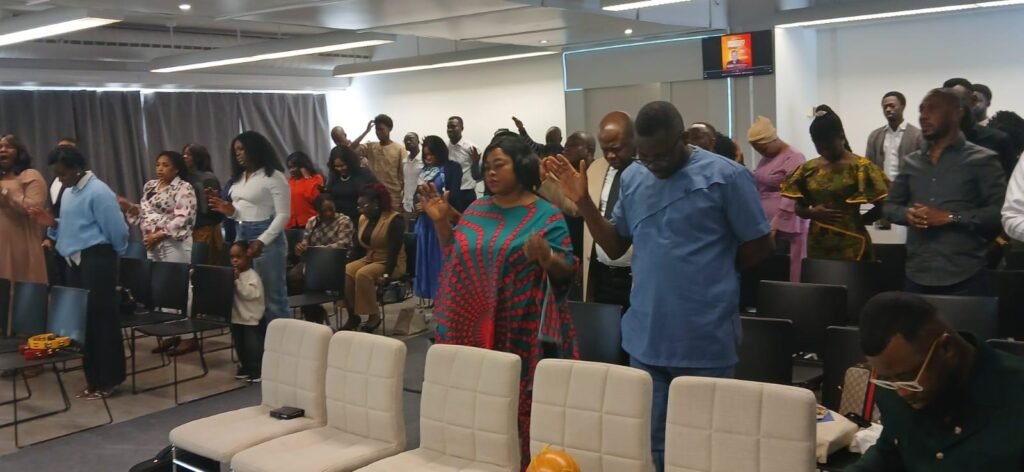
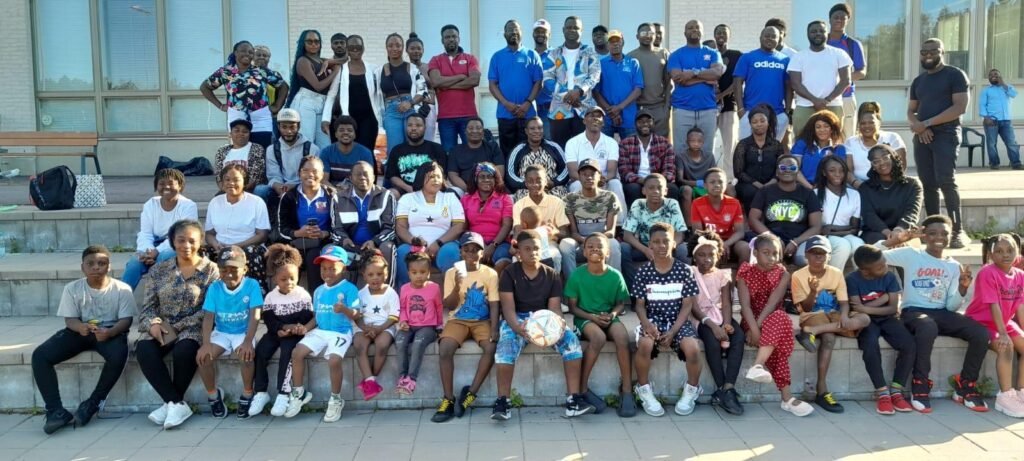
Today, I focus on the Temple Of Praise Ministries International (TOP Church) in Helsinki, as I continue my description of personalities or institutions and their accomplishments as members of the Ghanaian Diaspora in Finland.
The TOP Church in Finland has seen significant strides and accomplishments that must be made known to the public. 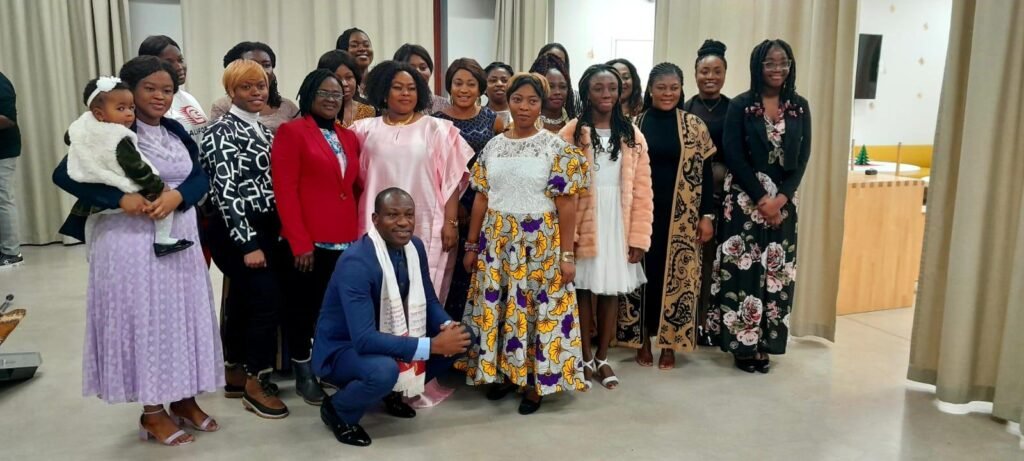
Some history
The Church was established in Finland in September 2016. Since its inception, it has steadily grown both spiritually and numerically, by the grace of God, as disclosed to me by Mr Matthew Anini Twumasi, the Presiding Elder of TOP’s branch in Finland. The TOP Church has other branches across Africa, Europe, and America.
The Church in Finland was founded with a vision to create a welcoming and dynamic community where people could experience God’s love and grace (see, www.topchurchfinland.org). According to Presiding Elder Matthew, the TOP Church operates within a unique environment where Christianity coexists with what is seen as a largely secular society.
Despite this, he submits, there are significant opportunities for outreach, unity, and demonstrating the love of Christ through service and community engagement.
Activities
Church services at the TOP Church are typically held on Sundays for the main worship. In addition, there are mid-week prayer sessions, Saturday prayer services, and a half-night service held on the last Friday of every month. “We also organise quarterly programs”, Elder Matthew added.
His impression of the Church so far has been positive. “It is a vibrant and welcoming community where members are committed to worship, fellowship, and supporting one another in faith”, he stated.
In sum, Elder Matthew said the Church continues to grow by God’s grace. “We remain hopeful and committed to spreading the Gospel, strengthening the faith of our members, and making a positive impact in society”, he continued.
Achievements
The TOP Church has a number of achievements and achievements. Some of the strengths include strong community bonds, cultural diversity, and deep commitment to spiritual growth.
I also remember that during the COVID-19 period, I heard that the TOP Church was one such bodies that hugely supported its members and others to cope with the situation.
According to Elder Matthew, the challenges facing the church include “adapting to cultural differences, engaging the younger generation, expanding outreach in a secular society, and securing a permanent place of worship”.
Role in the Ghanaian community in Finland
The TOP Church plays a prominent role as a religious group that serves Ghanaian migrants and others in the Finnish society.
Thus, the TOP Church is a religious body for Ghanaian migrants in Finland and other nationalities who want to worship with them for diversity and better intercultural and multicultural understanding.
The Church also has mechanisms in place to support its members who are bereaved as a way to commiserate with them in times of death and funerals.
The Ghanaian community has played a vital role in the growth of the Church. Their strong sense of fellowship, dedication to worship, and active participation have helped build a solid foundation and attract others to the ministry, according to Elder Matthew.
Integration
By its activities, the TOP Church is helping to ensure integration of its members well into the Finish society.
This is important since social interaction and citizens’ well-being are an important part of the integration process.
The role of migrant associations and groups such as TOP Church acting as bridge-builders for the integration and inclusion of migrants through participation in the decision making process and by acting as a representative voice is highly appreciated in Finland. Thank you!
GHANA MATTERS column appears fortnightly. Written in simple, layman’s terms, it concentrates on matters about Ghana and beyond. It focuses on everyday life issues relating to the social, cultural, economic, religious, political, health, sports, youth, gender, etc. It strives to remind us all that Ghana comes first. The column also takes a candid look at the meanings and repercussions of our actions, especially those things we take for granted or even ignore. There are key Ghanaian values we should uphold rather than disregard with impunity. We should not overlook the obvious. We need to search for the hidden or deeply embedded values and try to project them.
With Dr Perpetual Crentsil