News
80% of cardiovascular deaths preventable —Cardiologist

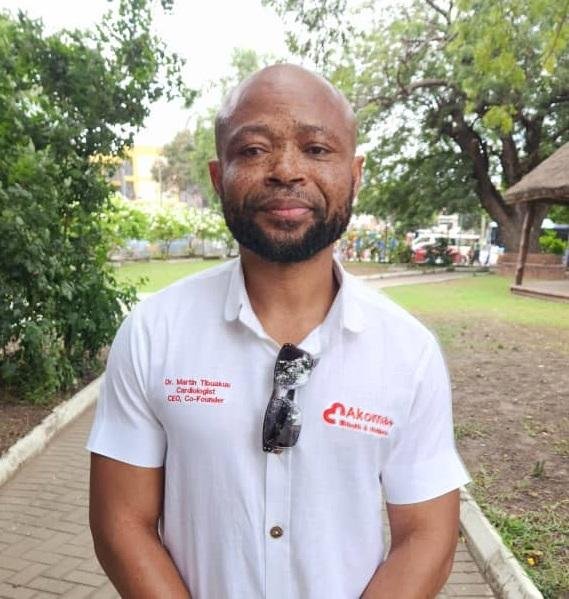
A Cardiologist, Dr Martin Tibuakuu, has disclosed that eight out of 10 deaths related to cardiovascular diseases are can be prevented.
According to him, heart disease was a major cause of death in Ghana and globally but then if basic steps were followed, a lot of the deaths can be avoided.
“Heart related issues are worrying concerns not just for Ghana but the world over; however, what is assuring is that observing simple steps like the ‘A-B-C-D-E’ of the condition can prevent eight out of 10 deaths of cardiovascular related deaths,” he explained.
Dr Tibuakuu, who is also Co-founder and Chief Executive Officer (CEO) of Akomaplus Health and Wellness Foundation, made this revelation when he spoke to The Spectator on Monday, at the forecourt of the Accra Metropolitan Assembly during the launch of Akomaplus Health and Wellness Foundation to mark World Health Day.
Breaking what he termed as the ‘A-B-C-D-E’ basics in managing the condition, he said they represent Awareness, Blood Pressure, Cholesterol, Diabetes and Exercise.
On awareness, he stated that it was important to educate the community about heart disease risk factors, since knowledge would empower one to recognise early warning signs and act swiftly.
On blood pressure, he asserted that patients must monitor their blood pressure regularly because hypertension was a silent killer, but can be managed with routine checks and lifestyle changes.
The ‘C’, he explained, represents cholesterol and cigarettes: “Know your cholesterol levels. High cholesterol is a major risk factor, but diet, exercise, and when needed, medication can keep it in check. Finally, quit smoking, which is dangerous to the heart.”
Again, D for diabetes and diet which he cautioned that, screen for diabetes and appropriately control your blood sugars. Adopt a heart-healthy diet rich in fruits, vegetables, whole grains, and healthy fats. Limit salt, sugar, and processed foods to protect the heart.
Finally, he stated the ‘E’ goes for exercise because it was important in staying active.
“Even 30 minutes of brisk walking daily strengthens one’s heart, improves blood circulation, and supports overall well-being,” he indicated.
Dr Tibuakuu said embracing the ‘A-B-C-D-E’ framework can prevent up to 80 per cent of heart disease-related deaths and must be the call to action for everyone.
Additionally, he underlined that it was very important for one to be intentional about his or her diet, adding that those who smoke should make a point to desist from it.
He mentioned that by doing this alone can prevent some of the deaths associated with heart attack.
Moreover, Dr Tibuakuu said the steps to follow were within everyone’s reach because huge equipment were not required.
He said the systems were not in place to support people with cardiovascular challenges in Ghana; however, prevention should be the ultimate goal and key.
By Edem Mensah-Tsotorme
Join our WhatsApp Channel now!
https://whatsapp.com/channel/0029VbBElzjInlqHhl1aTU27










The Northern Regional Police Command has arrested three men believed to be part of a kidnapping syndicate responsible for abducting a 42-year-old man in Wapuli, a community in the Yendi District.
The suspects, Haruna Seidu, Amidu Bandi and Osman Bandi allegedly kidnapped the victim and demanded GH¢100,000 from his family for his release.
According to a police statement, officers from the Regional Police Intelligence Directorate were deployed to Wapuli after the incident was reported.
The team conducted surveillance and launched a rescue operation.
On Friday, December 5, 2025, police successfully rescued the victim and arrested the suspects after what was described as an intense exchange of gunfire.
The suspects were later taken into custody and are expected to be arraigned before court.
The Police said the a fourth suspect, who is believed to have sustained gunshot wounds during the operation, is currently on the run.
They urged the public to provide any information that may lead to his arrest.
By: Jacob Aggrey
News
Nana Yaa Serwaa Sarpong advocates Bold educational reforms at the UK House of Lords during Global Education Summit.

On November 27 2025, global development leaders, policymakers, education experts and civil society organisations gathered at the UK Parliament’s House of Lords for the Global Education Summit hosted by The Baroness Verma of Leicester and organised by the African British Business Forum.
The high-level event focused on the global rise in out-of-school children and the urgent reforms required to deliver equitable, quality education for all.
Among the distinguished Speakers was Nana Yaa Serwaa Sarpong, Founder & President of Women in Sustainability Africa (WiSA) and General Manager of the EIB Network, who delivered a compelling address on the theme “Breaking Barriers: Empowering Out-of-School Children Through Education.”
In her remarks, Nana Yaa who is currently celebrating 26years of Service in the Media, emphasized that education must be viewed as essential national infrastructure, not charity.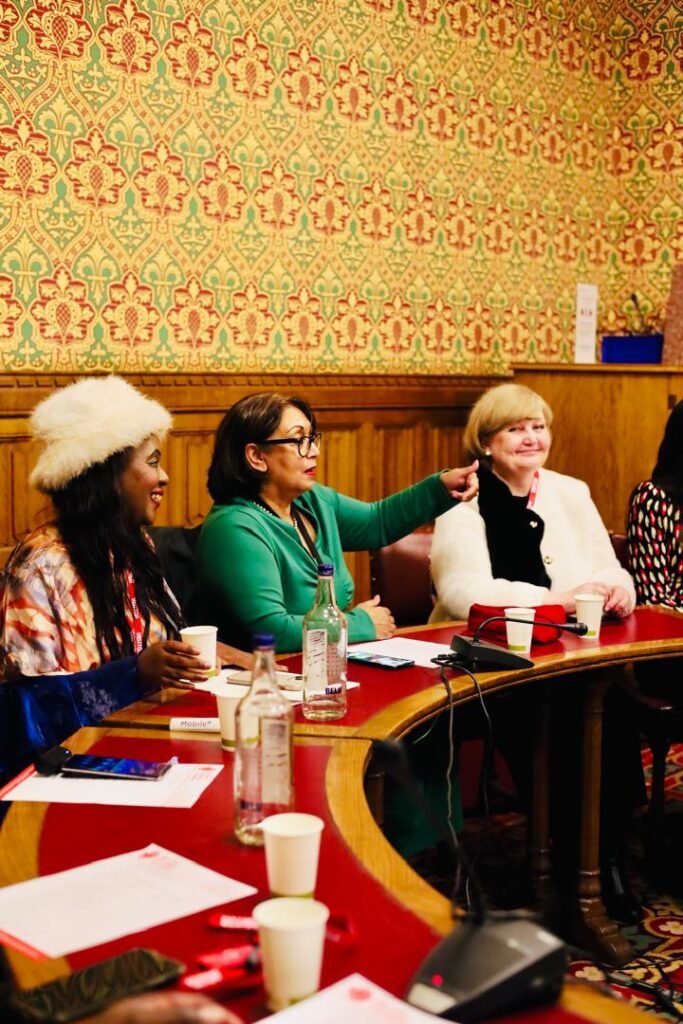
Borrowing experiences from her 18 years of empowering women and young people, she presented a strong case on how Africa’s poor educational systems tie into the poor state of its Gender Equality gap.
According to her, unlocking access to education is one of the most effective ways to strengthen economies, empower women and young girls, build resilient communities and drive sustainable development.
She highlighted that each child excluded from learning represents deferred innovation, delayed opportunity and a weakened society.
Nana Yaa noted that the barriers keeping millions of children out of school are complex and interconnected—ranging from poverty and cultural norms to geographical isolation and digital exclusion.
Addressing these challenges, she argued, requires solutions that are equally comprehensive and multi-layered.
Nana Yaa stressed that girls remain disproportionately affected, and investing in girls’ education has a transformative impact across several Sustainable Development Goals, including gender equality, poverty reduction, health outcomes and climate resilience.

Nana Yaa advocated for the expansion of flexible, inclusive and community-responsive educational models, such as mobile classrooms for remote and nomadic communities, community learning hubs, after-hours programmes for working children, radio-based instruction for low-tech areas and digital platforms designed to reach learners regardless of connectivity challenges.
She warned that without deliberate action, the digital divide would continue to widen, pushing already vulnerable children further to the margins.
During her presentation, she introduced three major reforms WiSA is seeking Partners for, aimed at reshaping educational access across Africa and beyond.
These are the Digital Bridge for Out-of-School Children (DBOC), the Community Education Stewardship Hubs (CESH) involving local women educators and youth volunteers and the Teen-focused Global Skills Accelerator for Out-of-School Teens (GSA-OT).
She also underscored the need for education systems that support instruction, inclusivity and healing, particularly for children experiencing autism, trauma, displacement or conflict.
Nana Yaa emphasised that emotional and psychological support must be integrated into educational frameworks in order to restore confidence, stability and long-term learning capacity.
The summit concluded with strong commitments from stakeholders to adopt sustainable financing models, strengthen data-driven policies and expand cross-sector partnerships.
The African British Business Forum reaffirmed its commitment to championing innovative, scalable solutions to educational inclusion across the UK, Africa and the wider global community.