News
44 graduate from skills training programme organised by CNC

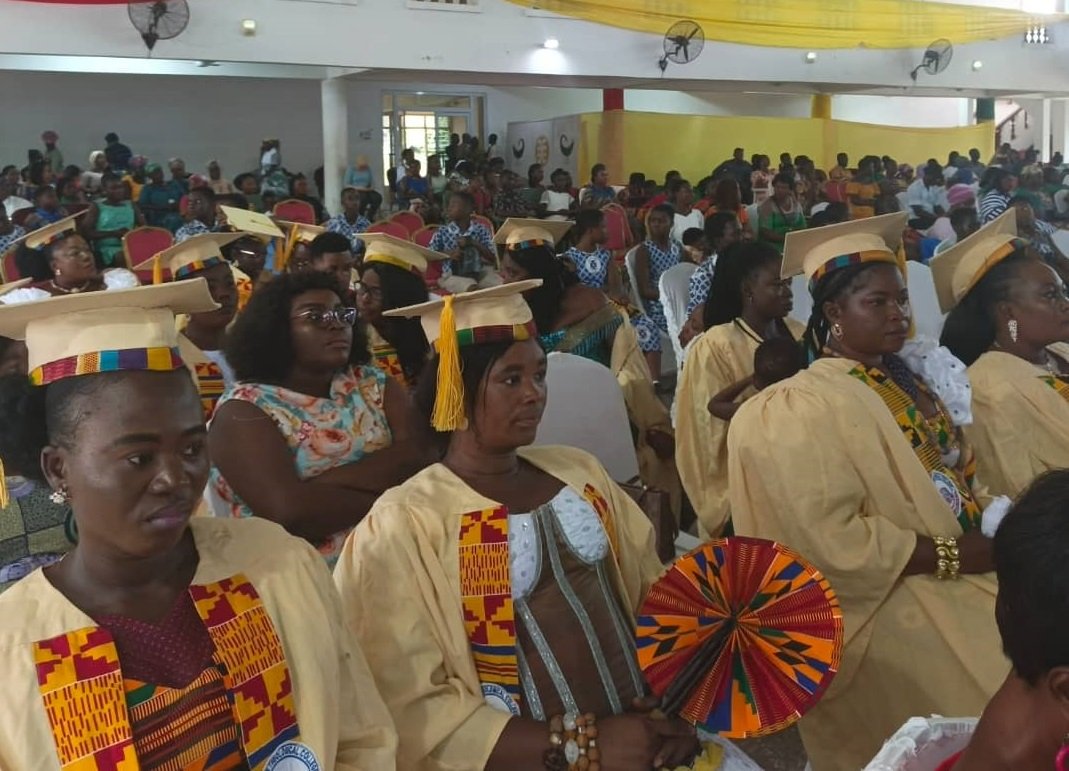
A total of 44 individuals, comprising 40 females and four males, have successfully graduated from the Marketable Skills Training Programme organised by the Centre for National Culture (CNC) in the Eastern Region.
The initiative was designed to equip the youth with employable skills to make them more competitive in the job market.
The one-month training programme covered a wide range of practical areas including bead making, batik, tie-and-dye, manicure and pedicure, interior and exterior decoration, weaving, basic and advanced sewing, fascinator making, facial makeup, and crocheting.
The annual programme aims to empower participants with hands-on skills to promote self-reliance and improve their economic well-being.
At the maiden graduation ceremony, the Acting Eastern Regional Director of CNC, Ms Salamatu Alhassan, who spearheaded the training, expressed satisfaction with the successful completion of the programme.
She said the initiative did not only fulfill the CNC’s mandate but also reflected the centre’s dedication to national development, youth empowerment, and sustainable job creation.
She also challenged the outdated perception that skills-based training was for the less intelligent, stressing that vocational training offered an alternative path to success and a way out of hopelessness.
She encouraged the graduands to uphold values such as discipline, innovation, integrity, customer service, and financial literacy as they put their newly acquired skills to use.
The Acting Executive Director of the National Commission on Culture, Mr Wakefield Ackuaku, also commended the CNC in the Eastern Region for the impactful initiative.
He noted that cultural industries were becoming increasingly important as major sources of employment, especially for the youth.
He urged the graduands to apply professionalism to their craft in order to earn a sustainable livelihood and contribute meaningfully to their families, communities, and the national economy.
One of the beneficiaries, Alice Ampiah, a dressmaker, shared her experience, noting that before the training, she lacked skills in beading and often had to outsource that part of her work.
From Ama Tekyiwaa Ampadu Agyeman, Koforidua

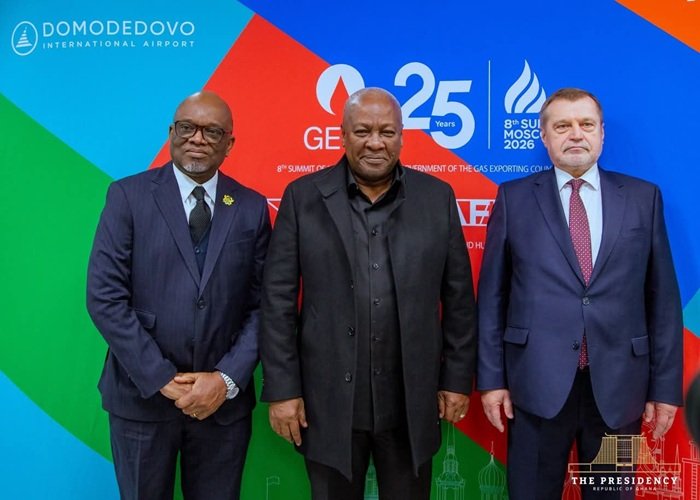
President John Mahama has arrived in Moscow, Russia, from Ethiopia to participate in the 3rd Russia-Africa Summit.
The summit is being hosted by Russian President Vladimir Putin.
During the visit, President Mahama will join fellow African leaders at the Economic and Humanitarian Forum and summit plenary sessions.
He is also scheduled to hold high-level bilateral talks with President Putin and attend a Kente exhibition organised by the Russia-Ghana Parliamentary Forum.
As part of the visit, the President will receive honorary doctorate degrees from the Russian University of Transport and the Peoples’ Friendship University of Russia.
He will also engage Russian businesses and state institutions to advance bilateral cooperation between Ghana and Russia.
By Edem Mensah-Tsotorme
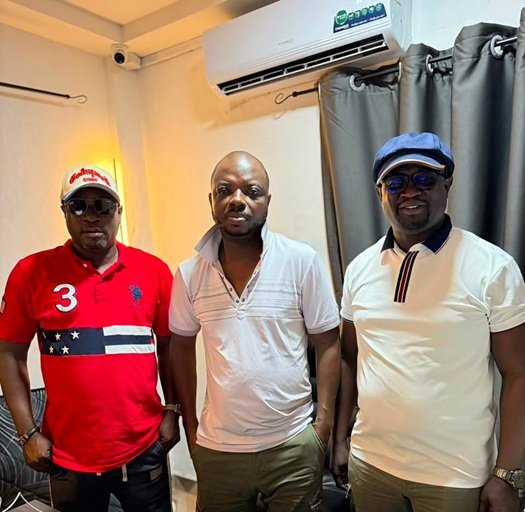
The Greater Accra Regional Organiser of the New Patriotic Party (NPP), Moses Abor, has met with the Bono Regional Chairman of the party, Kwame Baffoe, popularly known as Abronye DC, to address concerns arising from recent social media developments.
In a statement shared , Mr. Abor said he yesterday visited Chairman Baffoe over comments he made on his show, which had raised concern among some party activists.
According to him, he also engaged Charles Opoku Presidoo and ironed out grievances he had earlier held regarding the matter.
Mr. Abor said he was pleased that in the spirit of unity and the party’s shared commitment to return to power in 2028, they had a constructive conversation and addressed the concerns amicably.
“With the matter now resolved, I encourage all Party activists to let the matter rest and redirect our energy toward holding the NDC accountable for its failures and misleading claims,” he said.
He urged party members to continue making the case to Ghanaians on why Dr. Mahamudu Bawumia is the right person to lead the country in 2028.
By Edem Mensah-Tsotorme