News
Zambia probes Chinese clothes factory murder


Police in Zambia have arrested three people suspected of murdering three Chinese nationals, dragging the bodies into a factory and setting it alight.
Home Affairs Minister Stephen Kampyongo has promised a full investigation into Sunday’s “barbaric” crime.
It took place at the Chinese-owned Blue Star clothing factory.
The attack comes amid a controversial crackdown in the capital, Lusaka, on Chinese businesses accused of discriminating against Zambians.
There has also been tension over reports that Chinese factory managers have been forcing employees to sleep at work to stop the spread of coronavirus, the BBC’s Kennedy Gondwe reports from Lusaka.
The Chinese embassy in Zambia said the killings were “appalling and vicious acts of violence”.
Police say the motive for the attack, which took place in the Makeni suburb of the capital, is unclear.
One of those arrested had fled to the city of Ndola some 310km (192 miles) north of Lusaka, police spokesperson Esther Katongo told the state-run ZNBC broadcaster.
For the last few weeks, Lusaka Mayor Miles Sampa has been leading an operation to close Chinese-owned businesses, including barber shops and restaurants, after locals complained about discrimination.
He has also been sharing posts on Facebook, including videos, of his impromptu raids on Chinese-owned factories where workers are allegedly being mistreated.
In one video, he confronts Chinese managers at a truck assembly plant about their policy of detaining workers and orders them to allow the Zambian workers to go home.
Mr Sampa, who is a ruling party member, has not commented on the killings.
He has clashed with the government over his operation against Chinese firms.
However, the mayor has accused his colleagues of not taking seriously the reports of discrimination against Zambians, our reporter says.
According to China’s state-run Global Times news site, Sunday’s attack was likely to have been prompted by Zambians who misunderstood the good intentions of some Chinese firms that have recently been prohibiting employees from going home after their shifts in response to the coronavirus crisis.
“This is interpreted by locals as an invasion of freedom,” the Global Times quoted a Chinese person living in Zambia as saying.
Zambia’s Foreign Affairs Minister Joseph Malanji has sought to reassure foreign investors that they are welcome in the southern African nation.
“This is something regrettable, this is anarchy and this government will not tolerate anarchy,” he said on Tuesday.



Search and rescue operations are ongoing following a structural collapse at the Experimental D/A School in Accra Newtown.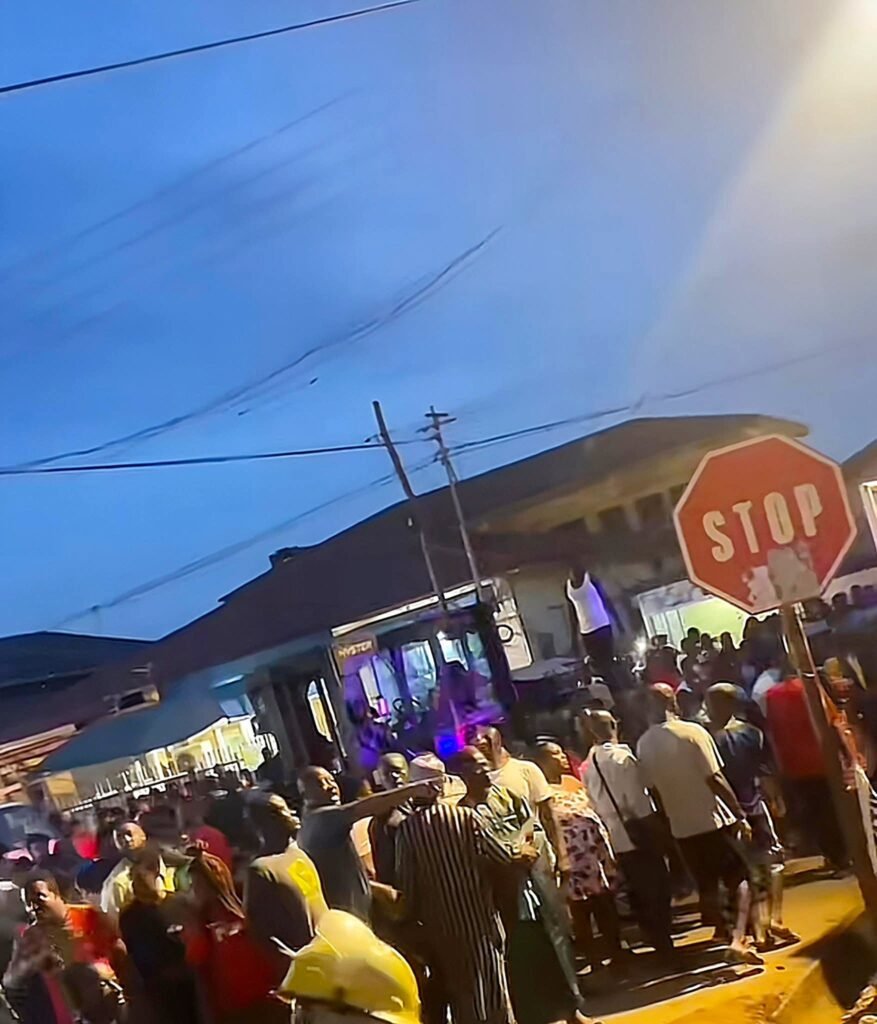


The Ghana National Fire Service (GNFS) confirmed that emergency teams were deployed to the scene to assist victims who may be trapped under the debris.
In an update, the service indicated that personnel from the Ghana Police Service, the National Ambulance Service and the National Disaster Management Organisation (NADMO) are workin7g together to manage the situation and rescue affected persons.
It noted that the area has been cordoned off by the police to prevent members of the public from entering the scene and interfering with the operation.
According to the GNFS, the coordinated effort is aimed at ensuring that all trapped victims are safely rescued as quickly as possible.
The service advised residents and the general public to stay away from the area to allow emergency teams to carry out their work without obstruction.
The service added that further updates will be provided as the situation develops.
By: Jacob Aggrey

The New Times Corporation (NTC), publishers of The Ghanaian Times and The Spectator, on Wednesday held a staff get-together to commemorate the Ghana Month celebration.
The event was also to strengthen teamwork and bonding. It was attended by management members and staff from various departments.
The staff were engaged in activities such as apple eating, musical chairs competition, pick and act, and other interesting games.
Speaking at the gathering, the Chairperson of the Corporation’s Interim Management Committee (IMC), Dr (Mrs) Charity Binka, emphasised the importance of unity and collaboration in achieving organisational goals. She urged the staff to put aside their differences, work together, and also create a positive working environment.
In a welcome address, the Editor of The Spectator, Mrs Georgina Naa-Maku Quaitoo, urged the staff to have fun as “we climax the Ghana Month celebration with this get-together.”


The Acting Editor of The Ghanaian Times, Mr David Adadevoh, commended the staff for coming out in their numbers to join in the celebration and called for unity to transform the fortunes of the Corporation.
By Linda Abrefi Wadie
Join our WhatsApp Channel now!
https://whatsapp.com/channel/0029VbBElzjInlqHhl1aTU27


 News4 days ago
Agona West NDC demands unqualified apology from Paul Adom-Otchere over alleged misleading editorial
- News1 week ago
Eid not only moment of celebration but call to sustain values of discipline – President Mahama
- News3 days ago
Gyankroma Akufo-Addo Denies $25m Interchange Painting Claim, Threatens Legal Action