Health Essentials
Your chair could ‘kill’ you! Really?


- /home/u249204778/domains/spectator.com.gh/public_html/wp-content/plugins/mvp-social-buttons/mvp-social-buttons.php on line 27
https://spectator.com.gh/wp-content/uploads/2024/03/Sitting-continuously-could-bring-many-challenges-to-your-health.jpg&description=Your chair could ‘kill’ you! Really?', 'pinterestShare', 'width=750,height=350'); return false;" title="Pin This Post">
- Share
- Tweet /home/u249204778/domains/spectator.com.gh/public_html/wp-content/plugins/mvp-social-buttons/mvp-social-buttons.php on line 72
https://spectator.com.gh/wp-content/uploads/2024/03/Sitting-continuously-could-bring-many-challenges-to-your-health.jpg&description=Your chair could ‘kill’ you! Really?', 'pinterestShare', 'width=750,height=350'); return false;" title="Pin This Post">
Sitting continuously could bring many challenges to your health.
If you truly love yourself, you had better read this piece while standing!
The other “inactivity” that rivals sitting for long periods when it comes to poor health and untimely death is LONELINESS! Sitting and Loneliness are the new smoking.
It is often common to hear a parent tell a child, “Sit quietly and watch television and I will make a quick dash to town.” Well, this harmless and well-meaning statement is now being vilified. That parent could have said “smoke a few sticks of cigarettes while I dash off to town.” Yes “sitting is the ‘new smoking.”
Scientists: they keep coming up with many weird findings and unfortunately, we realise after much ado that they may be right. People with sitting jobs have twice the rate of cardiovascular (heart & blood vessel) diseases as those with standing jobs – the bankers are cringing in their seats I bet. It appears that compared to sitting, standing is hard work. Imagine that you need to engage many muscles to stand upright, and this burns energy. Sitting on the other hand is extremely relaxing.
When we sit, the ‘physiology of inactivity’ kicks in and when we think we are relaxing in a chair made from heaven, our body instead rewards us with many bad things; enzymes that break down fat may drop by about 90 percent, calorie burning drops to frightening low levels and soon good cholesterol that protects us also drops. If you sit long enough even your insulin effectiveness drops and you will be courting diabetes in the long run.
I sincerely believe in getting a workout during the day, but you should not think that it gives you a license to sit at your desk for hours on end. We should ensure that we get up from our desk to walk briefly or even stretch. I am not giving you an excuse for loitering around your office or forming a gossip team. After an hour of sitting, it will benefit you if you walk for a minute or two.
Why is sitting now being described as the smoking of our time? Well, a few decades ago, it was almost fashionable to be smoking and we were exposed to all the risks it comes with; heart disease and hypertension, strokes and a gargantuan list. Fast forward to 2024 and many people are spending long hours sitting at their desk either working, studying or pretending to do one of the two and for others they sit to entertain themselves or simply sit because they have nothing else to do. Sitting continuously also brings on many of the challenges that smoking poses and their rates of causing harm are similar.
Verdict: you can’t even sit comfortably now and ‘mind your own business.’ In addition to the heart and blood vessel challenges that sitting will heap on you, the back, neck and knee pains abound the longer you remain seated.
There should be a simple way to avoid the dangers that sitting brings to the ‘table’ – redo what our ancestors did. I am sure in centuries long gone, sitting and relaxing could mean being devoured by a wild animal so those who got moving; chasing game, running around lived on but development meant we refuse to walk now and will cook up every conceivable excuse not to move. We will make a phone call to a colleague who sits 10 metres away from us, we will drive to buy kenkey about 50metres from home, yet we will eat a huge dinner fit for a sumo wrestler.
Oh, in case you planned to sleep instead to avoid the dangers associated with walking; there is a little hitch here, sleeping for well over eight hours may not add extra benefits and spending extra hours just to lay in bed or on a couch is as bad to your health as sitting – keep moving please for best results. Standing is a distant second.
Let us try these in our quest to improve our health:
• Make time to exercise
• At the top of every hour or
maximum two, take a break from
your chair and walk for a couple
of minutes or stretch.
• Whenever you have an
opportunity use the stairs instead
of the elevator (lift)
• Walk to a colleagues desk to talk
instead of using the phone or
sending an email or text etc
• If you are willing to dare, you
could even organise walk
meetings. When you have a
meeting with a handful of people
you could lace your boots and
start walking while you
talk. Who knows being out
of a box (office etc) could
help you think “out of the
box” or even think like
“there is no box”. The best
aspect of such a meeting is
people are more attentive
since they are unable to
fidget with their smart
phones and other gadgets.
• All lectures and classes
(children are really
suffering in school these
days) should have a ‘Heart
Preserving’ five-minute
break after every hour.
Spend that time walking
and stretching.
• All long movies should have
commercial breaks that
should be used to at least
stand
• Whenever in doubt, at
least stand for a while.
Well some people are trying innovative ways of even having small treadmills at their desk that keeps them moving, others are adopting a new chair design that essentially makes you stand at your desk, a few others sit on exercise balls that forces them to adjust their positions all the time but for the rest of us simply taking breaks and using every opportunity to move is just what the doctor prescribed.
AS ALWAYS LAUGH OFTEN, ENSURE HYGIENE, WALK AND PRAY EVERYDAY AND REMEMBER IT’S A PRICELESS GIFT TO KNOW YOUR NUMBERS (blood sugar, blood pressure, blood cholesterol, BMI)
Dr. Kojo Cobba Essel
Health Essentials Ltd/Mobissel
(www.healthessentialsgh.com)
*Dr. Essel is a medical doctor with a keen interest in Lifestyle Medicine, He holds an MBA and is ISSA certified in exercise therapy, fitness nutrition and corrective exercise. He is the author of the award-winning book, ‘Unravelling The Essentials of Health & Wealth.’
Thought for the week – For good heart health; exercise often, eat healthy, do not smoke, minimize alcohol and sit less.
By Dr. Kojo Cobba Essel



There are thousands of diet plans and some people change them almost as often as they change their underwear. We have fallen in love with pills and injections all in a bid to fast-track the wellness dream. The plastic surgeon’s blade and even prayers have all been called upon to perform miraculous acts. Is there a single path to achieving Wellness or has man found that wonder pill yet?
Is the result of an annual medical examination all that is needed to determine how well one is? Can you have great reviews in the clinic yet feel tired and unhappy? Does wellness obey the all or none law or is it a whole spectrum where majority of us fall within?
Wellness involves at least six (6) areas or pillars that we need to balance since they all work together to make us the best versions of ourselves.
When we fall short in any one of them, it may have consequences in other areas but we don’t need to be perfect in any area; balance is all that is needed. The era of lockdown for instance brought to the fore the importance of Social Wellness; many of us felt isolated when we had to avoid our work colleagues for weeks on end. Even the output of some of us dipped. Oh, you surely are not alone. Even people you detested meeting in the office you now longed to spend time with. Breathe a sigh of relief; that feeling is normal, nothing untoward is happening to you. The majority of us humans are social beings and we blossom when surrounded by family and friends and hugs and handshakes are the norm.
The Six Pillars of Wellness.
- Physical
- Mental
- Social
- Financial
- Digital
- Spiritual
Physical Wellness
Are you taking proper care of your body? Do you exercise, eat right and get your regular medical examinations?
Avoid awkward postures like sitting slouched forwards or bending at the waist to pick an object. Surely you are washing your hands regularly with soap and water. Have you noticed the loud silence from cholera when handwashing was fashionable during the pandemic?
Mental Wellness
The way you think, act or feel falls into this category but it is definitely not an island on its own. Your physical well-being and all the others impact on your mental health.
Time to relax, sleep, manage your time, enjoy nature and be kind to others. These together with deep breathing and laughter, go a long way to keep your mental health in great shape.
Social Wellness
The relationships we have and the way we interact with others. Your mental health, physical health all impact on your relationships. When you exude happiness, people give it right back to you. Build strong relationships; just a few trustworthy people who you can share your challenges with will go a long way to stabilise your mental health and pave the way for all others to flow. When you feel unduly stressed do you have anyone you can speak to before getting professional help? Do not be a loner.
Financial Wellness
How secured is your money? Are we prepared for emergencies in an uncertain future? We need baseline financial security to be able to get all the other pillars working seamlessly. How can you eat well or get medical examinations done with no financial backing? Finances tend to be one of the greatest stressors in life. Do not ignore the need for financial stability, you need it more than you can imagine. Speak to someone who can assist you plan your future TODAY.
Digital Wellness
What measures are you taking that aim at regulating and improving healthy use of technology? If you set virtual meetings, training programmes etc. all day because you are working from home, then when do you get to rest your mind, eyes and back from prolonged sitting among many others? One thing will lead to another. Many of us can hardly unplug. Our phones are on 24/7 and we think sleep is a luxury. NO! Inadequate sleep will open the floodgates to a tonne of health challenges including stress, overeating, alcohol abuse, fatigue and even accidents from fatigue.
Get sleep; it’s a lifeline!
Spiritual Wellness
Are you connected to a greater being who provides us with a sense of purpose, values, principles, morals and beliefs among many others?
If you asked for my opinion, I recommend God. Speak to him daily (prayer) and he will set you on the right path.
In all things do not specialise in one or a few of these pillars of wellness. We should all aim at getting a fair balance in each area and we can be the very best of ourselves. Now do not put unnecessary pressure on yourself; everyone has challenges but taking one step at a time and always remembering that we need different aspects to make life the best that it can be.
AS ALWAYS LAUGH OFTEN, ENSURE HYGIENE, WALK AND PRAY EVERYDAY AND REMEMBER IT’S A PRICELESS GIFT TO KNOW YOUR NUMBERS (blood sugar, blood pressure, blood cholesterol, BMI)
Dr. Kojo Cobba Essel
Health Essentials Ltd/Medics Clinic
(www.healthessentialsgh.com)
*Dr. Essel is a Medical Doctor with a keen interest in Lifestyle Medicine, holds an MBA and is an ISSA Specialist in exercise therapy, fitness nutrition and corrective exercise. He is the author of the award-winning book, ‘Unravelling The Essentisals of Health & Wealth.’
Thought for the week – “Defining health and wellbeing; The World Health Organisation (WHO) defines health as ‘a state of complete physical, mental and social wellbeing and not merely the absence of disease or infirmity’ (WHO, 1948).”
SKIP THE QUEUE, TAP THE NEWS

You can now read the Ghanaian Times and The Spectator newspapers from the comfort of your device via TimesNewsPlus.
Join our WhatsApp Channel: https://whatsapp.com/channel/0029VbBElzjInlqHhl1aTU27
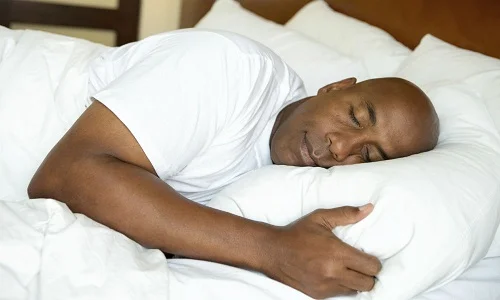
It appears I am stuck in sleep mode; last week we discussed sleep hygiene and now it’s napping. Could it be my brain doing its best to make me understand it needs more sleep?
Many of us developed a love for afternoon naps while in school because it was mandatory to “sleep” after lunch. It may have been a luxury to get restful sleep in one’s junior years but our brains got the message: sleep after lunch to get a boost in energy to prepare you for the rest of the day.
As the years rolled by sleeping after lunch, for instance, has become a mirage but everyone loves a “power nap”. The French do a great job when it comes to their afternoon break.
If you enjoy your naps, you may have experienced that feeling of extending your sleep once you go beyond half an hour. It’s that feeling of no turning back. On the other hand, if you nap for just about 30 minutes you seem to have a new lease of energy.
I love naps whenever I get a chance to squeeze one in, but school had siestas that lasted about an hour so sometimes I love to revisit the days of old. A new research finding is, however, about to trample on that glorious time spent hitting on the snooze button and being at peace with the sheets, chair or even bench or floor in some instances.
We all appreciate that getting enough sleep is key to good health but this study suggests that long daytime naps may not be in your best interest.
The researchers found that long naps in excess of 40 minutes and excessive daytime sleepiness were associated with an increased risk for conditions such as high blood pressure, diabetes, obesity and high cholesterol; collectively referred to as metabolic syndrome.
The research showed that people who napped for less than 40 minutes were not at increased risk for metabolic syndrome. In fact, those who napped less than 30 minutes had a slight decrease in risk.
The findings seem to point accusing fingers at those of us who nap for over 40 minutes; that is when the problems seem to begin. I am sure you can confidently guess what happens when people nap for over 90 minutes; the risk of developing metabolic syndrome increased by as much as 50%.
“The review also found that napping for more than an hour or being overly tired during the day were both linked with a 50 percent higher risk for type 2 diabetes.”
“However, the study only found an association between these factors, and did not prove that excessive sleepiness and long naps actually cause metabolic syndrome or diabetes.”
Is it possible that those of us who nap for long periods of time also avoid physical activity and probably over-indulge in comfort foods, hence increasing the risk for these lifestyle diseases?
One thing is certain, you cannot go wrong with a short nap; it can be extremely satisfying. So while the scientists continue to explain and maybe confirm these findings, let us limit our naps to 30 minutes. If you have extra time take a walk or get some work done.
This may be a reminder that too much of even a good thing may be harmful. Sleeping has great benefits including reducing our risks for developing heart and blood vessel diseases such as stroke, it improves our immunity and also enhances our performance in all spheres of life.
Just as sleeping in excess of 9 hours at a time has been linked with bad outcomes, excessive daytime napping is now getting its “day in court”. Moderation in all things must be key!!
A nap is essential for every individual
A 20-minute nap in the early afternoon may:
• Ease your stress
• Sharpen your memory
• Help you react faster
• Improve your job performance
• Boost your energy
• Lift your mood
• Make you more alert
How long did you nap today?
AS ALWAYS LAUGH OFTEN, ENSURE HYGIENE, WALK AND PRAY EVERY DAY AND REMEMBER IT’S A PRICELESS GIFT TO KNOW YOUR NUMBERS (blood sugar, blood pressure, blood cholesterol, BMI)
Dr. Kojo Cobba Essel
Health Essentials Ltd/ Medics Clinic
(dressel@healthessentialsgh.com)
Dr. Essel is a medical doctor with a keen interest in Life Style Medicine, holds an MBA and is an ISSA Specialist in exercise therapy, fitness nutrition and corrective exercise. He is the author of the award-winning book, ‘Unravelling The Essentials of Health & Wealth.’
Thought for the week – “Sleep is an important component of our healthy lifestyle, as well as diet and exercise,” says Dr. Tomohide Yamada. “Short naps might have a beneficial effect on our health, but we don’t yet know the strength of that effect or the mechanism by which it works.”
References:
- WebMD News from HealthDay by Robert Preidt
- Extract from “The Importance of Obtaining Adequate Sleep” by Dr. Obo Addy
Your Weekend Companion
www.spectator.com.gh
SKIP THE QUEUE, TAP THE NEWS
You can now read the Ghanaian Times and The Spectator newspapers from the comfort of your device via TimesNewsPlus.
Join our WhatsApp Channel: https://whatsapp.com/channel/0029VbBElzjInlqHhl1aTU27