News
Young leaders urged to build trust to drive Africa’s economic integration


- /home/u249204778/domains/spectator.com.gh/public_html/wp-content/plugins/mvp-social-buttons/mvp-social-buttons.php on line 27
https://spectator.com.gh/wp-content/uploads/2026/06/WhatsApp-Image-2026-06-19-at-14.58.44.jpeg&description=Young leaders urged to build trust to drive Africa’s economic integration', 'pinterestShare', 'width=750,height=350'); return false;" title="Pin This Post">
- Share
- Tweet /home/u249204778/domains/spectator.com.gh/public_html/wp-content/plugins/mvp-social-buttons/mvp-social-buttons.php on line 72
https://spectator.com.gh/wp-content/uploads/2026/06/WhatsApp-Image-2026-06-19-at-14.58.44.jpeg&description=Young leaders urged to build trust to drive Africa’s economic integration', 'pinterestShare', 'width=750,height=350'); return false;" title="Pin This Post">
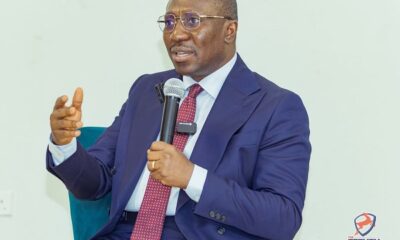
The Founder of the Brazil-Ghana Chamber of Commerce, Mrs. Edinam Adjei-Sika, has called on young Africans to take an active role in building trust and relationships that will strengthen regional economic integration across the continent.
Speaking at the Africa Young Diplomats Forum (AYDF) International Diplomatic Leadership Conference held at the School of Public Health Auditorium on Thursday, Mrs. Adjei-Sika said Africa’s economic future depended not only on trade agreements and policies but also on the ability of citizens to work together across borders.
She stressed that frameworks such as Agenda 2063 and the African Continental Free Trade Area (AfCFTA) could only achieve their objectives when people, businesses and communities developed mutual trust and understanding.
According to her, economic integration is not driven solely by infrastructure, customs procedures or regulations but by strong human relationships that encourage cooperation and trade.
Mrs. Adjei-Sika shared an experience from a meeting with a senior diplomat in Ghana who described her as an ambassador because of her efforts in connecting businesses and promoting cultural exchange between Brazil and Ghana.
The experience, she said, demonstrated that leadership and bridge-building are no longer limited to individuals with diplomatic titles or official passports.
“Anyone who creates opportunities for cooperation, understanding and partnership is contributing to diplomacy and development,” she noted.
She explained that successful trade and investment relationships often begin with trust, adding that people are more willing to do business with those they understand and respect.
Using the example of AfCFTA, Mrs. Adjei-Sika said Africans must first develop confidence in one another before the continent can fully benefit from the free trade agreement.
She noted that stronger relationships among citizens of countries such as Ghana, Togo and Nigeria would make it easier for businesses to collaborate and expand across borders.
Mrs. Adjei-Sika further encouraged young leaders to see themselves as agents of change capable of promoting cooperation, innovation and sustainable development in their communities.
She urged them to invest in networking, cultural understanding and dialogue, explaining that these qualities would help create partnerships that can withstand political changes and economic challenges.
The conference, which brought together emerging leaders, students and professionals from across Africa, focused on the role of diplomacy and leadership in advancing regional cooperation and achieving the goals of Agenda 2063.
Participants were encouraged to embrace leadership roles that promote unity, economic growth and stronger connections among African countries.
By Enoch Ntiamoah Siaw






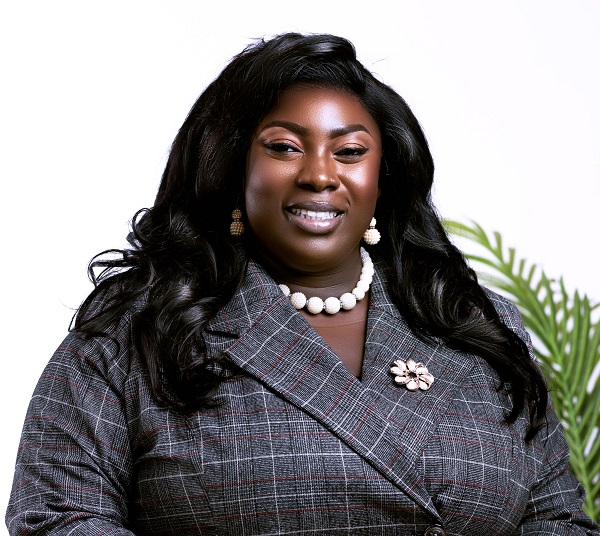
Deputy National Women Organiser of the New Patriotic Party (NPP), Mimi Duah, has openly declared her support for Mavis Hawa Koomson as the next National Women’s Organiser of the party.
In a statement endorsing Hawa Koomson’s candidature, Ms Duah outlined four key reasons why she believes the former MP and Minister of State is best placed to lead the party’s women’s wing.
According to her, Hawa Koomson is a motherly figure who rose from the grassroots and is widely noted for her forgiving nature and ability to foster unity.
“She is a true grassroots mother who easily forgives, fosters unity, provides guidance and arbitrates to ensure all aggrieved party women are brought on board to ensure a unified women’s wing,” she stated.
Ms Duah also pointed to Hawa Koomson’s vast experience, having served as a Constituency Women’s Organiser, Member of Parliament and Minister of State, noting that the experience positions her to provide effective leadership as National Women’s Organiser.
She further described Hawa Koomson as capable of making the women’s wing resourceful, through her extensive network and business contacts, to lobby for logistics, training and financial support for women organisers at all levels.
Lastly, she said the NPP as an opposition party needs fearless, bold and assertive leadership at the women’s front to inspire regional, constituency and polling station women organisers as the party reorganises towards the 2028 elections.
“We need a Women’s Organiser who has been tested, who is bold, who understands grassroots women, and who can lead us to victory in 2028. Hon. Mavis Hawa Koomson is that leader,” she stressed.
By Edem Mensah-Tsotorme
News
Tourism, Culture and Creative Arts Minister inaugurates Ghana-Korea Heritage Project Steering Committee
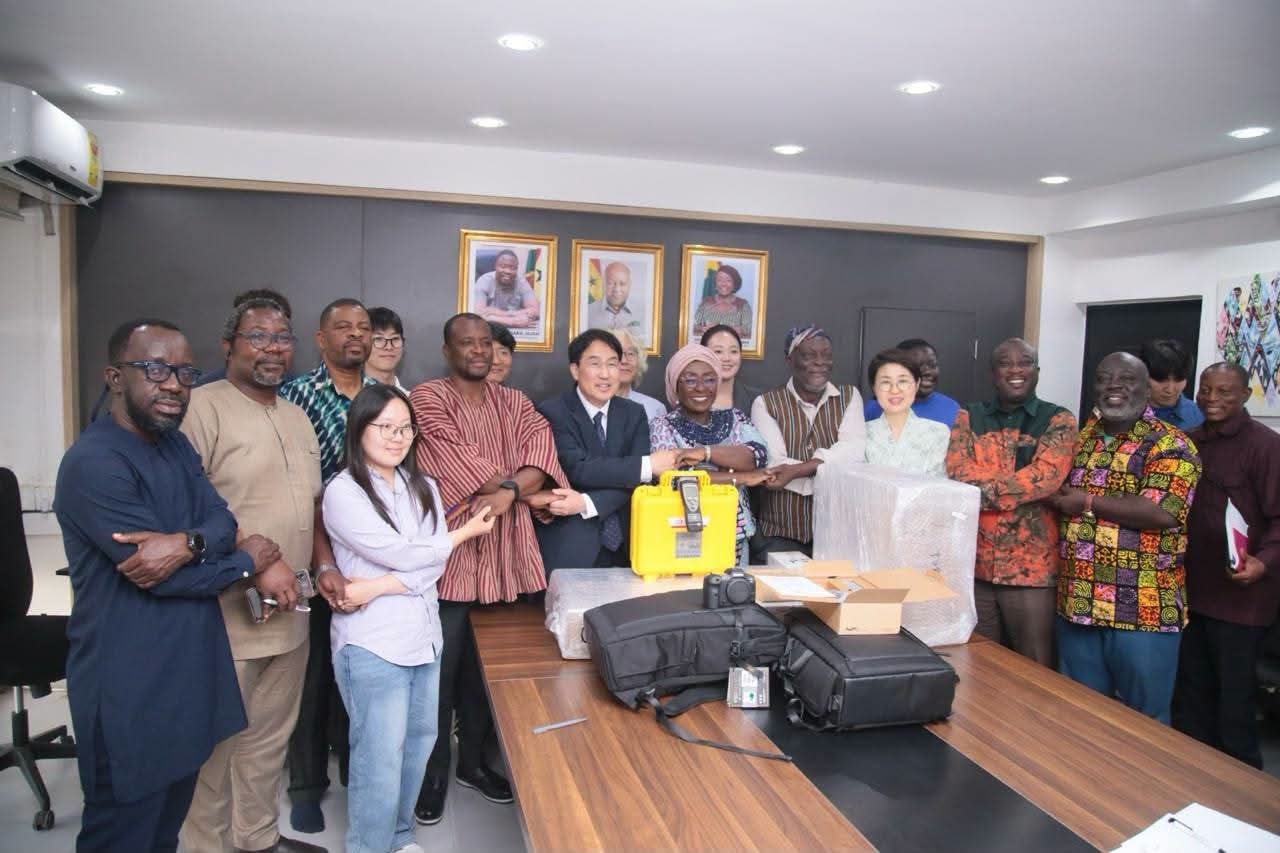
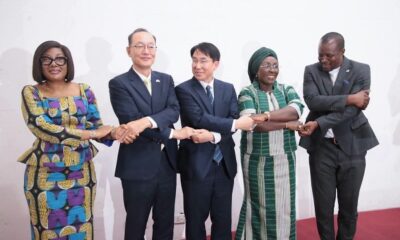
Tourism, Culture and Creative Arts Minister, Abla Dzifa Gomashie, has inaugurated the Ghana-Korea Heritage Project Steering Committee to provide strategic oversight for a five-year programme focused on preserving Ghana’s heritage sites and strengthening their resilience to climate change.
The project will support climate-risk mapping, digital surveying and 3D modelling, joint research, capacity building, community engagement and modern monitoring technologies.
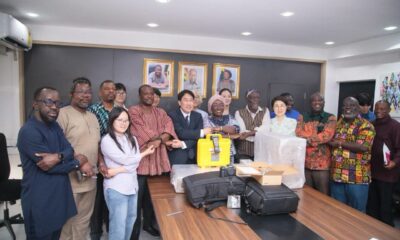
Korea is also providing specialised equipment, including drones, 3D scanners, digital microscopes, thermal imaging cameras and GPS survey instruments, to enhance Ghana’s capacity to scientifically assess, document and conserve heritage structures.
The partnership, which will run through 2030 and beyond, is expected to deepen Ghana-Korea cultural ties while promoting sustainable, technology-driven and climate-adaptive heritage management for future generations.
By Edem Mensah-Tsotorme