News
Macron’s presence at reparations conference ‘totally unacceptable’ – Kwesi Pratt

- /home/u249204778/domains/spectator.com.gh/public_html/wp-content/plugins/mvp-social-buttons/mvp-social-buttons.php on line 27
https://spectator.com.gh/wp-content/uploads/2026/06/WhatsApp-Image-2026-06-19-at-14.58.44-1-1000x600.jpeg&description=Macron’s presence at reparations conference ‘totally unacceptable’ – Kwesi Pratt', 'pinterestShare', 'width=750,height=350'); return false;" title="Pin This Post">
- Share
- Tweet /home/u249204778/domains/spectator.com.gh/public_html/wp-content/plugins/mvp-social-buttons/mvp-social-buttons.php on line 72
https://spectator.com.gh/wp-content/uploads/2026/06/WhatsApp-Image-2026-06-19-at-14.58.44-1-1000x600.jpeg&description=Macron’s presence at reparations conference ‘totally unacceptable’ – Kwesi Pratt', 'pinterestShare', 'width=750,height=350'); return false;" title="Pin This Post">
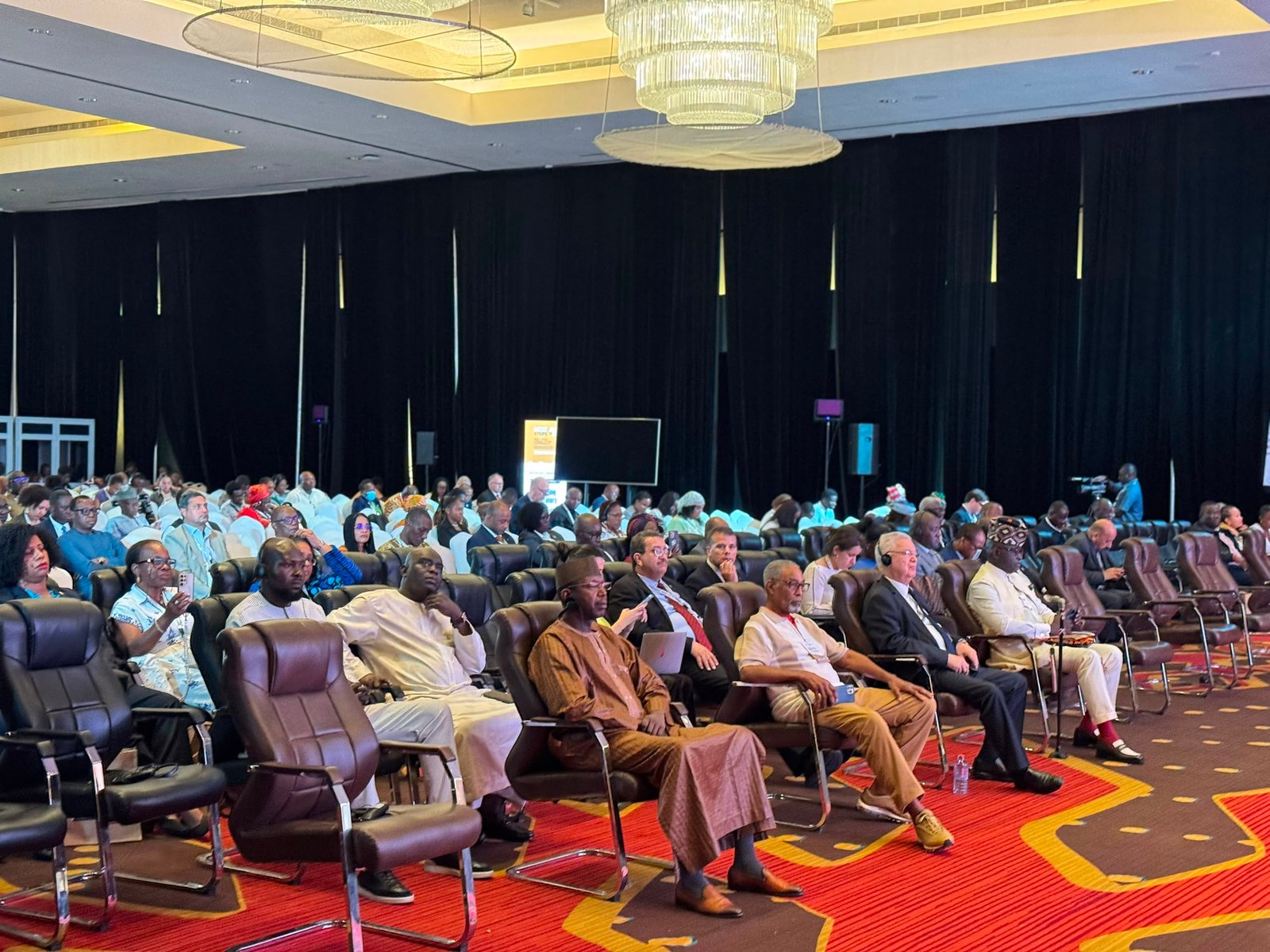
Veteran journalist Kwesi Pratt has expressed strong dissatisfaction with the participation of French President Emmanuel Macron in the ongoing High-Level Consultative Conference on the next steps following the landmark United Nations resolution on the trafficking of enslaved Africans.
Speaking during a session on reparatory justice on the second day of the conference in Accra, Pratt argued that the gathering should focus on securing justice for Africans and people of African descent who suffered from slavery and colonial exploitation.
He said he found Macron’s presence at the conference “totally unacceptable,” insisting that the forum should not become a platform for what he described as hollow expressions of sympathy from countries and institutions linked to historical injustices against Africa.
According to Pratt, reparations must be understood as justice rather than charity. He maintained that the transatlantic slave trade was organised and supported by governments, companies, churches and institutions that benefited from the exploitation of Africans.
The veteran journalist argued that reparatory justice must go beyond apologies and compensation to include restitution, rehabilitation, institutional reforms, cultural restoration and educational correction.
He called on African governments and the African diaspora to ensure that the recent United Nations resolution becomes the foundation of a concrete international programme of action rather than a symbolic declaration.
Mr. Pratt also advocated the establishment of a permanent reparations mechanism involving the African Union, CARICOM, African states, legal experts, historians, economists and civil society organisations to coordinate the global campaign for reparatory justice.
He further called for legal action and research into states, companies, banks, churches and other institutions that participated in or profited from slavery and colonial exploitation, saying responsibility must be clearly established.
The journalist stressed the need for a global reparations education campaign to challenge narratives that portray Africa as poor and underdeveloped by destiny.
According to him, Africa’s present condition cannot be separated from centuries of slavery, colonialism and exploitation, which contributed to the wealth of industrialised nations.
Mr. Pratt maintained that reparations are not about begging but about correcting a historical injustice and addressing the lasting consequences of slavery and colonialism.
Despite what he described as political resistance to the reparations agenda, he expressed confidence that the campaign would succeed.
“We are not alone, and we are not begging. We are engaged in a struggle for justice,” he said, adding that nothing would stop the fight for reparatory justice.
The conference brought together African leaders, policymakers, academics, activists and members of the African diaspora to discuss practical steps for implementing the UN resolution and advancing the global reparations agenda.
By: Jacob Aggrey






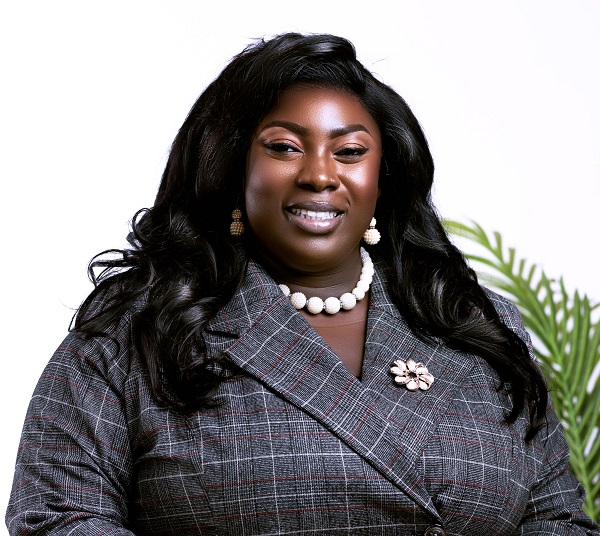
Deputy National Women Organiser of the New Patriotic Party (NPP), Mimi Duah, has openly declared her support for Mavis Hawa Koomson as the next National Women’s Organiser of the party.
In a statement endorsing Hawa Koomson’s candidature, Ms Duah outlined four key reasons why she believes the former MP and Minister of State is best placed to lead the party’s women’s wing.
According to her, Hawa Koomson is a motherly figure who rose from the grassroots and is widely noted for her forgiving nature and ability to foster unity.
“She is a true grassroots mother who easily forgives, fosters unity, provides guidance and arbitrates to ensure all aggrieved party women are brought on board to ensure a unified women’s wing,” she stated.
Ms Duah also pointed to Hawa Koomson’s vast experience, having served as a Constituency Women’s Organiser, Member of Parliament and Minister of State, noting that the experience positions her to provide effective leadership as National Women’s Organiser.
She further described Hawa Koomson as capable of making the women’s wing resourceful, through her extensive network and business contacts, to lobby for logistics, training and financial support for women organisers at all levels.
Lastly, she said the NPP as an opposition party needs fearless, bold and assertive leadership at the women’s front to inspire regional, constituency and polling station women organisers as the party reorganises towards the 2028 elections.
“We need a Women’s Organiser who has been tested, who is bold, who understands grassroots women, and who can lead us to victory in 2028. Hon. Mavis Hawa Koomson is that leader,” she stressed.
By Edem Mensah-Tsotorme
News
Tourism, Culture and Creative Arts Minister inaugurates Ghana-Korea Heritage Project Steering Committee
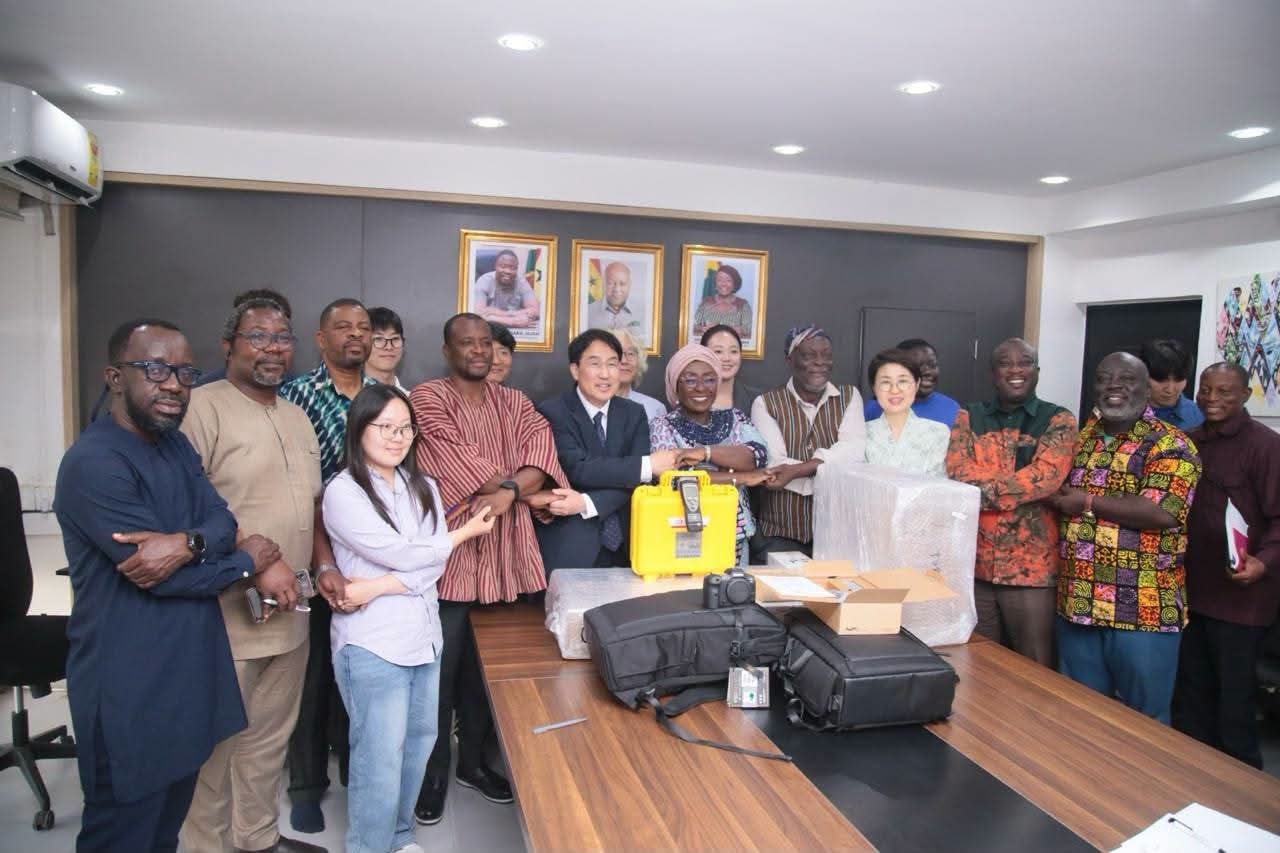
Tourism, Culture and Creative Arts Minister, Abla Dzifa Gomashie, has inaugurated the Ghana-Korea Heritage Project Steering Committee to provide strategic oversight for a five-year programme focused on preserving Ghana’s heritage sites and strengthening their resilience to climate change.
The project will support climate-risk mapping, digital surveying and 3D modelling, joint research, capacity building, community engagement and modern monitoring technologies.
Korea is also providing specialised equipment, including drones, 3D scanners, digital microscopes, thermal imaging cameras and GPS survey instruments, to enhance Ghana’s capacity to scientifically assess, document and conserve heritage structures.
The partnership, which will run through 2030 and beyond, is expected to deepen Ghana-Korea cultural ties while promoting sustainable, technology-driven and climate-adaptive heritage management for future generations.
By Edem Mensah-Tsotorme