Health Essentials
World Hypertension Day: Accurate BP measurement, pathway to longer and healthier life


- /home/u249204778/domains/spectator.com.gh/public_html/wp-content/plugins/mvp-social-buttons/mvp-social-buttons.php on line 27
https://spectator.com.gh/wp-content/uploads/2023/05/How-to-measure-blood-pressure.jpg&description=World Hypertension Day: Accurate BP measurement, pathway to longer and healthier life', 'pinterestShare', 'width=750,height=350'); return false;" title="Pin This Post">
- Share
- Tweet /home/u249204778/domains/spectator.com.gh/public_html/wp-content/plugins/mvp-social-buttons/mvp-social-buttons.php on line 72
https://spectator.com.gh/wp-content/uploads/2023/05/How-to-measure-blood-pressure.jpg&description=World Hypertension Day: Accurate BP measurement, pathway to longer and healthier life', 'pinterestShare', 'width=750,height=350'); return false;" title="Pin This Post">
How to measure blood pressure
Hypertension, commonly known as high blood pressure, is a medical condition that affects people of all ages around the world. It is often referred to as the “silent killer” because it can go unnoticed for years, quietly damaging your health and increasing the risk of serious complications. However, with proper awareness, accurate measurement of blood pressure, and effective control, you can lead a healthier and longer life.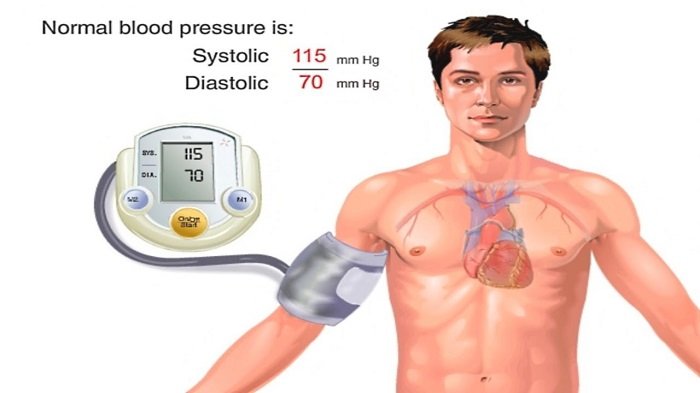
WHAT IS HYPERTENSION?
Blood pressure is the force exerted by blood against the walls of your arteries as your heart pumps it around your body. Hypertension occurs when this pressure remains consistently high over time. It is usually categorised into two types: primary (essential) and secondary hypertension.
Primary hypertension is the most common type, accounting for about 90% of cases, and its exact cause is often unknown. On the other hand, secondary hypertension is caused by an underlying health condition, such as kidney disease, hormonal disorders, or certain medications.
WHY IS ACCURATE MEASUREMENT IMPORTANT?
Accurately measuring your blood pressure is crucial for both the diagnosis and management of hypertension. Many factors can influence blood pressure readings, such as stress, physical activity, and even the way the measurement is taken. By ensuring accuracy, healthcare professionals can make informed decisions about your treatment plan, and you can monitor your progress more effectively.
TIPS FOR ACCURATE BLOOD PRESSURE MEASUREMENT
1. Use a dependable blood pressure monitor: Invest in a high-quality, validated blood pressure monitor for home use. Automatic digital monitors are widely available and provide accurate readings when used correctly.
2. Follow the instructions: Read and follow the instructions provided with your blood pressure monitor carefully. Improper use can lead to inaccurate readings.
3. Choose the right cuff size: Use the appropriate cuff size for your arm. A cuff that is too small or too large can affect the accuracy of the measurement.
4. Rest before measurement: Sit quietly and relax for at least 5 minutes before taking your blood pressure.
5. Avoid caffeine, smoking, and exercise for at least 30 minutes beforehand.
Position yourself correctly: Sit upright with your back supported, feet flat on the floor, and arm resting on a table at heart level. Ensure the cuff is at the same level as your heart. Do remember that you may also take your BP while standing or lying down, but ensure you compare readings in the same position only.
6. Take multiple readings: Measure your blood pressure at least twice, with a brief break in between. Record the average of the readings for a more reliable result.
7. Avoid tight clothing while taking blood pressure readings, e.g., tight neckties or other undergarments.
CONTROLLING HYPERTENSION FOR A LONGER LIFE
Healthy lifestyle choices: Adopting a healthy lifestyle is crucial to managing hypertension. Maintain a balanced diet rich in fruits, vegetables, whole grains, and lean proteins. Reduce your salt intake and limit processed and fatty foods. Engage in regular physical activity, such as brisk walking, swimming, or cycling, for at least 150 minutes per week.
Maintain a healthy weight: Achieving and maintaining a healthy weight is vital for blood pressure control. Losing excess weight, if necessary, can significantly reduce blood pressure levels.
Reduce stress: Chronic stress can contribute to high blood pressure. Find healthy ways to manage stress, such as by practicing relaxation techniques, engaging in hobbies, or seeking support from friends and family.
Limit alcohol consumption: Excessive alcohol intake can raise blood pressure. If you drink, do so in moderation. Men should limit alcohol to two drinks per day, and women to one drink per day.
Quit smoking: Smoking damages blood vessels and increases the risk of heart disease. If you smoke, seek help to quit. Your healthcare provider can guide you through smoking cessation programmes or recommend appropriate resources.
Regular medical check-ups: Regularly visit your healthcare provider to monitor your blood pressure and overall health. They can adjust your treatment plan, if needed.
Finally, spread the message about High Blood Pressure and you will be saving many lives. Be a LIFE SAVER today!
ALWAYS LAUGH OFTEN, ENSURE HYGIENE, WALK AND PRAY EVERYDAY AND REMEMBER IT’S A PRICELESS GIFT TO KNOW YOUR NUMBERS (blood sugar, blood pressure, blood cholesterol, BMI)
Dr. Kojo Cobba Essel
Health Essentials Ltd/ Mobissel
(dressel@healthessentialsgh.com)
[*Dr. Essel is a medical doctor, holds an MBA and is ISSA certified in exercise therapy, fitness nutrition and corrective exercise. He is the author of the award-winning book, ‘Unravelling The Essentials of Health & Wealth.’
Thought for the week: May 17 was World Hypertension Day, a perfect day to remind ourselves of the dangers of High Blood Pressure and the lifestyle changes we can adopt to control our blood pressure. It all starts with MEASURING YOUR BLOOD PRESSURE ACCURATELY.]
By Dr. Kojo Cobba Essel


Sleep comes in different shades. There are those who sleep pretty and hardly move an inch in bed. Then we have those who are virtually at war when in bed and may turn a whole 360 degrees several times in the land of the unknown. Woe betide you if you find yourself in the same “sleep ring” with such a fighter. The most “decorated” ones bring music to sleep and the noise that exudes from their throats, nostrils and mouth could compete with any orchestra except that harmony is often thrown to the wind; those of us who belong to this category know ourselves.
Inspite of all the above, when I am hard pressed to pick one thing that has the greatest impact on one’s health, I will say SLEEP reigns. Too many challenges spring up when we fail to get enough sleep and it’s no wonder that at the doctor’s office we hear many complaints of not being able to sleep.
Most of the time the solution is not in popping pills but the Sleep Hygiene Tips below will go a long way to make a difference in your sleep and subsequently your health.
Sleep hygiene tips
- Create darkness in the room
- Sleep is easier when your room is dark. A bright room may be a challenge especially if you already have a bunter with sleep.
- Have a Regular sleep plan
- Keep to the safe time you go to bed and also time you wake up. Regularity is key.
- Ensure room is cool and well ventilated
- An extremely hot or cold room may keep you awake just tossing and turning. A nice breeze makes sleep even better.
- Wind down or unplug about an hour to bedtime
- Rushing throughout the day and then diving into bed may not be the best remedy for sleep. Slow down, start putting off lights, stop working and maybe spend about 5 minutes meditating or speaking to God.
- Avoid phones, laptops, work in bed/bedroom
- These have no business in your sleep area and should not be in your bed for sure. The glare from lights, the vibrations or sounds from messages and even calls may keep you awake and give you a nightmare with your eyes wide open.
- Exercise
- Exercise and laugh and you will be preparing yourself for a sound sleep. You may exercise anytime of the day but when you struggle a lot with sleep the ideal time may be four to six hours before bedtime. Exercising an hour or two before you sleep may rather keep you alert and awake.
- Watch your food intake; don’t overeat, avoid spicy food and lots of oil
- Gluttony is definitely “sinful” and one of the instant punishments is discomfort and difficulty sleeping. A full stomach at bedtime makes one wish for daybreak. The spices can also cause havoc especially when eaten late. That heartburn will wake you up and keep you sitting and cursing all night.
- Watch what you drink; stimulants may affect your sleep e.g. caffeine, fizzy drinks, alcohol and energy drinks
- If you have trouble with sleep or you do not want your sleep to be disturbed in any way, avoid these 4 clear hours or more before sleep time. ACOHOL deceives you into thinking you will sleep only to wake up early, feeling unrested or making dashes to the washroom.
- Discuss with your doctor when to take some of your prescribed medication
- Sometimes some medications we are on may cause us to wake up several times to urinate and should preferably be taken much earlier in the day. Others keep us alert over several hours.
- Writing your TO DO LIST for the next day relaxes the brain
- The brain sometimes will keep “working” in an attempt not to forget what you need to do the following day. Hack your brain by writing down or typing out your To Do List for the following day and you will be blessed with good sleep.
- Get professional care to diagnose and manage medical conditions
- Sometimes it’s a medical condition that is directly or indirectly depriving us of good sleep and our health professional can help us find and treat this so we can once more enjoy the bliss of the Lotus Eaters. Maybe it could be a medication that is just not right for you.
Popping pills to sleep in most cases will not solve the challenge and should never be our first line of correcting our sleep wars. Adopt these hygiene tips today even if you sleep well and your health will be on the right path. Not even the decorated bedroom trumpeter or the sleep fighter can take your sleep away from you.
AS ALWAYS LAUGH OFTEN, ENSURE HYGIENE, WALK AND PRAY EVERYDAY AND REMEMBER IT’S A PRICELESS GIFT TO KNOW YOUR NUMBERS (blood sugar, blood pressure, blood cholesterol, BMI)
Dr. Kojo Cobba Essel
Health Essentials Ltd/Medics Clinic
(www.healthessentialsgh.com)
*Dr. Essel is a Medical Doctor with a keen interest in Lifestyle Medicine, He holds an MBA and is an ISSA Specialist in Exercise Therapy, Fitness Nutrition and Corrective Exercise. He is the author of the award-winning book, ‘Unravelling The Essentials of Health & Wealth.’
Thought for the week – “ A good laugh and a long sleep are the best cures in the doctor’s book.” – Irish Proverb
SKIP THE QUEUE, TAP THE NEWS
You can now read the Ghanaian Times and The Spectator newspapers from the comfort of your device via TimesNewsPlus.
Join our WhatsApp Channel: https://whatsapp.com/channel/0029VbBElzjInlqHhl1aTU27

These last few months of 2026, I am embarking on a new journey. Over the past several months I have tried out some aspects of my “new way of life” but not in the manner I am doing now and I am sure you are doing same too. Draft your own points based on what is important to you and let us begin the journey together. It is never too late.
Many of the things I am working on now are guided by years of interaction with different people, what may be my purpose in my opinion, great family and friends and the type of wisdom that comes only with years.
- Self-Care
Quite often we try to take care of everything and everyone without ensuring we are appropriately “charged”. There is nothing to give out if you are empty. Self-care is NOT a luxury and it has taken me years to appreciate this;
- I will add a new hobby I have been toying with.
- Surrounding myself with like-minded people who energise me, make me laugh and be the best version of myself. Building Social capital pays.
- I am spending quality time with God daily
- Spending time in nature is key and I ensure that I take much needed breaks
- Spending a few minutes a day to meditate, exercise and spoil myself sometimes
- I will have some hours each day that will be blocked out as “no phone time”
- Keeping a Goal Diary
Many people have described ways of putting down your goals and seeing them happen. My coach taught me the power of VISUALISATION but over the years I went off that golden path. It’s time to get back. This is what I am doing now;
- In a diary I am writing everything I want to be or do as long as I have breath. No pressure.
- I am writing in the present tense; “I am spending an amazing week in a 7-Star resort with the people I love the most”
- I will look at this list everyday
- Start a Gratitude Bank
I listened to this recently and though it was not referred to as a Gratitude Bank, I believe that is exactly what it is
- I picked a diary to write in but others choose a transparent container to drop in written points. Choose what you are comfortable with.
- At the end of each week I will write something(s) I am grateful for and put in the container.
- Whenever I feel “ungrateful” I will read through them to remind myself how blessed I am and surely I will be holding the “evidence”
- On December 31, I will go through the list irrespective of my mood.
- Practice. Practice. Practice
This is exactly as it is – whatever you have written out in your diary to do from self-care through your goals etc. prioritise or focus on a few at a time. As you practice e.g. meditating, exercising, eating right and the many great things you want to do, these will all GROW. Whatever you practice GROWS.
- Make the world a better place
I believe that we can make a difference in our corner no matter the challenges.
- That smile will change someone’s life
- An act of kindness is contagious and the giver, receiver and all those observing benefit immensely. Let us spread kindness.
- The Blood Bank on my mind for this year and beyond.
What are you focusing on, what are you practicing?
Do share your list with me via email.
AS ALWAYS LAUGH OFTEN, ENSURE HYGIENE, WALK AND PRAY EVERYDAY AND REMEMBER IT’S A PRICELESS GIFT TO KNOW YOUR NUMBERS (blood sugar, blood pressure, blood cholesterol, BMI)
Dr. Kojo Cobba Essel
Health Essentials Ltd/ Medics Clinic
(dressel@healthessentialsgh.com)
*Dr. Essel is a Medical Doctor with a keen interest in Lifestyle Medicine, He holds an MBA and is an ISSA Specialist in Exercise Therapy, Fitness Nutrition and Corrective Exercise. He is the author of the award-winning book, ‘Unravelling The Essentials of Health & Wealth.’
Thought for the week –“Never change your originality for the sake of others because no one can play your role better than you. So be yourself. You are the best.” – Unknown
References:
- Unravelling the Essentials of Health & Wealth; Dr. Kojo Cobba Essel