News
Women with Breast Cancer Refuse Surgery …for Fear of Losing Romantic Relationship

- /home/u249204778/domains/spectator.com.gh/public_html/wp-content/plugins/mvp-social-buttons/mvp-social-buttons.php on line 27
https://spectator.com.gh/wp-content/uploads/2025/10/Dr-Merri-Iddrisu-inset-speaking-at-the-programme-Photo-Victor-A.-Buxton.jpg&description=Women with Breast Cancer Refuse Surgery …for Fear of Losing Romantic Relationship', 'pinterestShare', 'width=750,height=350'); return false;" title="Pin This Post">
- Share
- Tweet /home/u249204778/domains/spectator.com.gh/public_html/wp-content/plugins/mvp-social-buttons/mvp-social-buttons.php on line 72
https://spectator.com.gh/wp-content/uploads/2025/10/Dr-Merri-Iddrisu-inset-speaking-at-the-programme-Photo-Victor-A.-Buxton.jpg&description=Women with Breast Cancer Refuse Surgery …for Fear of Losing Romantic Relationship', 'pinterestShare', 'width=750,height=350'); return false;" title="Pin This Post">
A lecturer at the School of Nursing and Midwifery, University of Ghana, Dr Merri Iddrisu, has revealed that many women hesitate to undergo surgery for breast cancer because of the fear that the removal of one or both breasts may alter their romantic relationships and affect how their partners perceive them.
However, she said the condition, though a difficult one, must not end one’s romantic relationship and urged men to support women in this regard.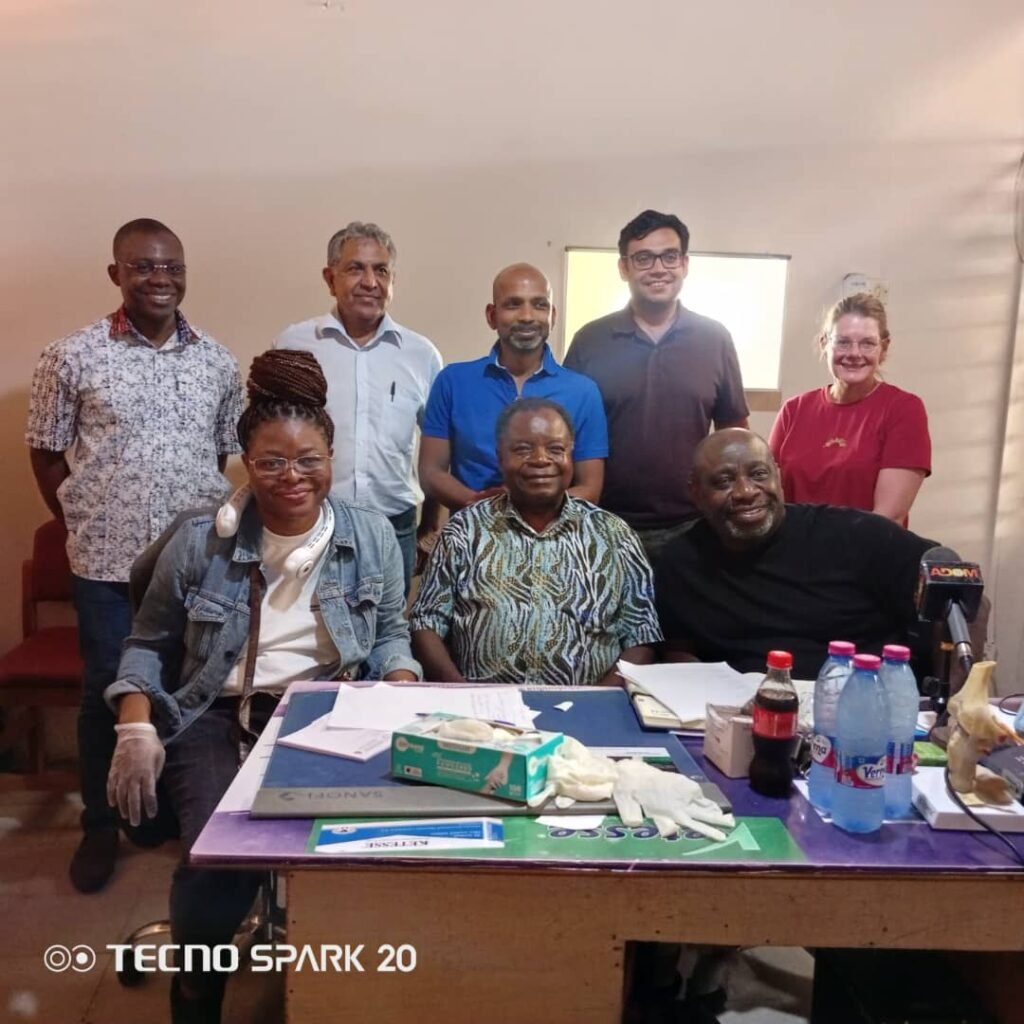
“Love does not end when the breast is gone. With understanding and support, couples can build an even stronger bond,” she emphasised.
She made the disclosure in an interview with The Spectator on the sidelines of the 25th anniversary annual symposium of the College of Health Sciences (CHS), held at the West African Genetic Medicine Centre (WAGMC), University of Ghana, Legon.
It was organised on the theme: “From Genes to Generations: Family Heredity and Breast Cancer Risk.”
Dr Iddrisu explained that the breast is not just a biological feature but a symbol of femininity, intimacy, and confidence — elements that shape a woman’s sense of self within her marriage.
“When a woman loses her breast, she is not only fighting cancer but also dealing with the emotional pain of feeling incomplete or undesirable. Many fear their husbands will no longer see them attractive,” she elaborated.
She noted that some women struggle with self-image and intimacy after mastectomy, leading to strained relationships and emotional withdrawal.
“If the husband still finds his wife beautiful, even with scars, and continues to show affection, the woman becomes stronger emotionally. But when the husband distances himself, it deepens her pain,” she added.
On that note, the expert stressed the need for men to be actively involved in their wives’ treatment journey, as emotional and psychological support from partners significantly impacts recovery.
“When a woman is diagnosed, we must treat not just the woman but the entire family, which includes the husband, children, and even colleagues. The husband especially needs guidance to understand the physical and emotional effects of treatment,” she explained.
Moreover, she encouraged couples to explore breast reconstruction or prosthetic options if needed, saying such steps can help restore confidence and intimacy.
According to her, open communication, acceptance, and counselling can help couples overcome the emotional hurdles that come with breast cancer treatment.
By Jemima Esinam Kuatsinu & Theresa Dzifa Tsetse
Join our WhatsApp Channel now!
https://whatsapp.com/channel/0029VbBElzjInlqHhl1aTU27







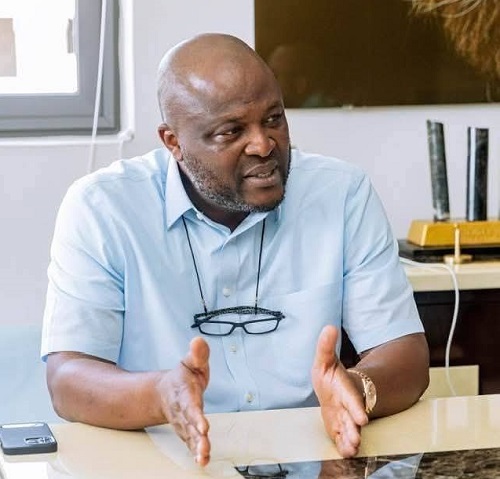
Businessman Mr. Ibrahim Mahama has denied reports linking him to a takeover bid for the Volta Aluminium Company (VALCO).
His reaction follows a demonstration by members of the VALCO Labour Union today, during which some protesters alleged that Mr. Mahama was interested in acquiring the state-owned aluminium company.
In a statement issued by his Special Aide, Rafik Mahama, the businessman said he has “no such interest” and has not made any offer to acquire VALCO.
“The allegation is the latest in several vile attempts to impute the integrity of Mr. Ibrahim Mahama and subject him to needless public engagements,” the statement said.
The statement added that Mr. Mahama’s business track record speaks for itself, describing his companies as “some of the best-run operations across the African continent.”
It further noted that all of Mr. Mahama’s business interests were “legally commenced or acquired” and operate within the law a fact it said explains why his businesses have endured across seven election cycles.
“Mr. Mahama remains committed to contributing his quota to the development of Ghana by investing in business opportunities in Ghana and beyond,” the statement added.
The statement also disclosed that Mr. Mahama has instructed his lawyers to take the necessary legal action over the publication and allegations.
By Edem Mensah-Tsotorme
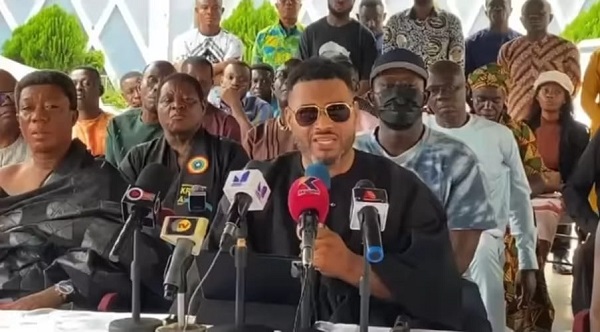
The leadership of Kristo Asafo has dismissed reports circulating on social media and in some media outlets that the late Apostle Kwadwo Safo Kantanka will be buried on July 30, 2026, describing the claim as false.
The current head of the Kantanka family and leader of Kristo Asafo, Kwadwo Safo Akofena Kantanka, addressed the issue during a press conference in Accra today.
He said no burial date has been set and urged members of the church and the general public to disregard any unofficial announcements.
“I urge the members of Kristo Asafo and the nation to disregard any burial date out there,” Akofena said.
He further stressed that neither the leadership of the church nor the Kantanka family has made any such announcement regarding the funeral.
According to him, all official funeral arrangements will be communicated only through a formal statement from the Kantanka family when the time is due.
Akofena Safo Kantanka said the family remains united in ensuring that the final funeral rites are conducted in a manner that befits the legacy of the late Apostle.
He called on Ghanaians to remain calm and wait for the official communication from the family, warning against the spread of misinformation.
Background
Apostle Dr. Ing. Kwadwo Safo Kantanka, founder and spiritual leader of Kristo Asafo Mission of Ghana, passed away recently, plunging the church and the nation into mourning.
The late Apostle was widely known not only as a religious leader but also as an industrialist, inventor, and founder of the Kantanka Group of Companies, which manufactures vehicles and other machinery in Ghana.
Since his passing, there has been heightened public interest in his funeral arrangements.
It would be recalled that a faction of the siblings and family led by former MP Adwoa Safo had earlier announced a proposed burial date and arrangements.
That announcement, however, has been rejected by the current leadership of both the church and the family.
By Edem Mensah-Tsotorme