Hot!
Women breaking gender inequality in Bawku West


Women working together
Faiza Osman is among many rural women farmers who are matchlessly, producing 70 per cent of Africa’s rice despite the many obstacles they face.
Majority of these smallholder farmers who are into agriculture in Gentiga, in Bawku West in the Upper East Region, continuously break gender disparity, climate change and financial exclusion barriers in order to support their husbands in taking care of their families.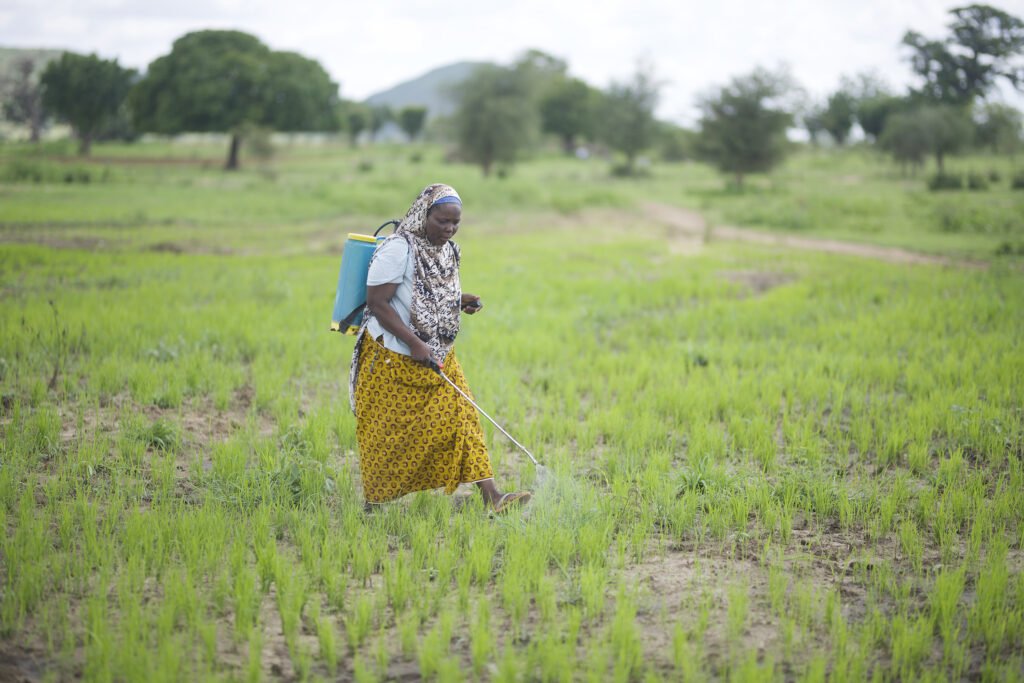
Speaking to Madam Faiza on her farm close to the Red Volta, she said, traditionally, there is a gender productivity gap that mandates women to support their husbands in the morning and work on their personal farms in the evening.
“Due to limited access to land, technology, adaptation, domestic care work and financial support, we end up using our profits from the little farms to take care of the children,” she said.

She said, since majority of the women living in rural communities have no other employment than farming, they were compelled to work harder in order to support the family.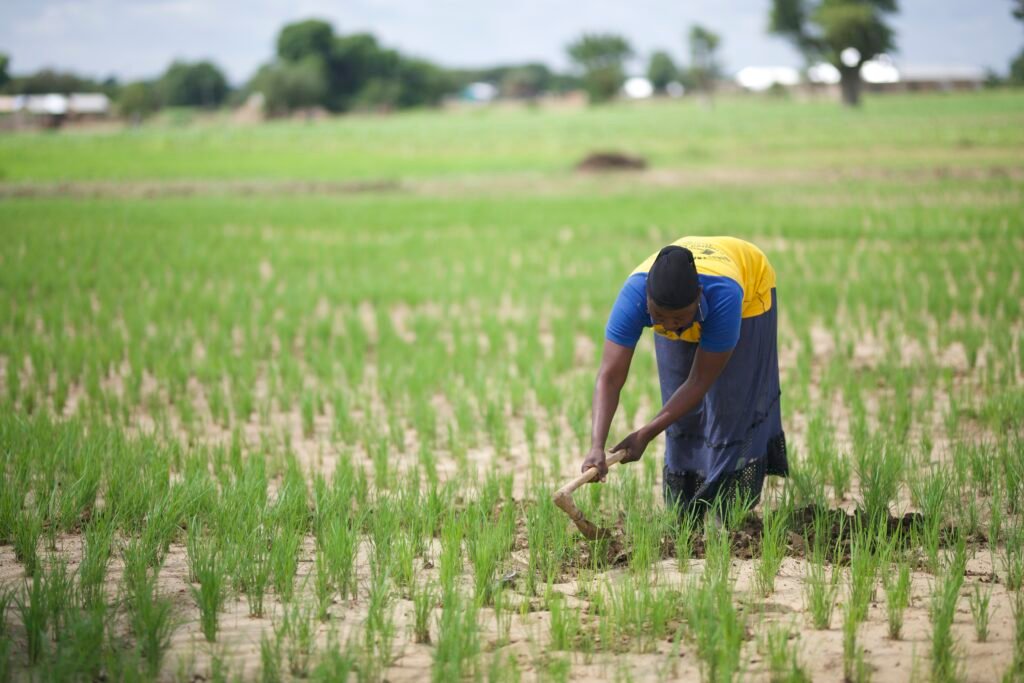
However, whenever there is a training or any financial support, it is the men who are considered first because the women were considered less privileged.
Madam Faiza believes that, if equal opportunities were given to both women and men, the women would produce more to feed the family and the nation as a whole.
Sherifatu Adam, a smallholder farmer in Tumu, urged the government and other agricultural institutions to give women equal opportunities in training, climate change education and financial support in order to expand their farms.
Mr Mahama Salifu, the District Agricultural Director at the East Mamprusi District in the Upper West Region, applauded the contribution of women smallholder farmers in producing to feed the nation.
He said, majority of the staple crops such as maize, rice and millet were produced by the women in smaller quantities but becomes so much when put together.
“With what I have witnessed so far, I believe that with additional support, they would be able to produce more to address food insecurity concerns of the country,” he said.
He said many of these women lack training, financial support as well as access to farmlands which hinder their capacity to produce more.
He commended Non-Governmental Organisations (NGOs) for their role in partnering with the government in the agricultural sector.
From: Geoffrey Buta, Gentiga


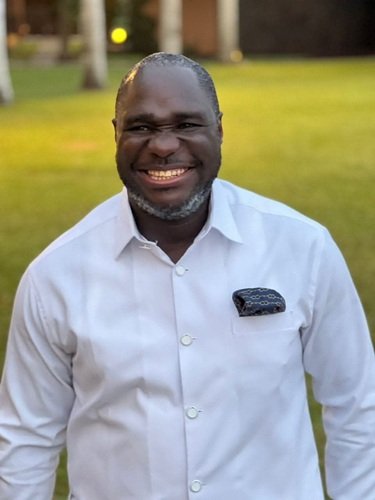
Dr Palgrave Boakye-Danquah, spokesperson to NPP Ashanti Regional Chairman Bernard Antwi Boasiako, popularly known as Chairman Wontumi, has called on the government and Parliament to undertake major reforms in Ghana’s prison system, including the construction of a dedicated prison hospital and the introduction of regulated conjugal visits.
In a press statement issued on Tuesday, October 27, 2026, Dr Boakye-Danquah shared Chairman Wontumi’s observations and recommendations following his remand on July 20, 2026.
According to the statement, Chairman Wontumi’s experience in prison has given him the opportunity to interact with prison officers and inmates and observe the challenges facing the Ghana Prisons Service.
The statement noted that the NPP chairman believes the correctional system must move beyond punishment to focus on rehabilitation, welfare and productivity.
One of his major concerns is the lack of dedicated, well-equipped prison hospitals, ambulances and standby generators in several prison facilities.
Dr Boakye-Danquah said Chairman Wontumi had raised concerns about the difficulties in providing medical care to seriously ill inmates, including those suffering from tuberculosis.
He is therefore calling for the construction of a modern prison hospital to serve facilities across the country. In the interim, he has proposed emergency arrangements with the 37 Military Hospital and the Police Hospital.
On the welfare of prison officers, Chairman Wontumi has urged the government to review their salaries, accommodation and conditions of service.
He has also called for proper classification of inmates, arguing that minor offenders should not be housed alongside armed robbery convicts and that persons facing trial for serious offences, including treason and terrorism, should be appropriately separated from other inmates.
The statement further highlighted concerns about the need for counselling and behavioural support for young inmates, particularly those serving sentences for defilement-related offences.
Chairman Wontumi has also called for a clear policy on the classification and management of LGBTQI+ inmates within the prison system.
On family relationships, he has proposed the creation of designated private areas where prisoners can receive visits from their spouses and children.
He believes regulated conjugal visits could help preserve marriages, reduce tension among inmates and support rehabilitation.
“The prisoner is the one in prison, not the children or spouse,” the statement noted, explaining his position on the need to protect family relationships during incarceration.
Chairman Wontumi has appealed to the Ministry of Food and Agriculture to support prison farms with the necessary equipment to improve food production.
According to the statement, the Ghana Prisons Service has access to vast lands and skilled labour but faces a shortage of agricultural equipment, with only one tractor reportedly available for farming and garbage-related activities.
He has further proposed greater collaboration between prison authorities and the justice sector, suggesting that regional prison commanders should be included in relevant discussions because of their knowledge of prison conditions and inmate rehabilitation.
On infrastructure, Chairman Wontumi has called on the government and private sector to invest in modern prison facilities and factories, arguing that the system has seen limited structural improvements over the years.
Appeal to Parliament
Dr Boakye-Danquah said Chairman Wontumi had made a special appeal to Parliament to lead efforts towards comprehensive prison reform.
He is urging the Speaker of Parliament to initiate discussions on prison conditions as a human rights and national development issue.
He has also called on the Majority and Minority caucuses to work together to pass a new Prison Reform Act and approve funding for a dedicated prison hospital, ambulance services, standby generators and agricultural equipment.
Additionally, he wants the Parliamentary Select Committees on Defence and Interior, Health, and Food and Agriculture to undertake working visits to prisons across the country to assess conditions firsthand.
According to the statement, Chairman Wontumi believes bipartisan cooperation between the Majority and Minority caucuses is necessary to secure the legal and financial reforms required to improve the prison system.
He has called for broader prison reforms across Africa, expressing hope that Ghana could lead the continent in improving correctional facilities.
Reflecting on his experience since July 20, Chairman Wontumi stated: “At this experience since July 20th till date, prison doesn’t reform as it should be. I pray that the entire Africa will learn from Ghana.”
The statement added that Chairman Wontumi remained in high spirits.
By: Jacob Aggrey
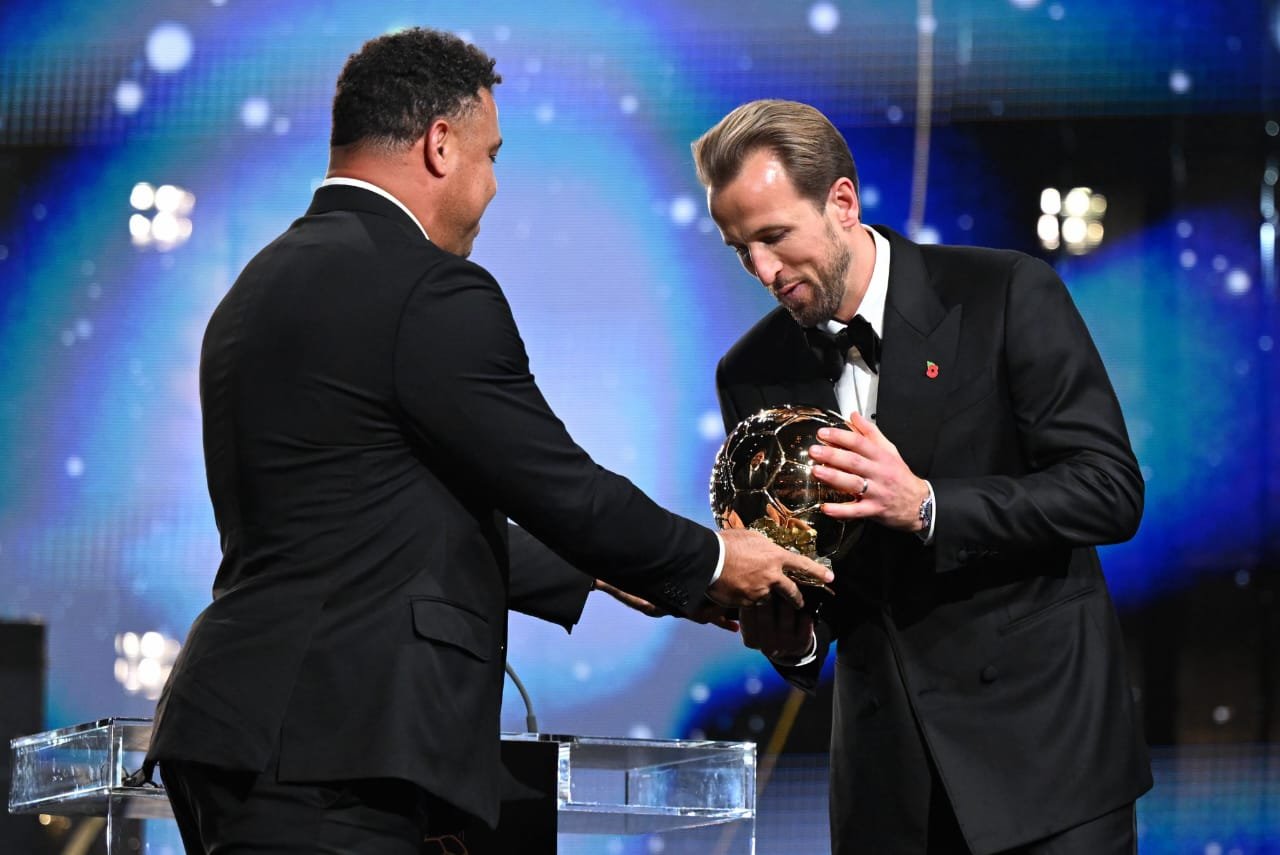
England captain Harry Kane says it was extra special to be presented with the Ballon d’Or by one of his childhood idols.
Kane made the comment after receiving the prestigious award from former Brazilian striker Ronaldo Nazario.
“Ronaldo was one of my idols growing up,” Kane said.
The Bayern Munich striker described the moment as surreal, being honoured by a player he looked up to as a young footballer.
Kane was announced as the 2026 Ballon d’Or winner on Monday, October 26, at the London Palladium, marking the 70th anniversary of the award and the first time the ceremony was held outside France.
The 33-year-old beat stiff competition from second-placed Kylian Mbappe and Barcelona youngster Lamine Yamal to win his first ever Ballon d’Or.
He becomes the first Englishman to win the coveted individual award in 25 years since Michael Owen in 2001, and only the fifth Englishman ever after Stanley Matthews, Bobby Charlton, Kevin Keegan and Owen.
He is also the first Bayern Munich player to win the award since Karl-Heinz Rummenigge in 1981.
Kane won the award after a remarkable season in which he scored 61 goals in 51 club matches, the most a Bayern player has ever scored in one campaign.
Including England matches, it was 73 goals plus eight assists in 65 matches. His 73 goals is the second-highest single-season total ever behind Lionel Messi’s 82 in 2011-12.
Despite the goal haul, Kane did not win the Champions League or World Cup, with Bayern losing 6-5 on aggregate to Paris Saint-Germain in the Champions League semi-finals and England losing 2-1 to Argentina in the World Cup semi-final before finishing third.
The award was presented by Brazilian great Ronaldo Nazario, a two-time Ballon d’Or winner himself, adding what was described as a special dimension to Kane’s historic achievement.
By Edem Mensah-Tsotorme