News
Truth and how it’s communicated


There is an age-old question, the answer to which is earnestly important to all of us at all times: “What is truth?” There are those who would define it as a relative term—those who would say that what is commonly thought to be true by the constituted authorities of any particular time or place is true for that time or place.
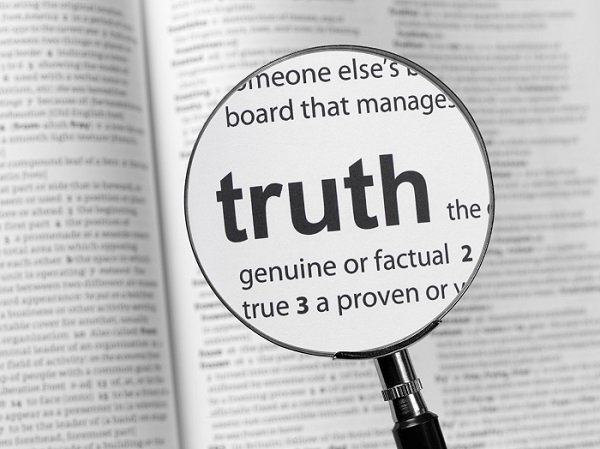
That is to say, what is generally believed to be true today is true for this day. But to say this is also to say that what was believed to be true yesterday was true yesterday.
In other words, if a man stands in the pulpit or at the marketplace or in the classroom and proclaims what he and his generation believe to be the truth, it is said by some that he is telling the truth. This sounds very plausible until we reduce it to specific cases. There was a generation that believed and proclaimed that the world was flat.
They were sincere in this belief, and they thought they were proclaiming truth, but that didn’t make the world flat, and the truth was and is that the world was not and is not flat. And so we could go on multiplying examples of what people have believed and have not believed, suddenly to come to the realisation that no matter what men at a given time happen to believe, if it isn’t true, their belief doesn’t make it true.
Truth cannot be made or unmade by arbitrary authority, nor by the belief or unbelief of any man or any generation of men. “And ye shall know the truth, and the truth shall make you free.” But a falsehood or an error couldn’t make a man free. Indeed, it would shackle him with chains of ignorance. And so, we must come to the conclusion that truth is not an unpredictable variable but a determinable constant.
Popular conception of what constitutes truth can change, but not truth, for “truth is knowledge of things as they are, and as they were, and as they are to come.” And it doesn’t matter where it is found or who discovers it, it is the common property of the whole universe.
Our knowledge of it may increase; our ignorance concerning it may be profound; our willingness or unwillingness to accept it may vary, but what is fundamentally true today will always be true.
Truth is eternal, and never shall we be called upon by that God whose glory is intelligence and whose first law is order, to discard any fragment of truth, scientific or religious or whatever men may call it, but assuredly we may expect to be called upon to discard a good many of our theories and opinions.
There is a sentence from one of the writings of Samuel Taylor Coleridge that suggests a deeply significant subject: “Veracity,” he said, “does not consist in saying, but in the intention of communicating truth.”Too often it is assumed that the truth has been told if someone simply says the right words.
Too often it is assumed that a person has told the truth when actually he has told a half-truth and withheld the other half. But a person hasn’t told the truth when he has deliberately left a false impression, no matter what words he has used or how he has used them.
Men may mislead other men by the inflection of their voices, by insinuation and innuendo, by gesture, by what they suggest rather than by what they say, and by what they leave unsaid.
They may say so much and imply much more, and then hide behind the literal limits of language. In many such ways men frequently falsify and often we could not legally prove that they had perpetrated an untruth, yet morally we may know that they intended not to tell the truth.
There are those who, as Isaiah indicts them, “Make a man an offender for a word”those who resort to slick, legal loopholes, those who insincerely rely upon the letter of the law and ignore every intention of honour and honesty.
Words can be wonderful, but whatever our words we shall ultimately have to answer for the broad intent of our actions and utterances not merely for legal terminology or technicalities, not merely for the letter of the law.
The whole intent of a man, what he means to do and what he means not to do, what he means to say and what he means not to say, what he thinks in his heart, what he is in, his soul, are all involved in “telling” the truth; for which we are all accountable before our fellow men and before our eternal Father.
God grant that in our time we may hear and know and speak and write and live the truth, not rely on tricky technicalities or, legal loopholes or ambiguous utterance that is a mere mask for falsehood.
To close with the words with which we opened: “Veracity does not consist in saying, but in the intention of communicating truth.”The mere appearance of truthfulness is not enough.


The Ghana Health Service (GHS) will undertake a nationwide Human Papillomavirus (HPV) vaccination exercise in schools from October to December 2026 to protect eligible girls against cervical cancer and other HPV related diseases.
The exercise, organised in collaboration with the Ghana Education Service (GES) and its partners through the School Health Education Programme (SHEP), will be conducted in two rounds.
The first round is scheduled for October 19 to 23, 2026, while the second will take place from November 30 to December 4, 2026.
In a press release dated October 19, the GHS explained that health workers would visit schools across the country to vaccinate eligible girls aged 9 to 14 who have not yet received the HPV vaccine.
The exercise forms part of efforts to raise awareness about the routine HPV vaccine, increase vaccination uptake and strengthen the country’s routine immunisation programme.
The GHS has called on school authorities, parents, guardians, teachers and community leaders to cooperate with health teams to ensure the successful implementation of the exercise.
The Service reaffirmed its commitment to protecting the health and well-being of Ghanaians, particularly children, through vaccination and other public health interventions.
By: Jacob Aggrey
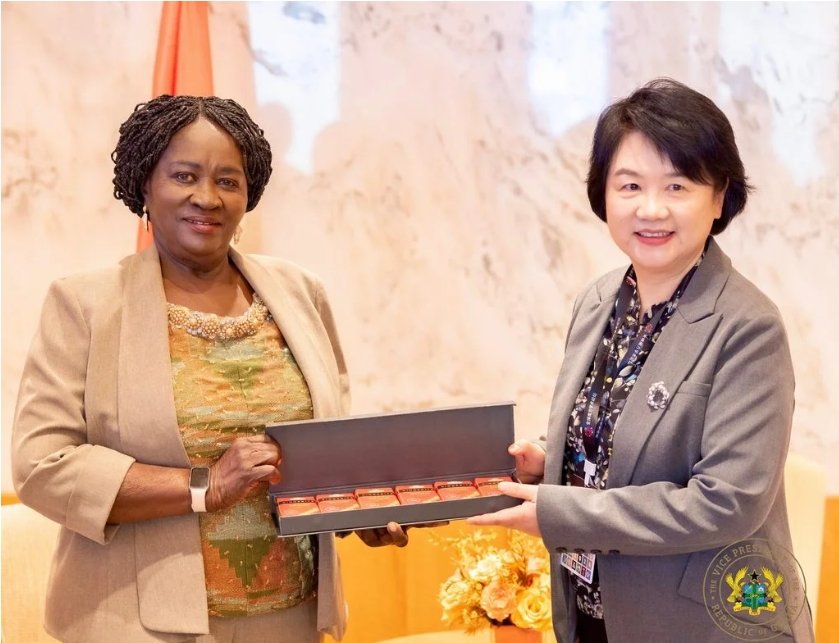
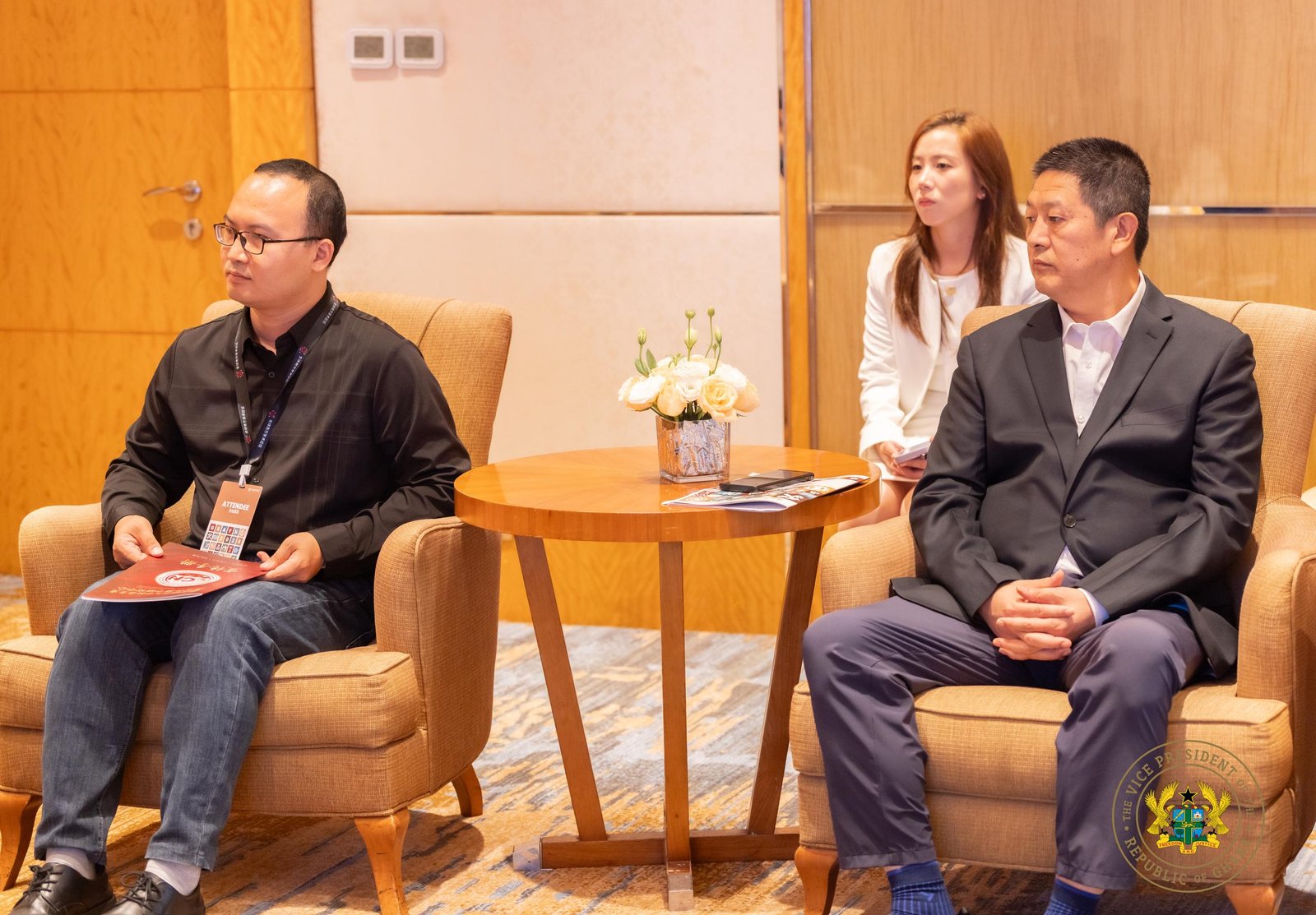
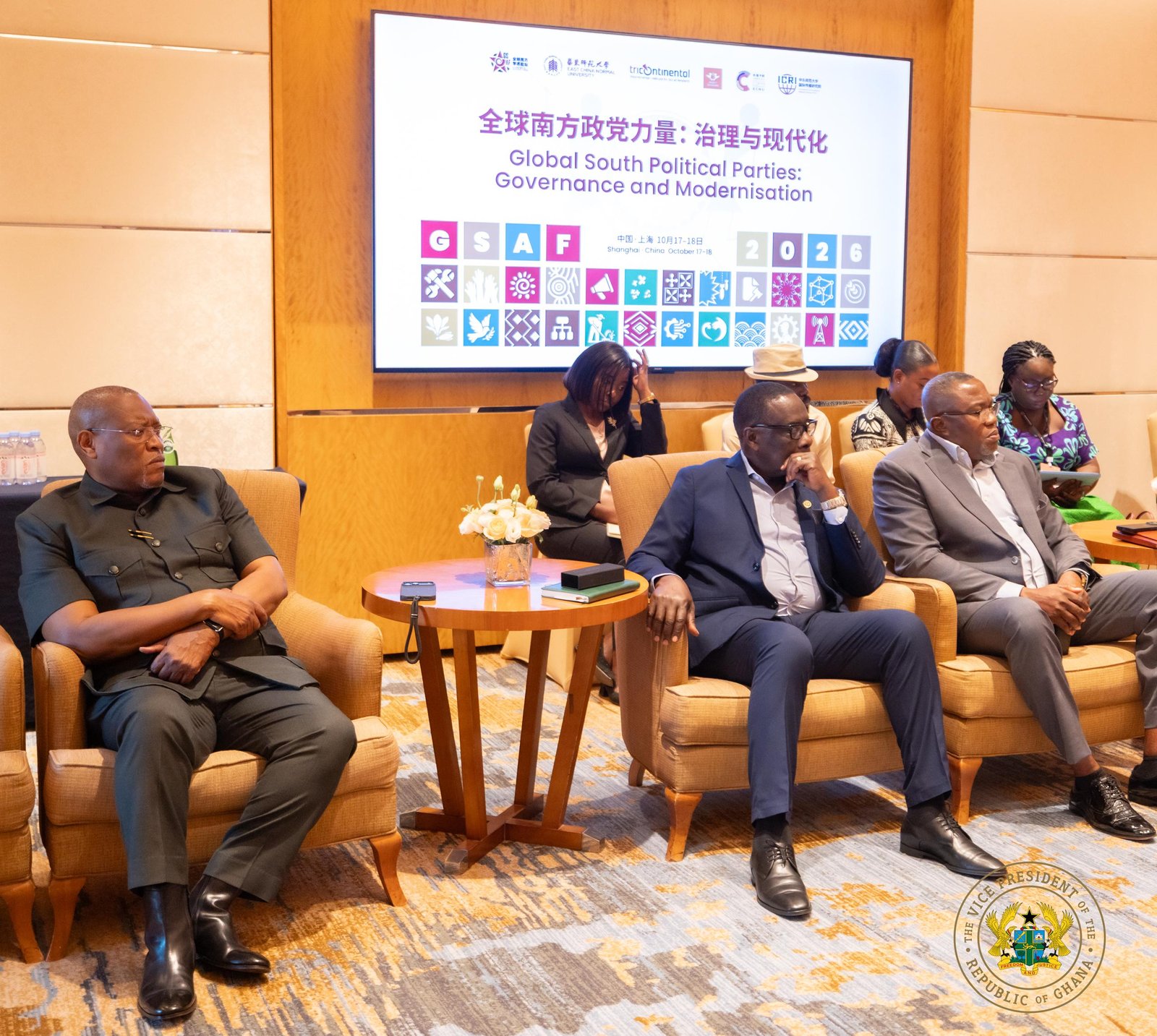
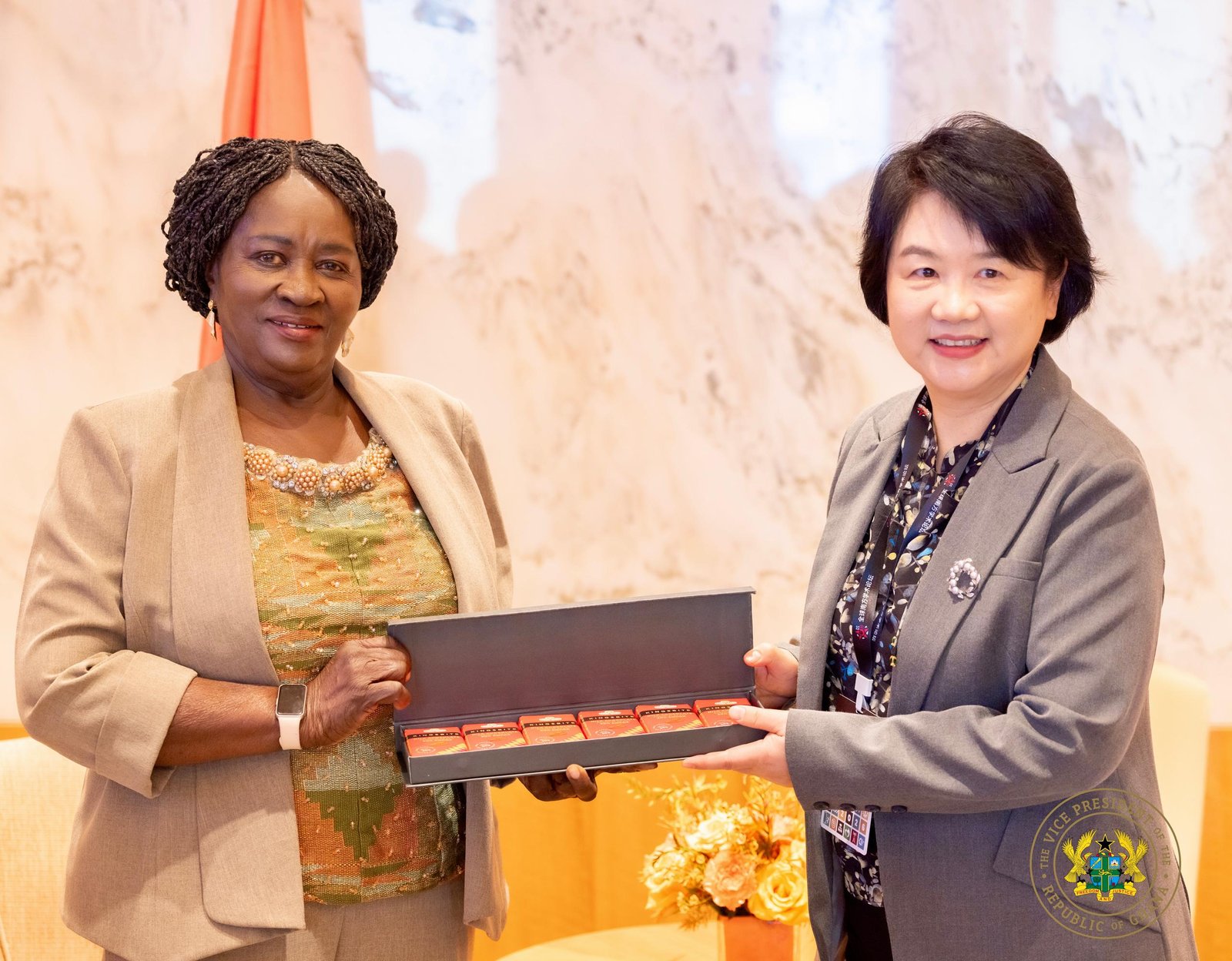
Vice President Professor Jane Naana Opoku-Agyemang has held high-level discussions with organisers of the 2026 Global South Academic Forum in Shanghai, seeking to draw lessons from China’s acclaimed rural revitalisation and poverty reduction drive.
The meeting, led by the Forum Chair, Professor Lu Xinyu, explored practical areas of cooperation and knowledge exchange between Ghana and China, with focus on community-driven development, fisheries and aquaculture, local governance, sports initiatives, and infrastructure development.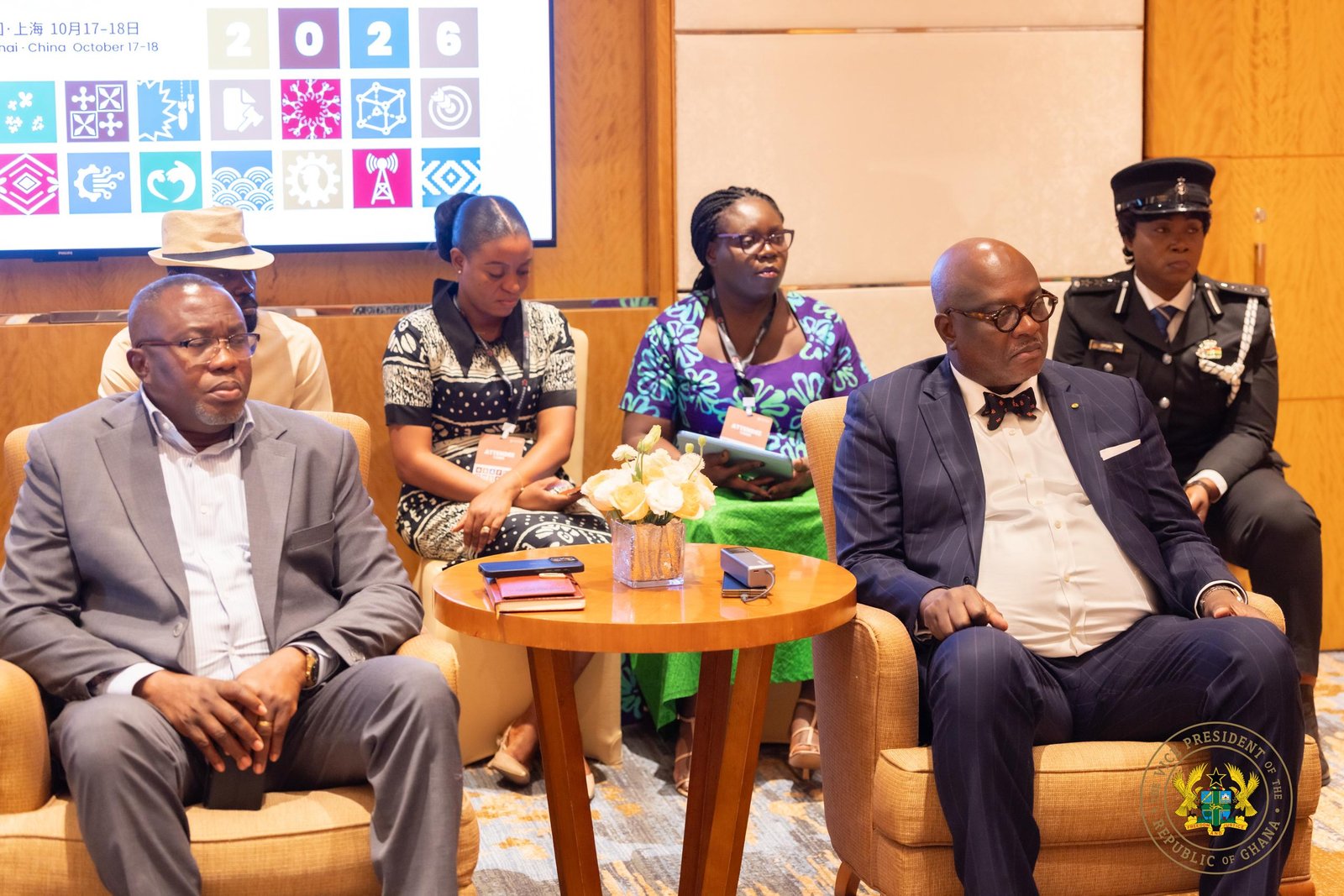
According to officials, the engagement is part of a broader effort by the Ghanaian government to study tested development models that can be adapted to the local context to promote inclusive growth, empower local communities, and improve livelihoods across the country.
China’s success in lifting over 800 million people out of poverty through targeted rural policies, investment in agriculture and local infrastructure has become a global reference point for developing nations.
The Vice President’s team says insights from the Forum will help inform policy direction, particularly in strengthening decentralised governance, boosting the fisheries and aquaculture sector, and investing in community-level infrastructure and youth sports development.
Professor Opoku-Agyemang is expected to continue engagements with academic and development institutions while in China.
By Edem Mensah-Tsotorme