Fashion
The rise of waist trainers in modern fashion

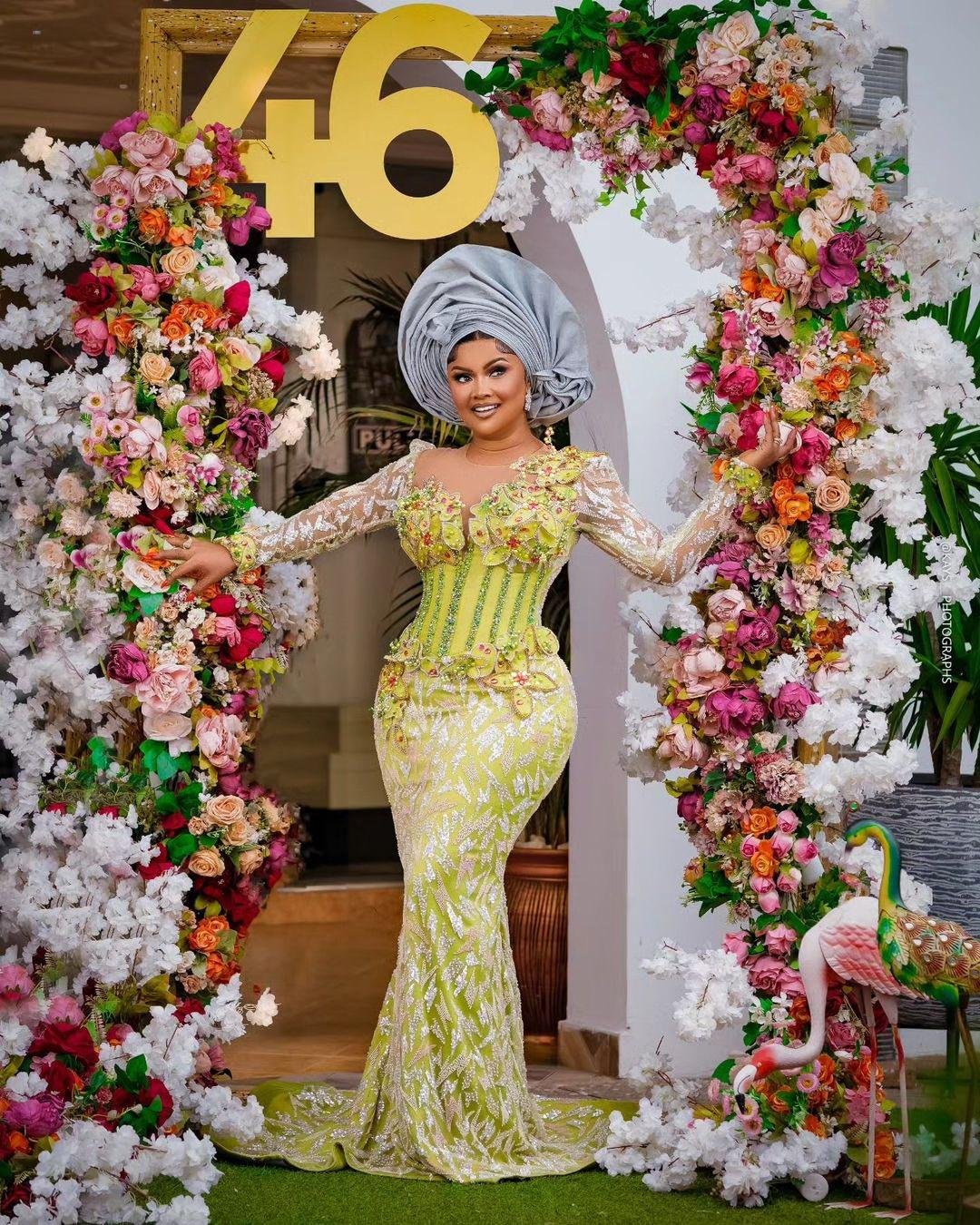
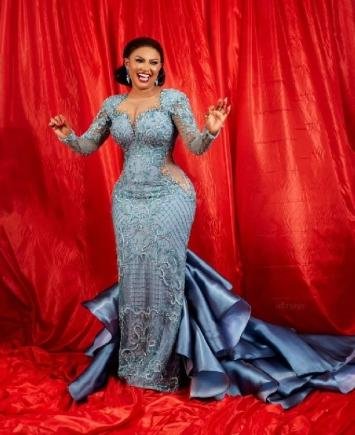
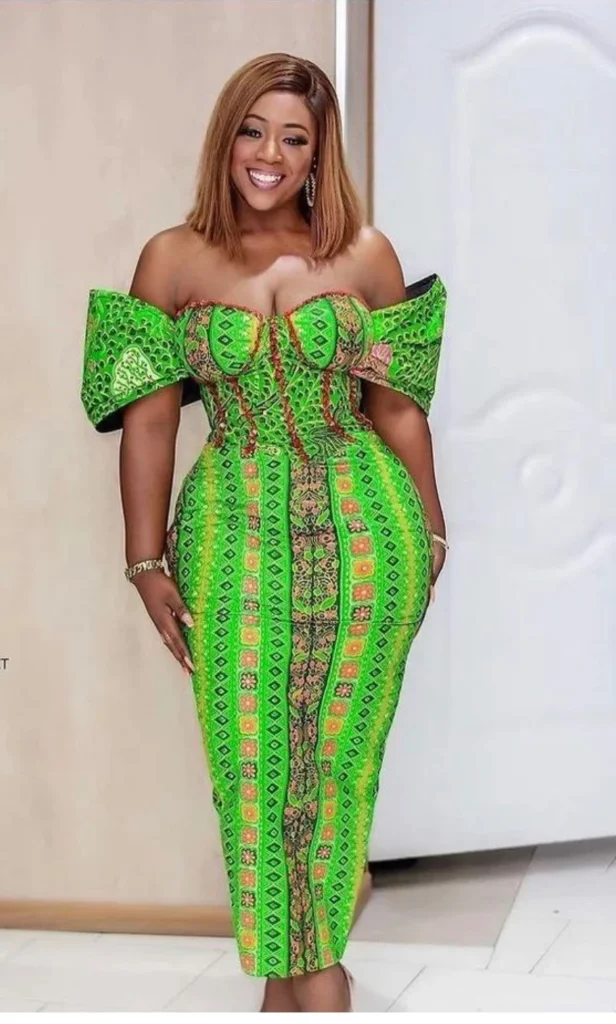
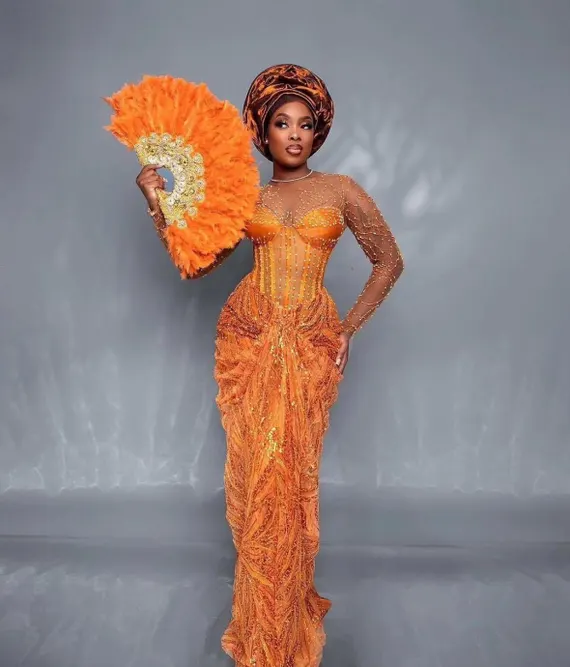
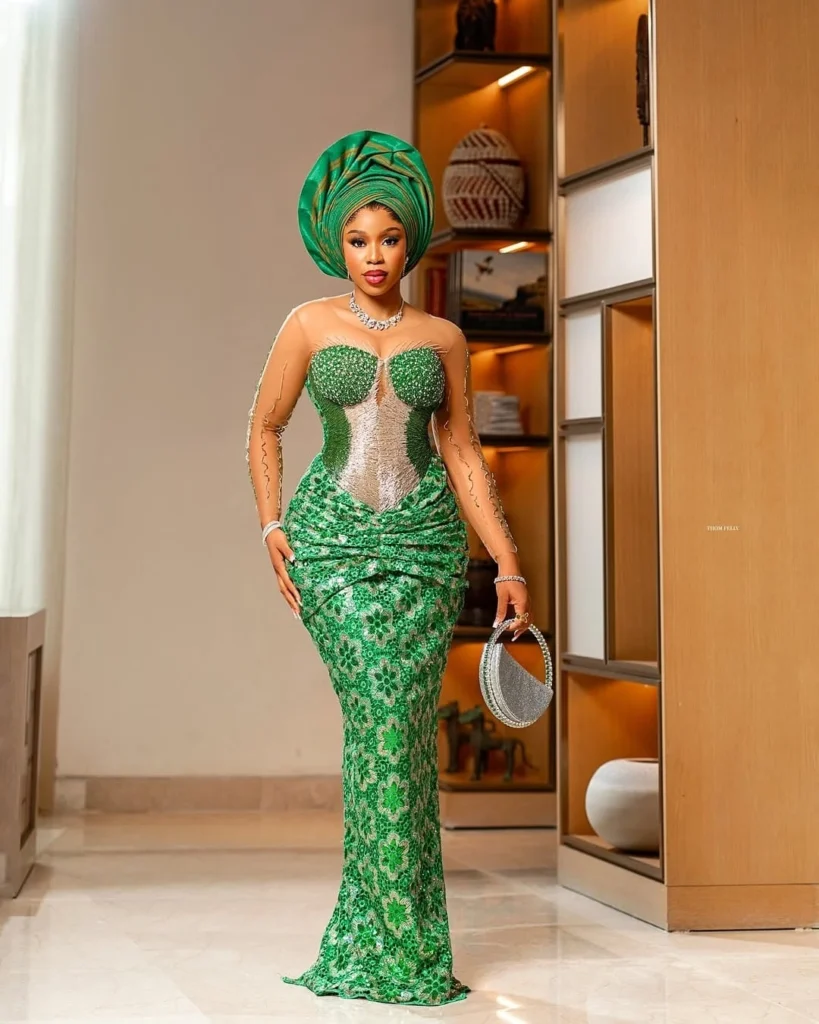
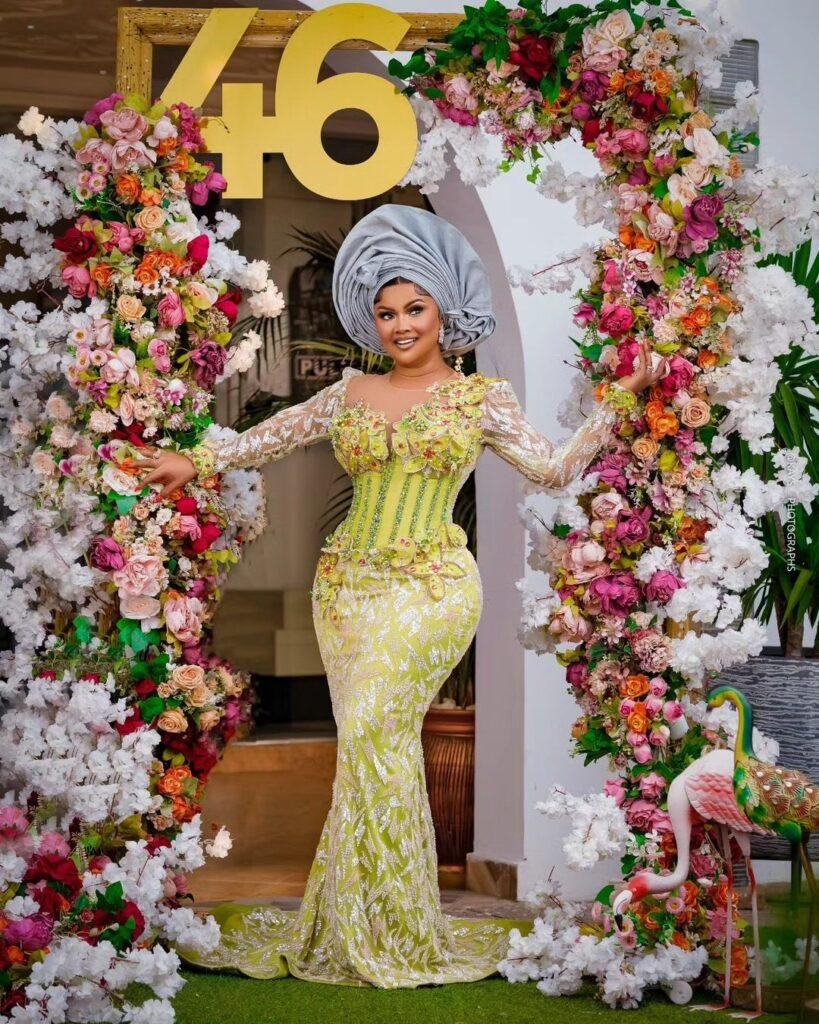
Waist trainers, once reserved for old-fashion corsetry, have made a comeback in today’s fashion and fitness culture.
Designers have seized the opportunity, introducing waist trainers in colourful fabrics and styles.
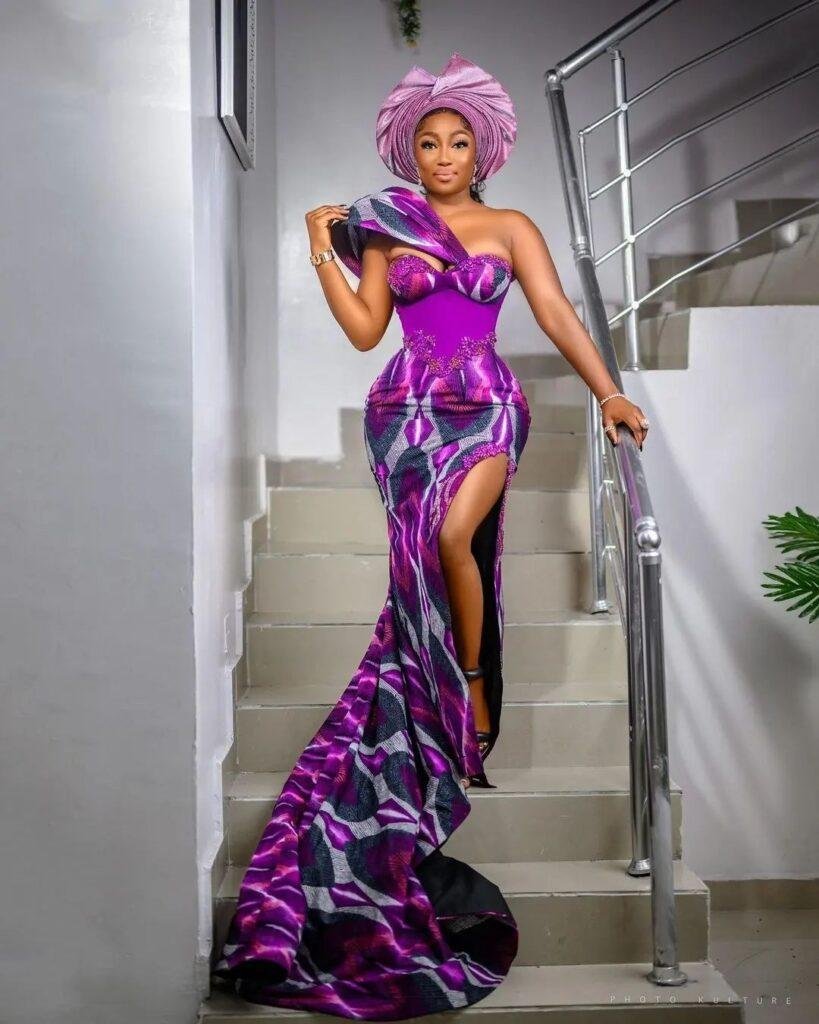
They are normally styled under dresses, tops and statement pieces which boost confidence of women and gives them the classy look.
However, from celebrities flaunting them on social media to every day women incorporating them into their work routines waist trainers have become more than a fashion accessory.
Some women start wearing waist trainers more often as their bodies change with age or after having a baby, feeling it is a need rather than a choice.
Waist trainer creates a smoother silhouette by shaping the body, making clothes fit better and can provide coverage and prevent undergarments from showing, or prevent a too-low cut from being immodest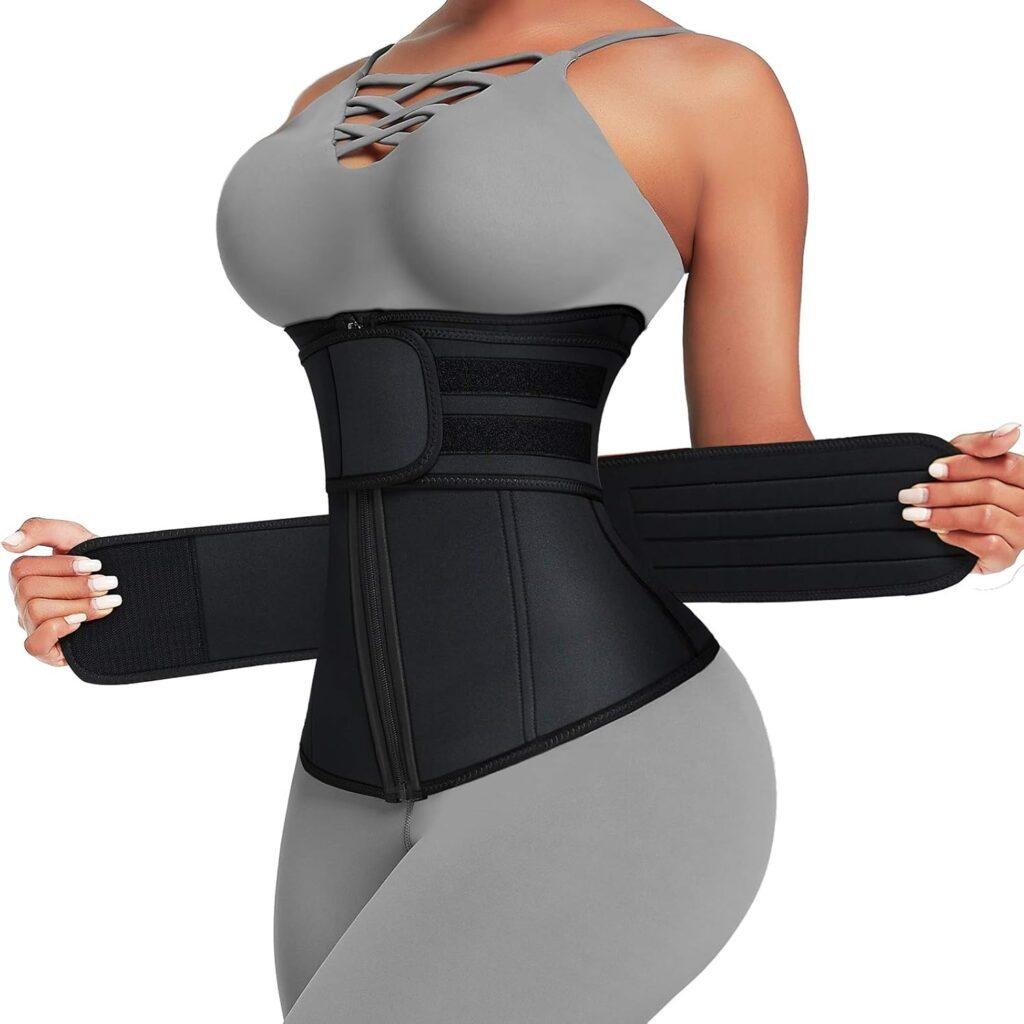

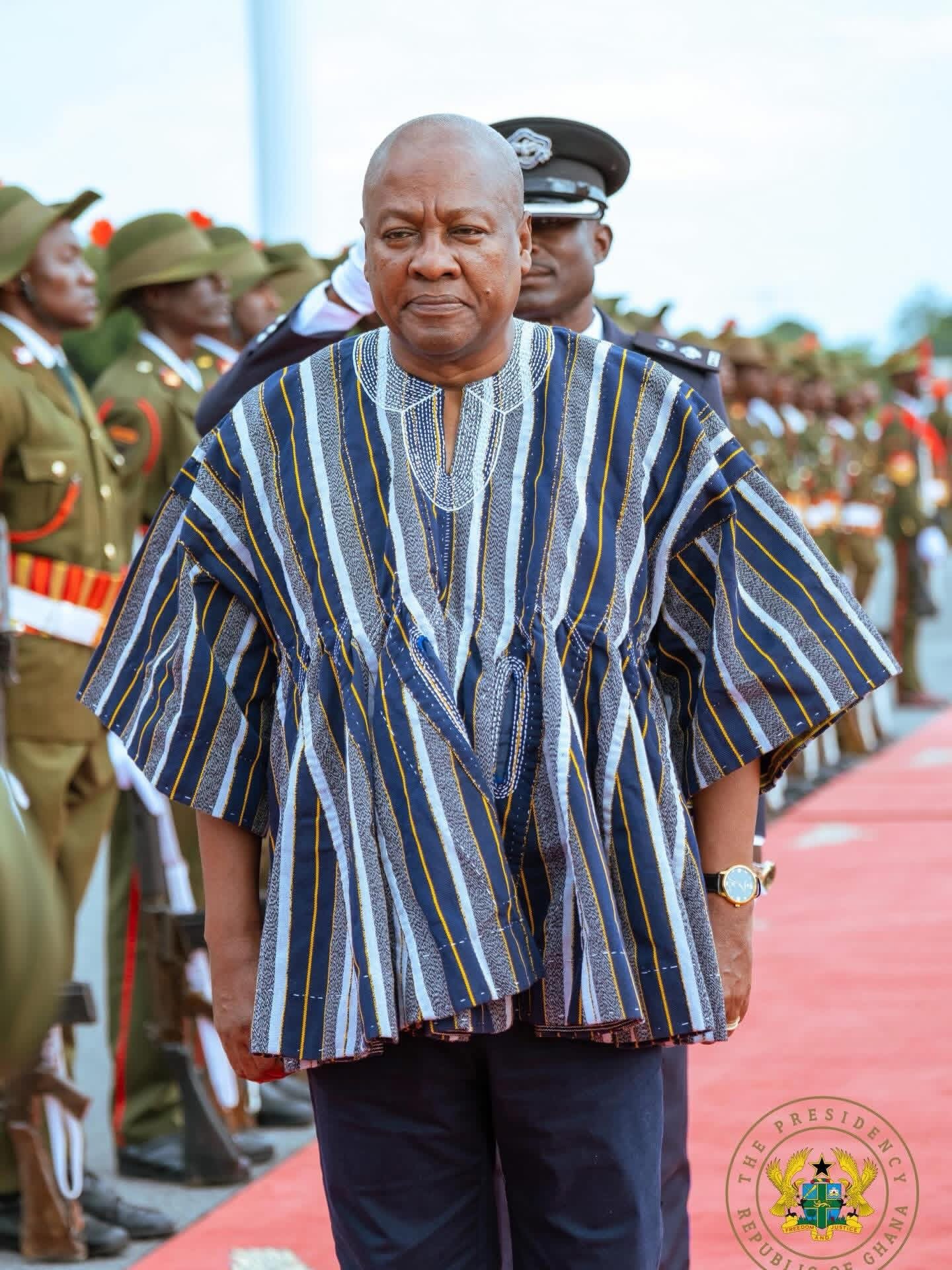
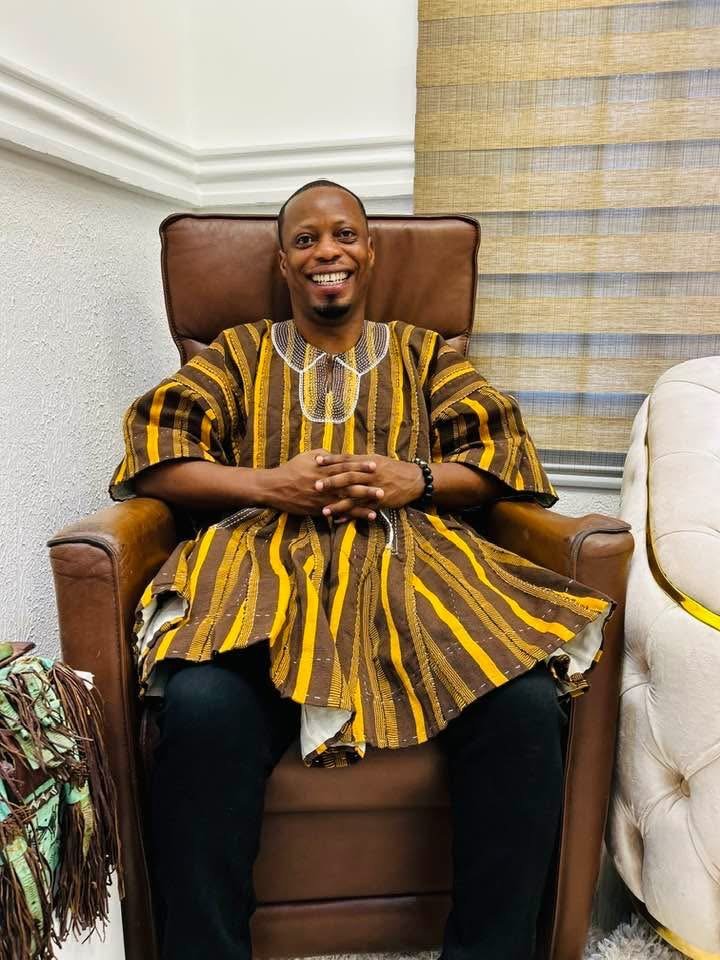
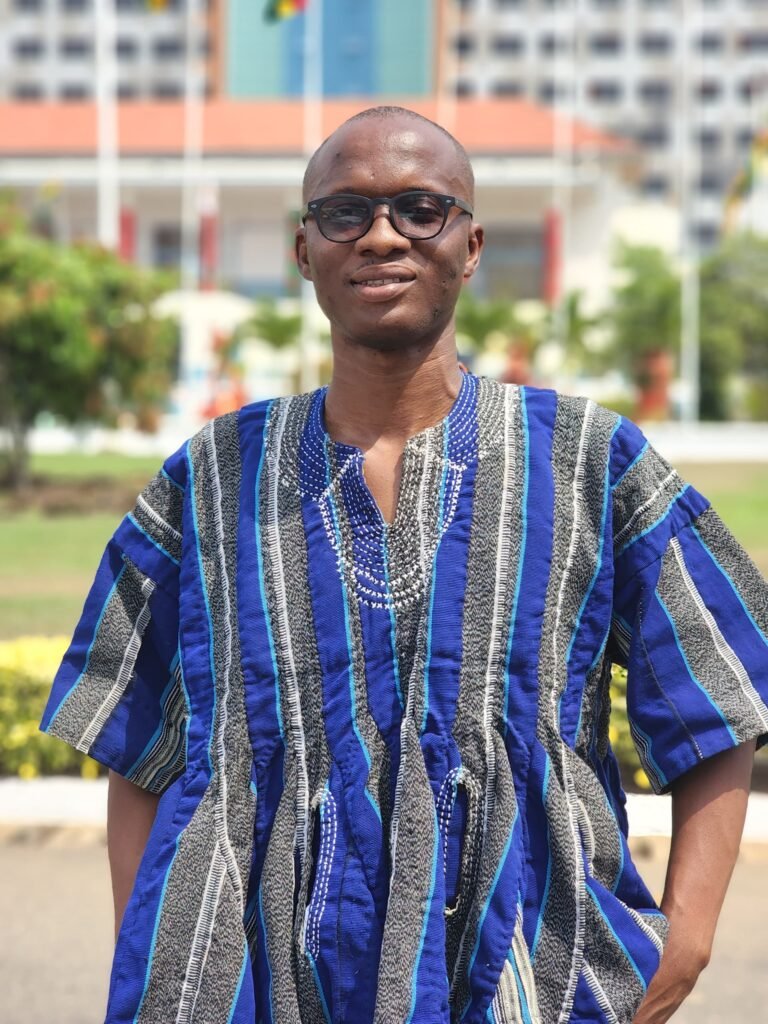
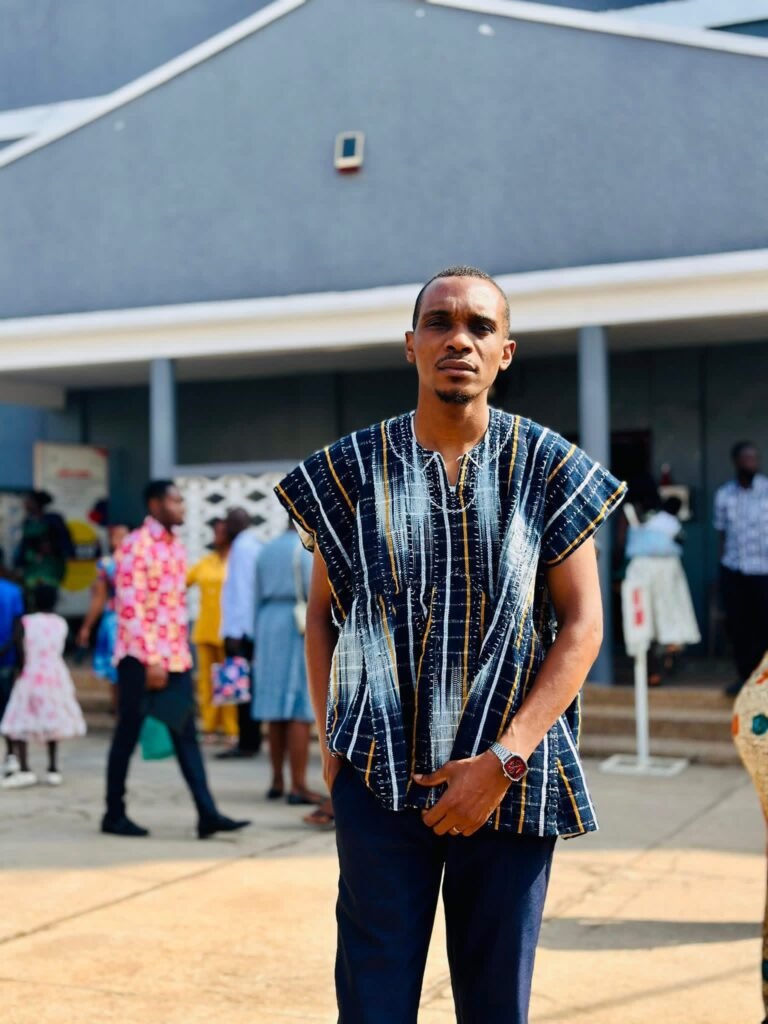
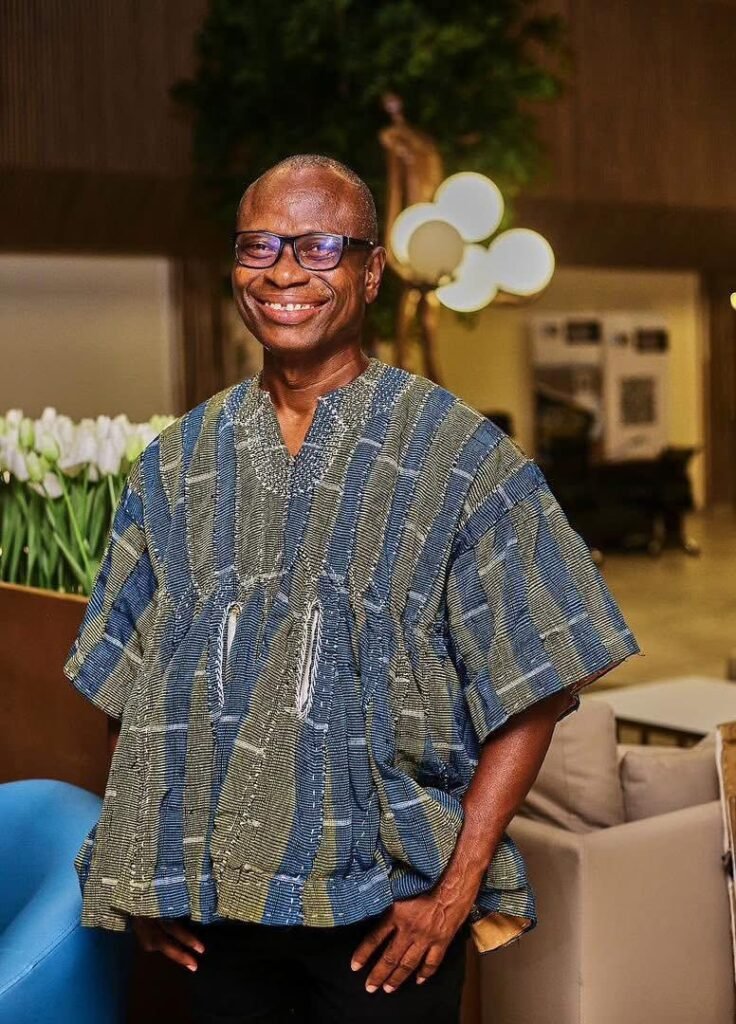
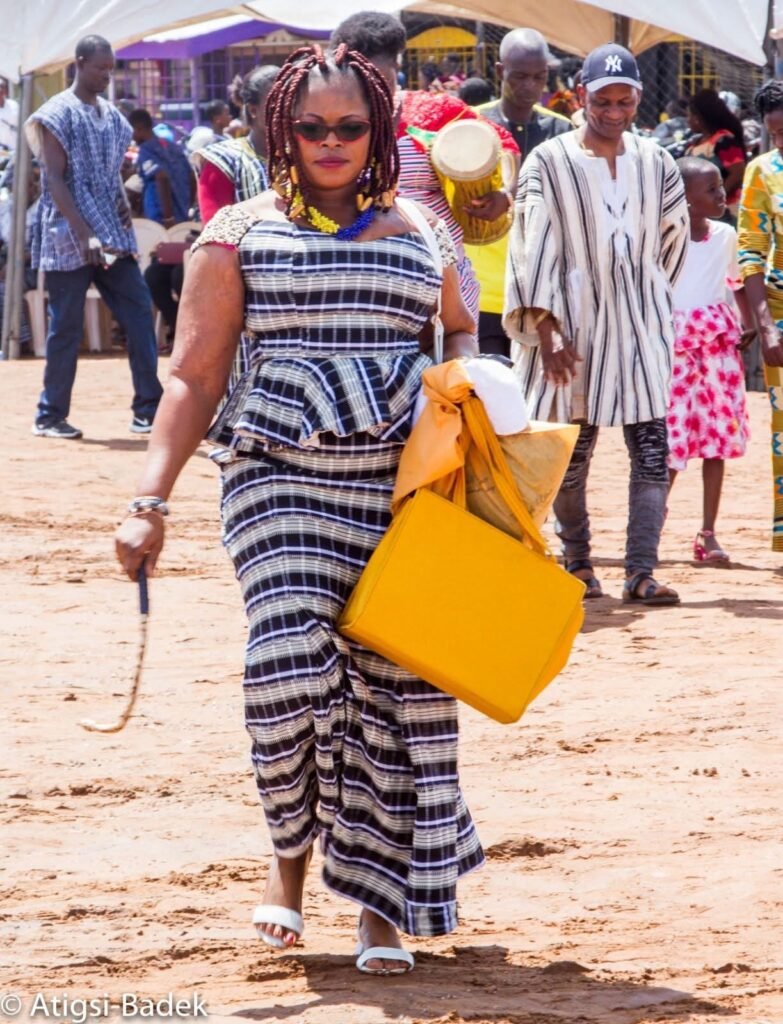
THE Fugu smock has gained acceptance in Ghana and other parts of the world. The outfit worn in multiple cultures is a popular choice for national events and cultural celebrations in Ghana.
The Minister of Tourism, Culture and Creative Arts, Madam Abla Dzifa Gomashie, has announced that every Wednesday be observed as Fugu day. This initiative was inspired by a photo of President John Dramani Mahama wearing a Fugu (traditional northern Ghanaian smock) during a state visit to Zambia.
Some Zambian social media users jokingly referred to the garment as ‘blouse’. Since then, individuals and corporate organisations have embraced the initiative, wearing the traditional outfit that symbolises strength, courage, and leadership.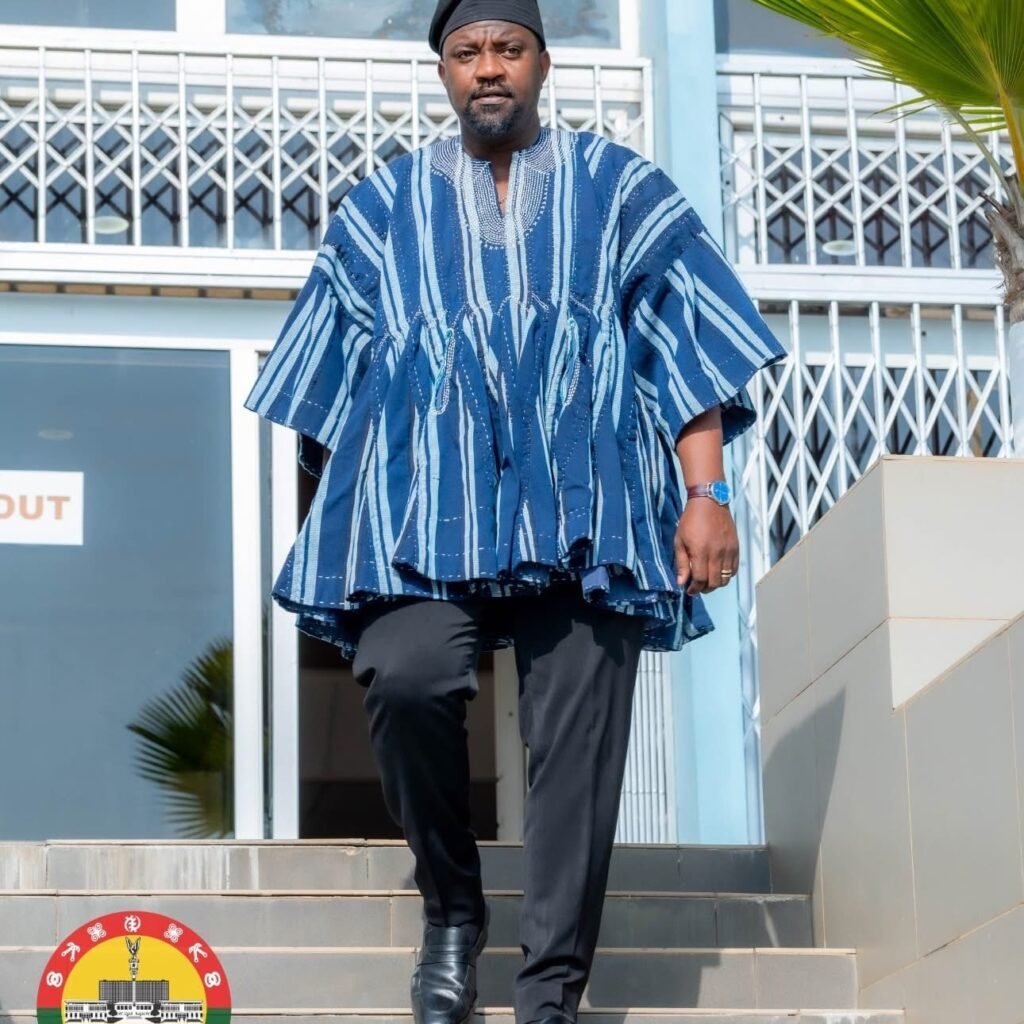
By Linda Abrefi Wadie
Join our WhatsApp Channel now!
https://whatsapp.com/channel/0029VbBElzjInlqHhl1aTU27

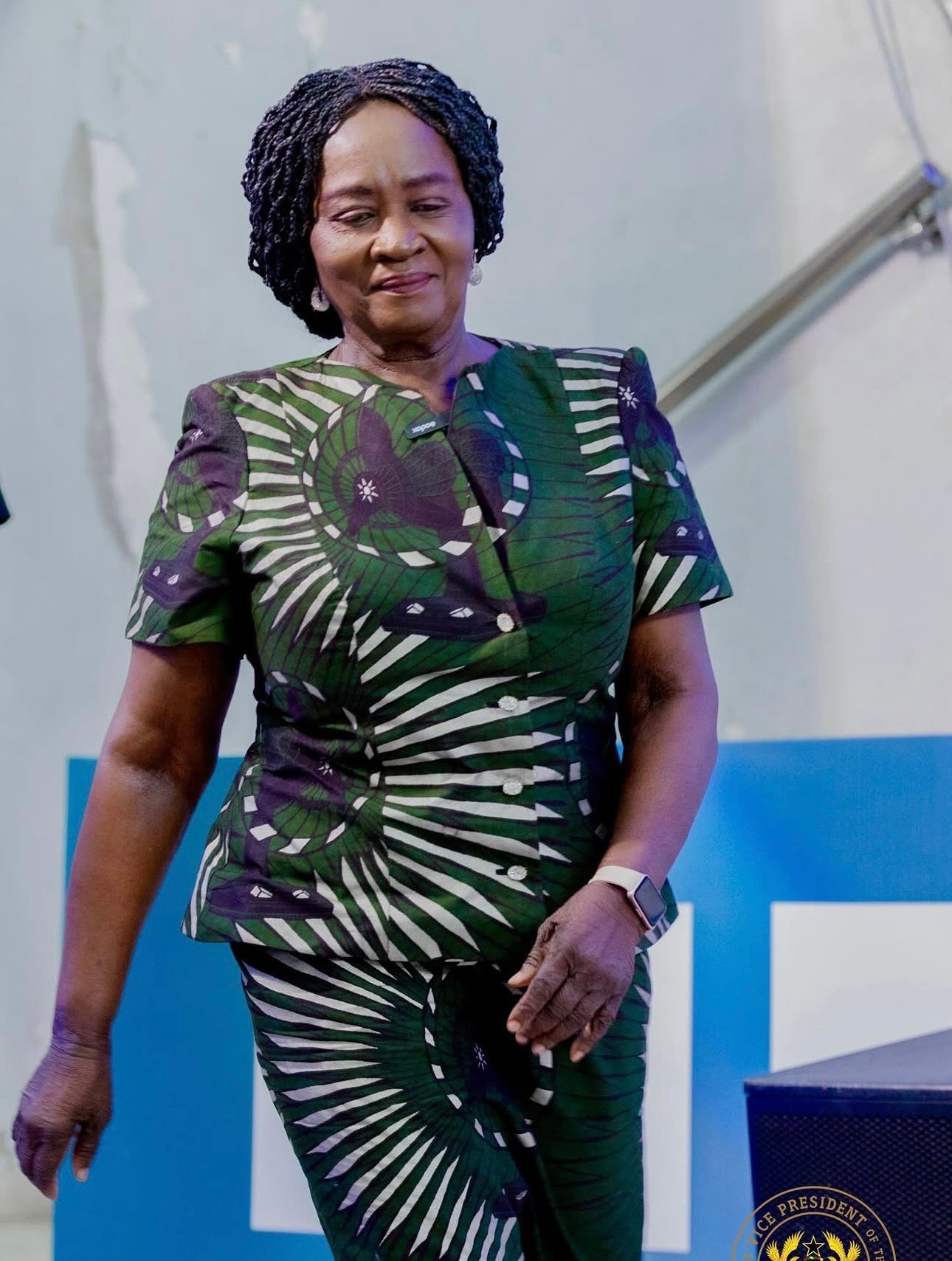
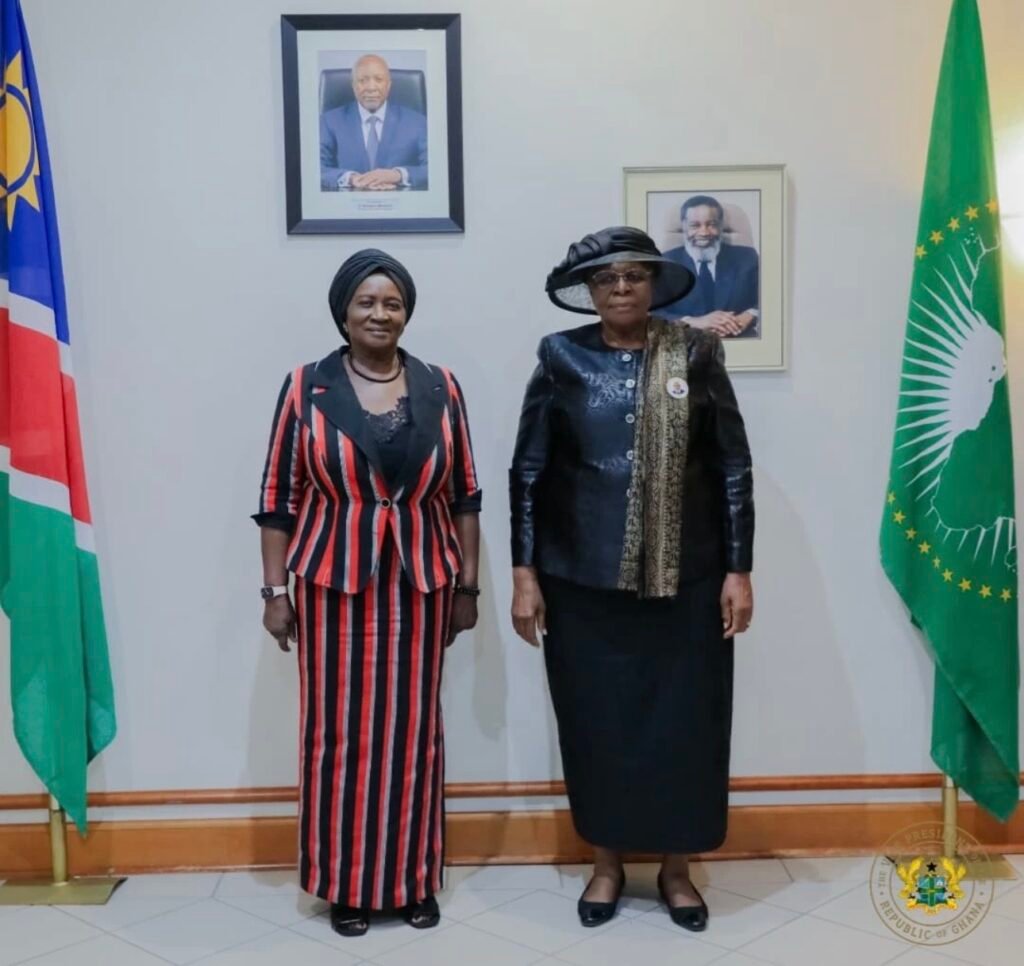
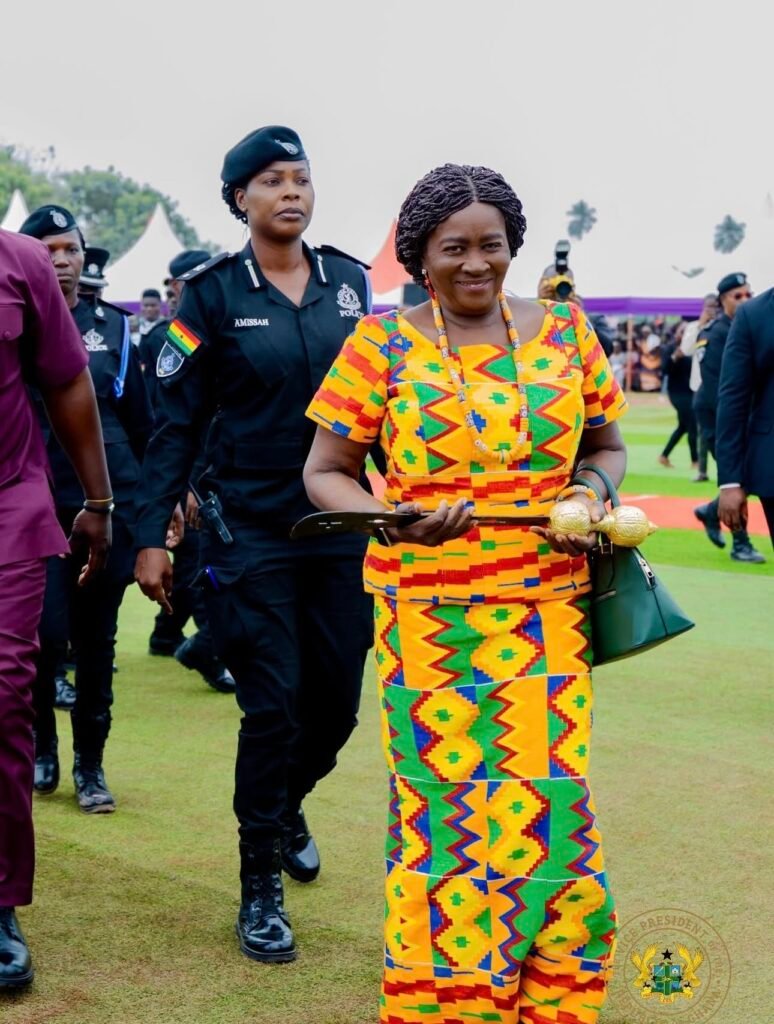
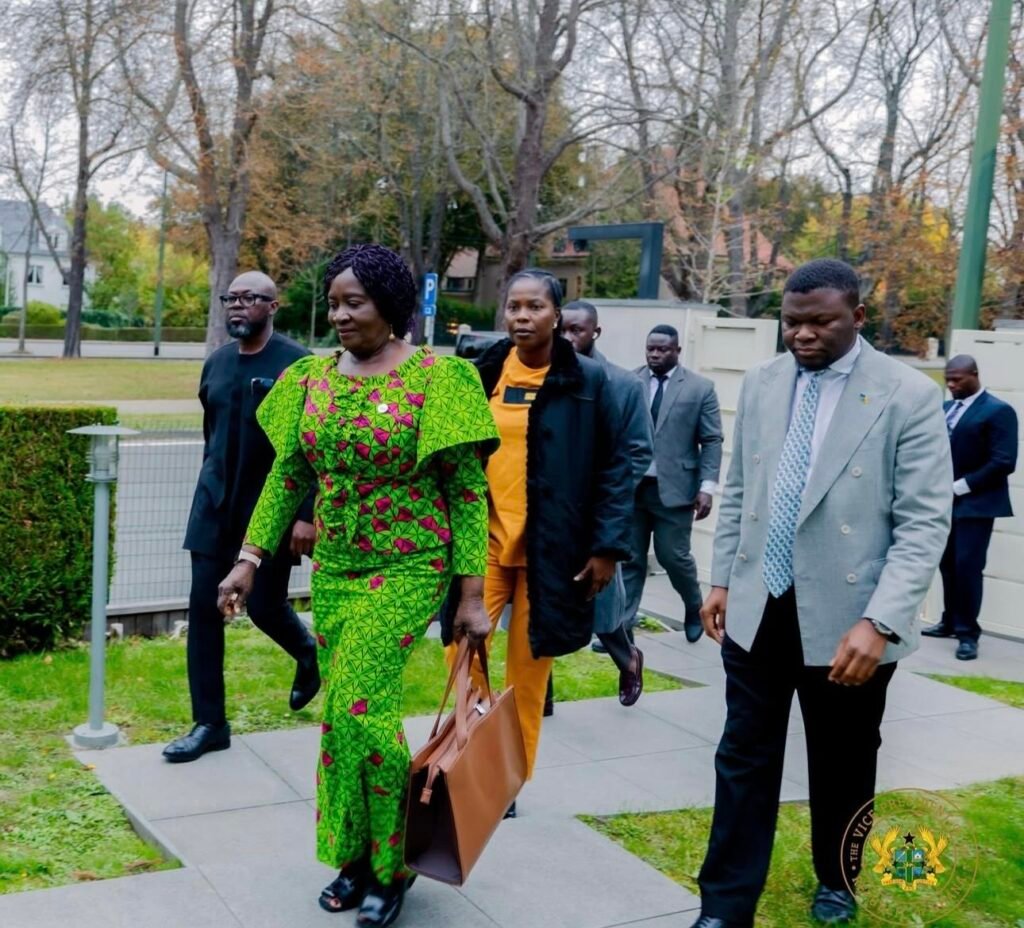
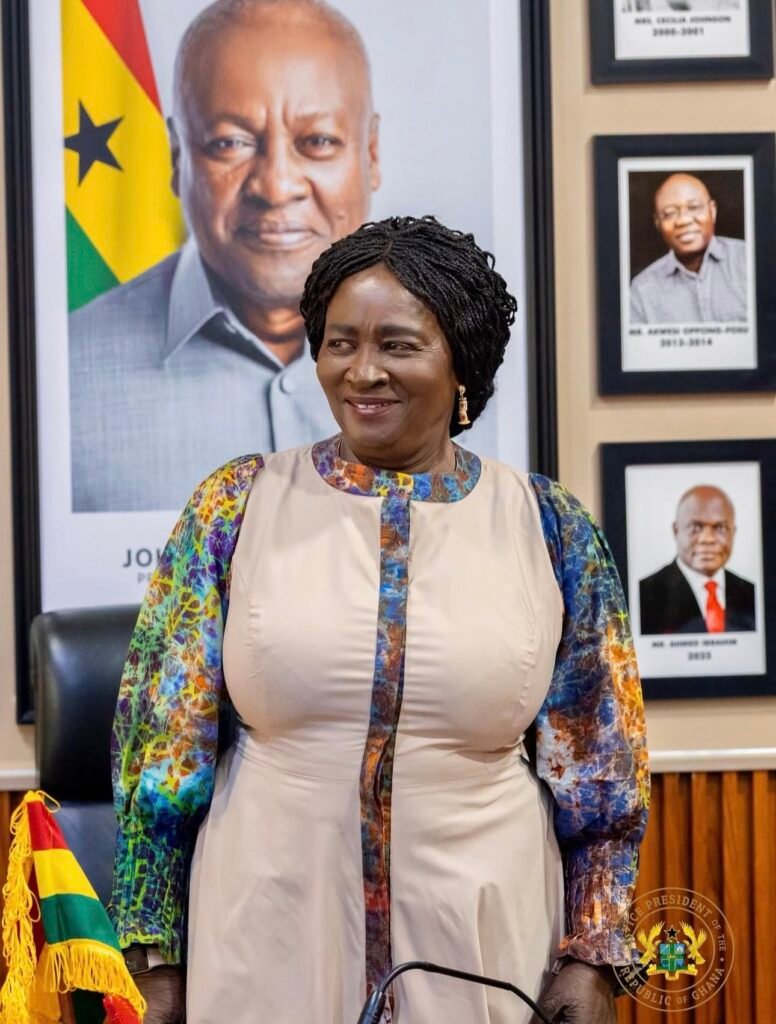
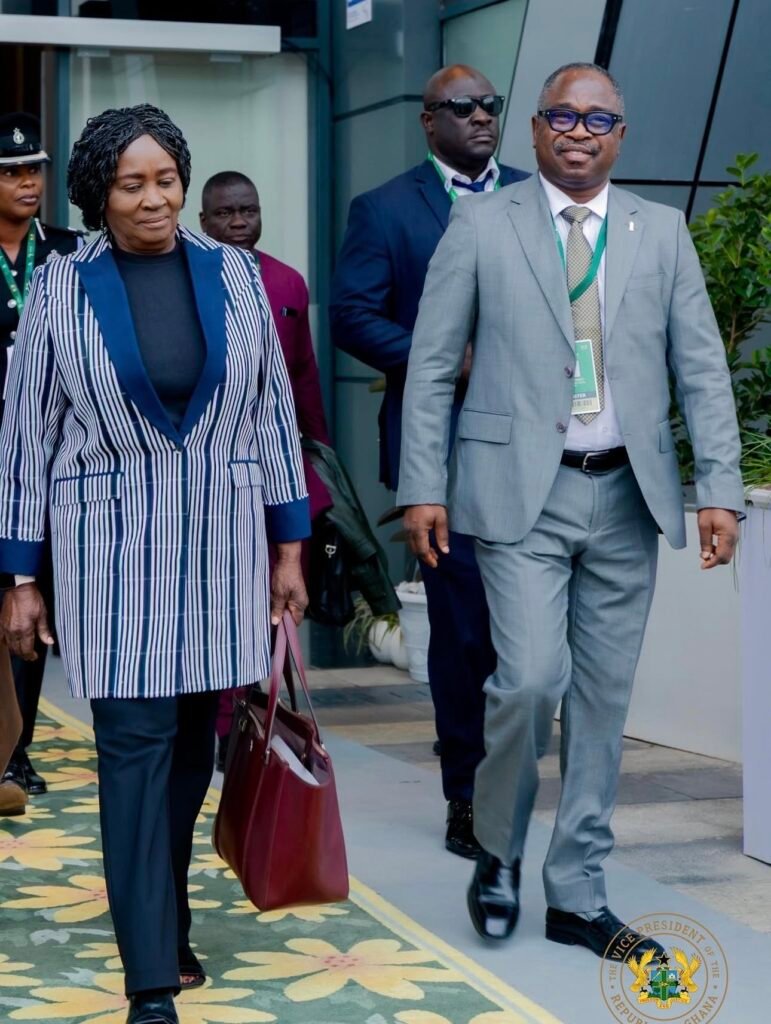
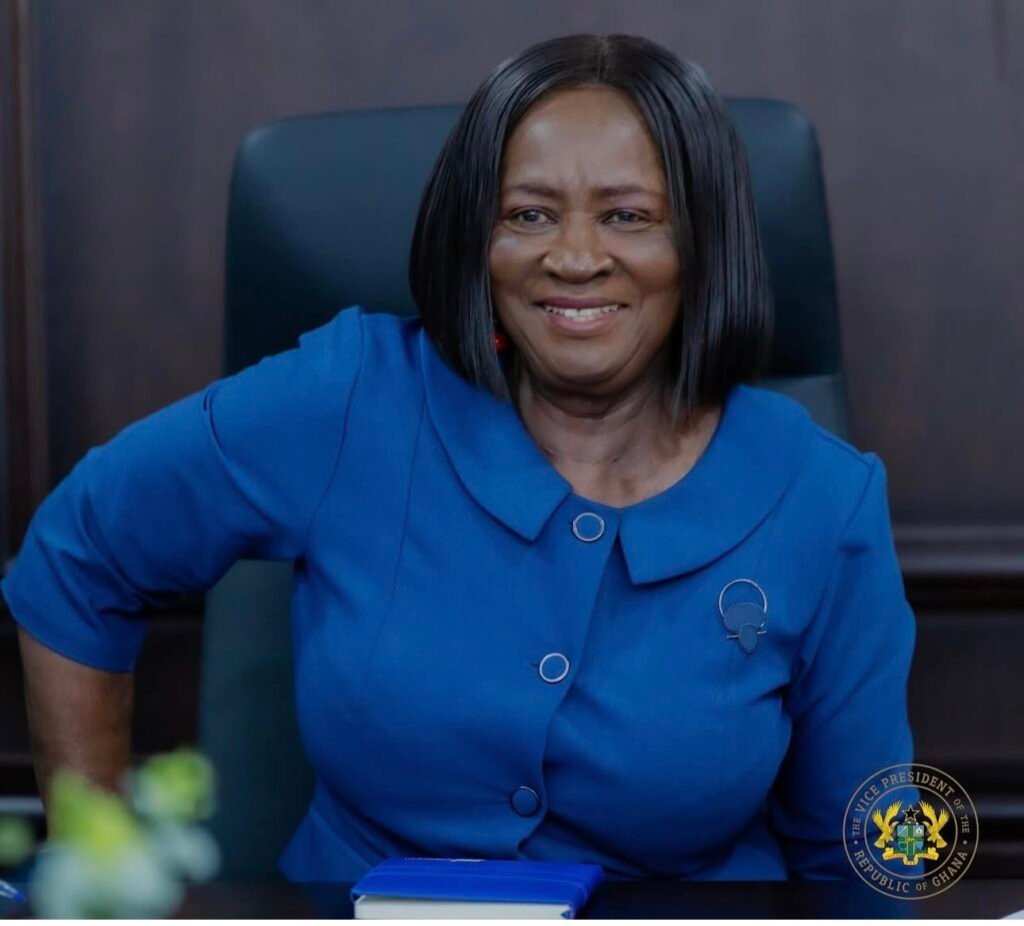
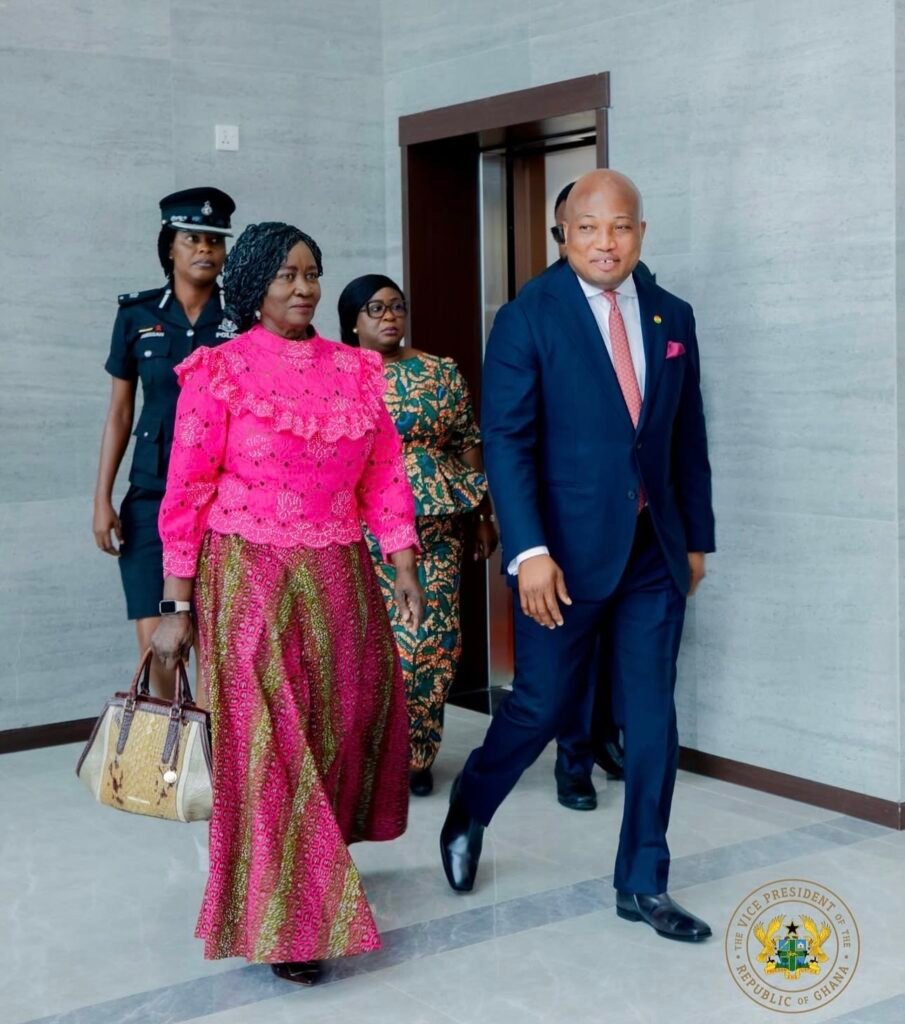
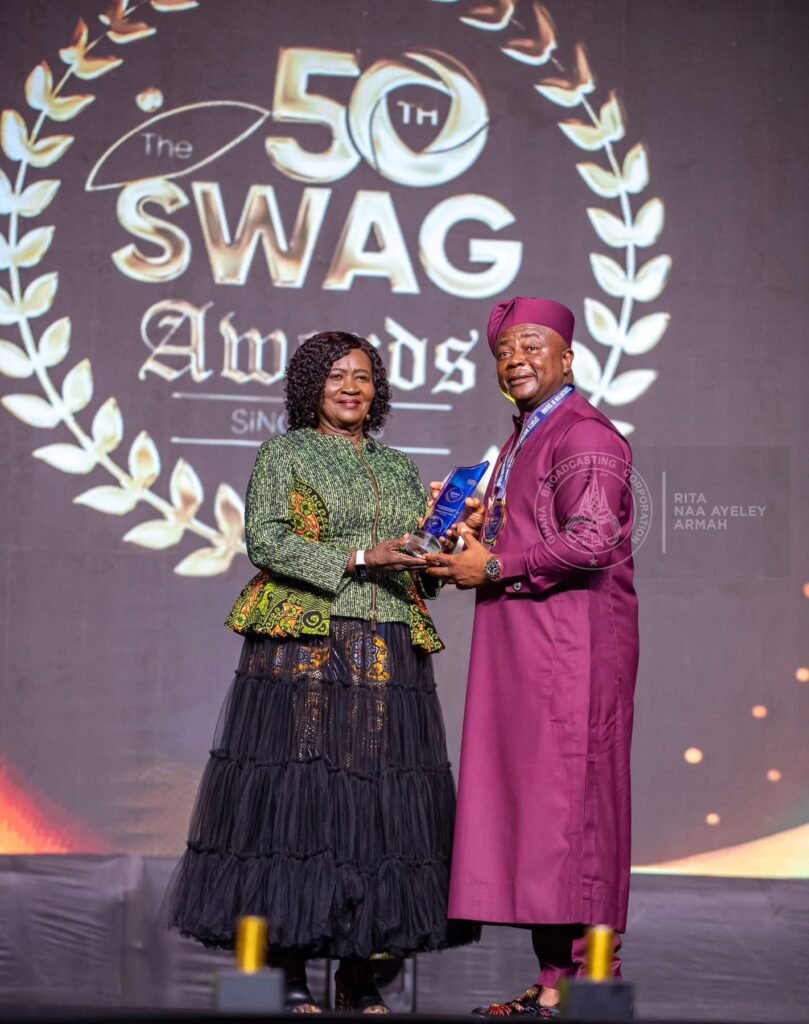
IN the grand halls of Ghana’s political stage, Vice President Jane Naana Opoku Agyemang has redefined what it means to dress for leadership.
Her fashion is not mere adornment, it is a deliberate statement of heritage, authority, and modern elegance.
At her swearing-in ceremony, she captivated the nation in an outfit designed by Ghanaian fashion icon Joyce Ababio. The ensemble was more than fabric; it was a tapestry of creativity, national pride, and symbolism.
By choosing a local designer, she underscored her commitment to Ghanaian artistry and the power of Made-in-Ghana fashion.
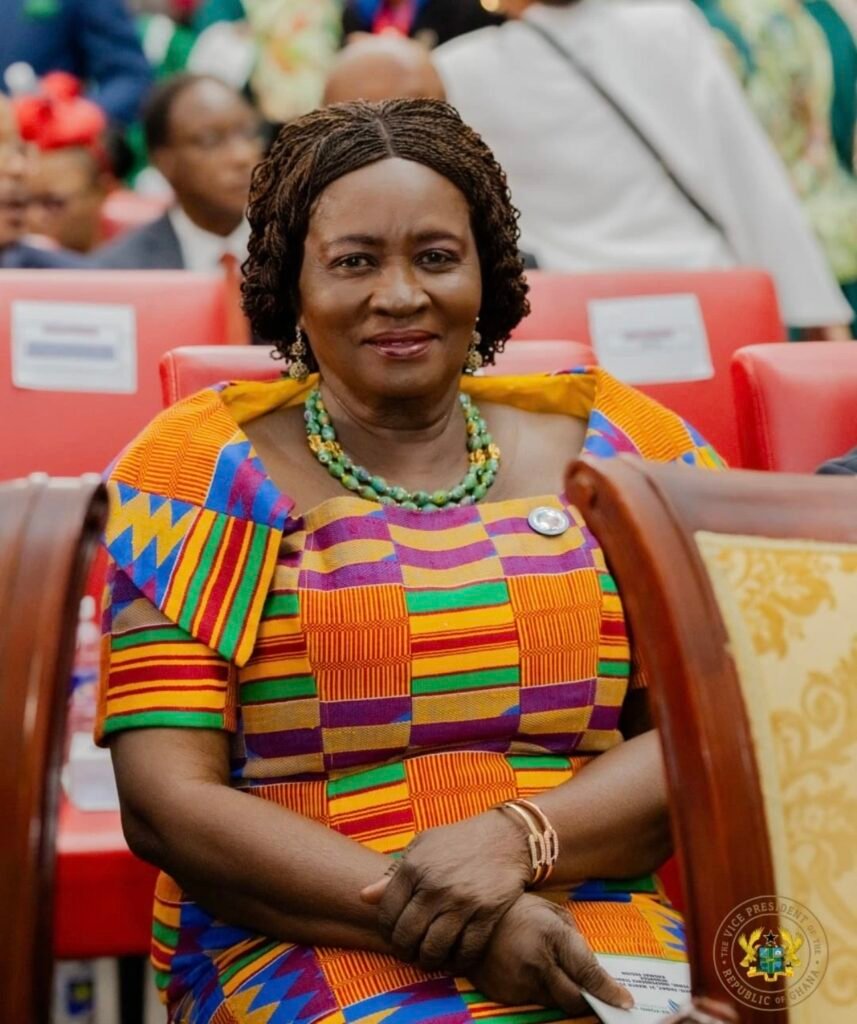
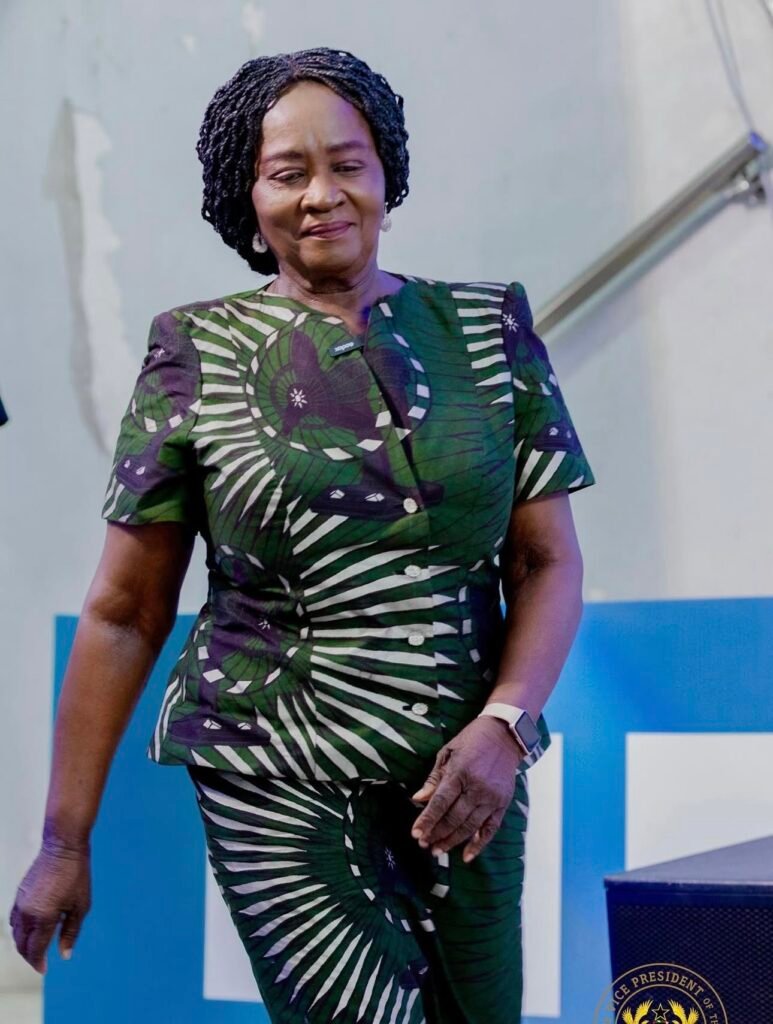
Her style identity blends regal African prints with tailored sophistication — flowing Kente-inspired gowns, structured jackets, and carefully chosen accessories to create a balance between authority and femininity.
Each outfit speaks a language of cultural pride, reminding the world that leadership can be both powerful and beautifully Ghanaian.
For young women watching, her fashion is aspirational. It says you can lead with intellect and grace, and you can wear your culture proudly.