News
State of Ghana’s Cinemas awful …NFA embarks on rescue mission

In the heart of Accra where stories once flickered across giant screens and laughter echoed into the night, a different story unfolds now; one of quiet, more uncertain, yet deeply human.
There was a time when going to the cinema was an event. It was where friendships were strengthened, families bonded and strangers became a community, if only for a few hours.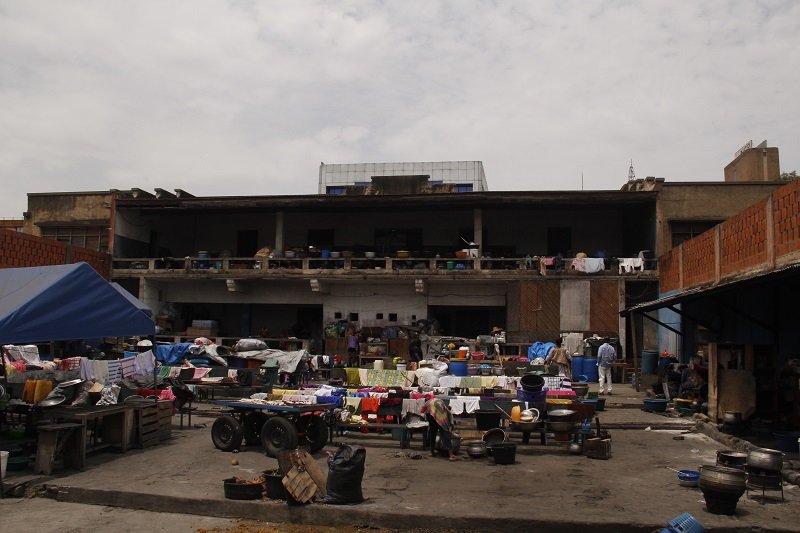
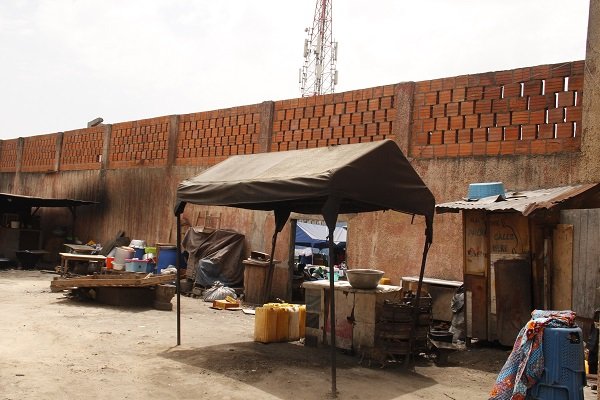
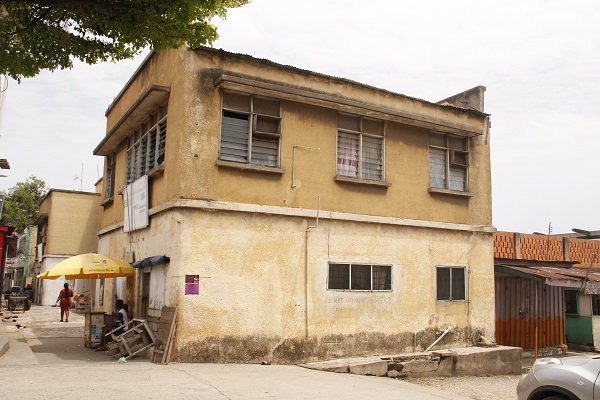
At cinemas like the Roxy, Rex, Orion, Globe, Opera, Palladium Royal, Kalamazoo, Miami and Regal, among others, people did not just watch films, they shared moments.
Today, those moments feel distant and a visit by The Spectator revealed a totally different story.
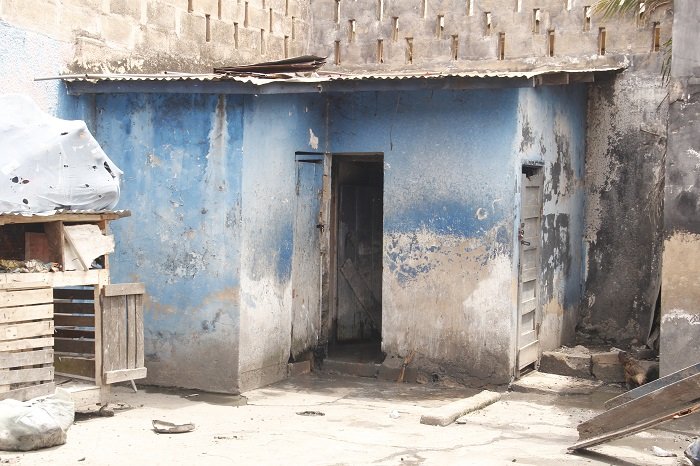
At the Roxy Cinema, the transformation was impossible to ignore. The once lively space has taken on a new life; one shaped not by entertainment, but by survival.
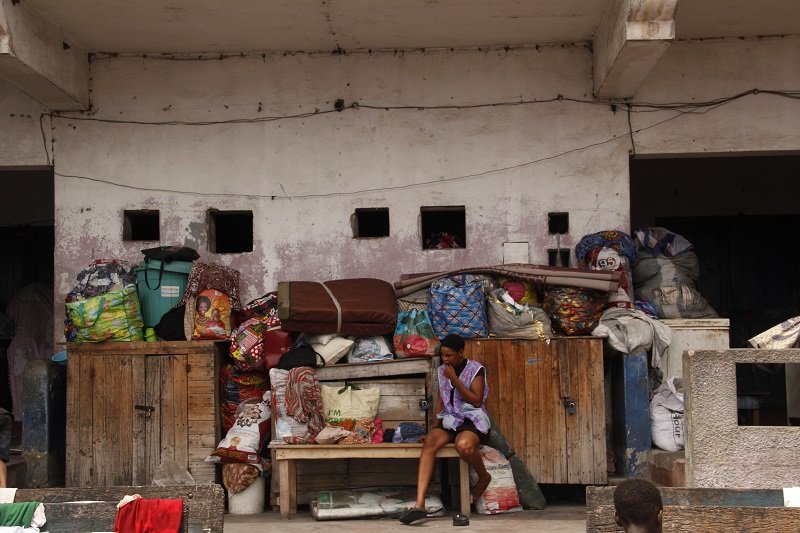
Under simple, makeshift shelters, women prepare meals over open fires. Nearby, colourful clothes hang across long wooden benches, the same benches that once held eager cinema-goers waiting for the show to begin.
Buckets, basins and cooking pots are neatly arranged in corners, turning what used to be a place of escape into something far more practical: a place to live and to work.
For those who now occupy the space, this is not about replacing cinema, it is about meeting daily needs.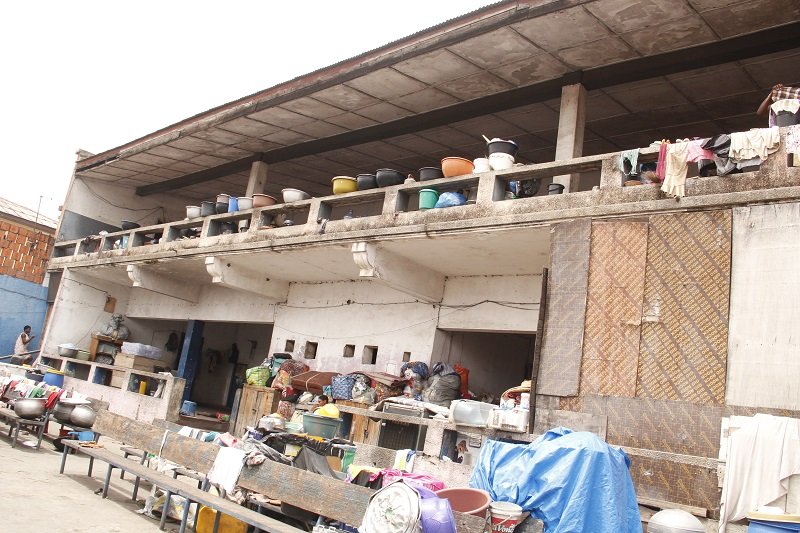
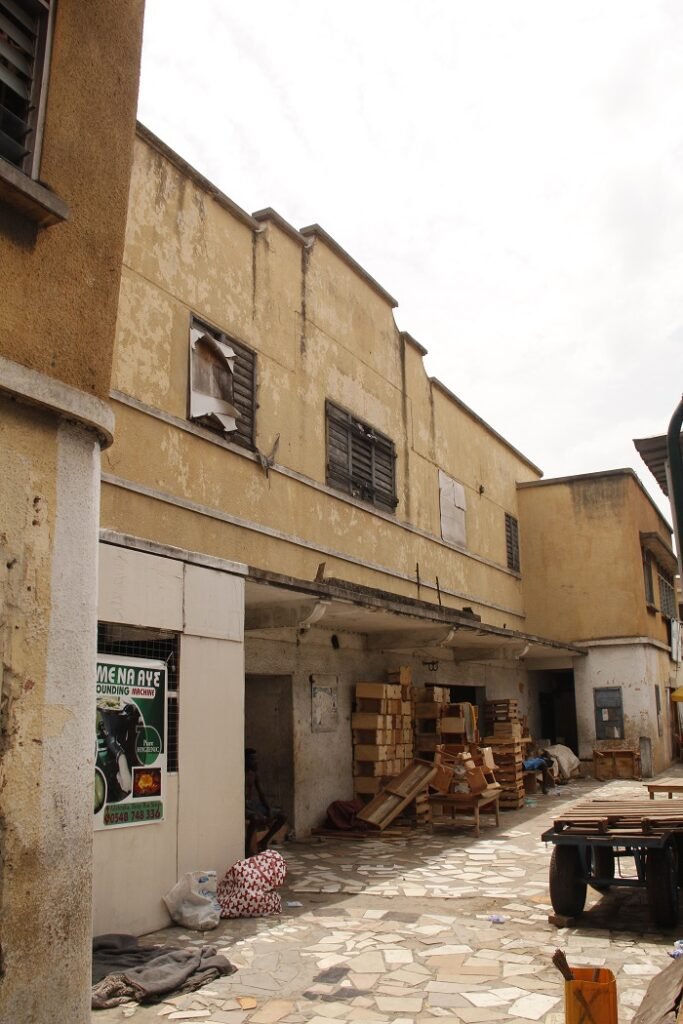
Not far away, the story at Rex Cinema unfolds differently, but leads to the same conclusion.
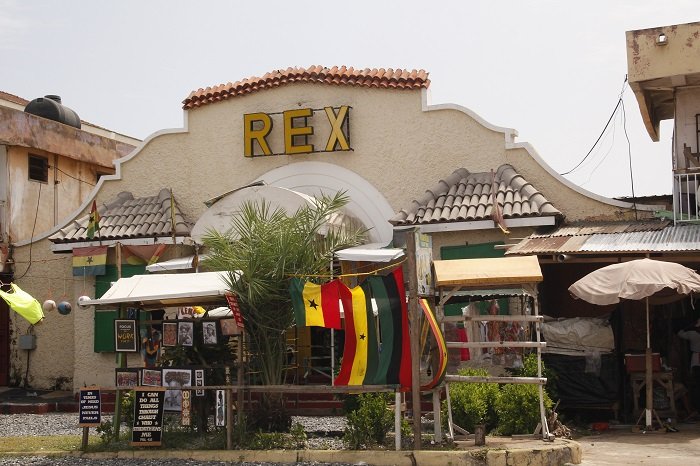
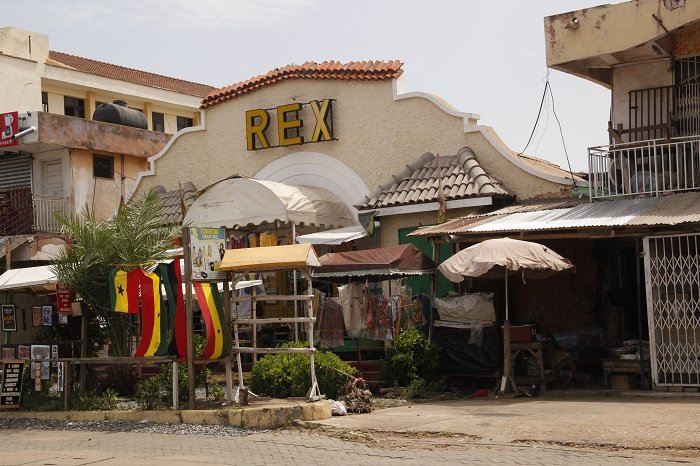
At the entrance of the Rex Cinema, the bold sign still announces its name, as if holding on to its identity. But behind that name, the purpose has changed.
Where people once queued for tickets, Ghanaian-themed items now hang for sale. A Black Stars jersey sways gently at the entrance, welcoming not movie lovers, but customers.
Inside, glimpses through glass doors reveal stacked goods and household items. The cinema has quietly transitioned into a storage and trading space.
At Orion Cinema, the entrance to the main cinema hall has been locked but the front view is filled with newspaper vendors, black market operators and food stuff vendors.
Across Ghana, many of these once-beloved spaces have slowly slipped into similar states. These spaces are either abandoned, repurposed or simply forgotten.
Years ago, under the Ghana Film Industry Corporation, cinemas were central to social life. They were places where stories, both local and foreign, helped shape identity and imagination. But times have changed.
Mr Bernard Tagoe, a caretaker at Roxy Cinema, for the past eight years, spoke to The Spectator candidly about the situation.
“Anything can happen, if the owners come today and say everyone should leave, we’ll have to go. So I always remind them to be ready,” he stated.
He noted that some of the women cook and sell food to earn a living, while others simply need a place to rest.
He said a monthly fee of GH¢100 is taken to pay for property rates and other expenses, adding that, “receipts of such payments have been safely kept for the future.”
Today, entertainment fits into the palm of a hand. With mobile phones and streaming platforms, the need to gather in one place to watch a film has faded.
“Now, everything is on the phone,” the caretaker reflected. “Back then, it was different.”
And yet, even in this changing landscape, there is a quiet effort to hold on to remember, and perhaps, to rebuild.
A recent visit by the National Film Authority (NFA), led by its Executive Director, Kafui Danku, has brought renewed attention to these forgotten spaces.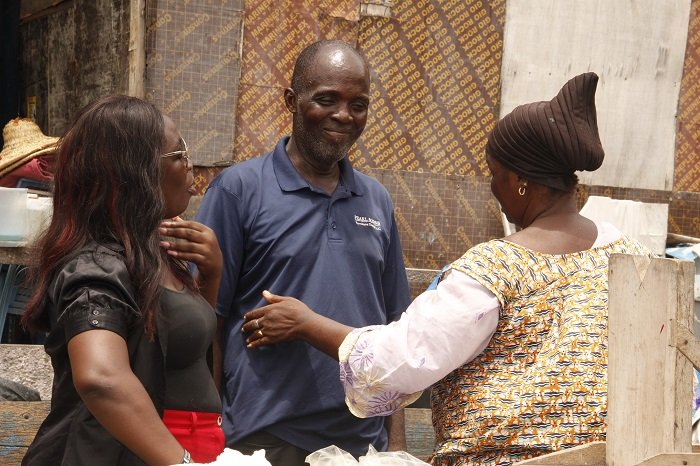
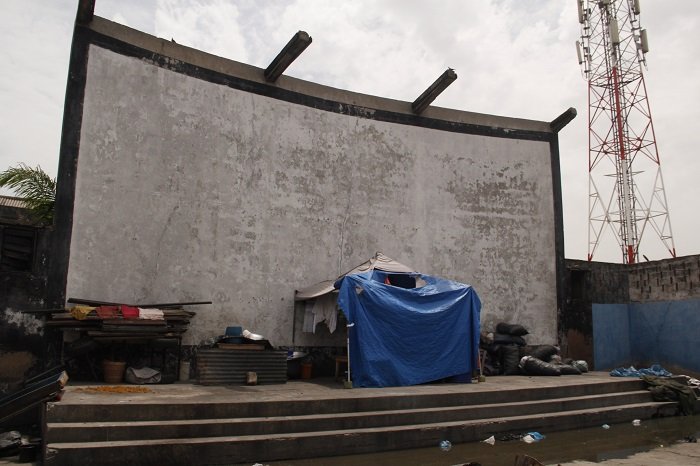
Touring sites including the Orion Cinema, the team encountered scenes that were difficult to ignore.
Describing one such visit as ‘heartbreaking,’ Ms Danku’s words reflected not just the physical state of the buildings, but the emotional weight of what has been lost.
She highlighted the urgency of intervention and the need to preserve these cultural landmarks before they are entirely lost.
She said plans were underway to reclaim and restore some of these cinemas, adding that the vision was to transform them into modern film centres and creative spaces that served today’s generation while preserving yesterday’s legacy.
“Our goal is clear, to stimulate private investment, expand cinema infrastructure and make film accessible to all Ghanaians,” she said.
Ms Danku described the plans of the NFA as an ambitious goal that carries promise for jobs, creativity and cultural renewal.
By Esinam Jemima Kuatsinu








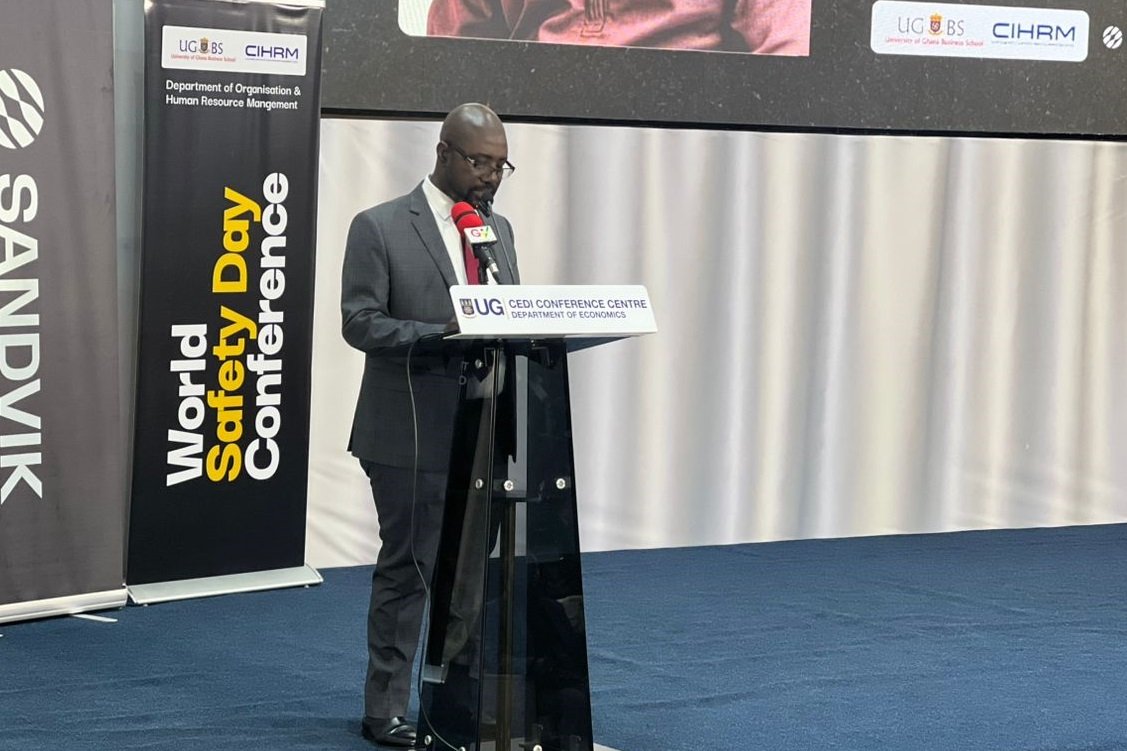
The Ghana Tourism Development Company Limited (GTD) in collaboration with the Department of Organisation and Human Resource Management, University of Ghana Business School (UGBS) has marked the 2026 World Safety Day Celebration in Accra.
The event held on Tuesday, April 28, 2026 at the Cedi Conference Centre, Legon was under the theme “Good Psychosocial Working Environment: A Pathway to Thriving Workers and Strong Organizations.”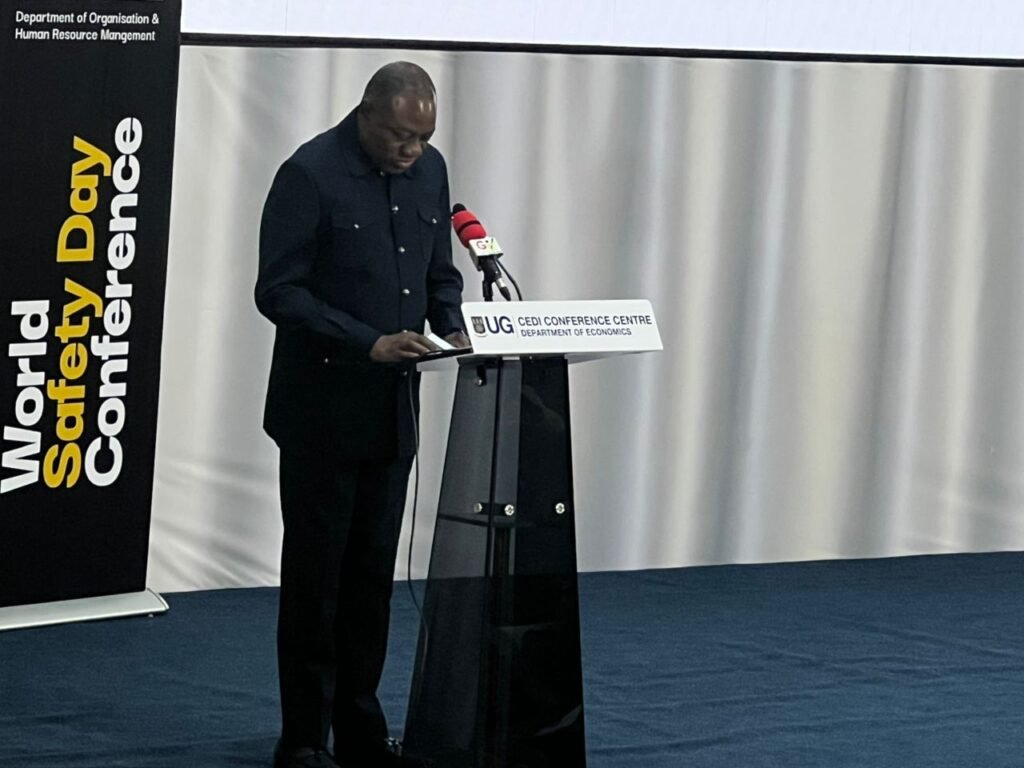
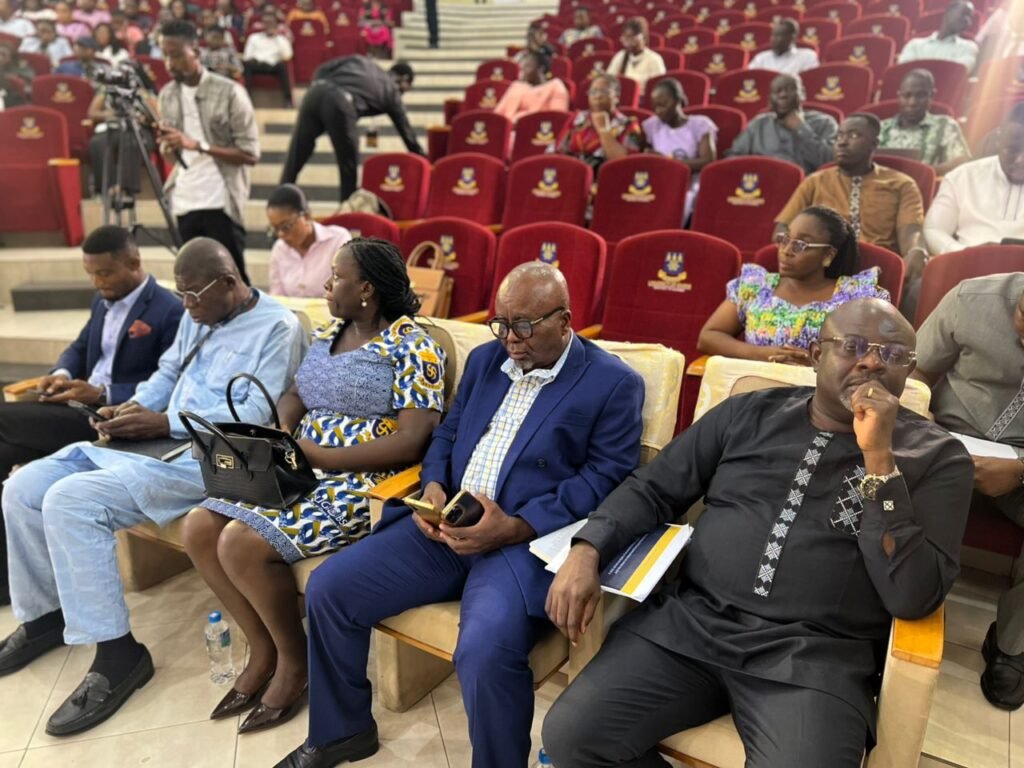
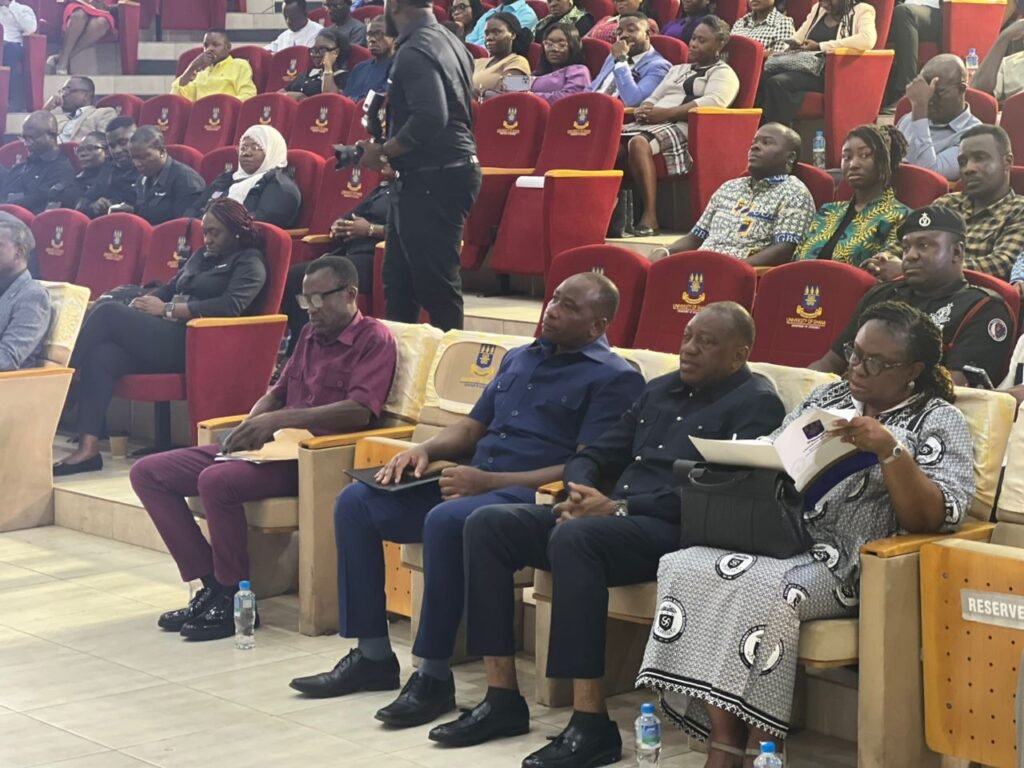
The day is observed globally to promote safe and healthy working conditions and to raise awareness about both physical and psychological risks at the workplace.
The event formed part of efforts by stakeholders to deepen national conversations on workplace safety, particularly the growing concern about psychosocial well being.
In his keynote address, the Minister for Labour, Jobs and Employment, Dr Abdul Rashid Hassan Pelpuo stressed that workers must not be treated as machines but as human beings with dignity, rights and families.
He explained that unsafe work environments marked by fear, harassment, intimidation and excessive pressure reduce productivity and weaken organisations.
He noted that although physical hazards such as faulty equipment and unsafe buildings remain a concern, psychological risks including excessive workload, bullying, job insecurity and toxic communication are equally dangerous and must be addressed.
According to him, psychological hazards are real, measurable and preventable, and should be treated with the same urgency as physical risks.
He maintained that safe and healthy working conditions are not a luxury but a fundamental right that supports productivity and social justice.
Dr Pelpuo further stated that the government remains committed to strengthening occupational safety and health systems, adding that worker wellbeing is a core responsibility of leadership and not a public relations issue.
He urged employers to create environments where dignity is protected, and workers are empowered to speak without fear.
The Dean of University of Ghana Business School, Prof Ernest Y Tweneboah Koduah noted that the school is committed to shaping a better world of work that is equitable, productive and sustainable.
He announced that the school has secured accreditation from the Ghana Tertiary Education Commission to introduce a programme in organisational health and safety.
He explained that gaps in workplace safety in Ghana are linked to weak enforcement, underreporting and limited professional training.
He added that the new programme will equip graduates with the skills to prioritise employee wellbeing as a key organisational responsibility.
Prof Tweneboah Koduah urged organisations to assess psychosocial risks, invest in human resource capacity and create environments where workers can openly discuss mental health concerns.
He emphasised that collaboration between academia and industry is essential to addressing workplace safety challenges.
Delivering remarks on behalf of the Vice Chancellor, the Registrar of the University of Ghana, Emelia Naa Kwantsua Agyei Mensah described the event as historic, noting that it is the first time the university is marking the global observance.
She explained that the focus on psychosocial wellbeing reflects current realities in the world of work.
She stated that employee health, including mental and emotional wellbeing, directly affects productivity, morale and institutional performance.
Mrs Agyei Mensah added that the university is committed to creating a safe and supportive environment for staff and students, beyond minimum legal requirements.
She called on leaders to reflect on the kind of workplaces they create and to prioritise the wellbeing of employees.
CEO of the GTDC, Prof Kobby on his part noted that its participation aligns with its commitment under the Riyadh Declaration, which calls on member states to improve infrastructure and public safety, as well as enhance services, transport, connectivity and accessibility.
He indicated that the company intends to use the platform to highlight Ghana’s readiness to implement the declaration, with a strong focus on worker safety and wellbeing as a foundation for sustainable tourism development.
The event brought together policymakers, academics, industry players and students to discuss strategies for improving workplace safety and promoting healthier work environments across the country.
By: Jacob Aggrey
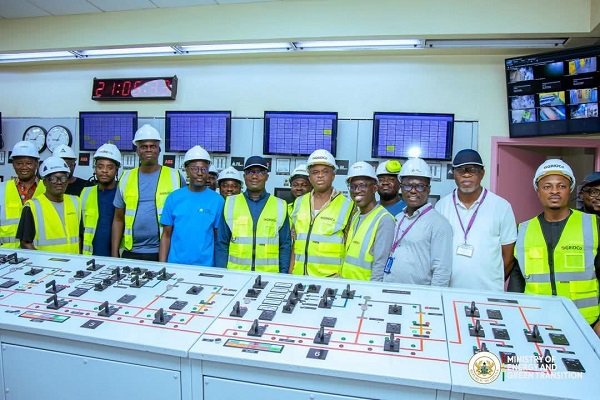
The Minister for Energy, John Abdulai Jinapor, has praised engineers and technical teams working to restore electricity after a fire at the Akosombo Substation disrupted power supply.
He said this after visiting the facility on Monday night to assess ongoing repair works following the incident, which affected the control room and caused the loss of more than 1,000 megawatts of power to the national grid.
During the visit, he interacted with engineers and technicians who have been working continuously under difficult conditions to restore operations.
He said he was impressed by their dedication, courage, and professionalism despite the challenges.
The minister commended the teams for their resilience and sacrifice, noting that their efforts reflect a strong sense of duty and commitment to national service.
He assured them of the government’s full support as they continue with the restoration work.
He also assured the public that authorities are doing everything possible to restore stable electricity supply as soon as possible.
By: Jacob Aggrey