News
Re-open schools gradually—CRI


The Executive Director of Child Rights International (CRI), Mr Bright Appiah, has called on the government to hasten slowly in its decision to re-open schools on the mass level.
According to him, the government should adopt a gradual approach where final year students due for exams should first be allowed to resume classes as a test case for broader school re-opening.
Additionally, students who were due for their turn on the double tracking system must also be allowed to resume school since they have a backlog of activities to undertake.
In the meantime, Mr Appiah said all nursery and kindergartens schools should remain closed indefinitely whiles the government focuses on developing more online programmes for parents to take up that role.
“Corporate institutions must make it a deliberate policy for more parents to spent time with their children. More so, the government should engage the work of social workers to periodically do home visits,” he said in a statement issued and copied the Ghanaian Times.
Mr Appiah said, these measures would give the government the enabling environment to have a broader picture of how re-opening school on the mass level would be.
“By so doing, the government would have gotten to know how to handle and assess the impact of re-opening schools on the mass level. This is the only way to halt any decision that might spell doom for the country’s educational sector,” he said
He said the state must bear in mind that any wrong approach could spell doom for children and Ghana’s attempt to contain the coronavirus disease.
He said although CRI was not entirely against the re-opening of schools, it would be needful to undertake the process gradually, beginning with final year students.
Per Mr Appiah’s assertion, it would be beneficial and wise to begin the steps of re-opening school starting with final year students at the Junior and Senior High School level.
“CRI believes that the government should first allow those who are due for examination to go back to school following the protocols of social distancing and any other precautionary measures laid down by the Ghana Health Service (GHS) against the coronavirus,” he said in the statement.
Mr Appiah said there must be a collaboration between GHS and schools in rolling out any measures to re-open schools.
Mr Appiah said as the country’s coronavirus case stood, it would be disadvantageous for nursery, kindergarten, primary and continuing students to be allowed to go back to school, adding that schools must be closed to these categories of students.



Search and rescue operations are ongoing following a structural collapse at the Experimental D/A School in Accra Newtown.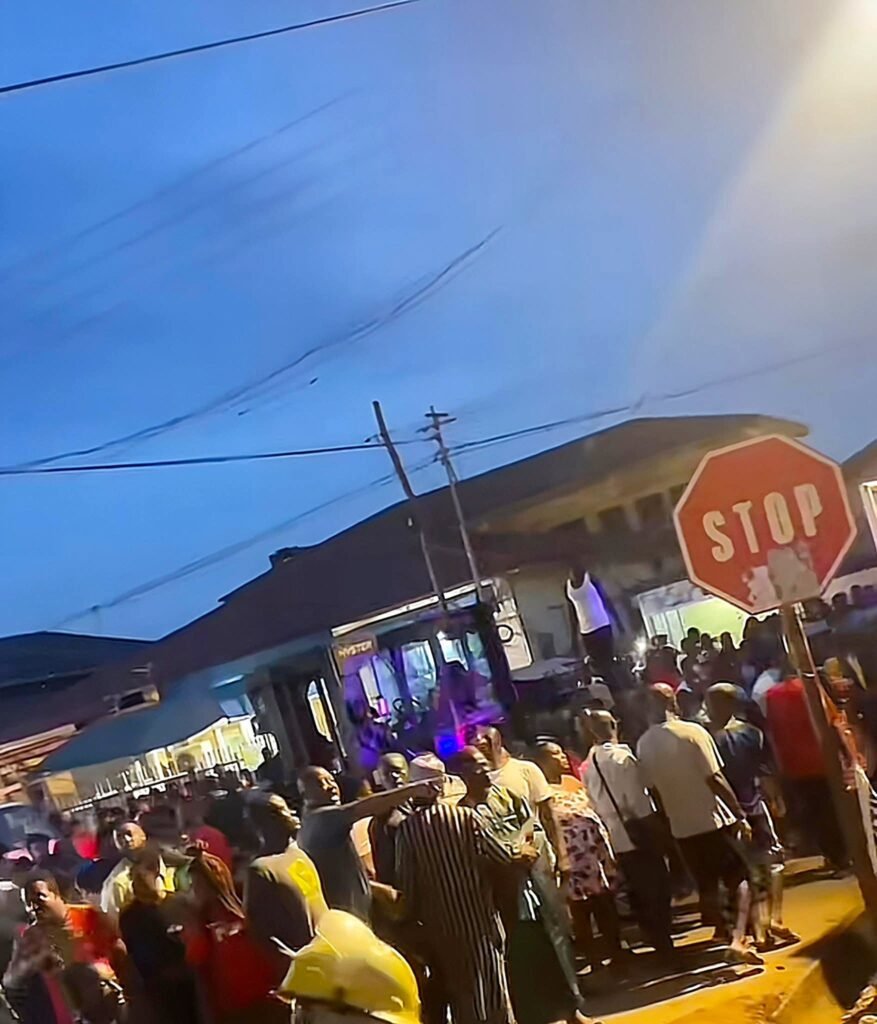
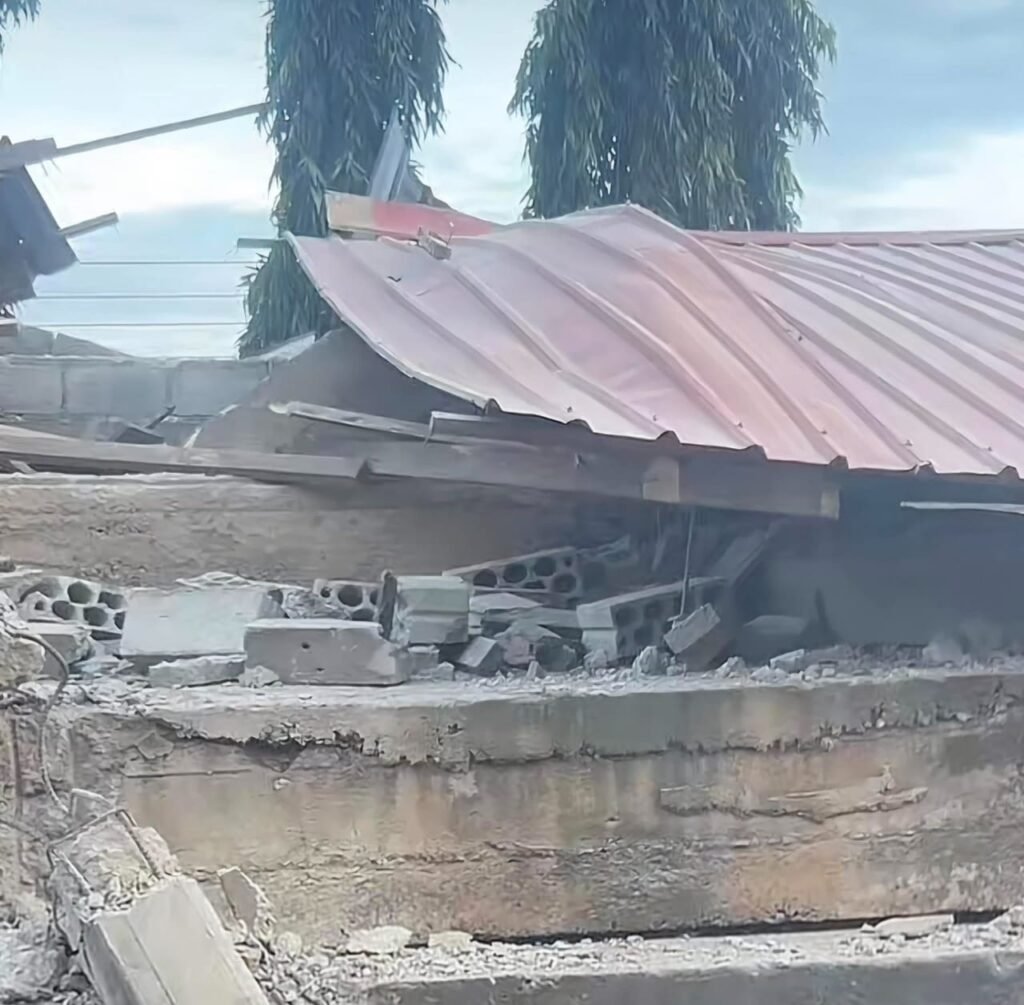

The Ghana National Fire Service (GNFS) confirmed that emergency teams were deployed to the scene to assist victims who may be trapped under the debris.
In an update, the service indicated that personnel from the Ghana Police Service, the National Ambulance Service and the National Disaster Management Organisation (NADMO) are workin7g together to manage the situation and rescue affected persons.
It noted that the area has been cordoned off by the police to prevent members of the public from entering the scene and interfering with the operation.
According to the GNFS, the coordinated effort is aimed at ensuring that all trapped victims are safely rescued as quickly as possible.
The service advised residents and the general public to stay away from the area to allow emergency teams to carry out their work without obstruction.
The service added that further updates will be provided as the situation develops.
By: Jacob Aggrey

The New Times Corporation (NTC), publishers of The Ghanaian Times and The Spectator, on Wednesday held a staff get-together to commemorate the Ghana Month celebration.
The event was also to strengthen teamwork and bonding. It was attended by management members and staff from various departments.
The staff were engaged in activities such as apple eating, musical chairs competition, pick and act, and other interesting games.
Speaking at the gathering, the Chairperson of the Corporation’s Interim Management Committee (IMC), Dr (Mrs) Charity Binka, emphasised the importance of unity and collaboration in achieving organisational goals. She urged the staff to put aside their differences, work together, and also create a positive working environment.
In a welcome address, the Editor of The Spectator, Mrs Georgina Naa-Maku Quaitoo, urged the staff to have fun as “we climax the Ghana Month celebration with this get-together.”


The Acting Editor of The Ghanaian Times, Mr David Adadevoh, commended the staff for coming out in their numbers to join in the celebration and called for unity to transform the fortunes of the Corporation.
By Linda Abrefi Wadie
Join our WhatsApp Channel now!
https://whatsapp.com/channel/0029VbBElzjInlqHhl1aTU27


 News4 days ago
Agona West NDC demands unqualified apology from Paul Adom-Otchere over alleged misleading editorial
- News1 week ago
Eid not only moment of celebration but call to sustain values of discipline – President Mahama
- News3 days ago
Gyankroma Akufo-Addo Denies $25m Interchange Painting Claim, Threatens Legal Action