Gender
Merck Foundation supports livelihood of women and casual workers

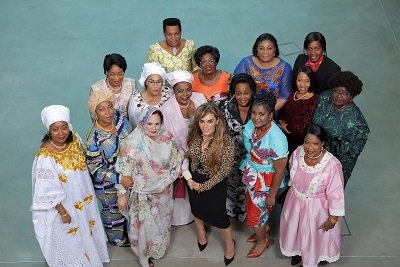
Merck Foundation, the philanthropic arm of Merck KGaA, Germany, a leading science and technology company, has partnered 18 African First Ladies to support livelihood of about thousands of women and families of casual and daily workers who are most affected by the COVID -19 lockdown.
The First Ladies include that of Liberia, Ghana, DR Congo, Zimbabwe, Niger, Sierra Leone, Malawi and Burkina Faso.
The relief contribution, according to the organisation, was also undertaken in Egypt with the aim of supporting 500 families.
Dr Rasha Kelej, CEO of Merck Foundation explained that the lockdown imposed on most countries had hit daily workers and women the most, hence the decision to support them.
The support, she noted, formed part of the Foundation’s “Separated but Connected” initiative.
According to her, the pandemic had led to a “horrifying increase in violence against women,” due to their “confinement at home with an abusive partner which has resulted in not only physical violence but also emotional violence against women.”
That, she said, could have “disastrous consequences” on the health and well-being of women.
“We decided to focus on supporting women in our coronavirus community intervention and strongly continue empowering infertile and childless women as part of our signature campaign ‘Merck More than a Mother’. We know they now need our support more than ever.
“We strongly believe that building professional healthcare capacity is the right strategy to improve access to quality and equitable healthcare especially during this vicious pandemic,” Dr Kelej said.
Merck Foundation said it would continue their current capacity advancement programmes and focus on building coronavirus healthcare capacity by providing one year online postgraduate degrees in Respiratory and Acute Medicines at one of the UK Universities.
This programme is in partnership with African First Ladies, Ministers of Health and Academia across Africa and Asia continents.
Merck Foundation has also launched ‘Stay at Home’ Media Recognition Awards in partnership with the African First Ladies.
The theme of the awards, according to the organisation, is to raise awareness on how to “Stay Safe and Keep Physically and Mentally Healthy during the coronavirus Lockdown with the aim to separate facts from myths and misconceptions.”
“We strongly believe that media plays a critical role in raising awareness about sensitive and pressing issues such as coronavirus. I am looking forward to receive the creative and informative work of our winners so that they become Merck Foundation health champions in their countries,” Dr Rasha Kelej emphasised.
The Foundation has launched an inspiring storybook titled ‘Making the Right Choice’ to raise awareness about coronavirus prevention amongst children and youth.
It provides facts about the pandemic and how to stay safe and healthy during the outbreak, and seek to promote honesty, hard-work and the ability to make the right choices even during the most challenging times.
Source: Ghanaian Times


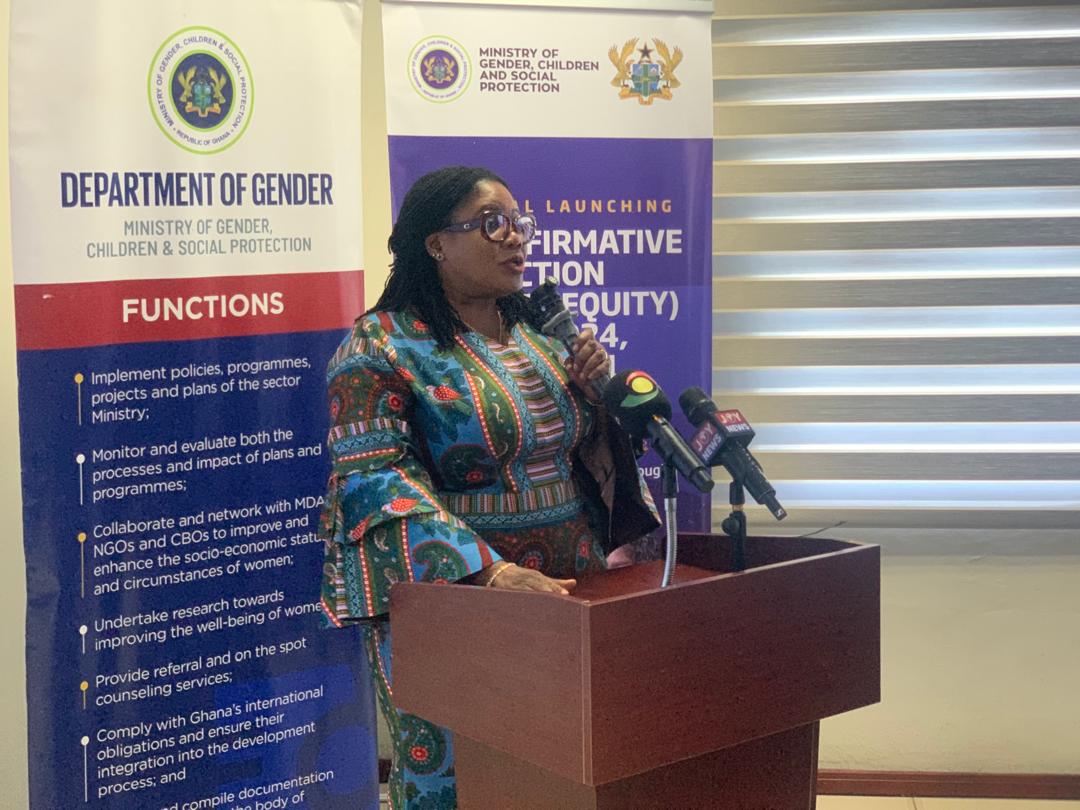
Gender equality should not be left to women alone, but requires the active participation of men and other stakeholders, the Minister for Gender, Children and Social Protection, Dr Agnes Naa Momo Lartey, has said.
She said gender equality was a national development issue and not a matter concerning only women, stressing that both men and women had important roles to play in creating an inclusive society.
Dr Lartey said this last Thursday in Accra at a capacity workshop on the implementation of the Affirmative Action (Gender Equity) Act, 2024.
The workshop was aimed at helping journalists understand the provisions of the Act, strengthen their capacity to communicate gender equity issues and promote accurate, balance reporting on the implementation of the Act.
Ghana could not achieve meaningful development if one section of society was excluded from participating fully in leadership, decision-making and other areas of national development.
“It is not about a group of people. It is not about one of the sexes. It is about the nation. It is about the country,” she said.
She called for stronger commitment to translating the Affirmative Action (Gender Equity) Act, 2024 (Act 1121), into practical action to improve women’s participation in leadership and decision-making.
She said the passage of the law should not be considered the end of the process, but rather the beginning of deliberate efforts to ensure that its objectives were achieved.
Dr Lartey said increasing the number of women in leadership was important, but their participation must also have a meaningful impact on national development.
“We want it to count,” she stressed, calling for practical initiatives that would move the affirmative action agenda from policy to implementation.
The Executive Director of Women, Media and Change (WOMEC), Dr Charity Binka, also urged the media to play a critical role in ensuring the effective implementation of the Act.
She said Ghana had taken an important step by passing the law after 13 years of efforts, but the real test was its implementation.
According to Dr Binka, the Act requires 30 per cent representation of women in leadership and decision-making by 2026, rising to 50 per cent by 2030.
She urged the media to inform the public about the law, monitor institutions’ compliance and challenge stereotypes that undermine women’s leadership.
Dr Binka urged journalists to ensure institutions were complying with requirements, including Gender Equity Policies, Compliance Certificates and annual reports.
She said affirmative action was not about replacing merit with gender, but addressing structural barriers that had historically limited qualified women’s opportunities to participate and lead.
She called for stronger collaboration among government, civil society, traditional and religious leaders, the private sector, the media and other stakeholders to turn the law into measurable results for women and girls.
By Esinam Jemima Kuatsinu
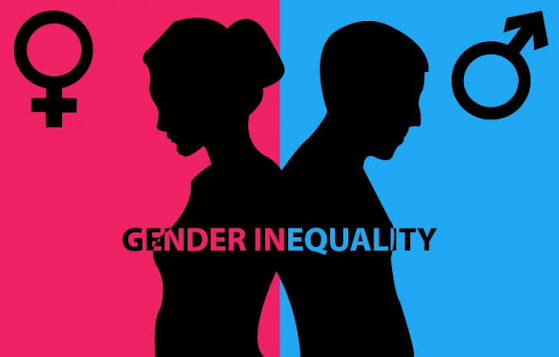
The United Nations has warned, that Gender equality is “woefully off track.”
At the current rate of progress, gender equality would take 171 years to achieve, the UN’s Gender Snapshot report said.
The number of countries with a woman as head of state or government has increased from 2020 to 2026. “Yet six in seven countries are still led by men.
Women’s representation in national cabinets declined to 22.4 per cent in 2026, after peaking at 23.3 per cent in 2024,” the report said. “The decline is a warning sign that gains cannot be taken for granted, and that progress towards equal political power remains fragile.”
Funding for gender equality has fallen to its lowest level since 2021, the report found. At the same time, 42 per cent of UN agencies reported that their efforts to promote gender equality had been weakened, as a result of budget cuts.
Millions of women also continued to endure some extremely severe forms of violence and discrimination across the globe, the UN said. Nearly one in five girls is married before the age of 18, and nearly one in three women globally have survived partner or sexual violence in their lifetime.
In the past year, 316 million women experienced physical or sexual violence by an intimate partner, the report said.
UN Under-Secretary-General for Economic and Social Affairs, Li Junhua, said the statistics were not inevitable. “It is the result of choices, made visible through data. Investing in gender equality, institutions, and the statistical systems that hold them to account is not a cost. It is the fastest route back to the 2030 Agenda’s promise of equal power for all.”-GNA
SKIP THE QUEUE, TAP THE NEWS
You can now read the Ghanaian Times and The Spectator newspapers from the comfort of your device via TimesNewsPlus.
Join our WhatsApp Channel: https://whatsapp.com/channel/0029VbBElzjInlqHhl1aTU27