Profile
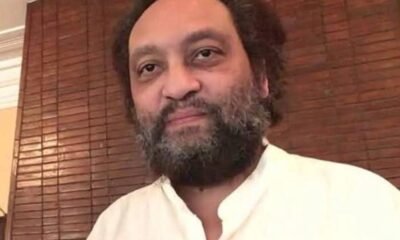
Meet Oral Ofori …an information and communication consultant based in Washington DC


It’s an honor to speak with you today. Why don’t you give us some details about you and your story, how did you get to where you are today?
Oral Ofori is my name and I’m an information and communication research consultant with over a decade of experience working in the Washington DC metro area.
TheAfricanDream LLC is the name of my firm, it consults on matters relating to Sports, Events, Entertainment, Diplomacy, Branding, Nonprofit, and Education among others.
A personal and professional objective is to positively bridge the gap between Africa and the rest of the world by building progressive connections through the Diaspora. My work interests also include ghostwriting, video/text/3D creation and editing, book review/publishing, and more, learn more here: wikipedia.org/wiki/Oral_Ofori
I’m sure your success has not come easily. What challenges have you had to overcome along the way?
I have had to overcome simple challenges like not being able to eat the kinds of foods I grew up eating in Ghana because I am now living in America. A remedy I created involved improvising by using what I have available here in America in the kitchen to create the best culinary opportunities for myself, this is because you are what you eat and if you don’t respect your diet it might ruin your life.
Racism or being wrongly profiled or unfairly treated based on your skin pigmentation is a constant battle an immigrant like myself fights. In situations like these, I have always learned to first know my history and purpose and speak truth to what I believe in, and not let any form of oppression make me deny who I am or what I intend to become. Sometimes ignorance becomes a dangerous tool that people use aware or intentionally so we must [really] know about the culture we work and network with as this would help you know how to behave in situations that challenge you.
Finally, it’s very easy these days to neglect your spiritual and mental wellbeing. My solutions to this came when I realized you cannot pour out of an empty cup and I say this because you need to make sure that you as a person are spiritually and mentally well catered to, and the best person to bring your spiritual and mental needs is yourself.
Let’s talk about the work you do. What do you specialize in and why should someone work with you over the competition?
I provide advice on securing Africa-related media content from trusted and reliable media organizations and practitioners on and off the continent. I also help promote Africa news and provide Search Engine Optimization services, Social Media Management, 3D Artistry, Research, Investigative reporting, Wikipedia update and building, photography, copywriting/editing, ghostwriting management, and Promotion of talents, event organizing, and more. We also do Interpretation and translation of Ghanaian and other African languages, Voiceovers, Web building and Management, Software Development, and more.
What sets me apart from others is that I tell the stories of Africa and Africans from an African perspective in a way that is devoid of unnecessary, accidental, or ill-intended adulteration. By doing so, I always seek to project and share Africa’s stories in a way that makes them more candid and appealing to the African and also leaves the non-African more enlightened and informed about the continent.
Since 2009-2021 I have maintained a healthy working relationship with over a dozen Embassies in the Washington DC metro area and multinational institutions that seek the advancement of humanity globally.
What’s your best piece of advice for readers who desire to find success in their life?
First of all, I had to learn to accept the fact that not everyone was going to understand me for who I am, based on this I learned to be open-minded and how to make friends even though I was an introvert,
As a person, you need to be welcoming and accepting of others and their opinions even if you don’t believe in them. However, you also need to learn the type of friendships and systems you get involved with because your friends and environment have a huge potential to determine your future.
I also realize that sometimes you have to do certain things that you’re not comfortable with and when it comes to that point for me I would do whatever so long as it is not illegal and it is not against my spiritual beliefs, this has helped me appreciate that fact that I don’t need a high horse. If you ask me I will say knowledge of where you immediately stand and the history of that place or situation is key. But don’t allow yourself to be trampled on because sometimes you have to be humble and so while being humble also be on the lookout to protect your dignity.
Stand up for yourself and speak your truth no matter how difficult the situation that you might find yourself in might be. This is because the positive energy you give yourself might be the only thing that carries you in alone in times of difficulty.
What’s next for you?
As a digital storyteller, I’ve been involved in an animation movie project with Studio Parables and Animation Africa of Ghana since October of 2020. We are almost done and due for release before the end of 2021. However, due to covid restrictions, I have been stalled.
As far as future projections are concerned I will need help by way of financial assistance or partnership so I can complete and share the movie (trailer in link) with the world and also produce other feature animation and feature movies to share with the world about the beauty of Africa as the cradle of mankind. Learn more about this project at bit.ly/donate28th
I also hope to publish my book before the end of 2021 and to help others do the same that can not afford to by expanding my network and collaboration with people and expanding my business across the United States and into Africa to tell stories on a larger scale through movies and writing. I believe there’s power in the film/written media as tools for positively changing the African narrative.
Finally, how can people connect with you if they want to learn more?
Find me on Twitter, Facebook, and Instagram as oralofori or visit my business website at www.theafricandream.co
Source: https://www.wtnzfox43.com/story/44669883/meet-oral-ofori


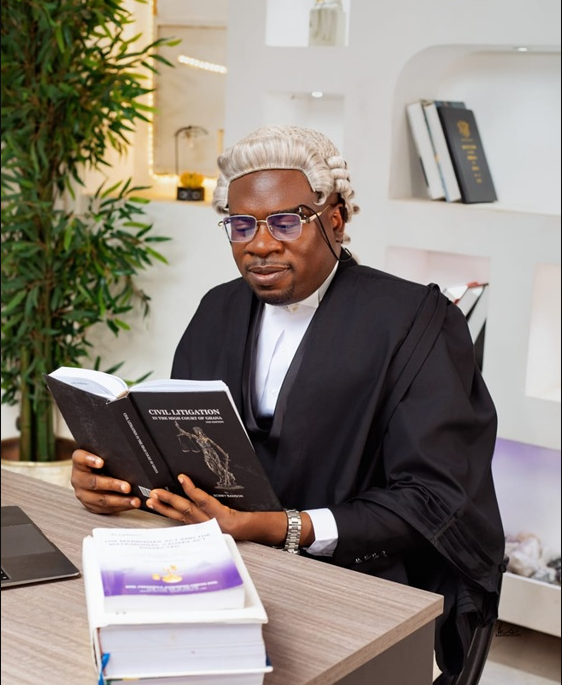
From Doryumu to two Bars: The remarkable journey of Lawyer Nyarkotey Obu
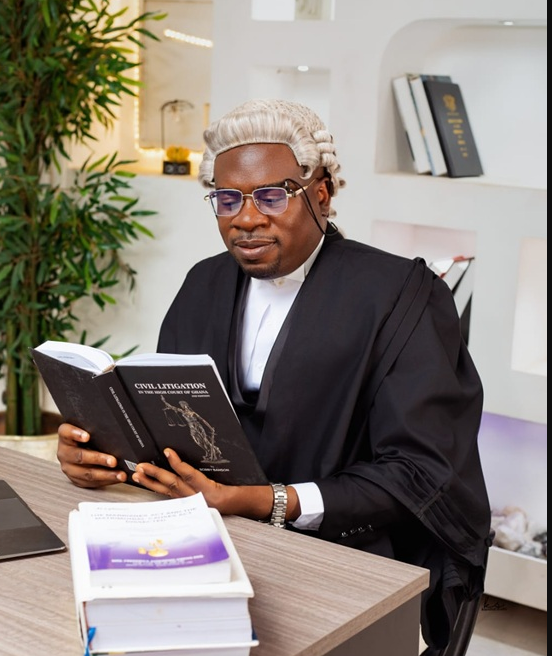
From the quiet communities of Doryumu and Dodowa in the Shai-Osudoku area of Greater Accra to courtrooms in two West African countries, Lawyer Raphael Nyarkotey Obu’s story is one of unusual professional reinvention. 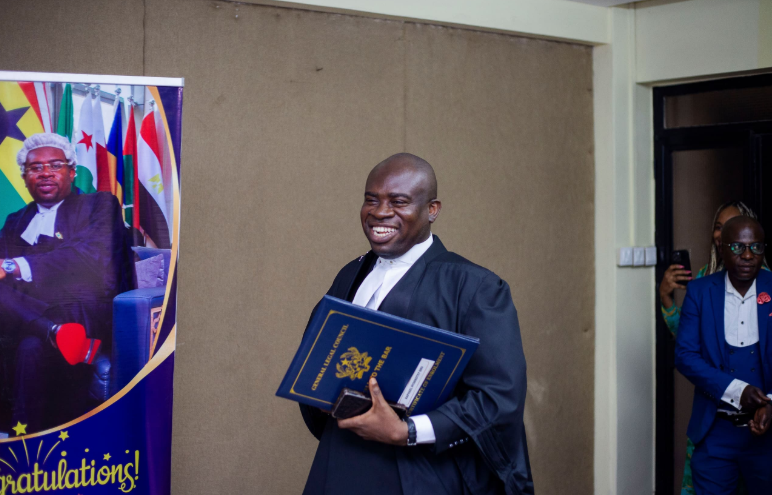
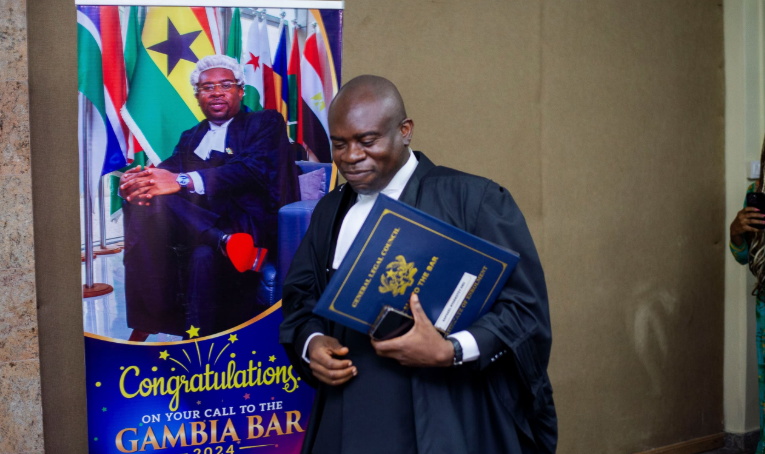
On Friday, October 9, 2026, the naturopathic scholar was called to the Ghana Bar, following his earlier admission to the Bar in The Gambia in November 2024.
The milestone places him in a pioneering position. He has been reported as the first African naturopath to qualify as a lawyer in two West African countries—an achievement that combines natural medicine, academic leadership and legal training in a way rarely seen on the continent.
Beyond the ceremonial wig and gown, however, lies a larger question: how will he use the law to improve the regulation of traditional, complementary and alternative medicine (TCAM) in Africa?
The early journey
Nyarkotey traces his roots to Doryumu in the Shai-Osudoku district. Part of his childhood was spent with his grandmother in the Suhum-Amrahia area, before his family journey took him to Teshie Lascala, where he began his basic education.
He later attended Ghanata Secondary School, Dodowa. These formative experiences preceded a career that would take him from classrooms in Ghana to professional legal training in Banjul and clinical and academic engagements in Asia.
Those beginnings matter because his achievements did not emerge from a single, straightforward professional path. He first built a name in Ghana’s developing natural medicine sector as an educator, researcher, author and advocate for stronger standards.
Education and difficult questions
That conviction informed the establishment and development of Nyarkotey College of Holistic Medicine in Ashaiman. The institution pursued structured professional education and competency-based training, including work connected to national occupational standards for naturopathy and holistic medicine.
Yet its growth brought the challenge familiar to emerging health professions: educational ambitions can advance faster than the laws governing those who complete the training.
The College faced questions within Ghana’s tertiary education regulatory environment, while Nyarkotey also became involved in a public dispute with the Traditional Medicine Practice Council (TMPC).
At the centre was disagreement over the reach of the Traditional Medicine Practice Act, 2000 (Act 575), and its application to naturopathy and other complementary and alternative medicine disciplines. The dispute entered the courts, where the interpretation of statutory authority remains a matter for legal determination.
Why he studied law
It was against this backdrop that law became increasingly central to his work. After obtaining his law degree, Nyarkotey proceeded to the Gambia Law School and was called to the Gambian Bar in November 2024. He subsequently completed the route to admission in Ghana, culminating in the October 2026 ceremony. The second Bar call gives his professional story an especially Ghanaian significance: the legal questions that shaped his ambitions can now be addressed with the benefit of Ghanaian legal qualification.
The distinction is noteworthy, but he regards it as a means rather than an end. His interest is not simply in representing individual practitioners. He wants to contribute to laws that separate legitimate professional training from unsupported claims, define safe scopes of practice, provide fair disciplinary processes and protect patients. The objective, he argues, should be regulation that is firm, clear and suitable for Africa’s diverse healthcare landscape.
India and a wider horizon
In August 2026, Nyarkotey led 16 Ghanaian naturopaths to India for clinical immersion at Arujiva Ayurveda and Naturopathy Hospital in Karnataka. Their exposure included Ayurveda, yoga, naturopathy, nutrition and lifestyle-based care.
Subsequent interactions with Indian universities and professional institutions widened the educational exchange. For him, the visit offered a practical view of how training, research, hospitals and public policy can interact within established traditional medicine systems.
India also supplied a lesson in patience. Nyarkotey recalls being told by an Indian colleague that gaining recognition for an educational institution can involve years of persistence. He drew from that conversation a renewed commitment to documentation, programme quality, clinical preparation and continued regulatory engagement. 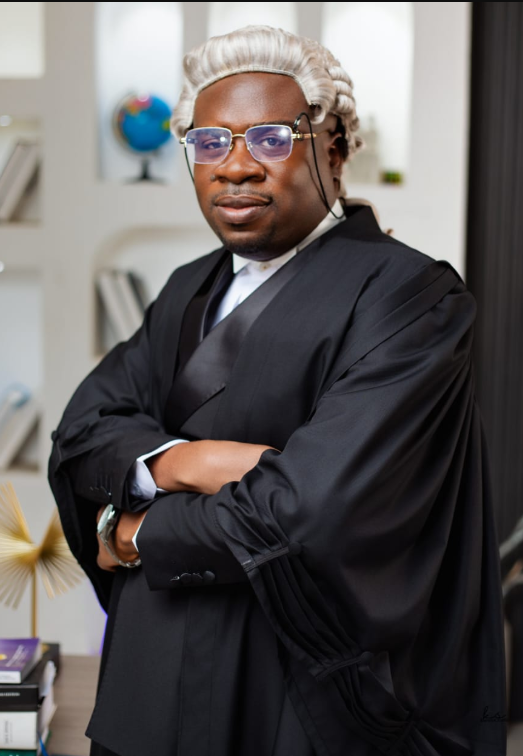
QAI partnership and standards
A recent development is the College’s Memorandum of Understanding with India’s Quality and Accreditation Institute (QAI). The partnership is intended to support quality assurance, curriculum improvement and professional development across naturopathy and related complementary medicine disciplines. It marks a shift from pursuing recognition principally through advocacy towards building systems that can be independently assessed.
For Nyarkotey, the agreement offers a platform for developing that quality culture while respecting the jurisdiction of Ghana’s own educational and professional regulators.
An African professional agenda
His thinking has also become continental. In March 2026, representatives associated with naturopathy from 11 African countries established the African Naturopathic Federation, with Nyarkotey as founding president.
The Federation seeks to advance professional education, research, ethics and cooperation. Its potential lies in helping African countries discuss common training benchmarks while allowing each country’s laws, institutions and healthcare needs to shape implementation.
Nyarkotey is additionally promoting an India–Africa AYUSH Centre for Education, Research and Regulatory Cooperation. The proposed platform would connect African institutions and policymakers with Indian expertise, not only in training and clinical exposure but also in standards, research and responsible investment.
He believes African traditional knowledge and India’s institutional experience can form a productive partnership without either being treated as a substitute for scientific scrutiny or patient safety.
A law firm with a specialised mission
Perhaps his most distinctive future plan is a law firm devoted substantially to TCAM and healthcare regulation. He envisages advising governments, professional bodies, colleges, hospitals, clinics and businesses on legislation, registration, licensing, contracts, institutional compliance, patient rights and professional accountability.
He also hopes to assist African countries seeking to draft or modernise legal frameworks for traditional, complementary and alternative medicine.
That ambition follows naturally from his own encounters with overlapping institutions and contested regulatory mandates. More coherent frameworks could clarify which authority regulates practitioners, which oversees academic qualifications and which controls medicinal products.
Such separation would help protect the public while creating lawful pathways for properly trained professionals. Any reform, however, will require consultation with health authorities, patients, conventional medical professionals and complementary medicine stakeholders.
An achievement and a responsibility
Nyarkotey’s story is not free of controversy. His positions on regulation have attracted criticism, and his institution has faced scrutiny. A balanced assessment must recognise those disputes without allowing them to erase the work he has undertaken.
Nor should international partnerships, professorial titles or two Bar calls be mistaken for proof that every proposal is sound. His legacy will depend on the standards he helps establish and the results they produce.
From Doryumu, Dodowa, Suhum-Amrahia and Teshie Lascala to Ghanata Secondary School, Banjul, India and the Ghana Bar, the arc of his journey is striking.
Yet its next chapter may matter more than its earlier honours. If his legal training helps African countries adopt workable TCAM legislation, if his educational partnerships deliver measurable quality, and if his proposed specialist practice contributes to patient protection, the impact will extend far beyond one individual.
The first African naturopath to have qualified as a lawyer in two West African countries now faces a larger professional assignment: turning a remarkable personal achievement into durable legal and educational progress for natural medicine across Africa.
SKIP THE QUEUE, TAP THE NEWS
You can now read the Ghanaian Times and The Spectator newspapers from the comfort of your device via TimesNewsPlus.
Buy Maps
Join our WhatsApp Channel: https://whatsapp.com/channel/0029VbBElzjInlqHhl1aTU27
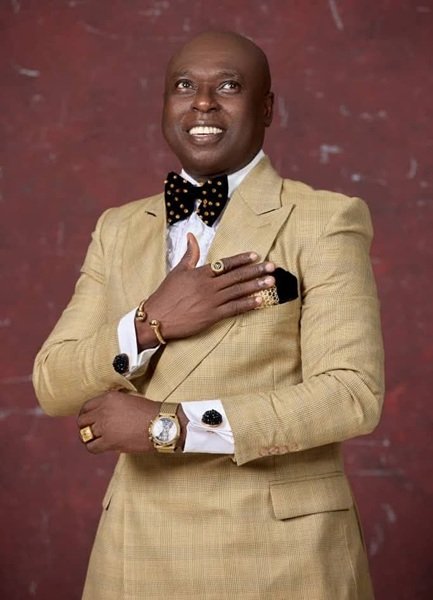
He once sold kenkey to pay his school fees, and now wears the rank of Deputy Commissioner of Police. DCOP Kofi Sarpong, police officer and award winning gospel musician is charting a journey few could script.
In an interview with The Spectator chronicling his rise, the newly promoted DCOP took us on his journey through the ranks.
Early Life
“I was born in Berekum in the Bono Region, then Brong Ahafo, to Comfort Yeboah, affectionately called Maame Yaa, and the late Chief Inspector Kofi Sarpong,” he said.
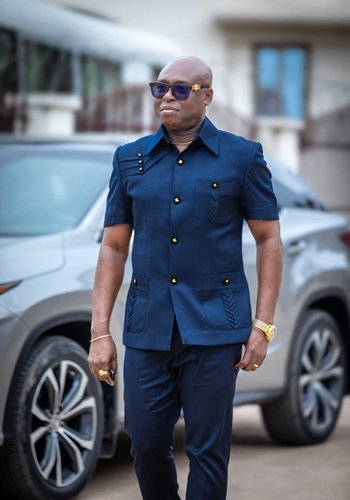
His family story is one of resilience. His mother had two children before her husband died in an accident. She later married Kofi Sarpong’s father, a police officer, and had two more, himself and his junior brother. “So we are four, unfortunately one is deceased, just last year, so we are three now.”
School and struggle
He started at Berekum Methodist Primary under the old ‘Sito’ system. In Form Two, he moved to Obuasi to stay with a guardian for his Form Three education, then returned to Berekum for Form Four. He later attended Berekum Senior High School where he studied General Arts and shone as an athlete, a sprinter in the 100m, 200m and 4x400m relay.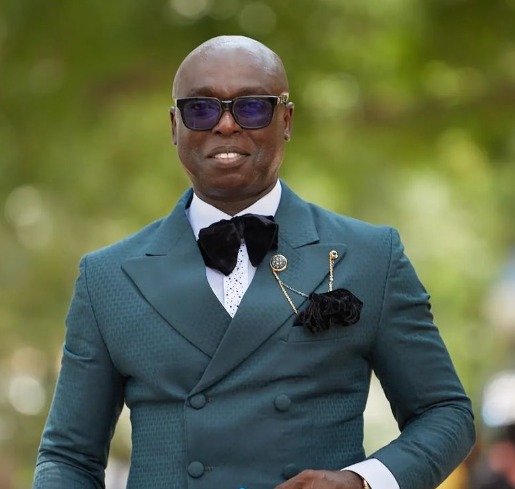
After O-Levels, his batch was the last to write the exams, his dream was to become a teacher because of his love for children. But financial hardship forced a detour.
“I decided to help myself by going to buy maize and started preparing kenkey to sell at lorry parks and markets in Berekum,” he recalled.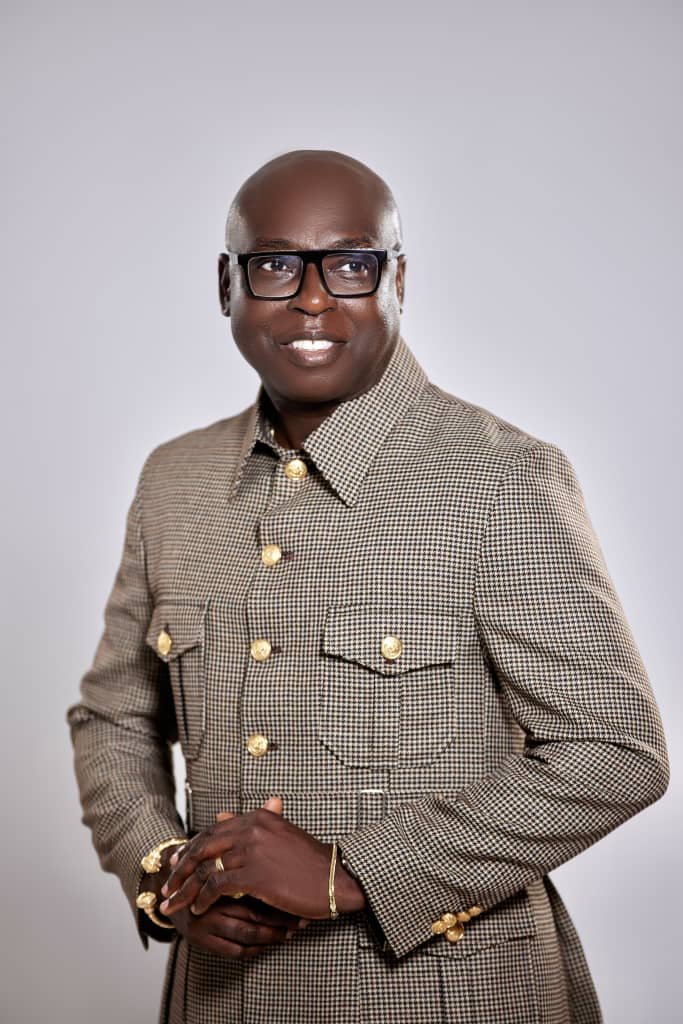
According to him, the people from Berekum know this story. “I can make all types of kenkey, Fante Kenkey, Ga Komi and others. Don’t be surprised to see Kofi Sarpong Kenkey one day.” The proceeds paid his upkeep.
For this reason, he advised the youth “Don’t see life as a smooth journey but find something prudent to do to help yourself in difficult times.”
After grinding his education to a halt due to financial challenges, he now holds a Degree in Public Administration from GIMPA, a Master’s in International Relations and Diplomacy and Project Management, plus other higher certificates, with more in the offing.
The Police Call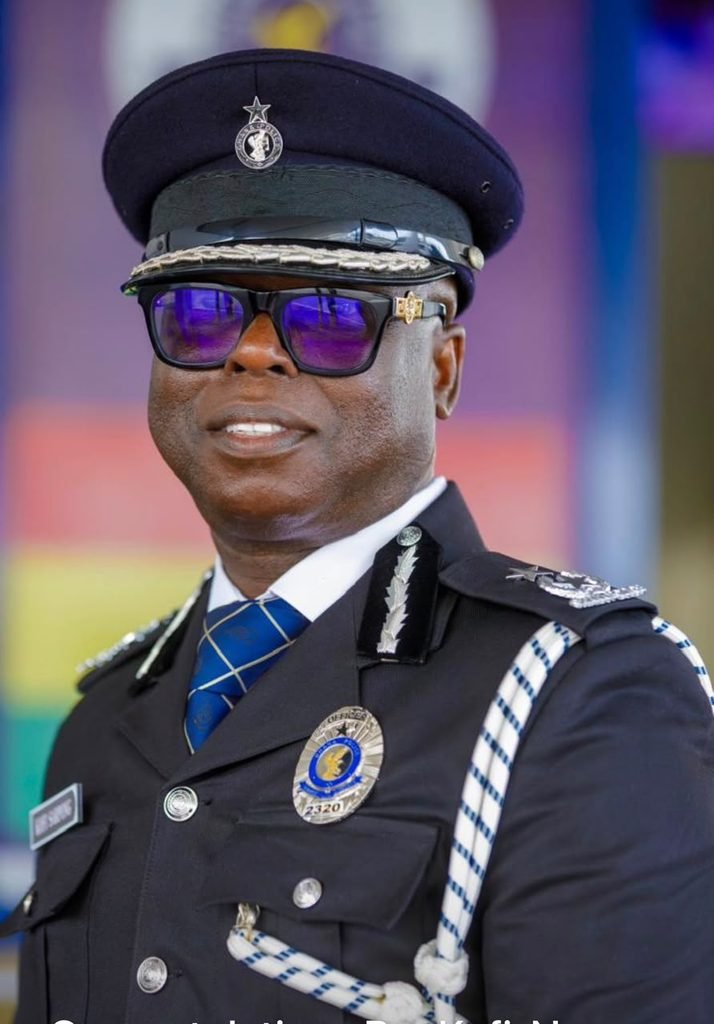
When teaching did not materialise immediately, he moved to stay with his father at Osu, Accra. In 1994, he visited former IGP Nana Owusu-Nsia at Police Headquarters, who told about ongoing police enlistment.
In his head he declined, but outwardly he accepted to try reluctantly. Later, watching TV news and seeing long queues of young people aspiring to join the Police, he was inspired to reconsider.
He went to Berekum for his certificate. Accra enlistment had closed, so he joined the Kumasi exercise. He was selected, passed the exams and went to the Koforidua Police Training School, Galloway. After passing out, he was posted to the Logistics Unit at Police Headquarters.
At Headquarters, a senior officer encouraged young constables to further their education. He took a course in Purchasing and Supply via distance learning from a UK institution. 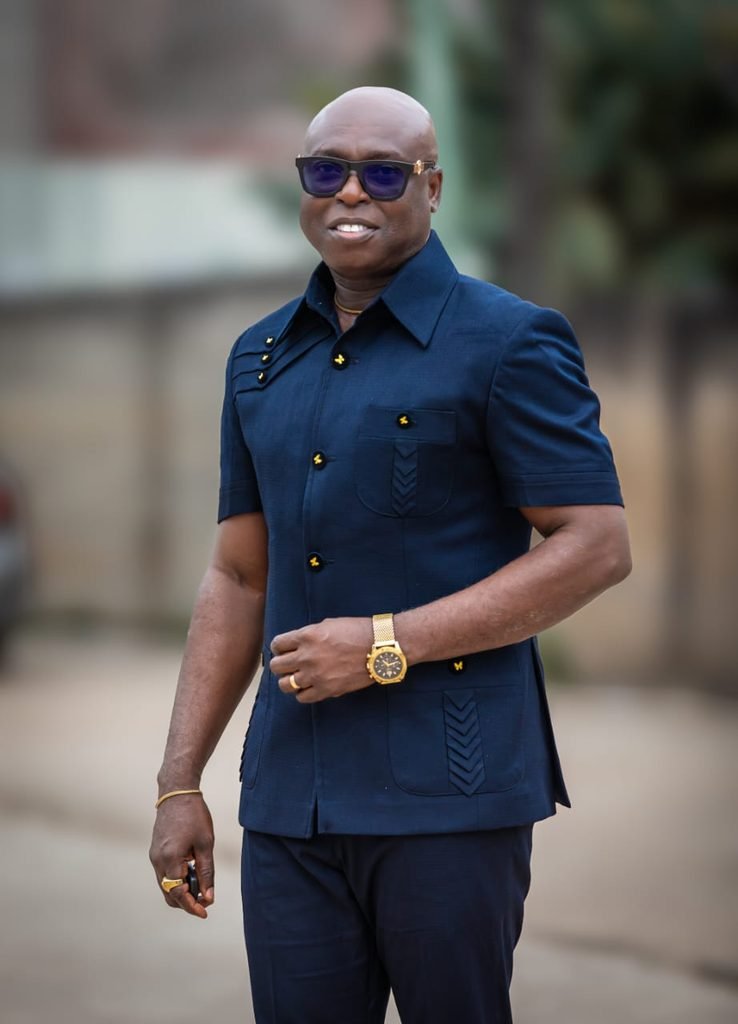
Upon completion, the Police administration promoted him from Constable Class One to Chief Inspector, a leap that paved the way for him to enrol at the Police Academy. He graduated as ASP, and the climb to DCOP began.
“The officer corps starts from Assistant Superintendent of Police (ASP) from the cadet,” he explained. “When you graduate from the Police Academy, you are awarded ASP, and you move to Deputy Superintendent of Police (DSP), that’s when I released album to start my music career professionally.”
From there, he rose to Superintendent of Police (SP), Chief Superintendent, Assistant Commissioner of Police (ACP), and now Deputy Commissioner of Police (DCOP). Next is Commissioner of Police (COP).
Music found him in Sudan
On peacekeeping duty in Sudan, officers from different nations came together to hold fellowship led by a Nigerian officer. In December that year, with top-ranked officers present, Kofi Sarpong led the service to the admiration of all.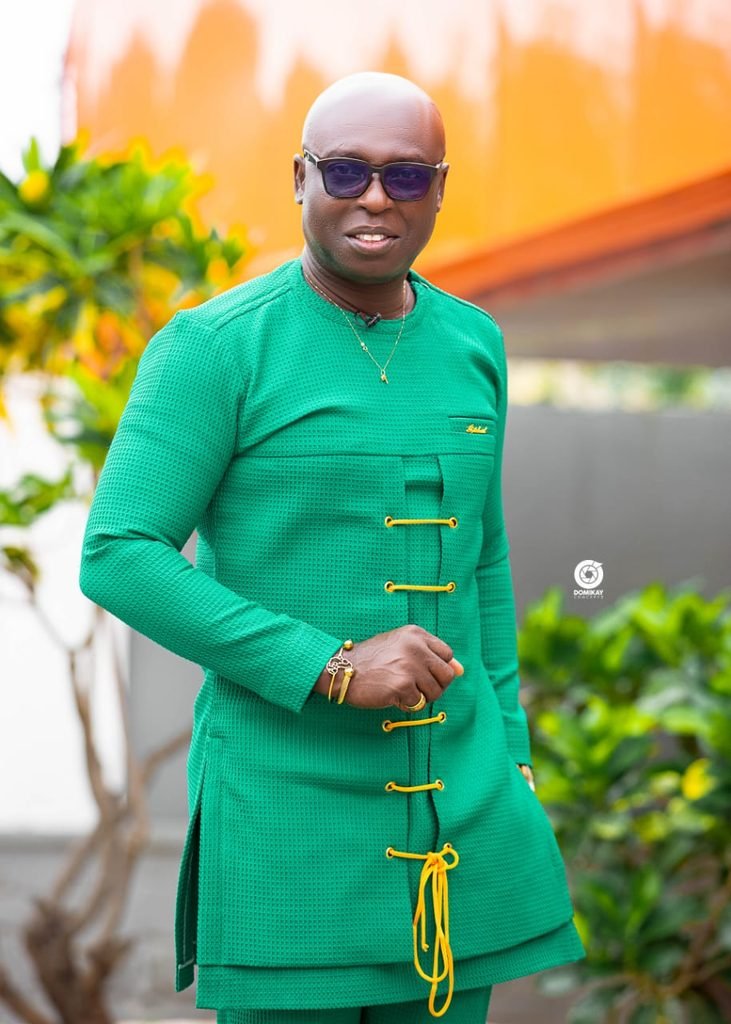
On his return to Ghana, a Colonel, who was a Matron at 37 Military Hospital and a member of the 37 Methodist-Presbyterian Church invited him to their harvest service. He ministered, and as he stepped out of church, a man approached him with an offer to record him. He declined.
Days later, at the office, the man, Ernest Kwesi, who owned Media Excel Production sent an elderly man to pursue him. He still declined. This compelled Ernest Kwesi himself to visit him at the office. “He told me he had seen something in me.”
Just after Ernest Kwesi left,Kofi Sarpong wrote to then Director General/Welfare, Mohammed Alhassan, and Paul Tawiah Quaye the Inspector General of Police (IGP) at the time. “He opened the letter and said he had been waiting all this while because he had seen me perform at police officers’ events.”
He was summoned to the IGP’s office, a call which scared him, however, it was a good news; his request was approved. Against this backdrop, he informed Ernest Kwesi who quickly visited that evening with highlife musician Akwaboah Jnr., who taught him his first song, ‘Me ko nso hw3 mu’, and they went to the studio.
A song earlier recorded in reggae by Zapp Mallet was totally transformed by Nacee, so they released both versions on the album. Nacee, he says, hugely supported promotion, as did Mark Okraku-Mantey.
He also acknowledge Oware Jnr. who also wrote songs for him.
After his maiden album’s success, police leadership congratulated him. He says he is happy to have inspired other officers to write to the Service to pursue other interests.
An autobiography, he reveals, is in the offing.
Family and food
He is married to Mrs Salomey Sarpong with three children, two boys and a girl: Nana Nketiah, Maame Afia Yeboah Sarpong and Papa Kwabena Aseda Sarpong.
His hobbies are watching athletics and being with family. His favourite foods are fufu and konkonte with groundnut soup.
On music, he teased a collaboration with a top Nigerian artiste, promising fans “hot praises” soon.
He concluded by thanking Ghanaians for their support since his promotion, and thanked the Inspector General of Police for his guidance.
By Edem Mensah-Tsotorme
SKIP THE QUEUE, TAP THE NEWS
You can now read the Ghanaian Times and The Spectator newspapers from the comfort of your device via TimesNewsPlus.
Join our WhatsApp Channel: https://whatsapp.com/channel/0029VbBElzjInlqHhl1aTU27