News
Interior Minister calls for correctional reform as Prisons Service graduates New Officers

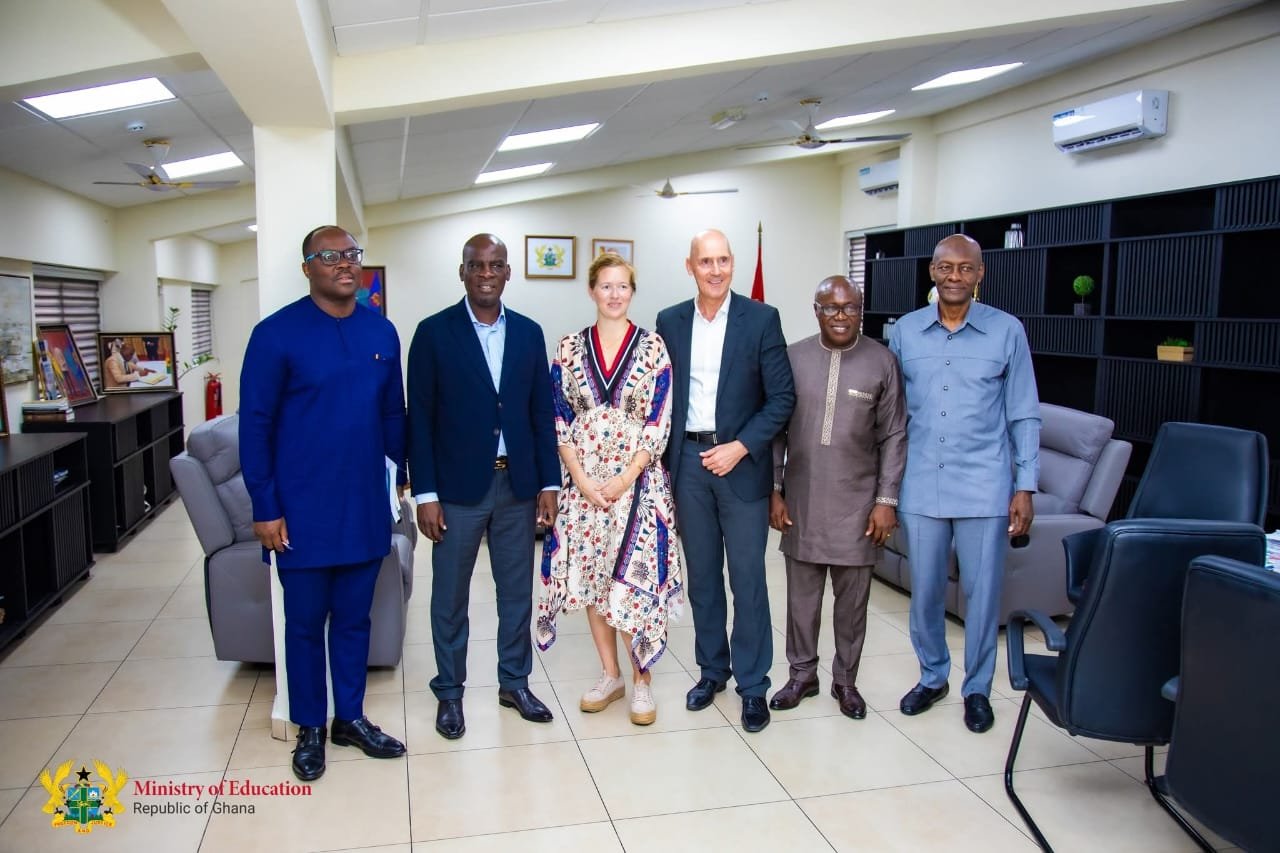
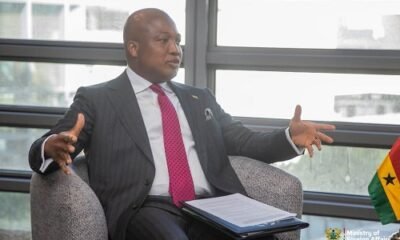
Speaking at the Passing-Out Parade of Recruit Course 125 at Ankaful Prison Officers’ Training School in the Central Region, the Minister for the Interior, Muntaka Mohammed-Mubarak has emphasized the need for correctional reform in Ghana, highlighting the government’s commitment to transforming the Prisons Service into a modern correctional facility that focuses on rehabilitation, reformation and reintegration.
He noted that Government remains committed to expanding vocational training, educational programmes and productive inmate enterprises that reinforce rehabilitation, reformation and reintegration.
The minister pointed out that correctional facilities must become centers of reform, not just detention.
According to him, “is not an act of charity but a strategic investment in national security and human capital. When we empower an inmate with employable skills, we reduce the opportunity for that inmate to re-offend. Rehabilitation and reformation do not occur in isolation but must be linked to purposeful activity.”
To give practical effect to this policy, Muntaka Mohamed-Mubarak announced that Government will scale up support for prison-based ventures, saying that entures such as carpentry, tailoring, agriculture, and industrial operations, including bottled water production, will be central to a sustainable, self-reliant correctional economy.
The Minister also directed all institutions under the Ministry for the Interior to prioritise the purchase of bottled water and toilet rolls produced by the Ghana Prisons Service.
This, he said, will not only reduce the financial burden on the state but also generate revenue and promote inmates’ productivity.
He reassured the leadership and personnel of the Ghana Prisons Service of the Government’s unwavering support, emphasizing that the commitment goes beyond improving logistics and infrastructure to reforming the very foundation of correctional practice in Ghana.
Muntaka Mubarak urged the new officers to serve with integrity, compassion, and professionalism, and assured them that their actions would reflect the high standards of the Service and the trust the nation has placed in them.



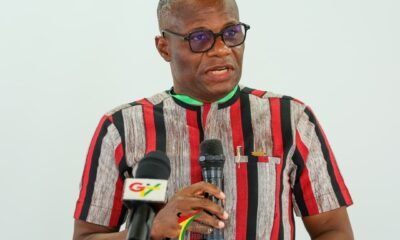



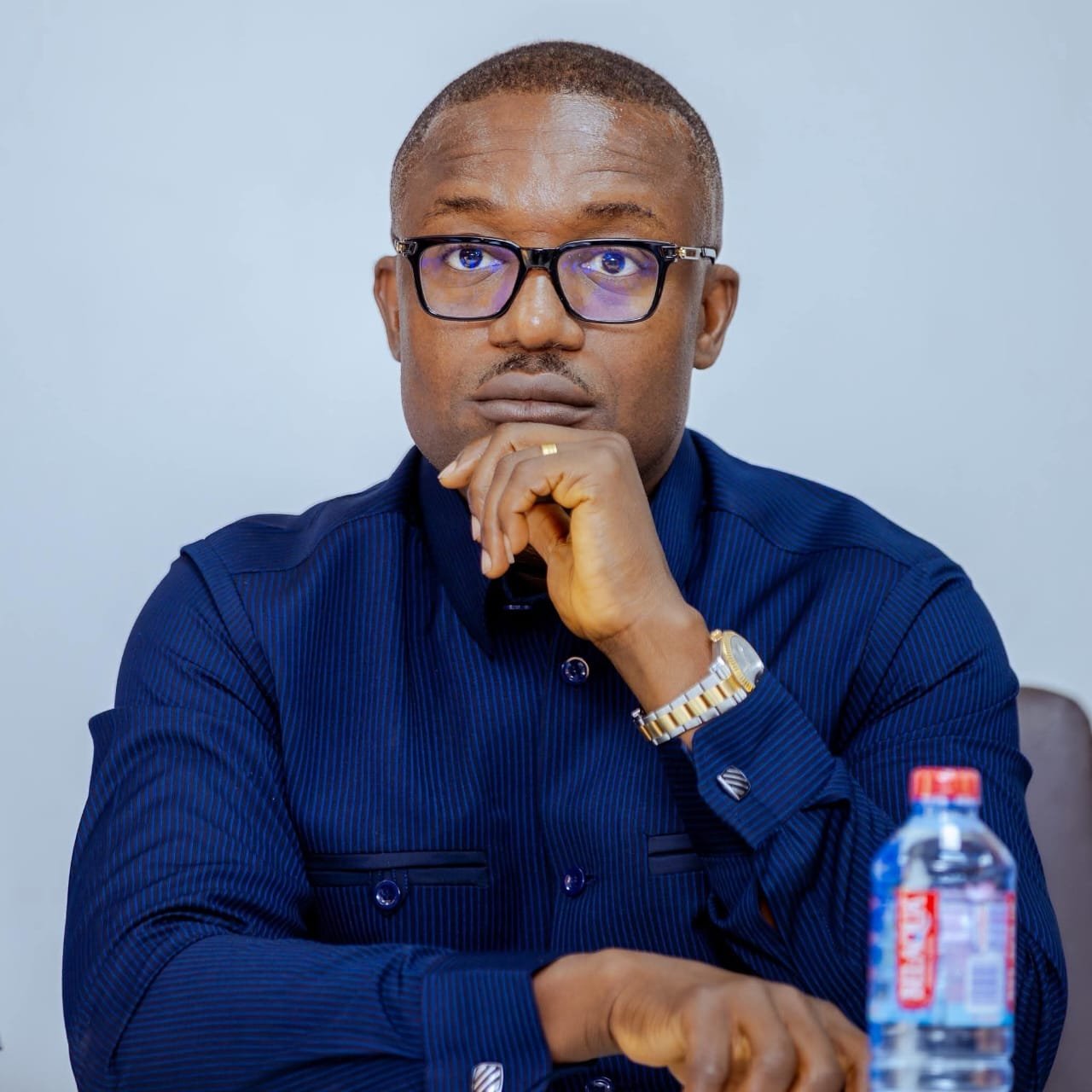
Miniser for Government Communications, Felix Kwakye Ofosu has revealed a major shake up at Ghana Grid Company Limited (GRIDCo) and the Electricity Company of Ghana (ECG) following recent power outages.
In a post on Facebook, Felix Kwakye Ofosu disclosed that Minister for Energy and Green Transition, John Jinapor has asked the CEO of GRIDCo to step aside pending investigations into fire incident at Akosombo power control center.
Also, he further noted that there has been a major shake up in the leadership of the ECG in the Ashanti Region.
“At 2pm tomorrow, Minister for Energy and Green Transition, Hon John Jinapor, will hold a major briefing on recent developments in electricity distribution,” he concluded.
By Edem Mensah-Tsotorme
News
Abu Trica’s extradition case: Prophets, fetish priests demand pay for spiritual solution …Lawyer reveals

Mr Oliver Barker-Vormawor, a lawyer for embattled Frederick Kumi, affectionately called Abu Trica and has made a shocking revelation over the behaviour of some members of the clergy.
According to him in a post on social media, the difficult part of Abu Trica’s trial is not the law but the number of ‘Men of God’ and fetish priests demanding financial sacrifices to help resolve the matter spiritually.
Oliver Barker-Vormawor posted on Tuesday, April 22, 2026, “The most difficult part about the Abu Trica case; is not the law.”
He continued: “It is the number of, prophetesses, evangelists and fetish priests, who have called or messaged to ask us to pay for spiritual solutions.”
It would be recalled that in March this year, the Gbese District Court dismissed a preliminary objection filed by Abu Trica, challenging the extradition proceedings initiated at the request of the United States.
The court, presided over by Anna Akosua Appiah Gottfried Anaafi Gyasi, in its ruling held that the offences forming the basis of the extradition, particularly wire fraud, constitute extraditable offences under the 1931 treaty between Ghana and the United States.
He was then given 15 days counting from March 27 to appeal the decision of the court or be surrendered for extradition to the US.
Against this backdrop, he was on Tuesday, April 22, granted a bail in the sum of GH¢30,000,000 by an Accra High, pending the appeal of his extradition
Mr Kumi was arrested in Ghana in December 2025 following an indictment by United States authorities, alleging that he played a role in a romance scam network that defrauded elderly American victims of more than $8 million.
By Edem Mensah-Tsotorme