Gender
Impact of body image stigma on slender women


The idea of what a perfect physique is, fuelled by social media and societal pressure has distorted individual’s perspectives.
Body image stigma is one of the most debilitating issues that has led a lot of people into distorted views of reality, unhealthy behaviours, and self-doubt. Most people, particularly individuals with slender physique, are judged by their looks, making them feel inferior and not good enough.
The focus on physical appearance often makes them miss out on what really matters. Being slender offers a lot of opportunities beyond the physical appearance. However, most people do not realise this. They seek for other alternatives for external validation.
A slender physique is often associated to lean or slim physiques. Some people may view individuals with this figure as weak or fragile, lacking in energy or being skinny.
In a conversation with Miss Gifty Djarnie, a Level 200 student at the University of Media, Arts and Communication – Institute of Journalism (UniMAC-IJ), she shared her thoughts on being slender and how it has impacted her life.
According to her, being skinny or slim is normal and an identity.
“I used to be mocked because of my figure and size,” she revealed. “But as time went on, I acknowledged the fact that I am skinny, and now I am used to it. The stereotypes sort of gave me some confidence that hey, you are unique.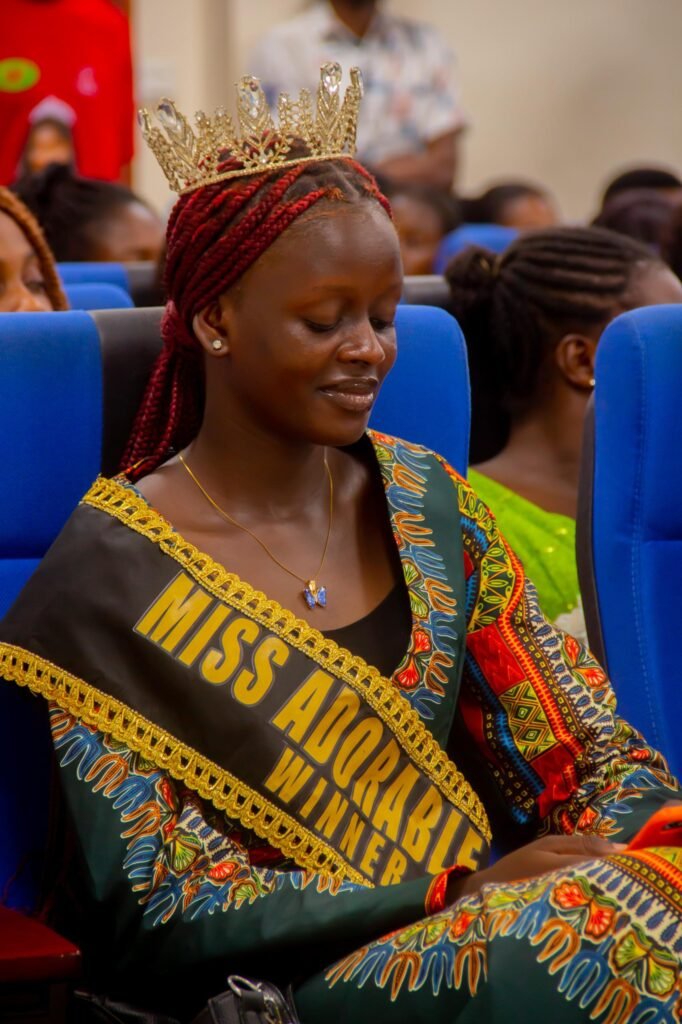
This is your identity and nothing can change your physique even if as time goes on, you increase in weight. It will still be in my records that I used to be skinny. So that’s an identity. One must embrace it wholeheartedly. There’s absolutely nothing wrong with it.”
Gifty has acknowledged that being slender is part of her identity so she has learned to accept and embrace it. She also acknowledged that societal stereotypes can have profound impact on one’s self-perception but ultimately, it’s up to the individual to define their own identity.
Miss Patience Bumbom, a professional model and beauty queen, who tells me about the opportunities of having such figure, talks about how they are highly paid compared to plus-sized ladies, and how she gets endorsement deals from clothing brands like Damson Vogue, to advertise their products.
She encouraged slender ladies to know their worth and embrace their body shape. She recounted how her colleagues used to call her “Alangadwoa, and Sugarcane”, making her feel bad.
Such derogatory names, she disclosed compels individuals with this physique to resort to the use of body enhancement pills to artificially put on a bit more flesh to appear more attractive.
That is not to suggest that having more flesh necessarily makes one attractive. Attraction would not come by just putting on weight but more about how one presents him or herself.
Sadly, that societal pressure has increased the demand for the body enhancing products, especially in the capital, Accra.
This was confirmed by Auntie Esi, a vendor of these products. In an interaction with her, she stated that body enhancement pills, silicon butts lifters and hip pads were in very high demand by the young ladies.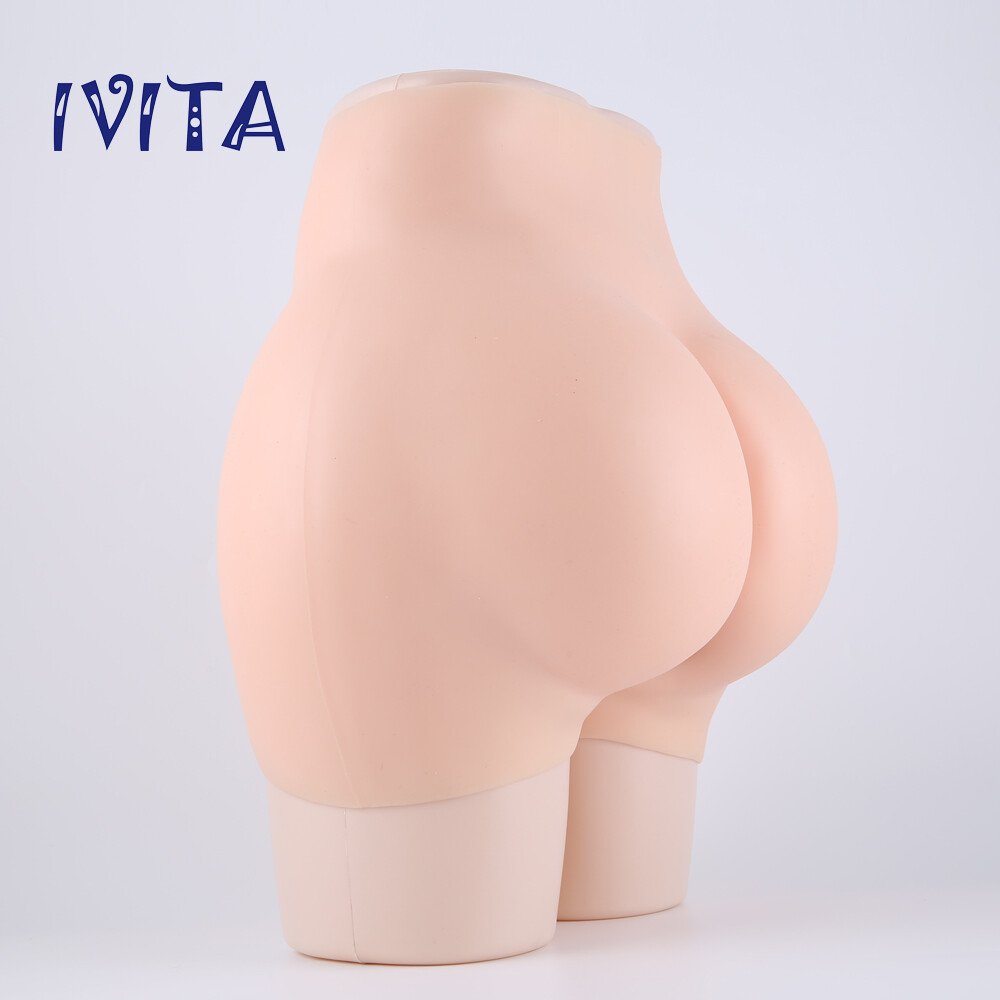
“They purchase these products to boost their body parts to look attractive.”
These drugs, she explained come in various forms such as liquid, pomade and powder.
“They also come with various side effects,” she revealed. “For some, it makes them feel sleepy; others would feel like responding to nature’s call. Despite all of these, they have absolute faith in their ability to transform the physiques.”
Aunty Esi also revealed that some ladies prefer to purchase the silicon butt and hip pads rather than go under the knife for a Brazilian Butt Lift (BBL) surgery due to its risks. “This has been my source of income for many years and I’m not going to stop. If I stop, how would I feed my children?” she queried.
Mr Godfred Arko Osei, a counsellor at UniMAC-IJ, shared his perspectives on the challenges faced by slender ladies and strongly advised against the use of enhancement products.
“It is all about your mindset,” he emphasized. “If you are able to cultivate a positive mindset about yourself and your appearance, it will boost your self-esteem, and other opinions won’t affect you at all. However, if you already have a negative perception about your looks, you’re already affected before anybody uses that against you. I wouldn’t encourage it because you don’t need artificial means to look good; it’s not a reflection of your true self.”
Without a doctor’s prescription, these drugs when taken, can be detrimental to the health of users. Is it worth it at the end especially when they lose their lives? What measures is the Food and Drugs Authority (FDA) taking to keep these products off the market?
Stricter regulations and public education are crucial to curb the dangers of these unprescribed drugs. FDA can work with the law enforcement agencies to enact strict measures to arrest persons who sell these products to serve as deterrent to others.
Hospitals can also collaborate with institutions such as universities to educate on the importance of self-esteem and the adverse effect of such unprescribed drugs, ultimately safeguarding public health.
*The Author (jbanfro56@gmail. com) is a Level 300 Student Journalist at UniMAC-IJ
By Banfro Josephine

A training and capacity-building workshop was held on Thursday for the media to intensify coverage on gender-based issues to support women’s participation in leadership and governance in Accra.
The workshop, held under the theme ‘Strengthening Advocacy for the Implementation of Ghana’s Affirmative Action (Equity) Law, 2024 – The Case of the Media’, brought together journalists from selected media houses.
The Convener of the Affirmative Action (AA) Law Coalition, Ms Sheila Minka-Premo (Esq.), stressed that the media has a critical responsibility to educate the public on the importance of the Affirmative Action Act, noting that sustained and informed reporting would strengthen advocacy and support the effective implementation of the law.
While commending both the Legislature and the Executive for the passage and presidential assent of the Affirmative Action Bill into law, the AA Law Coalition Convener appealed to government to address existing gaps. These include the constitutional provision of 30 per cent women’s representation in politics, inadequate policy frameworks to advance affirmative action, and weak compliance by state institutions.
She charged the media to highlight and promote the role of women in leadership and to actively support a smooth and effective implementation process of the Act.
In her welcome address, Executive Director of ABANTU for Development, Dr Rose Mensah-Kutin, said the training sought to strengthen journalists’ advocacy skills to enable them to educate the public on the provisions and significance of the law.
Dr Mensah-Kutin commended ActionAid Ghana for supporting the advocacy efforts, urging the media to prioritise the law to ensure its sustainability.
The Affirmative Action (Gender Equity) Act, 2024 (Act 1121) was passed by Parliament in July 2024 and received presidential assent in September 2024, following years of sustained advocacy by women’s rights organisations, gender activists, and other stakeholders.
By Linda Abrefi Wadie
Join our WhatsApp Channel now!
https://whatsapp.com/channel/0029VbBElzjInlqHhl1aTU27

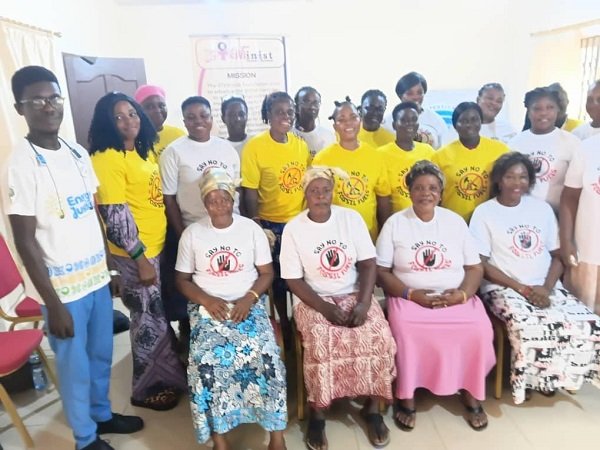
STEMINIST Foundation, Ghana, a Non-Governmental Organisation (NGO) with support from Keta Ramsar Centre has trained about 25 women selected from the Keta Municipality on the rights of women and how to use them for their voices to be heard in their communities.
STEMinist Foundation, Ghana, is a network of women advocating equal opportunities through excellent representation of women in Science, Technology, Engineering and Mathematics (STEM).
The women, mostly fishmongers and other self-styled workers, were taken through topics such as Understanding Energy and Climate Justice, Fossil Gas Expansion, Livelihoods’ Care Work and Health, Women Leadership, and Power Building among others.
Mrs Nerissa Edem Anku, Gender Justice Transition Advisor of the Foundation, noted that the theme “Energy Justice: Empowering Women with Power, Rights and Dignity,” was chosen for the women to reconnect, reflect, and look ahead in shaping their rights as women.
She stated that women have been relegated to the background in the communities when it comes to decision making, stressing the need to correct that for them to know they have rights to fight for themselves.
Mrs Nerissa Edem Anku further noted that women in fishing communities wanted to see real and tangible improvements in their living conditions, spearheaded by government to prevent unhealthy confrontations with the local people.
She assured that the NGO would continue to strengthen its programmes to ensure that women were empowered to contribute meaningfully to the socio-economic development of their families, communities, and the nation.
Miss Portia Adu-Mensah, Facilitator, Community Mobilisation Communicator, on her part added that all stakeholders have to adopt more innovative steps to build an environment in which women can thrive. That, she said, would win the confidence of the women and promote more inclusive partnerships.
The Assemblywoman for Dzelukope, Ruby Adukpoh, on behalf of the women thanked the NGO for the gesture and reaffirmed their commitment to strengthening their collective voices and influence in shaping policies that will affect them.
From Kafui Gati, Keta
Join our WhatsApp Channel now!
https://whatsapp.com/channel/0029VbBElzjInlqHhl1aTU27