Nutrition
Health benefits of wheat

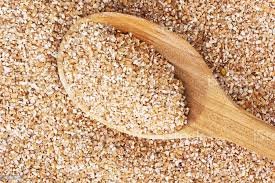
Wheat flour is a powder made from the grinding of wheat used for human consumption.
1. For healthy skin and hair
The main benefit of wheat flour is that it has a positive effect on our body. It contains selenium, an antioxidant that is an essential element to fight against harmful infections. It also helps the scalp from g etting dry and prevents dandruff. The whole wheat grain has a zinc and vitamin E element that helps in getting lustrous hair, nourishes the hair and protects them from damage. It also helps in skintightening and anti-ageing.
2. Aids digestion
The richness of fibre present in the whole wheat grain has multi -dimensional effects on our body. It is not only good for aiding good digestion but also helps in clearing harmful toxins from the body. The antibacterial properties of whole wheat grain help in the reduction of the adverse effects of digestive tracts and help to improve the interstitial health tract. With a good digestive system, the overall health of the body also improves. It has a positive effect on the skin and hair.
3. Prevents weight gain
Researches suggest that eating rich fibre food can help in the re duction of weight and lowers the risk of obesity. Studies also suggest that whole wheat grain helps to cut down the bad fat from the body and helps in the distribution in the body. In fact, it was also suggested that if a person is having three meals of whole wheat grain daily then the body mass index (BMI) will be lowered.
4. High in nutrients and fibre
Whole wheat flour is rich in vitamins, fibres, magnesium, zinc an d proteins. The whole wheat has a high content of zinc. It is also a rich source of Vitamin B. It contains a good amount of minerals such as zinc, iron, magnesium, and manganese. Antioxidants are also found in whole wheat.
5. Cleanses the system
Wheat stimulates clean blood and eliminates harmful bacteria which is considered the best detox diet. Diseases such as headache, joint pain and bloating can be relaxed with the consumption of whole wheat grain. Consumption of wheat helps in reviving constipation because of the presence of fibre that detoxifies the system and maintains a healthy colon and intestine.
6. Reduction in chronic inflammation
Inflammation is the cause of many chronic diseases. One of the main benefits of using wheat flour is that it reduces inflammation. Adding whole wheat to your diet can not only help in the reduction of infl ammation but also reduces the risk of chronic diseases.
7. Improves mental health
The fact is that vitamin B and E, which are present in whole wheat help in energy generation and also maintains the healthy DNA in the body.
Vitamin B is said to comprise eight classes of vitamins. Of these, the Vitamin B complex is the most known but it is water-soluble by nature, our body cannot retain this vitamin. Therefore including Vitamin B complex in our diet is good for inflammatory regulations in the brain and s ubclinical mental illness. Vitamin E is a good source of preventing memory-related diseases.
8. Lowers the risk of heart diseases
The biggest health benefit of using whole grains is that it lowe rs therisk of heart disease. Studies show that three (28-gram) meals of whole grains daily are good for the health of the heart. Researchers found that whole grain diets are good for maintaining a healthy heart over refine d grains.
9. Reduces the risk of cancer
Studies show that including whole wheat in your diet may help in reducing the risk of skin cancer. The presence of selenium in whole wheat helps in that process. It also helps in nourishing the skin and maintaining radiance. Wheat has the benefit of eliminating colorectal cance r which is a common type of cancer.
Source: indiagateflours



Ingredients
-Oil
-1 large onion
-2 cups of rice
-Salt
-2 cups of wheat
Preparation
-In a medium saucepan, heat oil over medium-low heat
-Add the onion and cook, stirring frequently, until soft and turns golden brown
-Wash rice and wheat and put into pan. Sauté for two to three minutes, until toasty and fragrant
-Add water and salt and allow to boil.
– Reduce heat to low and allow to simmer for 10 to 15 minutes until rice is tender and the water is absorbed.
-Taste the rice/wheat; if it is still a bit firm, add a few more tablespoons of water and cook a few more minutes.
-When the rice/wheat is ready, take it off the fire and serve hot
Benefits of wheat
–Improves digestion: High levels of insoluble fibre- wheat promotes regular bowel movements, prevent constipation, and support a healthy gut microbiome.
-Supports heart health: Whole-grain wheat helps lower LDL (bad) cholesterol, reduces blood pressure, and decreases the risk of stroke and heart disease.
-Aids weight management: Complex carbohydrates and dense fibre slow digestion, increase feelings of fullness, and help prevent sharp blood sugar spikes.
-Lowers type 2 diabetes risk: Steady glucose release and minerals like magnesium improve insulin sensitivity.
– Provides essential vitamins and minerals: Wheat supplies B vitamins, iron, magnesium, phosphorus, zinc, and selenium, which help build bones and boost immune function.
–Delivers Antioxidants: Compounds like phenolic acids, ferulic acid, and lutein protect cells from oxidative stress and support eye health.
SKIP THE QUEUE, TAP THE NEWS
You can now read the Ghanaian Times and The Spectator newspapers from the comfort of your device via TimesNewsPlus.
Join our WhatsApp Channel: https://whatsapp.com/channel/0029VbBElzjInlqHhl1aTU27

Ingredients
-4 cups of crushed corn
-1 cup of sugar
Method:
-Soak crushed corn for two or more days to ferment
-Boil the fermented corn for about 20-30 minutes until foamy substance is dried up
-Pour sugar in a saucepan and heat until almost burnt
-Strain water from the boiled corn and pour in the saucepan containing sugar
-Use a strainer to strain the chaff
-Allow to cool and store in refrigerator
– Serve with milk
By Linda Abrefi Wadie