Hot!
GNBCC & MDF West Africa opens application for 5th edition of Dutch Export Academy

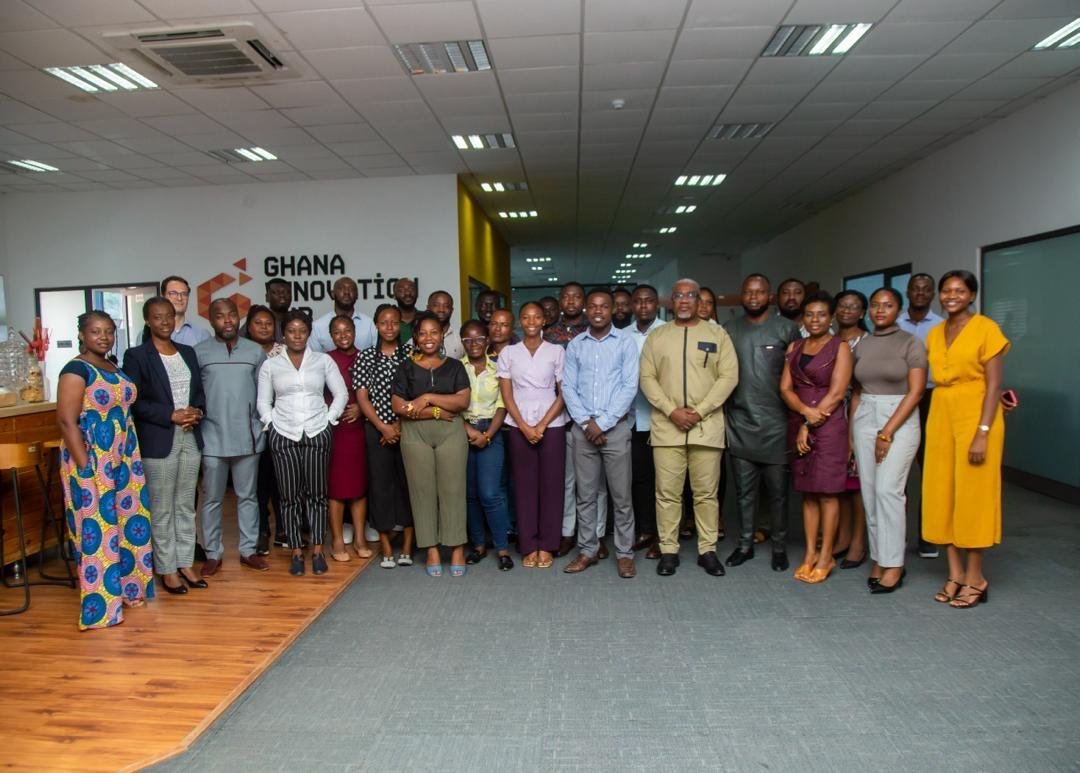
The Ghana Netherlands Business and Culture Council (GNBCC), in collaboration with MDF West Africa, this week, has announced the commencement of applications for the fifth edition of the Dutch Export Academy (DEA).
The DEA is a training programme tailored specifically for Ghanaian entrepreneurs in the horticulture sector who are looking to export to the European Union (EU) market.
The initiative offers practical insights, expert guidance, and hands-on training to equip participants with the knowledge and skills necessary for successful international trade.
This year’s edition is expected to start from Tuesday, May 14 to Thursday, May 30, 2024, with the training sessions scheduled for six days: three times a week, with a one-week interval, at East Legon in Accra.
The programme consists of Classroom Training Sessions, Field visits, and a Practical Intermission Programme. The topics to be covered during the training period include EU Export Processes and Documentation, Export Finance, Strategic Customer-Centric Development, International Trade Agreements, Practicalities of Shipping, among others.
The intermission period will include Industry Experiences and Best Practices, Market Research, Cross-Cultural Etiquette, Contract Preparation, Negotiation, and Coaching sessions.
Interested entrepreneurs, companies, and other key stakeholders have until April 1, 2024, to register by filling out the sign-up form.


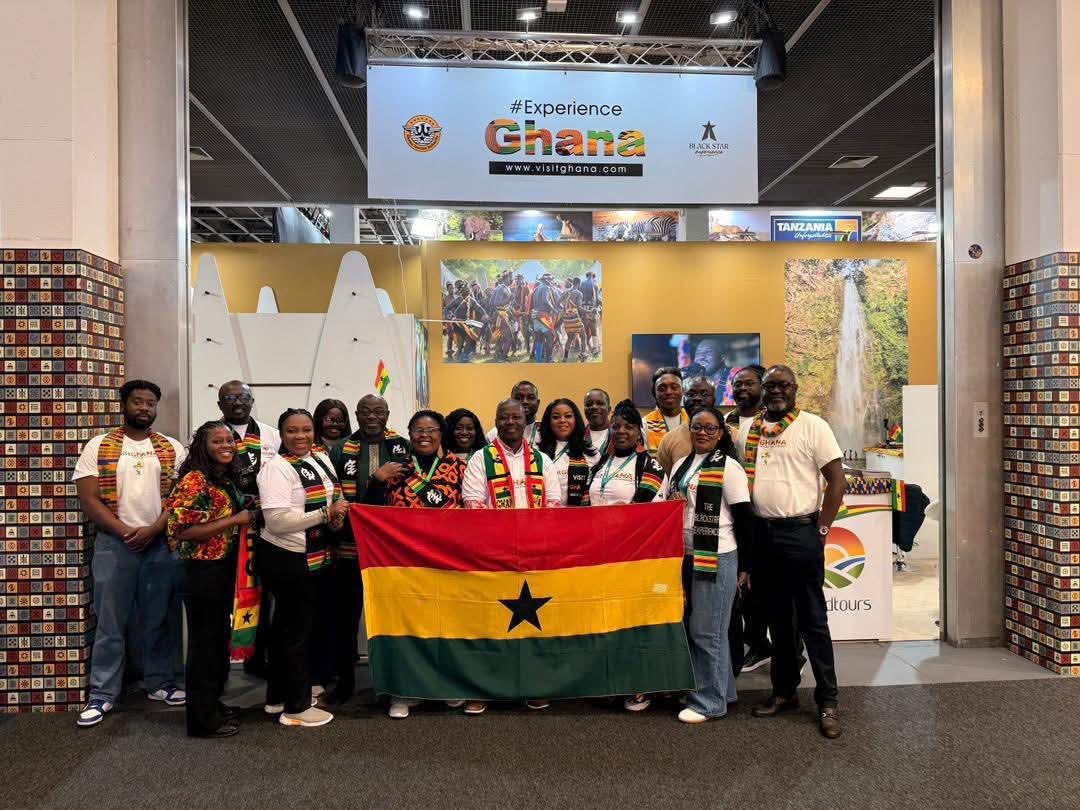
Ghana Tourism Authority is leading Ghana’s participation at ITB Berlin, which opened in Berlin with a vibrant national pavilion highlighting Ghana’s rich cultural heritage, tourism destinations and investment opportunities.
March 5 has been designated as Ghana Day, a special platform to promote Ghana’s languages, cuisine, Kente, festivals and business prospects to the global tourism community. The stand has already drawn strong interest with traditional arts and crafts displays, immersive multimedia presentations and popular Ghanaian snacks.
Seven private-sector players are exhibiting alongside government officials as part of efforts to deepen trade partnerships, expand market access, and attract investment across the hospitality, heritage tourism, ecotourism, and creative arts sectors.
Ahead of the official opening, the Ghana delegation also engaged young Ghanaian investors in Germany in collaboration with V Afrika-Verein and the Ghana Embassy, strengthening diaspora investment linkages and highlighting opportunities within the tourism value chain.
Ghana’s coordinated presence at ITB Berlin 2026 reinforces its strategy to position the country as the Gateway to Africa and a competitive destination for leisure travel and global investment.

The Member of Parliament for Nsawam Adoagyiri, Frank Annoh Dompreh, has expressed concern over delays in the release of the District Assemblies Common Fund, warning that the situation is stalling development across the country.
On his facebook page, he described as a matter of urgent national importance, the Minority Chief Whip pointed to what he sees as a growing crisis of unpaid contractors, abandoned projects, and halted infrastructure works in many districts.
He noted that several communities are grappling with half completed schools, unfinished health facilities, abandoned markets, deteriorating roads, and stalled sanitation projects.
According to him, many contractors who have executed projects for district assemblies have not been paid, forcing some construction firms to demobilise from sites while workers lose their jobs.
He stressed that the District Assemblies Common Fund is not a discretionary allocation but a constitutional requirement under Article 252 of the 1992 Constitution, intended to support development at the local level.
In his view, years of delayed releases and accumulated arrears have weakened district development financing and disrupted projects meant to improve living conditions in communities.
He further argued that some payments made in recent years were largely the settlement of old debts rather than funding for new or ongoing projects, a situation he believes has affected contractor confidence and local economic activity.
He described the issue as more than a budgetary challenge, characterising it as a development emergency and a governance concern.
He therefore urged the appropriate authorities to pay outstanding DACF arrears, settle contractors who have completed their work, and ensure that transfers to districts are automatic and predictable.
He maintained that decentralisation can only succeed when district assemblies receive adequate and timely funding to carry out development projects.
He emphasised that stalled projects directly affect ordinary citizens, since they rely on such infrastructure for education, healthcare, transportation, sanitation, and economic activities.
He called for renewed attention to grassroots development, insisting that national progress should not be concentrated only in major cities but extended to all communities.
By: Jacob Aggrey