
News
GNAT Executives hold bilateral discussions with NTC management


The 246,000 teachers across the country are expected to see an improvement in their working conditions and general wellbeing as projected by the new executives of the Ghana National Association of Teachers (GNAT).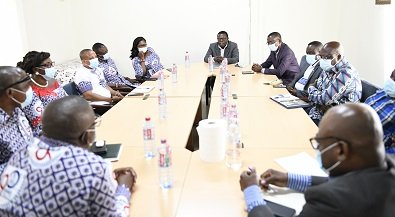
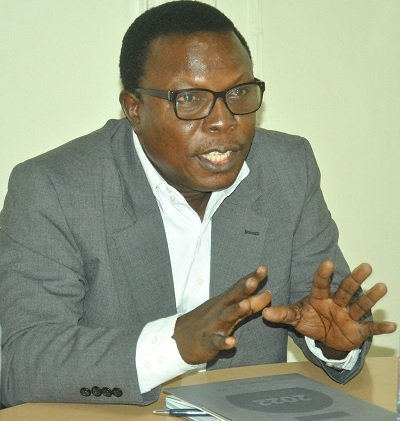

The executives, among other things, intend to improve stakeholder engagement, good corporate governance, professional development and enhanced remuneration for teachers.
The acquistion of the Sweden Ghana Medical Centre by the association is also expected to be ease the financial burden associated with treatment of cancer and cancer related illnesses by members.
Reverend Isaac Owusu, the GNAT National President, made these remarks when the association paid a courtsey call on the Management of New Times Corporation (NTC) in Accra on Tuesday.
The visit was to officially introduce the newly elected national executives to the management of NTC and discuss possible areas of collaboration between the two entities.
The five newly elected national executives of GNAT who would serve a four-year term are: Reverend Isaac Owusu, National President, Mrs Lucy Amanda Asamoa, Vice President; Mr Ransford K.N Lolih, Treasurer; Mr John Owusu Mensah, 1st Trustee and Ms Mercy Nabia Sagbil as the 2nd Trustee.
Mr Daniel Affadu and Mr Kwame Dagbandow, Deputy Secretaries; and Mr Nicholas Taylor, Head of Administration and Organisation and other members of the association accompanied them.
Reverend Isaac Owusu gave the assurance that the new executives would build on the good works of its predecessors.
“The newly elected officers have a huge task but we would work in the interest of members to make GNAT continue to stay relevant”, he said.
Mrs Lucy Amanda Asamoa, said that the association had made some remarkable strides in the past 90 years and urged members to honour their monthly obligations to the Teachers’ Fund.
The Managing Director of New Times Corporation, Mr. Martin Adu-Owusu congratulated the new officers and assured them of the NTC’s unflinching support for the association.
“Gone were the days when the saying was that the teachers’ rewards were in heaven, the status quo does not hold today, I am urging you to work hard to ensure that welfare and wellbeing of teachers are enhanced,” he said.
Mr David Agbenu, Editor of the Ghanaian Times, urged GNAT to address any challenges that may disrupt academic work in future.
Mr Emmanuel Amponsah, Editor of The Spectator advised the executives to work assiduously for the interest of all its members and jealously guard the image of the association.
By Portia Hutton-Mills & Richael Ammah



Minister for the Interior, Mubarak Mohammed Muntaka, has confirmed that former Chief Executive Officer of the Microfinance and Small Loans Centre (MASLOC), Sedina Tamakloe Attionu, is in prison and serving her jail term.
Speaking in an interview on Joy news, Mr. Muntaka dismissed claims that the former MASLOC boss was being held in a private location.
He said she has been in the custody of the state since she returned to Ghana.
“From the day Sedina came, she has been with us, and she’s serving her time,” he said.
The minister explained that the public is not usually told the specific prison where inmates, especially high-profile persons, are being held for security reasons.
He said even judges who sentence offenders do not necessarily know the specific prison where they are sent.
“If you want to visit her, you can write to the Prisons Service. They will talk to her, and if she is interested in you coming, she will let you come,” Mr. Muntaka stated.
According to him, disclosing the location of high-profile inmates could put their lives at risk, adding that some developed countries also keep such information confidential for security purposes.
His comments come amid public speculation over the whereabouts of Ms. Tamakloe Attionu following reports that she had returned to Ghana to begin serving her prison sentence.
By: Jacob Aggrey
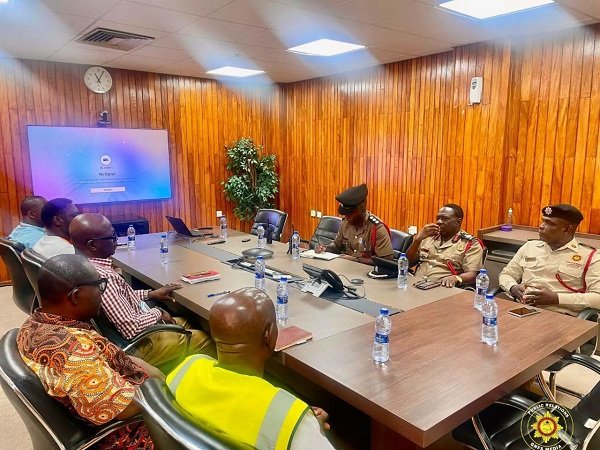
The Western Regional Commander of the Ghana National Fire Service (GNFS), ACFO I Cecil Addo, has completed a familiarization tour of major corporate and industrial institutions across the Western Region to strengthen partnerships and enhance fire safety preparedness.
The tour covered key organizations including the Bank of Ghana, GOIL PLC, Ghanstock, Western Terminals, Zen Terminal, Keda Ceramics, Takoradi International Company (TICO), Volta River Authority (VRA), Harlequin Oil and Gas, and Western Serene Atlantic Hotel.
During the engagements, the Regional Commander encouraged management of the institutions to prioritize proactive fire prevention measures by incorporating strict safety protocols into their daily operations.
Discussions also focused on improving fire readiness and strengthening collaboration between GNFS and the corporate sector.
As part of the initiative, GNFS presented firefighting equipment, including Carbon Dioxide (CO2) and Dry Chemical Powder (DCP) extinguishers, as well as Fire Extinguishing Balls, to support workplace safety.
The institutions expressed appreciation for the outreach and pledged to support regular safety audits, joint emergency drills, and potential Corporate Social Responsibility (CSR) partnerships with the Service.

 News1 week ago
NFS, AACMA raise GH¢300K for new fire tender
- News7 days ago
FSD Africa, others launch Green Project Preparation Facility to unlock investment in climate infrastructure in Ghana
- News7 days ago
Merck Foundation holds 13th Africa Asia Luminary with 12 First Ladies to advance healthcare capacity across Africa and Asia


