News
Ghana Zambian Relations: President Mahama calls for economic reset and deeper cooperation

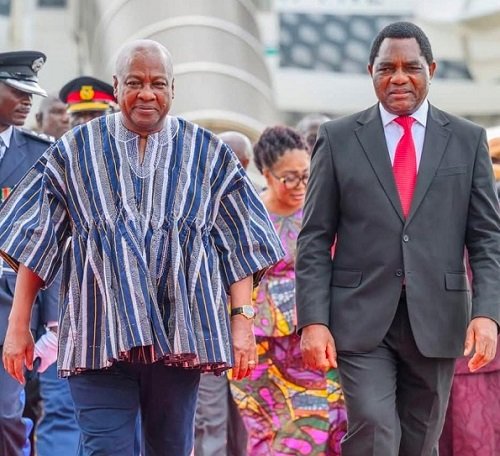
President John Dramani Mahama has called for stronger economic cooperation, African self reliance and reforms in global systems to support the continent’s development during a state visit to Zambia.
Addressing the Zambian Parliament in Lusaka, President Mahama described the invitation to speak before the House as a great honour, noting that his experience as a former Member of Parliament and President made him familiar with parliamentary traditions.
He conveyed warm greetings from the government and people of Ghana and expressed appreciation for the hospitality shown to him and his delegation since their arrival in Zambia.
President Mahama explained that the visit reaffirmed the long standing friendship between Ghana and Zambia, which he traced to the liberation struggles of Africa under the leadership of Osagyefo Dr Kwame Nkrumah and Dr Kenneth Kaunda.
He recalled Ghana’s historical support for Zambia’s independence, noting that many Zambian freedom fighters were influenced by Pan African ideals nurtured in Ghana.
He stressed that the responsibility of the current generation was to turn political solidarity into real economic and social benefits for citizens.
He pointed out that Africa was facing declining development assistance, rising defence spending and weak multilateral systems, a situation he described as a pandemic of unfulfilled potential.
The President indicated that millions of young Africans remained unemployed while many economies continued to extract wealth without building local capacity.
He urged African leaders to respond with realism and bold action.
President Mahama referred to the Accra Reset Initiative, which he has promoted on global platforms, including Davos, to encourage Africa to redefine its development path.
He observed that many African countries were trapped in triple dependency on external security actors, donor funding for health and education and foreign control of critical minerals.
He explained that the Accra Reset aimed to reform global systems that disadvantaged Africa, while promoting unity, self reliance and the use of the continent’s natural strengths for industrial growth.
He called for reforms in global governance, including greater African representation at the United Nations Security Council, and changes to international financial systems that keep Africa in debt.
Turning to Ghana’s experience, President Mahama outlined steps taken by his administration since returning to office one year ago.
He mentioned efforts focused on economic recovery, stability, job creation and inclusive growth, supported by fiscal discipline, productive investment and good governance.
He disclosed that the size of government had been reduced, public services were being digitalised to fight corruption and investments were being made in digital, green and industrial skills.
He added that Ghana had restructured its debts to prioritise investment in people.
The President noted that inflation in Ghana had dropped from 23.4 percent at the end of 2024 to 3.8 percent in January 2026, while the national currency had appreciated by 32 percent.
He added that Ghana was exiting the IMF programme with dignity and on sustainable terms.
He described these gains as beneficial not only to Ghana but also to regional integration, identifying Zambia as a natural partner.
He pointed to opportunities for cooperation in mining, agriculture, energy and manufacturing.
President Mahama emphasised the need for Africa to take greater control of its natural resources.
He criticised the practice of granting large concessions to speculators and called for stronger participation by indigenous companies in the extractive sector.
He highlighted Ghana’s establishment of a Gold Board to regulate gold exports, noting that exports from the artisanal and small scale mining sector had increased from 63 tonnes to 104 tonnes within ten months, generating more than 10 billion dollars in foreign exchange.
He added that Ghana had begun refining gold locally and planned to add value to manganese and bauxite.
As African Union Champion of African Financial Institutions, President Mahama disclosed advocacy efforts to repatriate part of Africa’s foreign reserves for investment in African institutions such as the African Development Bank, to support infrastructure and economic growth.
He stressed that no African country could succeed in isolation and called for regional manufacturing zones, integrated energy systems, shared digital infrastructure and unified negotiation on trade, minerals and climate finance.
On governance, President Mahama underscored the need for transparent and accountable leadership.
He urged that institutions mandated to fight corruption be allowed to operate independently and that abuse of public trust be punished.
He echoed the view that Africa needed strong institutions rather than strongmen.
He acknowledged democratic challenges in parts of West Africa but maintained that Ghana was determined to show that democracy could deliver prosperity under constitutional rule.
President Mahama commended Zambia for stabilising its economy, noting improvements in the Kwacha and ongoing reforms that were sending positive signals to investors.
He expressed Ghana’s readiness to deepen trade, investment and financial cooperation with Zambia.
He also expressed confidence in Zambia’s democratic institutions ahead of its general elections and announced that the two countries had signed ten Memorandums of Understanding to strengthen cooperation.
Among them was an agreement allowing visa free travel for all categories of passport holders between Ghana and Zambia.
The President reaffirmed Ghana’s commitment to peace and security cooperation with Zambia and highlighted Africa’s push for reparative justice.
He revealed that Ghana would sponsor a United Nations resolution to declare slavery the greatest crime against humanity and expressed hope that Zambia would support the initiative.
In his role as African Union Champion for Gender and Development, President Mahama outlined steps taken by Ghana to promote gender equity, including electing its first female Vice President, implementing a law to ensure at least 30 percent female representation in public appointments and plans to establish a women’s development bank.
He stressed the importance of the African Continental Free Trade Area in boosting intra African trade and industrialisation, and reaffirmed Ghana’s commitment to working closely with Zambia based on mutual respect and shared destiny.
By: Jacob Aggrey

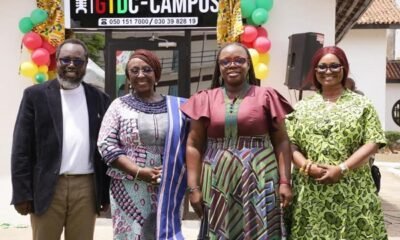




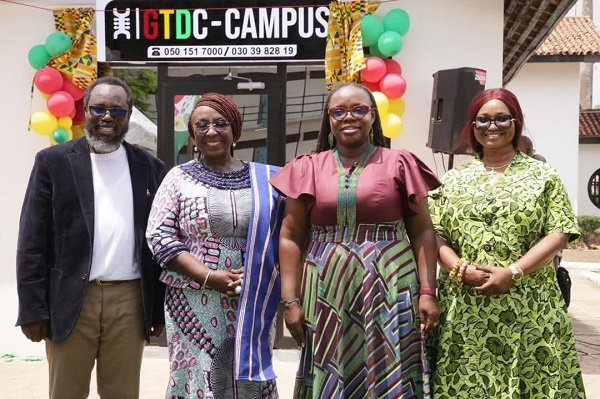
The Ghana Tourism Development Company, GTDC, under the leadership of Prof.Kobby Mensah has launched GTDC Campus Tourism Office at the University of Ghana.
The initiative aims to promote educational and domestic tourism by providing structured campus tour experiences showcasing key heritage sites, including the Archaeology Museum and the School of Performing Arts.
It will also offer students their first travel experience across the continent and inculcate in them love to visit Ghana’s heritage sites.
Addressing the gathering at the launch yesterday, the Minister of Tourism, Culture and Creative Arts, Abla Dzifa Gomashie, described tourism as a vehicle for education and heritage preservation, stressing that the sector must inspire citizens to value and protect national culture for future generations.
The minister highlighted tourism’s connection to disciplines such as history, the arts, economics and environmental science.
The minister further noted that the private sector is the engine of tourism economy, adding that the engines require fuel, which is talents.” by investing in these young people today, you are securing the quality, the innovation and competitiveness of our own industry for tomorrow.
She added that the establishment of the office represents a deliberate investment in the intellectual capital of the country.
The GTDC boss, Prof.Kobby Mensah, said,”at GTDC, we believe that if our tourism has to be sustainable, we have to promote domestic tourism and a very big part of it is getting students to appreciate tourism and helping them to organise tours.”
He added that the University of Ghana itself is a huge heritage site which must be explored.
Prof.Kobby Mensah noted that the initiative, which is one of many to be established across the country, is a joint partnership between GTDC and University of Ghana.
The Vice Chancellor of the University, Prof.Nana Aba Appiah Amfo, said the University is a custodian of heritage which goes beyond the structures and welcomed the establishment of the first Campus Tourism Office.
She was optimistic that the office would be put to good use to achieve the intended purpose.
The launch brought together Stakeholders reaffirming their commitment to nurturing future tourism and hospitality professionals.
By Edem Mensah-Tsotorme
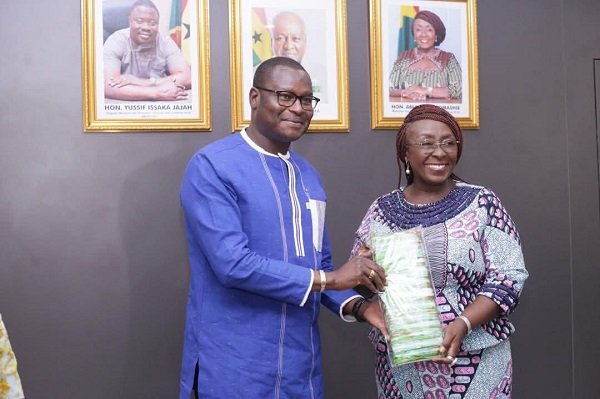
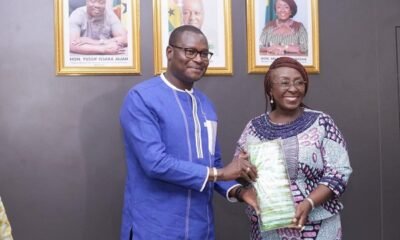
Ghana has officially accepted an invitation to serve as Guest Country at Burkina Faso’s 22nd National Culture Week in Bobo-Dioulasso from April 22 to May 2, 2026.
The invitation was extended by Burkina Faso’s Minister of Communication, Culture, Arts and Tourism, Gilbert Noël Ouédraogo, accompanied by the Ambassador of Burkina Faso to Ghana, H.E. David Kabré.
Receiving the delegation, Abla Dzifa Gomashie reaffirmed Ghana’s commitment to deepening cultural diplomacy and strengthening historic ties between the two nations.
She noted that the festival will create opportunities for young creatives, expand exhibition platforms and promote commercial exchange within the creative sector.
The event will feature cultural performances, a community village and gastronomy fair, an arts market, literary engagements, and a craft and trade fair.
Ghana’s participation is expected to further strengthen bilateral relations between John Dramani Mahama and Ibrahim Traoré, while fostering collaboration within the creative ecosystems of both countries.