News
Ghana records $4.8bn in tourism revenue in 2024


- /home/u249204778/domains/spectator.com.gh/public_html/wp-content/plugins/mvp-social-buttons/mvp-social-buttons.php on line 27
https://spectator.com.gh/wp-content/uploads/2025/07/The-tourism-sector-recorded-a-significant-growth-in-revenue-in-2024.jpg&description=Ghana records $4.8bn in tourism revenue in 2024', 'pinterestShare', 'width=750,height=350'); return false;" title="Pin This Post">
- Share
- Tweet /home/u249204778/domains/spectator.com.gh/public_html/wp-content/plugins/mvp-social-buttons/mvp-social-buttons.php on line 72
https://spectator.com.gh/wp-content/uploads/2025/07/The-tourism-sector-recorded-a-significant-growth-in-revenue-in-2024.jpg&description=Ghana records $4.8bn in tourism revenue in 2024', 'pinterestShare', 'width=750,height=350'); return false;" title="Pin This Post">
Ghana’s tourism sector saw a record-breaking growth in 2024, with historic revenue, increased international arrivals, and a surge in domestic tourism.
According to the 2024 Ghana Tourism Report, the sector generated $4.8 billion— the highest in the country’s tourism history.
The report, launched by the Ghana Tourism Authority (GTA) under the theme ‘Growth and Stability,’ detailed significant strides in arrivals and spending.
Ghana recorded 1.288 million international visitors in 2024, a 12 per cent rise from 2023.
The increase was largely driven by arrivals from the United States, Nigeria, and the United Kingdom, with Nigerian arrivals alone rising by 25 per cent.
Events such as ‘December in GH’ contributed significantly to this growth, with international visitors staying an average of 22 nights and spending over $700 per day.
“A figure that underscores Ghana’s growing position as a premium destination for heritage and leisure travel,” the report stated.
Domestically, 1.68 million visits to tourist sites were recorded—marking a 19 per cent year-on-year increase.
The Kwame Nkrumah Memorial Park remained the top attraction, followed by Kakum National Park and Bunso Arboretum.
The hospitality sector also expanded, with 6,702 licensed tourism enterprises operating in 2024, up from 5,786 in 2023.
Hotel occupancy remained high, and the average tourist expenditure per trip reached $3,742.
Cruise tourism saw notable growth as well, with 14 cruise ships docking in Ghana, bringing over 12,600 passengers—a 38 per cent increase.
The Tema and Takoradi ports received about 88 per cent American tourists.
Mrs Maame Efua Huoadjeto, the Chief Executive Officer of the GTA, remarked, “Despite global and regional economic pressures, Ghana’s tourism sector maintained a strong upward trajectory.”
“In 2024, we intensified our collaboration with the private sector, invested in the training and certification of tourism practitioners and improved regulatory compliance.
“We recognised that quality of service is key to delivering memorable experiences and we remain committed to upskilling our workforce to meet international standards,” she said.
Mrs Huoadjeto said the Report not only reflected the progress of the industry over the past year but also reinforced the shared commitment to build a resilient, inclusive, and competitive tourism sector.
“It is a product of diligent research, data collection, and stakeholder collaboration and it captures the full breadth of our achievements, lessons learned, and the opportunities that lie ahead.”
Highlighting event-driven growth, Mrs Huoadjeto noted that the report outlined the impact of key events such as PANAFEST, Emancipation, Kwahu Paragliding festival, and Detty December, which collectively contributed to economic activity across the regions and created employment opportunities for thousands of Ghanaians.
Mrs. Huoadjeto urged all stakeholders to “join in shaping the next chapter of Ghanaian tourism, work together to unlock new markets, strengthen infrastructure and leverage digital innovation to deliver seamless experiences.”
The Deputy Minister of Tourism, Culture and Creative Arts, Mr. Yussif Jajah, highlighted the critical importance of data in shaping tourism policy, noting that in a time marked by climate challenges, technological shifts, and evolving traveler expectations, data served as a vital tool for guiding decisions on policy, planning, and investment.
He said the report offered critical insights into “arrivals, revenue, domestic tourism trends, employment generation, visitor satisfaction, and sectoral contributions to Gross Domestic Product (GDP).”
Mr Jajah credited the sector’s achievements to support for the creative industry, hospitality training expansion, public-private partnerships, and digitalisation of tourism services.
Looking ahead, Mr Jajah said the ministry would prioritise implementing the National Tourism Development Plan, focusing on regional tourism clusters and initiate its renewal.
—GNA


A disturbing practice in which some mothers and caregivers use skin-lightening creams, harsh soaps and even pills on children in an attempt to make their skin lighter has come under strong criticism from a public health nurse.
Mr Jonathan Kwame Quarshie, a Public Health Nurse at the Ho Teaching Hospital, has cautioned mothers and caregivers to desist from bleaching the skin of children, describing the practice as unnecessary and potentially harmful to their health.
He said it was worrying that some caregivers were exposing children to cosmetic products meant to alter their natural complexion, despite the delicate nature of children’s skin.
According to him, the situation becomes even more concerning when pills or tablets are given to children with the promise that the products would make their skin lighter “from within”.
“There is no justification for giving a baby or child an unprescribed substance for cosmetic purposes,” he cautioned.
Mr Quarshie stressed that “a baby is not a beauty project” and urged parents to appreciate and protect the natural complexion of their children rather than trying to change it to conform to perceived standards of beauty.
He explained that children’s skin was delicate and could be adversely affected by inappropriate cosmetic products, particularly those containing potentially harmful substances.
Some skin-lightening products may contain substances such as mercury, hydroquinone or potent corticosteroids, which could cause skin irritation, damage and other health complications depending on the substance and level of exposure, he said.
Of particular concern, he said, was mercury exposure, which could affect the nervous system and kidneys.
He therefore warned parents against treating children as “laboratories for beauty experiments” and urged them to consider the long-term health implications of exposing children to unnecessary chemicals and medicines.
Mr Quarshie said children did not need to have lighter skin to be considered beautiful, adding that what they needed was love, acceptance, proper nutrition, safe, age-appropriate skincare and appropriate medical care when necessary.
He advised parents whose children had skin conditions, unusual pigmentation, persistent rashes or other skin concerns to consult qualified health professionals rather than attempting to lighten or treat their skin with unprescribed products.
He also urged caregivers who had already used skin-lightening products on their children to stop further use and seek medical advice, particularly where a child developed irritation, swelling, skin thinning, changes in skin colour or other unusual symptoms.
He said it was worrying that children, particularly girls, were increasingly facing pressure to conform to certain standards of beauty from an early age.
He appealed to parents and families to create an environment in which children would grow up appreciating their natural appearance and understanding that their skin colour was not a problem that needed to be corrected.
“Every shade deserves protection. Every child deserves safe care,” he said, urging society to focus on protecting the health, dignity and wellbeing of children rather than changing their natural complexion.
He said children needed protection, not bleaching.
From Ama Tekyiwaa Ampadu Agyeman, Koforidua
SKIP THE QUEUE, TAP THE NEWS
You can now read the Ghanaian Times and The Spectator newspapers from the comfort of your device via TimesNewsPlus.
Join our WhatsApp Channel: https://whatsapp.com/channel/0029VbBElzjInlqHhl1aTU27
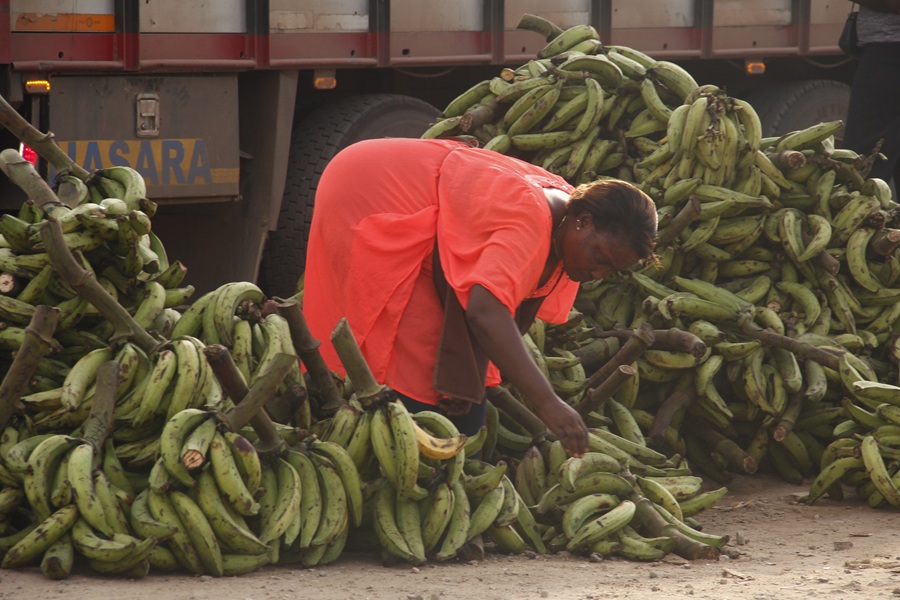
TRADERS of foodstuffs such as tomatoes, cassava, plantain and pepper are overwhelmed by the significant drop in prices across various markets and are urging customers to visit the markets to buy.
The development has come as a big relief to families who visit the markets for these essential ingredients used in daily food preparation.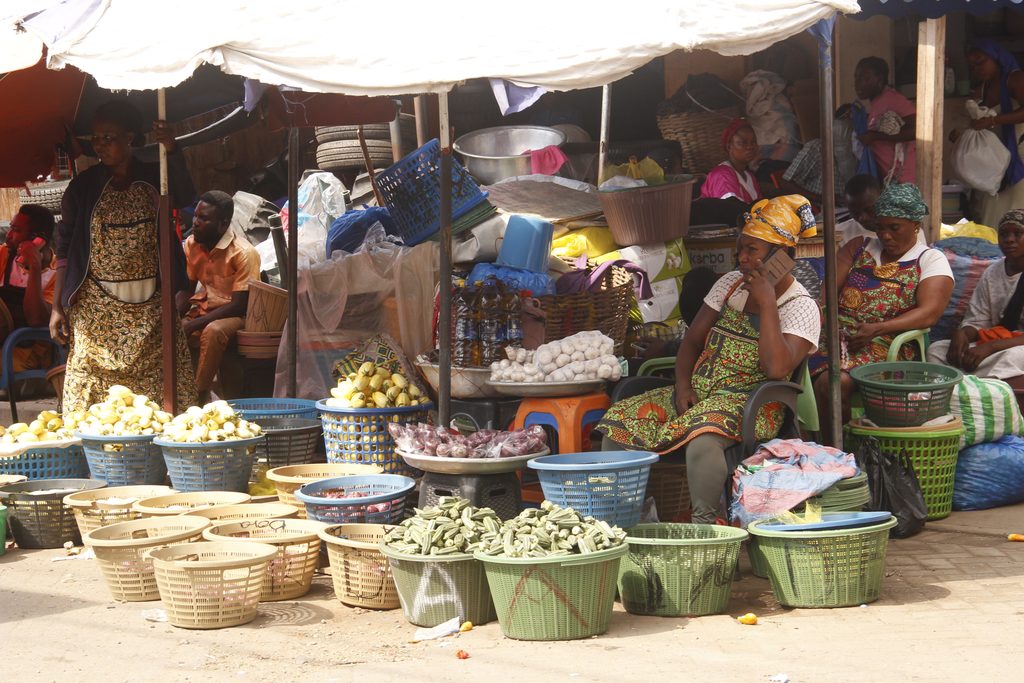
When The Spectator visited markets around Accra Central, Agbogbloshie and Kingsway, among others, tomatoes had flooded every inch of space and were being sold at very affordable prices.
The situation was the same for other foodstuffs, including plantain, cassava and pepper.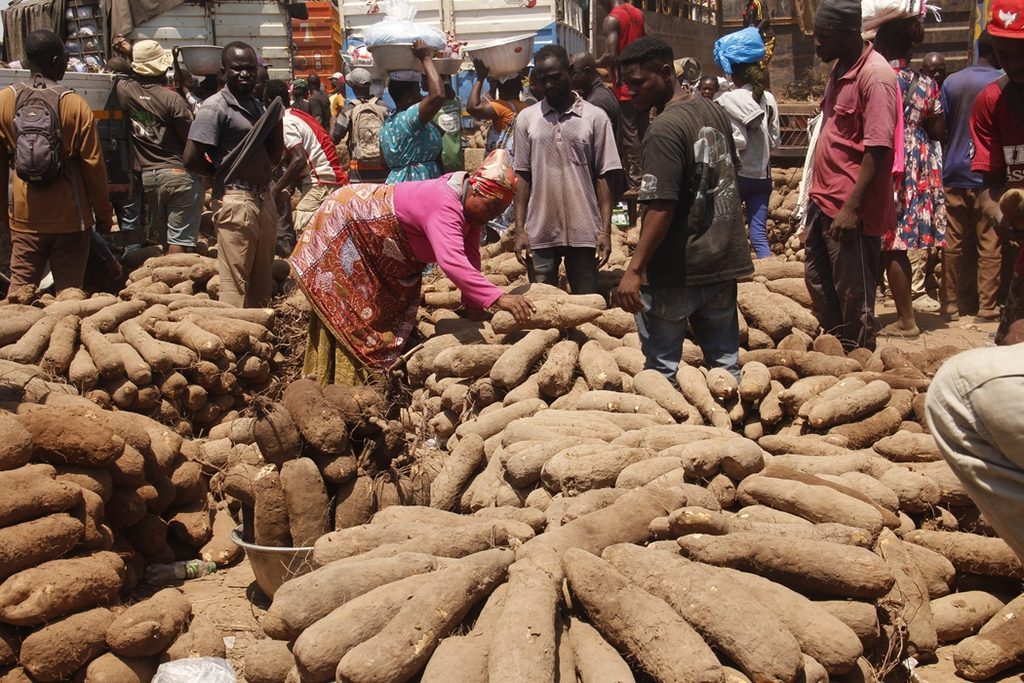
The items were being sold at affordable prices as traders chased buyers.
Interacting with some traders, they said the abundance of foodstuffs had increased patronage at the various markets, with customers buying in large quantities.
With a budget of GH¢300, they claimed, one could buy enough foodstuffs to feed a family at home.
A trader, Esther Nyarko, told The Spectator that prices had reduced significantly and advised members of the public to buy in large quantities for storage.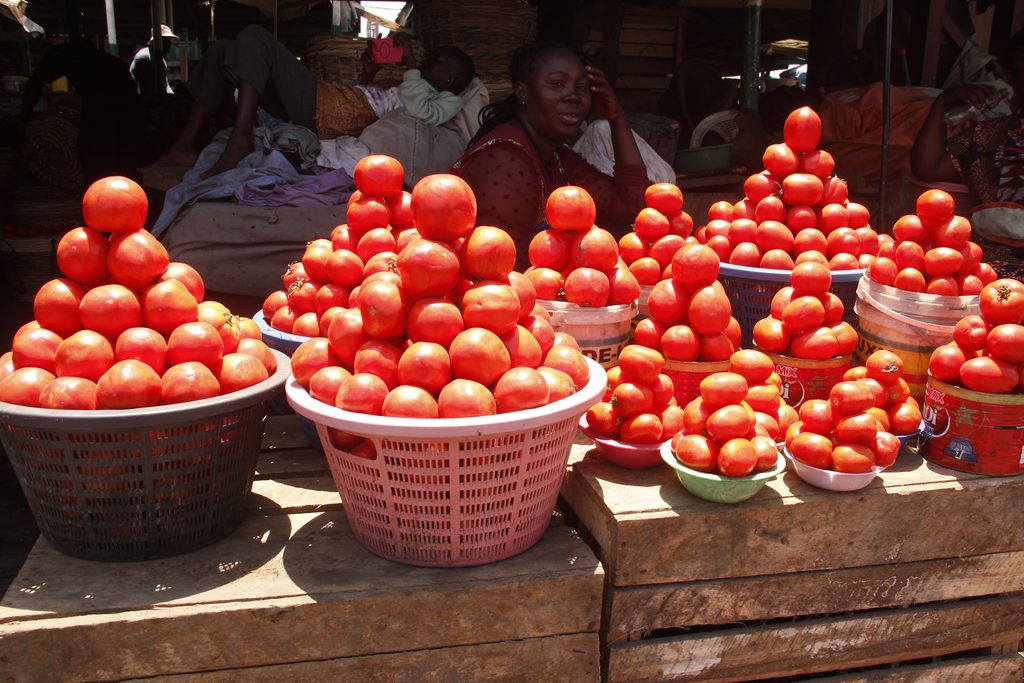

“Cassava, for instance, can be cut into pieces and stored in a freezer. It can also be ground and processed into powder. In the same way, other foodstuffs can be stored in freezers so that when the season ends, people will have some to fall back on,” she said.
According to the traders, the current abundance of seasonal foodstuffs would not last forever, adding that scarcity could follow the harvest period.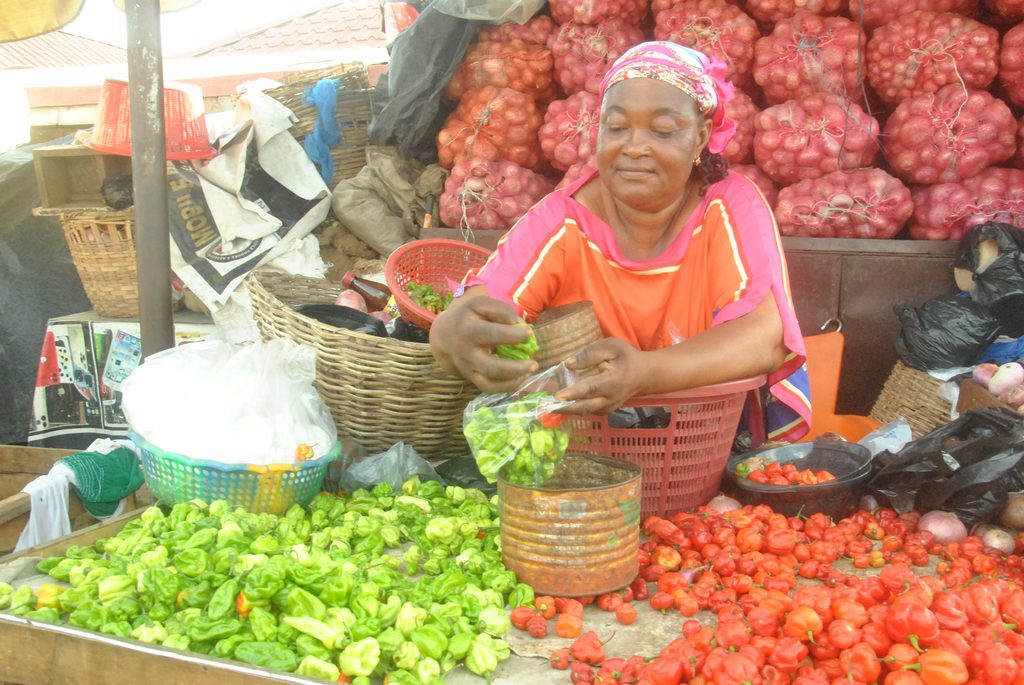
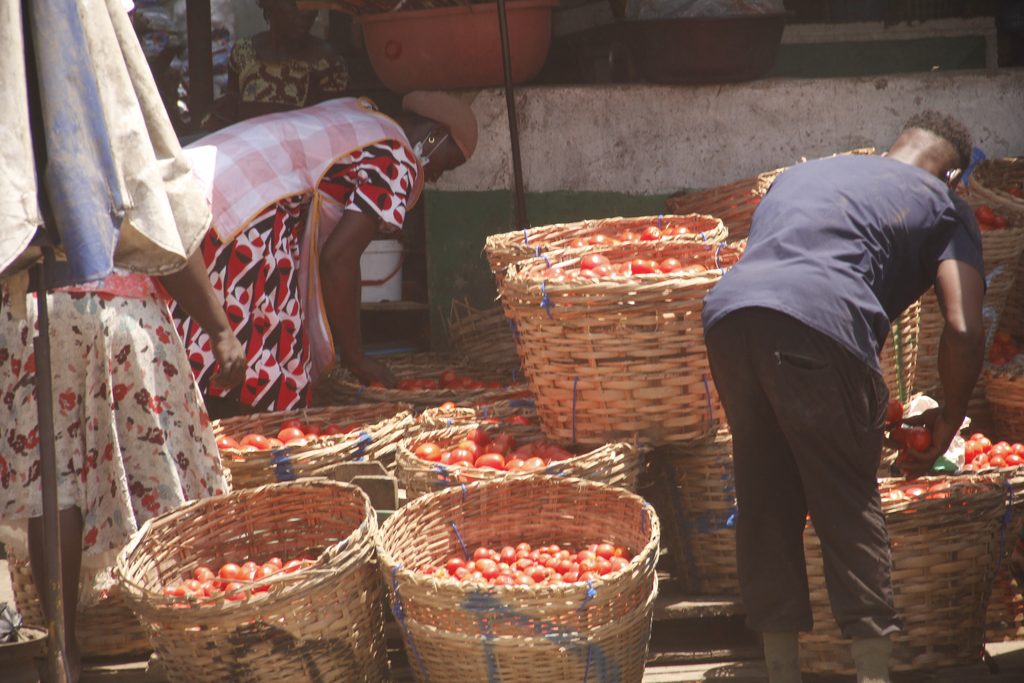
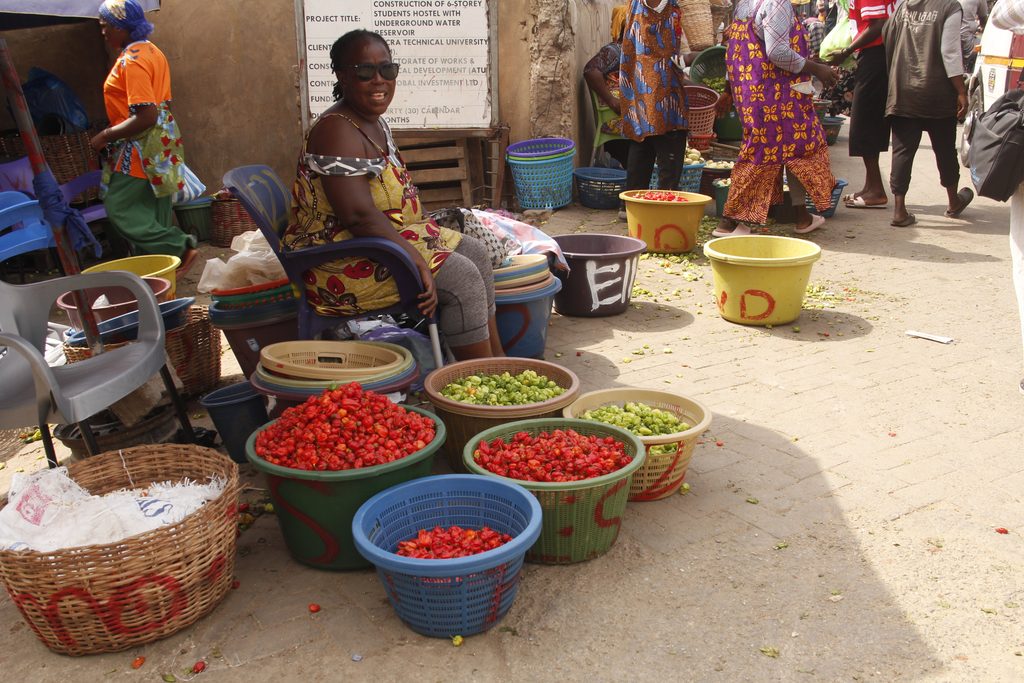
Rose Nyarko, a trader at Agbogbloshie Market, said the abundance of tomatoes, pepper, onions and other vegetables was encouraging, adding that the lower prices were prompting customers to buy more.
Ms Anita Abban, a market woman at Kingsway, said farmers deserved commendation for making the foodstuffs available. She urged the government to support storage and transportation to prevent produce from going to waste.
A third trader, Maame Akua, told The Spectator that the development, coming after a period of vegetable scarcity, had brought joy to many people. She added that consumers were buying more than they needed in order to store some for future use.
A customer, Aunty Esi, said, “I came to buy foodstuffs for my family. I was surprised by the quantity available. There is no shortage, so I believe consumers should take advantage of the situation.”
Ms Rebecca Kumi said the variety of foodstuffs available was encouraging.
“The variety is good. You can find plantain, cassava, yam, tomatoes, pepper and other foodstuffs in large quantities. It makes shopping easier, and they are cheap. I wish it remains so for a long time,” she said.
By Linda Abrefi Wadie