News
Ghana makes history with first female Vice President-elect, Prof. Naana Opoku-Agyeman

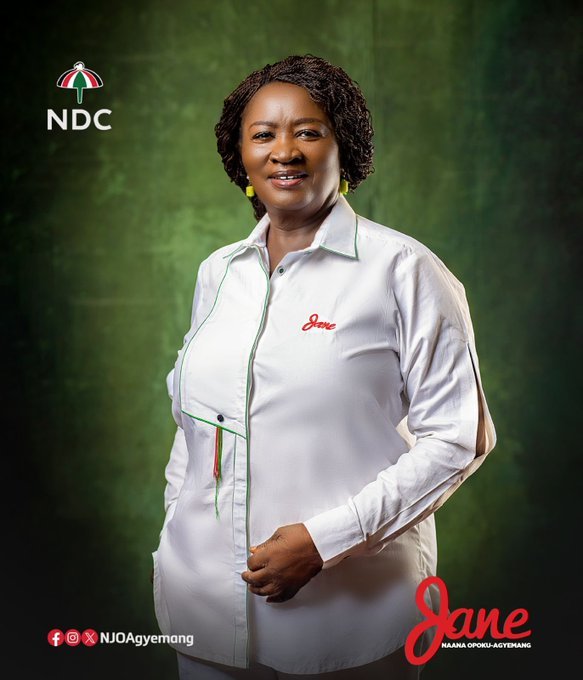
Ghana has made history by electing its first female Vice President, Professor Jane Naana Opoku Agyeman. This milestone marks a significant step forward for women’s representation in Ghanaian politics.
This is also a testament to the progress Ghana has made in promoting gender equality and women’s empowerment which has the tendency to inspire future generations of women to pursue careers in politics and public service.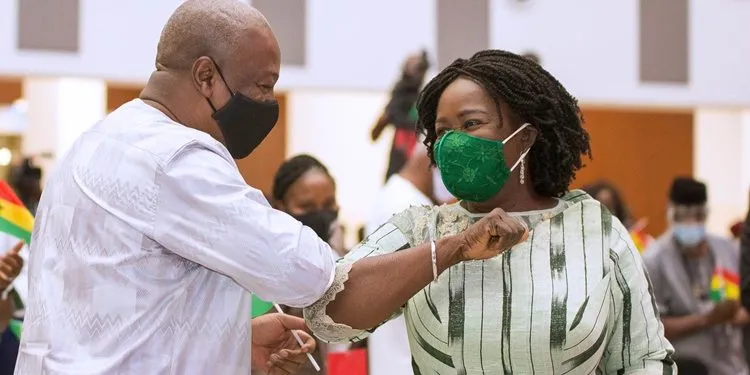
This historic feat comes at a time that Ghana’s Parliament had passed the Affirmative Action and Gender Equity law which has been assented by the President, a legal document to demand gender parity in Ghana.
Currently, the agenda to increase women’s participation in political leadership is receiving universal support through the Sustainable Development Goals (SDG) 5.5 which seeks to ensure women’s full and effective participation and equal opportunities for leadership, and at all levels of decision-making including political, economic and public life.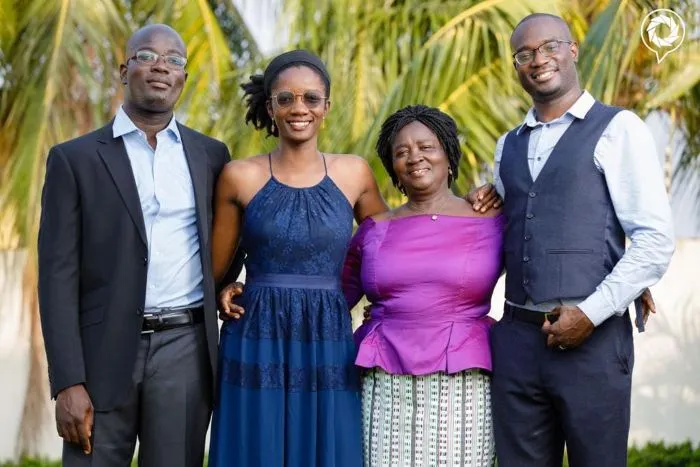
Women’s representation in political decision making continues to increase but at a dragging pace, years after the Beijing Platform for Action, which remains the world’s most comprehensive agenda for gender equality.
Globally, research by the United Nations Women (UN Women) estimates that men represent 77 per cent of parliamentarians, 82 per cent of government ministers, 93 per cent of heads of government and 94 per cent of heads of state.
Today, it is possible for one to name all of the current female leaders within few minutes, which is why whenever a woman gets to the top of an organisation or political party, it makes global headlines.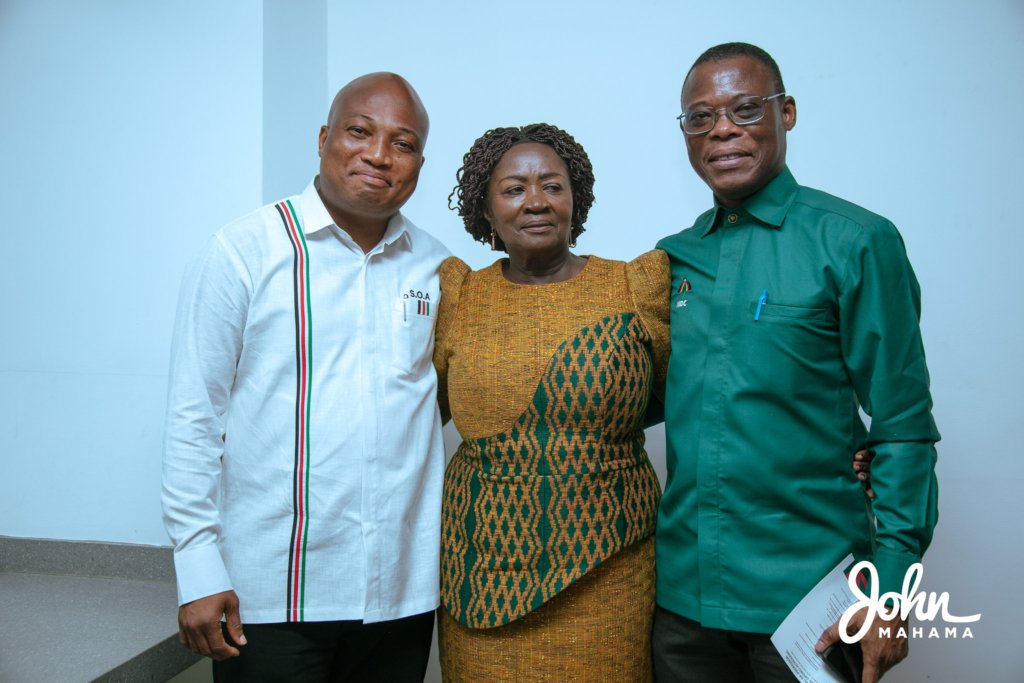
Since the nomination of Prof Naana Jane Opoku-Agyeman as the running mate of NDC’s flag bearer, many women groups have issued congratulatory messages with many women fan clubs springing up.
In order to pave way for women and girls to enter into politics in the near future, Ghana’s Vice President-elect on Monday reaffirmed her commitment to inclusivity and empowerment and vowed to pave the way for others to succeed in her groundbreaking role.
She said her election as the first vice president in Ghana’s history was not about personal glory but it was about creating opportunity for all.
Prof Opoku-Agyeman said “I know this is a big responsibility, and I don’t intend to travel the journey by myself. You are all part of it. NDC is an inclusive party, and we are demonstrating it in many ways.

“My job was to open the door and it does not end there, actually, that is where the work begins. I will hold the door open. The method is holding the door open so other wish to travel that door is what I’m implying. It is not self-aggrandising positing, it is a position that empowers others”, she said.
Prof Opoku-Agyeman called on all Ghanaian to contribute to the collective goal of improving collective growth particularly for the marginalized and vulnerable in society.
By Jemima Esinam Kuatsinu

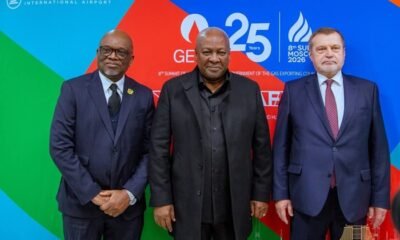






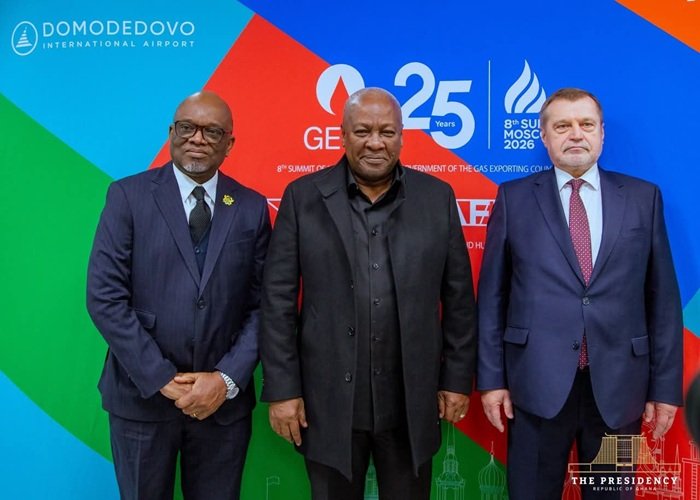
President John Mahama has arrived in Moscow, Russia, from Ethiopia to participate in the 3rd Russia-Africa Summit.
The summit is being hosted by Russian President Vladimir Putin.
During the visit, President Mahama will join fellow African leaders at the Economic and Humanitarian Forum and summit plenary sessions.
He is also scheduled to hold high-level bilateral talks with President Putin and attend a Kente exhibition organised by the Russia-Ghana Parliamentary Forum.
As part of the visit, the President will receive honorary doctorate degrees from the Russian University of Transport and the Peoples’ Friendship University of Russia.
He will also engage Russian businesses and state institutions to advance bilateral cooperation between Ghana and Russia.
By Edem Mensah-Tsotorme
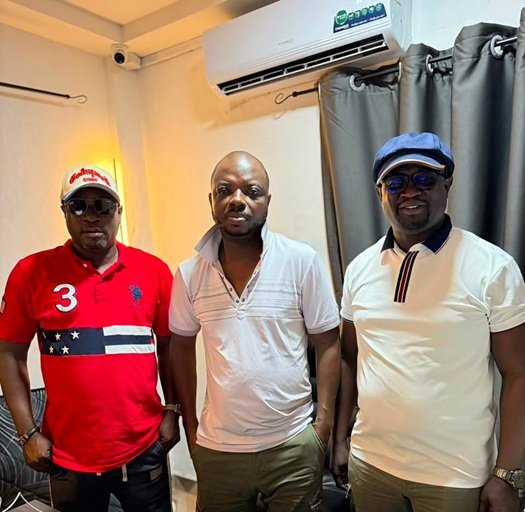
The Greater Accra Regional Organiser of the New Patriotic Party (NPP), Moses Abor, has met with the Bono Regional Chairman of the party, Kwame Baffoe, popularly known as Abronye DC, to address concerns arising from recent social media developments.
In a statement shared , Mr. Abor said he yesterday visited Chairman Baffoe over comments he made on his show, which had raised concern among some party activists.
According to him, he also engaged Charles Opoku Presidoo and ironed out grievances he had earlier held regarding the matter.
Mr. Abor said he was pleased that in the spirit of unity and the party’s shared commitment to return to power in 2028, they had a constructive conversation and addressed the concerns amicably.
“With the matter now resolved, I encourage all Party activists to let the matter rest and redirect our energy toward holding the NDC accountable for its failures and misleading claims,” he said.
He urged party members to continue making the case to Ghanaians on why Dr. Mahamudu Bawumia is the right person to lead the country in 2028.
By Edem Mensah-Tsotorme