News
Ghana grooming future diabetics …Health Experts warn

- /home/u249204778/domains/spectator.com.gh/public_html/wp-content/plugins/mvp-social-buttons/mvp-social-buttons.php on line 27
Warning: Trying to access array offset on false in /home/u249204778/domains/spectator.com.gh/public_html/wp-content/plugins/mvp-social-buttons/mvp-social-buttons.php on line 27
&description=Ghana grooming future diabetics …Health Experts warn', 'pinterestShare', 'width=750,height=350'); return false;" title="Pin This Post">
- Share
- Tweet /home/u249204778/domains/spectator.com.gh/public_html/wp-content/plugins/mvp-social-buttons/mvp-social-buttons.php on line 72
Warning: Trying to access array offset on false in /home/u249204778/domains/spectator.com.gh/public_html/wp-content/plugins/mvp-social-buttons/mvp-social-buttons.php on line 72
&description=Ghana grooming future diabetics …Health Experts warn', 'pinterestShare', 'width=750,height=350'); return false;" title="Pin This Post">
Ghana is ‘grooming future diabetics’ as unhealthy eating habits, the growing consumption of ultra-processed foods and sugary drinks, and increasingly sedentary lifestyles continue to expose more children and young people to Non-Communicable Diseases (NCDs), nutrition experts have warned.
The warning was issued at the Editors’ Forum on Mandatory Front-of-Pack Warning Food Labelling (FoPWL) Advocacy, organised by SEND Ghana and its partners in Accra.
Speaking at the forum, the President of the Ghana Association of Nutritionists and Diebetics, Rev. Prince Baidoo, said Ghana’s changing food environment was fuelling a rise in obesity, diabetes, hypertension, stroke and other diet-related diseases.
According to him, the country is undergoing a nutrition transition in which traditional diets are increasingly being replaced by highly processed foods rich in sugar, salt and unhealthy fats.
“Today’s food environment is creating tomorrow’s diabetes and hypertension cases,” he said, expressing concern about the growing consumption of sugary drinks and processed snacks among children.
Rev. Baidoo noted that while Ghana had made progress in tackling hunger and under nutrition, it was now facing a growing burden of diet-related diseases driven by poor eating habits and physical inactivity.
He attributed the trend to rapid urbanisation and changing lifestyles and lamented the gradual abandonment of traditional foods such as yam, cassava, cocoyam and millet-based meals in favour of processed alternatives.
The nutrition expert urged Ghanaians to consume more fruits, vegetables, legumes and whole grains while reducing their intake of sugar-sweetened beverages and ultra-processed foods.
Supporting the call for healthier food environments, Project Officer at SEND Ghana, Ms Baaba Sam, said Front-of-Pack Warning Labels would help consumers quickly identify foods high in sugar, salt and saturated fats.
She explained that the proposed labelling system is based on the World Health Organisation’s Nutrient Profile Model, which sets recommended limits for nutrients linked to chronic diseases.
Under the system, manufacturers whose products exceed the recommended thresholds would be required to display warning labels prominently on the front of packaging to alert consumers.
Ms Sam noted that although nutrition information is available on the back of most food packages, many consumers either overlook it or find it difficult to understand.
“The warning labels make it easier for consumers to quickly identify products that are high in sugar, salt or saturated fats and make informed decisions,” she said.
According to her, the measure would not only empower consumers to make healthier choices but also encourage manufacturers to reformulate products by reducing unhealthy ingredients.
Ms Sam disclosed that a draft Front-of-Pack Warning Food Labelling policy had already been developed through collaboration between the Ministry of Health, civil society organisations and other stakeholders and was currently undergoing technical review.
By Esinam Jemima Kuatsinu

News
Our intelligence agencies will not be reduced to chasing citizens for insulting me – Dr.Bawumia jabs gov’t

New Patriotic Party flagbearer, Dr Mahamudu Bawumia, has condemned the arrest and remand of Techiman-based nurse and mother of three, Salomey Bafor Awiti, over allegations of abetting the publication of false news.
In a statement, Dr Bawumia described as worrying reports that the nurse, who has a 4-year-old child, was picked up in the middle of the night by national intelligence officers and remanded for two weeks.
“This is not the Ghana we want to build. I can assure Ghanaians that when given the opportunity, our intelligence agencies will not be reduced to chasing citizens for insulting the President or anyone else,” he said.
Dr Bawumia said while he has always disavowed politics of insults and will continue to remind political actors to be decorous, criminalizing speech pushes democracy backwards.
“The ideas we need to transform our nation won’t come from insults. But I also remind the NDC government that any infringement on the right to free speech pushes our democracy backwards. Free speech, as unpalatable as it may be sometimes, is the foundation of our democracy,” he stated.
He also accused government of selectively applying the law, where some citizens insult and walk free while others are jailed because government does not like the target of their insults.
He called for the release of Salomey Bafor Awiti and others who have been similarly charged and jailed.
“God bless our homeland Ghana and help us to resist oppressors rule!,” he concluded.
By Edem Mensah-Tsotorme
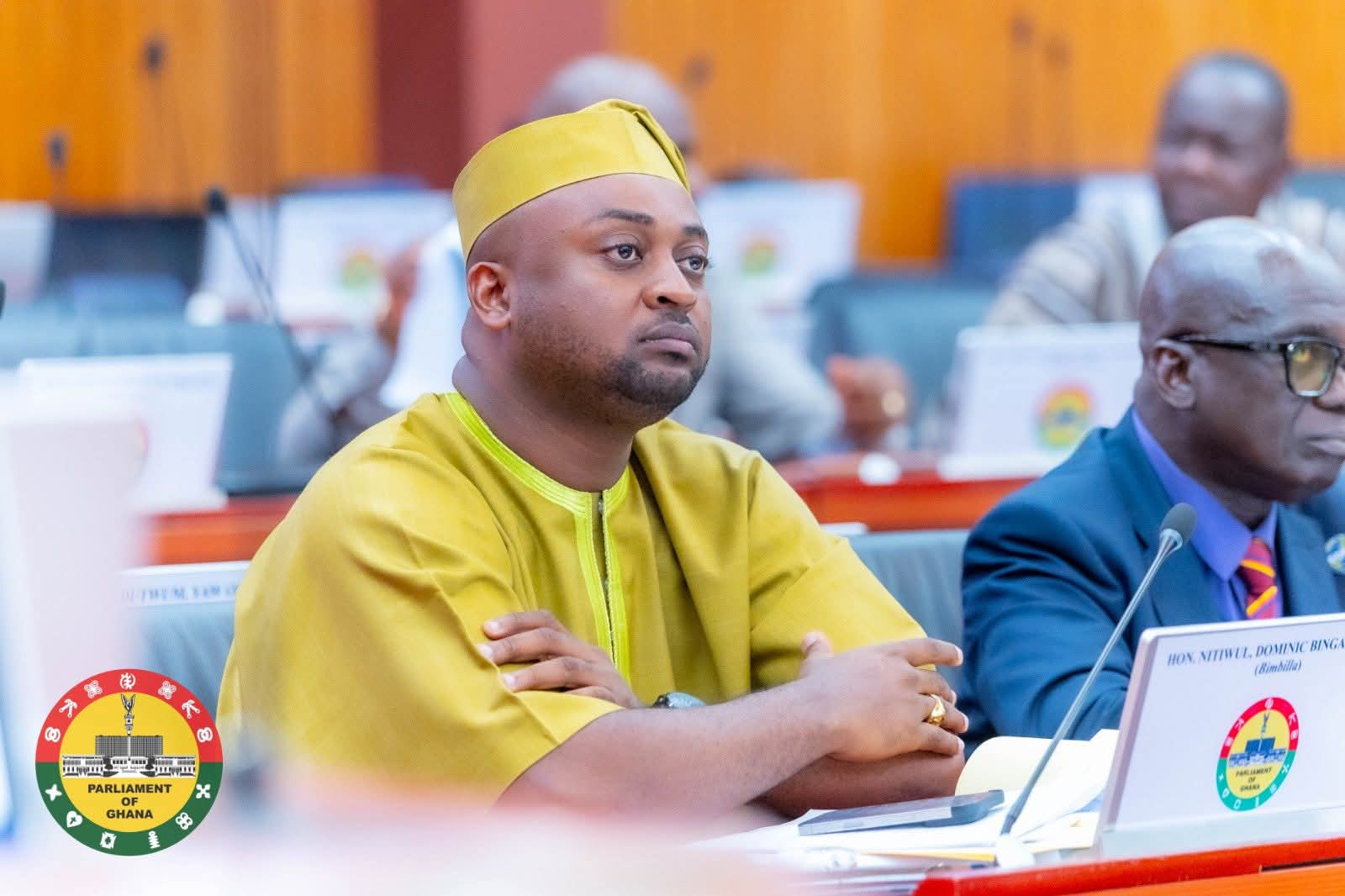
The Minority in Parliament is demanding answers from the Ghana Football Association (GFA) and the Ministry of Sports and Recreation over reports that Thomas Partey was denied entry into Canada for Ghana’s opening 2026 FIFA World Cup match against Panama.
Ranking Member of Parliament’s Youth, Sports and Culture Committee, Vincent Ekow Assafuah, said the issue goes beyond the player’s personal legal situation.
“This is not about determining Mr Partey’s guilt or innocence. He is entitled to the presumption of innocence,” he said.
“Our concern is whether the GFA and the Ministry carried out the necessary administrative and legal due diligence,” Assafuah stated.
He concluded by adding, “What did they know, when did they know it, and what steps did they take before including Partey in Ghana’s final World Cup arrangements?”
By Edem Mensah-Tsotorme

 News4 days ago
48 Engineer Regiment to be major sub-contractor on Accra-Kumasi Expressway, $2bn ready- Prez Mahama
- Entertainment7 days ago
Fiifi Coleman Productions adapt ‘I Told You So’ stage play into feature film
- News1 week ago
Ghanaian journalist celebrates Texas town’s ‘Eden of the Far West’ tag after mayor’s nod