News
GES dismisses KNUST SHS assistant headmaster

The corridors of KNUST Senior High School has been silent this week under the weight of a scandal that has left parents, teachers, and students reeling.
Mr Charles Akwasi Aidoo, the school’s Assistant Headmaster in Charge of Academics, has been dismissed by the Ghana Education Service (GES), following the emergence of a video that allegedly shows him in a compromised situation with a female student.
The footage has ignited a firestorm of anger, disbelief, and soul-searching about what went wrong, and how such a breach of trust could occur in one of the region’s most respected secondary schools.
In view of this, the Ghana Education Service (GES) wasted no time in dealing with him.
In a strongly worded statement issued on Monday, September 29, the GES announced that Mr Aidoo had been immediately relieved of his duties and barred from setting foot on the school premises while a comprehensive investigation unfolds.
“The Ghana Education Service views this matter with utmost seriousness,” the statement signed by the Regional Public Relations Officer, Daniel Fenyi, declared.
The GES statement acknowledged the need for vigilance and indicated that it was committed to upholding the highest standards of professionalism, discipline, and child protection in all schools while strongly condemning the acts.
According to reliable sources close to the investigative team, the video was recorded on Mr Aidoo’s mobile phone.
In a twist that reads like a cautionary tale for the digital age, the female student allegedly used the assistant headmaster’s device to capture the footage before transferring it to her’s.
How the video then made its way from that phone to the sprawling networks of WhatsApp groups, Twitter, Threads, and Facebook pages remains unclear but its impact has been devastating and swift.
The female student at the centre of the scandal has been removed from the school’s boarding facility.
In the wake of the scandal, the Headmaster, Anthony Duodu-Antwi Boasiako, has issued a message describing the incident as “deeply unfortunate” and called for the entire school community to reflect on the values that should define them.
Adding, he said “teachers must rebuild trust. Parents must be convinced that their children are in safe hands.”
His words, meant to encourage focus and discipline, have also drawn criticism from child protection experts who argue that the responsibility lies squarely with adults in positions of power, not with vulnerable teenagers navigating adolescence.
“We cannot place the burden of adult misconduct on children,” said Dr Akosua Mensah, a child psychologist who has worked extensively with schools across Ghana.
“Young people make mistakes, yes. But when an adult in authority exploits that vulnerability, we must be clear about where the fault lies,” she added.
From Kingsley Hope, Kumasi
Join our WhatsApp Channel now!
https://whatsapp.com/channel/0029VbBElzjInlqHhl1aTU27

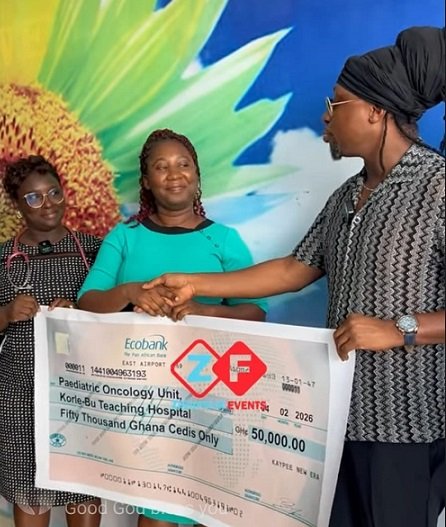
Ghanaian music icon, Akwasi Poku Addae, known in Showbiz circles as Kwaisey Pee has honoured his promise to children suffering from cancer.
Ahead of his 25th anniversary event held at the D’ Icon Event Centre at East Legon last year, he made a promise to donate some funds to children suffering from cancer.
True to his word, the musician has recently made a donation of GHC50,000 to the Paediatric Oncology Unit of the Korle-Bu Teaching Hospital.
He told the Ghanaian Times that children are so dear to him, and was optimistic the support would go a long way too impact lives.
The music dynamo also promised that the gesture will not be the last,” it will be a continuous feature from me.”
He also called on Ghanaians home and abroad to lend a helping hand to children suffering from cancer.
According to him, children with cancer have many needs, and a helping hands will go a long way ease the suffering.
“Cancer treatment is very expensive, and leaving that to parents of the children alone, will be a huge burden, with support from you and myself, we can make some changes in other people’s lives,” he concluded.
By Edem Mensah-Tsotorme
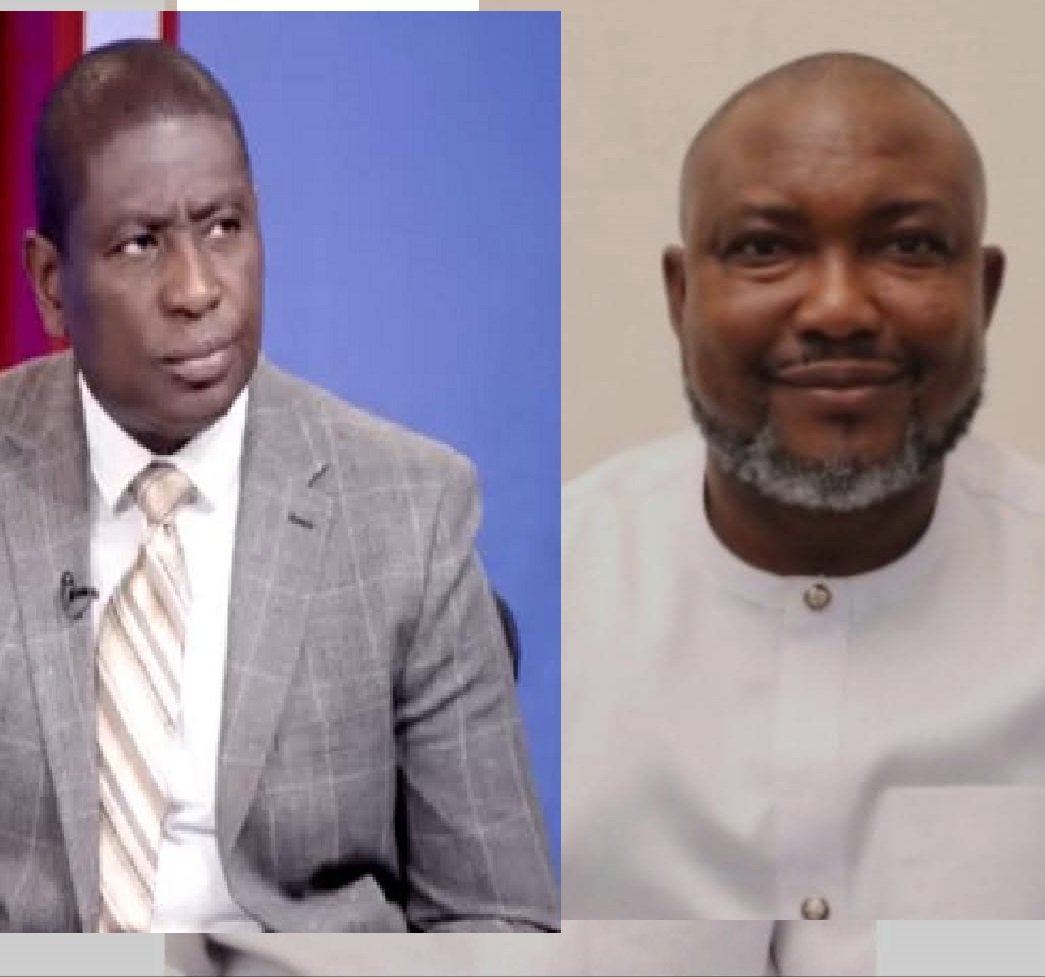
A disagreement has emerged between Member of Parliament for Berekum West, Dickson Kyere-Duah, and energy consultant Kwadwo Poku over government funding for Ghana’s participation in the 2026 FIFA World Cup.
The debate centred on government’s decision to budget about 13 million dollars to support the national team, even though FIFA is expected to provide an appearance fee of about 10.5 million dollars if Ghana qualifies for the tournament.
During the discussion on Joys news , Mr Poku questioned why the government should allocate such an amount when FIFA already provides funds to participating countries.
According to him, the appearance fee alone should help cover some of the country’s expenses.
He argued that if FIFA is giving Ghana 10.5 million dollars simply for qualifying for the tournament, it raises questions about the need for the government to appropriate additional funds.
Mr Kyere Duah, however, explained that the government’s allocation was part of advance planning captured in the national budget even before the final qualification results were known.
He noted that the budget for the tournament period was prepared in November 2025, when it was not certain that Ghana would qualify.
He stressed that budgeting does not automatically mean the entire amount will be spent.
According to him, the funds are meant to prepare the team from the start of the competition period until the end of the tournament.
Mr Kyere Duah explained that if the team exits the tournament early, the full amount allocated in the budget will not be used.
Mr Poku maintained that FIFA already provides financial support to teams for participating in the World Cup and insisted that the government must clearly justify additional spending.
The discussion extended to the role of the Ghana Football Association in managing the national teams.
Mr Poku described the association as a private institution and argued that FIFA also operates as a private body that does not allow government interference.
He explained that FIFA provides funds to teams to support their preparation and participation in the tournament.
Mr Kyere Duah, however, maintained that national teams represent the country and require government support to operate effectively.
By: Jacob Aggrey

 News1 week ago
Finance Minister outlines new gold policies to boost reserves and curb smuggling
- News1 week ago
Sam George launches the 2026 Meteorological Awareness Month; presents the 2026 seasonal forecast for southern Ghana
- Hot!1 week ago
Breaking: Footballer who killed two children in Abesim handed lifetime sentence