News
Frank Kwabena Owusu enstooled as Guantuahene of Abiriw Akuapem


- /home/u249204778/domains/spectator.com.gh/public_html/wp-content/plugins/mvp-social-buttons/mvp-social-buttons.php on line 27
https://spectator.com.gh/wp-content/uploads/2025/11/WhatsApp-Image-2025-11-13-at-14.48.33-1-700x600.jpeg&description=Frank Kwabena Owusu enstooled as Guantuahene of Abiriw Akuapem', 'pinterestShare', 'width=750,height=350'); return false;" title="Pin This Post">
- Share
- Tweet /home/u249204778/domains/spectator.com.gh/public_html/wp-content/plugins/mvp-social-buttons/mvp-social-buttons.php on line 72
https://spectator.com.gh/wp-content/uploads/2025/11/WhatsApp-Image-2025-11-13-at-14.48.33-1-700x600.jpeg&description=Frank Kwabena Owusu enstooled as Guantuahene of Abiriw Akuapem', 'pinterestShare', 'width=750,height=350'); return false;" title="Pin This Post">
In a grand traditional ceremony marked by rich cultural display and royal pageantry, Mr. Frank Kwabena Owusu, popularly known in media and entertainment circles as Franky5, was enstooled as the Guantuahene of Abiriw-Akuapem in the Eastern Region of Ghana.
The colorful event, which took place at the Abiriw Palace, drew hundreds of well-wishers, dignitaries, family members, friends, and residents of Abiriw who came to witness this historic moment.
The enstoolment ceremony was performed under the auspices of Nana Kwame Henaku II, the Omanhene of Abiriw Traditional Area, together with the elders and kingmakers of the Abiriw Traditional Council.
The installation of Franky5 as Nana Kwabena Owusu I, Guantuahene of Abiriw, is seen as a recognition of his outstanding dedication to the development of culture, media, and youth empowerment, as well as his unwavering commitment to promoting the Akuapem identity both locally and internationally.
A Life of Impact and Service
Before his enstoolment, Frank Kwabena Owusu had carved an enviable niche for himself as a respected media personality, cultural advocate, and creative entrepreneur.
Known affectionately as Franky5, he has used his platform on Max TV and other media networks to promote Ghanaian music, culture, and the creative arts.
His popular programmes have spotlighted both emerging and established Ghanaian talents, helping to shape national conversations around culture, morality, and youth development.
A proud son of Abiriw, Franky5 has also been instrumental in supporting cultural initiatives in the Akuapem area, especially in the organization of festivals, heritage events, and community projects aimed at empowering the youth and preserving traditional values.
His passion for uniting the people of Abiriw and his advocacy for responsible cultural representation made him a natural choice by Nana Kwame Henaku II and his elders for this revered position.
A Symbol of the New Generation of Traditional Leaders
Speaking after his installation, Nana Kwabena Owusu I expressed deep gratitude to the Omanhene, elders, and people of Abiriw for the confidence reposed in him.
He pledged to serve with humility, integrity, and dedication, working closely with the traditional council to promote unity, development, and cultural pride.
“This is not just an honour but a call to serve. I believe that the youth have a critical role to play in sustaining our traditions while embracing modernity. I will do my best to bridge that gap and bring progressive ideas that benefit Abiriw and the larger Akuapem State,” he stated.
Cultural Splendor and Community Support
The ceremony was characterised by rich traditional drumming, dancing, and displays of regal attire that reflected the beauty of Akuapem culture.
Representatives from various traditional areas, clergy, media colleagues, and the creative arts community were present to celebrate the new chief. Notably, Max TV, where Franky5 has been a prominent face, provided extensive coverage, while community elders and cultural groups showered him with blessings and goodwill messages.
With this enstoolment, Nana Kwabena Owusu I (Franky5) joins the council of elders of Abiriw, expected to contribute his expertise and youthful dynamism toward advancing the traditional area’s social and developmental agenda.
The occasion reaffirmed Abiriw’s commitment to nurturing leaders who embody both traditional wisdom and modern innovation — qualities that perfectly define the new Guantuahene.
The coronation and swearing in ceremony comes off on 22nd December 2025, and this forms part of the arrangement for the upcoming Abiriw Ohum (Eba) Festival scheduled for December, 21-28.







Mr Issahak Ibrahim, the Atwima Mponua District Chief Executive (DCE), has stressed the need to invest in initiatives that will encourage school children to read at all times.
He said a nation that invested in reading invested in its future, since a reading child was a potential future leader.
Speaking at the District Reading Festival for 32 schools in the district, at Nyinahin, he said reading strengthened literacy skills and inspired young leaders to unlock their full potentials while nurturing a lifelong love for learning, which leads to success.
Mr Ibrahim, therefore, enjoined teachers, parents, pupils and all stakeholders in the district to inspire every child to discover the limitless possibilities that begin with the act of reading in order to make it reflect the shared commitment to building a generation of confident readers, critical thinkers and lifelong learners in the society.
He pledged his commitment to support and empower more children and help them to achieve higher educational laurels in the area, while championing the cause of reading among children to achieve the related benefits.
“I remain committed to supporting educational initiatives that would empower our children with the knowledge and skills they needed to succeed in an ever-changing world,” he stated.
The festival was organised by the District Directorate of Education in conjunction with the ISMAT Foundation, a local educational non-governmental organisation (NGO) founded by the DCE, to support needy learners in the district and beyond.
The festival was under the theme: “Turn a page to begin a journey.”
The festival was aimed at encouraging and motivating the interest of pupils in reading and general learning.
All the 32 participating pupils from four zones within the district received school bags, exercise books, pens, pencils, erasers, mathematical sets and certificates.
Lawal Kwame from the Botrampa D/A Basic and Sadique Bamba from the Mpasatia African Faith Preparatory schools in the Nyinahin Zone, emerged first in the KG One and two classes, whilst Alice Fosu, Beatrice Sarfowaa and Priscilla Agyemang from the Adiembra Anglican Basic School also in the Nyinahin Zone, came first from Basic One to Basic Three classes respectively.
Ernest Duah from the Mampong Abebrese D/A and Blessing Sika from the Sreso Presby School in the Sreso Zone as well as Eric Osei Agyemang from Adiembra Anglican Basic School came first in the Upper Primary department.
Ms Ama Adwubi Asafu-Adjaye, the District Director of Education, commended the DCE for the programme, which was the first of its kind after the year 2022 one, which was supported by the USAID.
She said a Basic One boy called Obed Awuku from Mampong Abebrese D/A Basic School climbed from the district through a Regional contest, won and placed second at the national level in the year 2022 as one Salam Mohammed of the Otaakrom D/A Islamic Basic School, who also emerged as the 2024 winner in the district also placed fifth among the 16 regional participants even though they had a very short notice for preparation.
She said other achievements encouraged her and her management to make the programme an annual event in June and July as part of the activities on their academic calendar and a source of pride for the district.
She, therefore, encouraged the teachers to work harder to produce talented kids for higher achievements from the area. -GNA
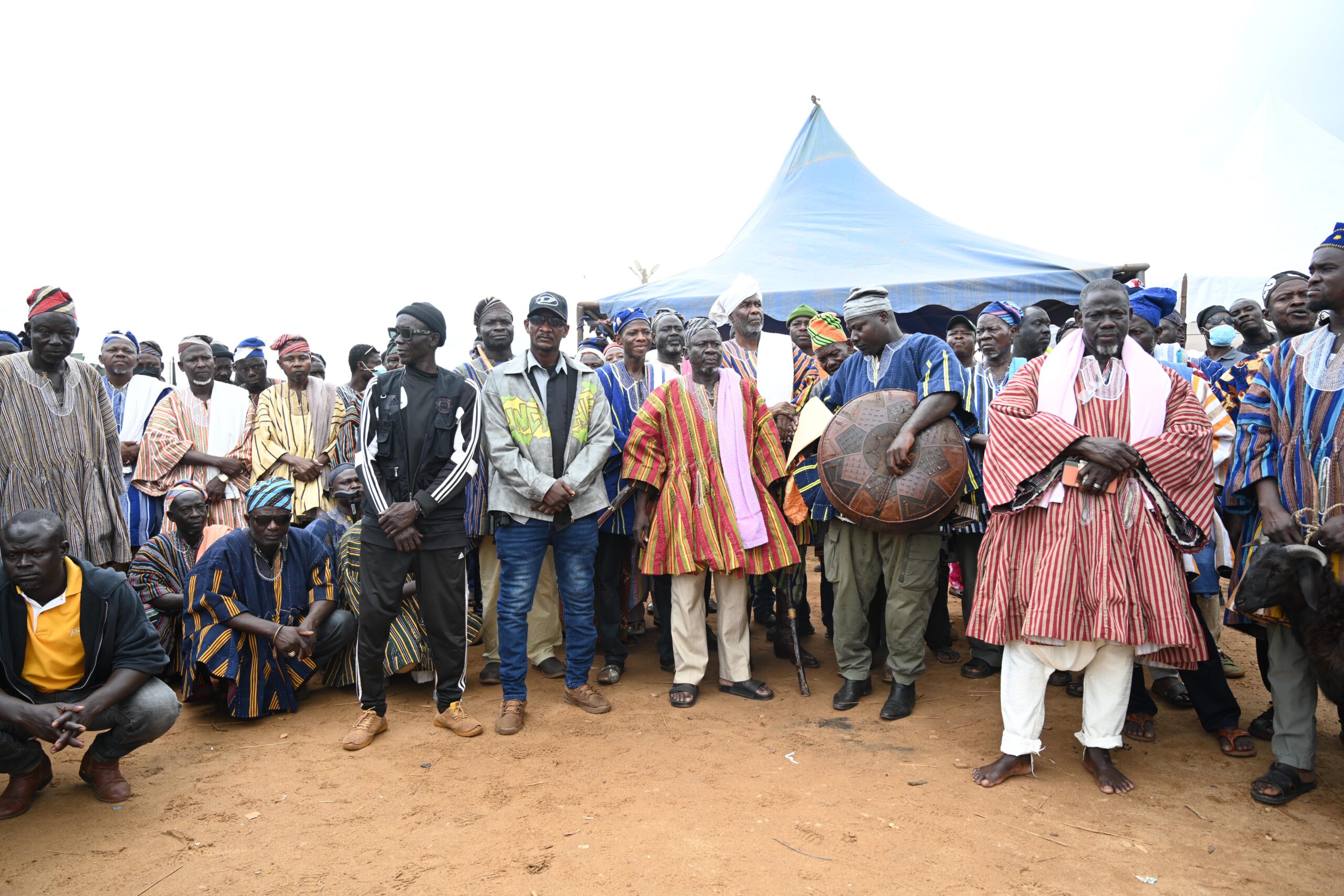
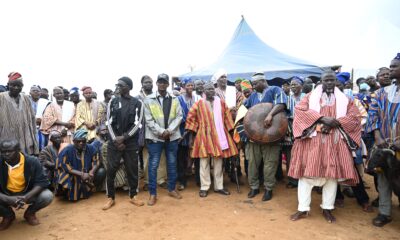
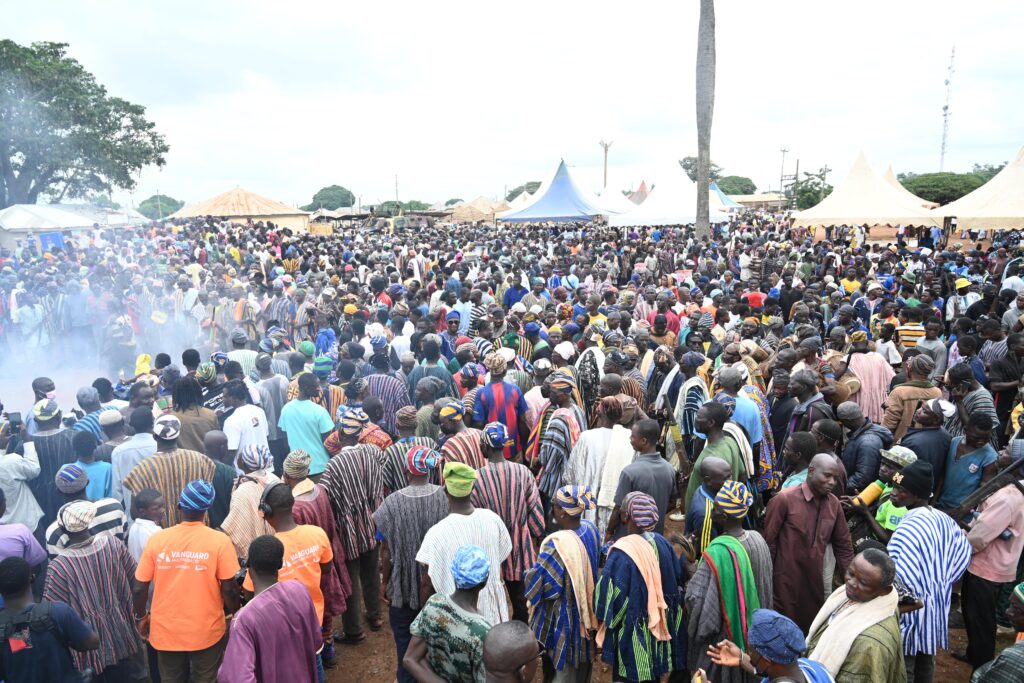
The forecourt of the Gbewaa Palace, was a mixture of rich tradition and emotional scenes as thousands of mourners concluded the three-day adua for the late Overlord of Dagbon, Ndan Yaa Naa Abukari II.
For the period, the Gbewaa Palace became the spiritual and cultural heartbeat of the Dagbon Kingdom as Islamic clerics, traditional rulers, politicians, security personnel and ordinary citizens united in prayer for the repose of the soul of the revered monarch.
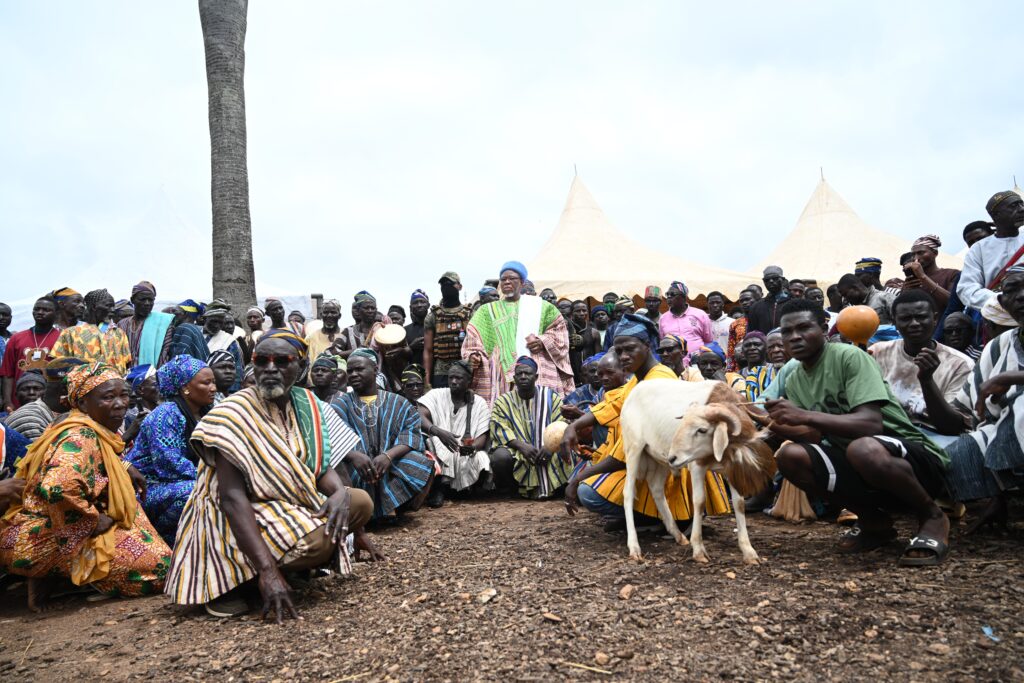
From dawn each day, streams of mourners, mostly dressed in traditional smocks and black attire, steadily filled the palace grounds and adjoining streets, transforming the royal seat into a sea of mourners.
Men, women, youth and children sat under canopies and open spaces while verses from the Holy Qur’an echoed across the palace, creating an atmosphere of reverence and reflection.
The air occasionally reverberated with ceremonial gunshots and traditional warrior displays, symbolising honour, bravery and the rich cultural heritage of the Dagbon Kingdom.
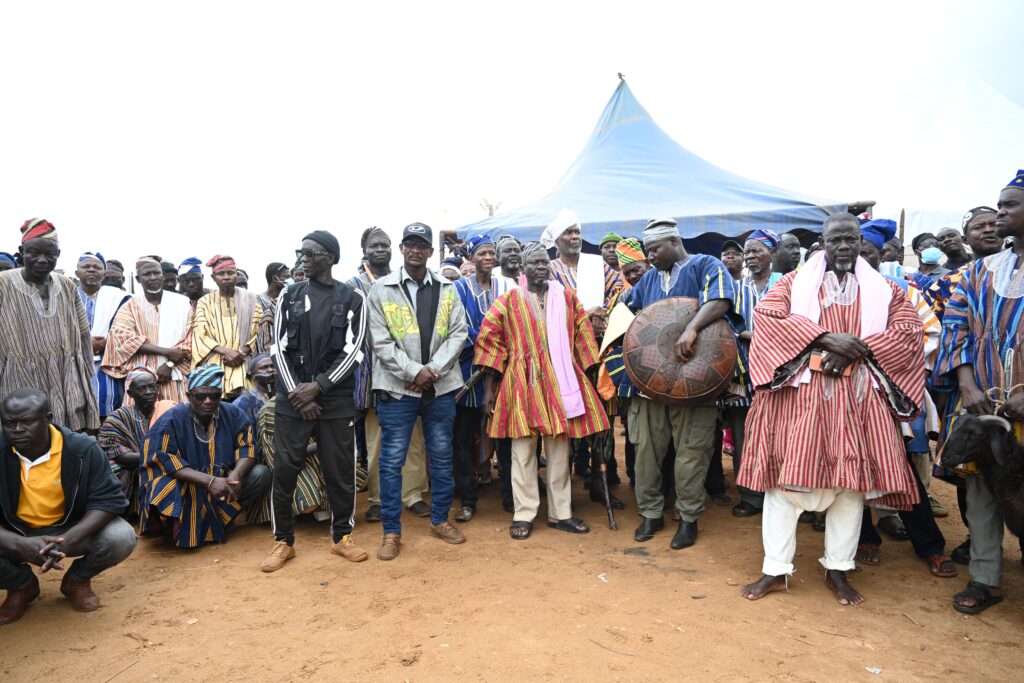
The adua, observed in accordance with Islamic tradition following the burial of the Yaa Naa, was attended by eminent Imams and Mallams who offered continuous prayers, seeking Allah’s mercy and eternal peace for the departed King.
Throughout the three-day observance, a steady flow of dignitaries visited the Gbewaa Palace to pay their respects and sign the book of condolence.
Among them were the Northern Regional Minister, Ali Adolf John Mburidiba; the Savannah Regional Minister, Salisu Be-Awuribe Issifu; and the National Chairman of the National Democratic Congress (NDC), Johnson Asiedu Nketia, who joined members of the royal family, traditional rulers and mourners in honouring the late Yaa Naa.

Security remained tight throughout the mourning period, with the Ghana Police Service deploying 450 personnel to ensure law and order.
The officers were stationed at strategic locations, including the Gbewaa Palace, major entry points into Yendi and other key installations, where they managed traffic, maintained public order and provided security for thousands of mourners and visiting dignitaries.
Beyond the official ceremonies, the event reflected the deep respect the people of Dagbon and Ghanaians at large had for the late monarch.
The conclusion of the three-day adua marks another important milestone in the funeral rites of the late Yaa Naa and signals the gradual transition towards the customary processes leading to the selection and enskinment of a new Overlord of the Dagbon Kingdom.
Although the formal three-day prayers have ended, mourning activities continue, with the seventh-day Islamic prayers expected to draw another large gathering of traditional authorities, government officials, religious leaders and well-wishers from across the country.
From: Geoffrey Buta, Yendi