News
Deputy Agric Minister lauds non-state actors for partnering government’s transformations agenda drive

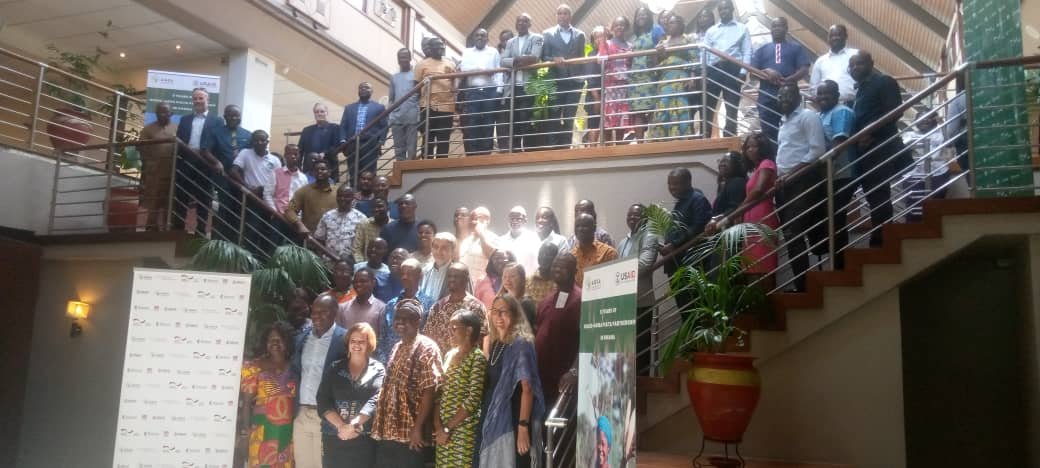
The Deputy Minister of Food and Agriculture in charge of crops, Mr Yaw Frimpong Addo has lauded efforts by non-state actors to partner government to succeed in its Transformational Agricultural Agenda Drive.
He said partnerships by NGOs such as AGRA focused on agriculture have helped initiated several measures including the Planting for Food and Jobs (PFJ), One Village One Dam, and Rearing for Food and Jobs programmes, to address the challenges confronting the sector.
“It is significant to say that the food crops model under the PFJ chalked a lot of success starting with 200,000 beneficiaries who accessed fertilizers and improved seeds in 2017 and the numbers increasing to 1.7 million in 2021,” he said.
The Deputy Minister was speaking at the United States Agency for International Development (USAID) – AGRA Partnership for Inclusive Agricultural Transformation in Africa (PIATA) learning event.
Held in Accra on Tuesday, the event highlighted key insights and learning from the implementation of the USAID-AGRA PIATA program as well as provided shared outcome stories, best practices and feedback to improve future interventions.
PIATA was launched in 2017 as a strategy for transforming agricultural systems through integrated delivery across economic zones and value chains.
The programme sought to transition Africa’s agriculture from subsistence to sustainable business occupations by enhancing in-country coordination and deepening engagements and collaboration with the private sector
Though Mr Addo said the government’s attempt to make agriculture the driver of Ghana’s economy, the activity was being hampered by low farm productivity, lack of access to quality agro-input and the low adoption of agronomic practices due to limited access to extension services, among others.
Juliette Lampoh, Country Director, AGRA explained that the efficiency of the seed sector of any country greatly impacted its agricultural production sector adding that AGRA was particularly interested in the adoption of quality s fertilizer.
Madam Asseta Diallo, Senior Programmes Officer (AGRA) Ghana said the organisation had over the last five years focused on increasing farmers’ access to and the adoption of quality seeds and fertilizers and for her, the country’s dependence on organic fertilisers for soil nutrients may not help achieve food security.
She explained that Ghana had a poor fertility status where about 65 per cent of agricultural land was depleted or severely degraded due to human activities such as mining.
That situation, she pointed out, demanded the combination of organic and inorganic fertilizer in the agricultural production chain to ensure that the country produces enough to meet the food needs of its citizens.
BY BENEDICTA GYIMAAH FOLLEY

The Ghana Health Service (GHS) will undertake a nationwide Human Papillomavirus (HPV) vaccination exercise in schools from October to December 2026 to protect eligible girls against cervical cancer and other HPV related diseases.
The exercise, organised in collaboration with the Ghana Education Service (GES) and its partners through the School Health Education Programme (SHEP), will be conducted in two rounds.
The first round is scheduled for October 19 to 23, 2026, while the second will take place from November 30 to December 4, 2026.
In a press release dated October 19, the GHS explained that health workers would visit schools across the country to vaccinate eligible girls aged 9 to 14 who have not yet received the HPV vaccine.
The exercise forms part of efforts to raise awareness about the routine HPV vaccine, increase vaccination uptake and strengthen the country’s routine immunisation programme.
The GHS has called on school authorities, parents, guardians, teachers and community leaders to cooperate with health teams to ensure the successful implementation of the exercise.
The Service reaffirmed its commitment to protecting the health and well-being of Ghanaians, particularly children, through vaccination and other public health interventions.
By: Jacob Aggrey
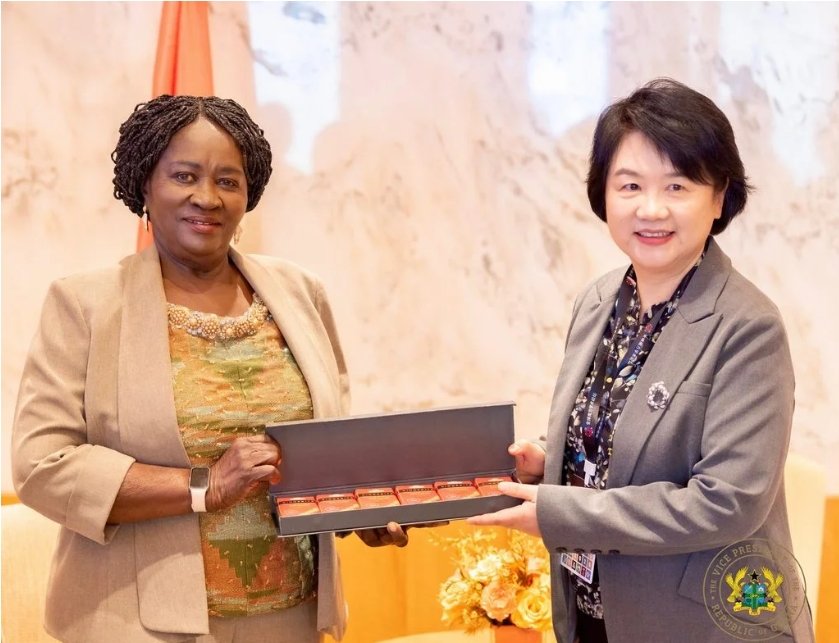
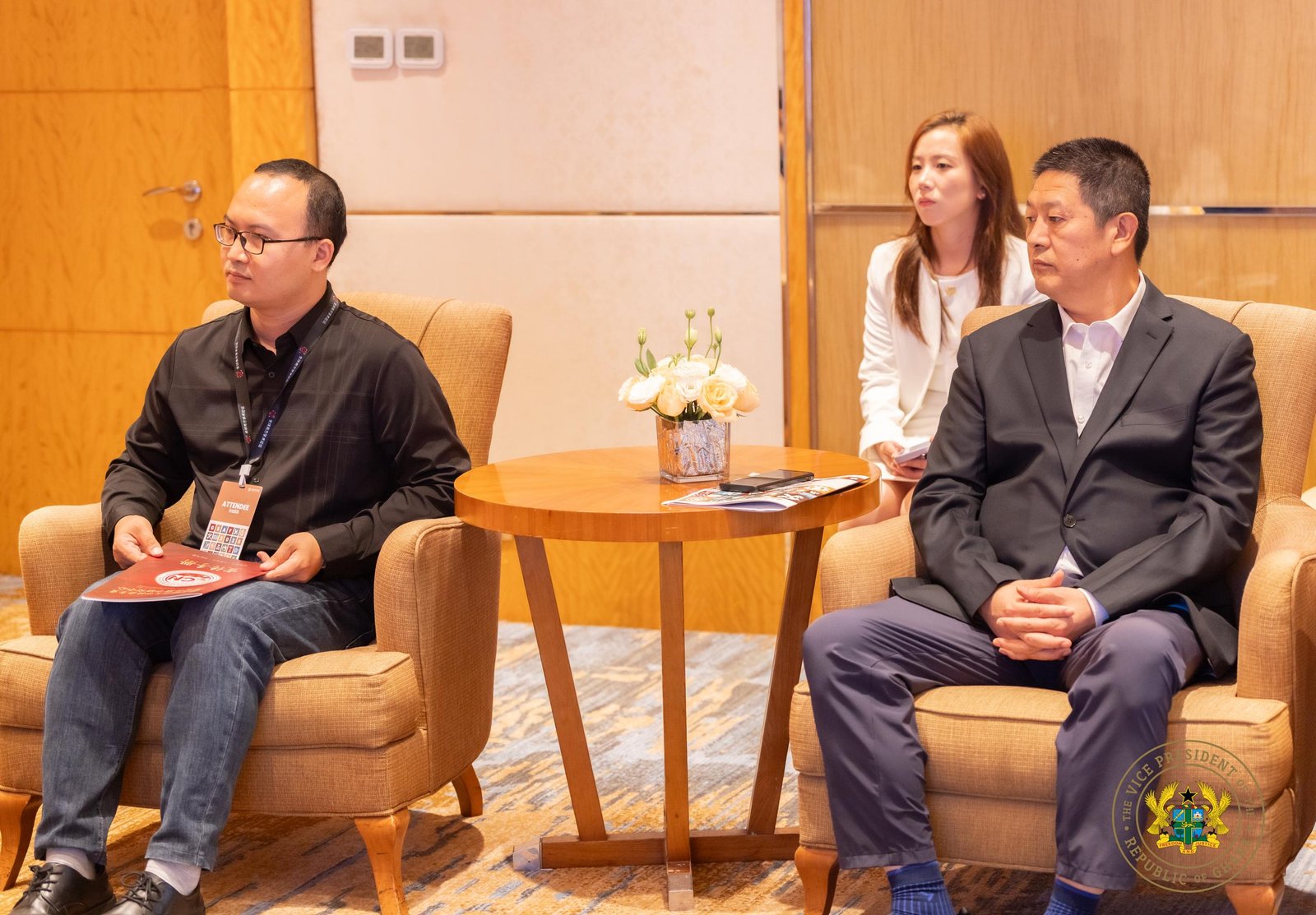
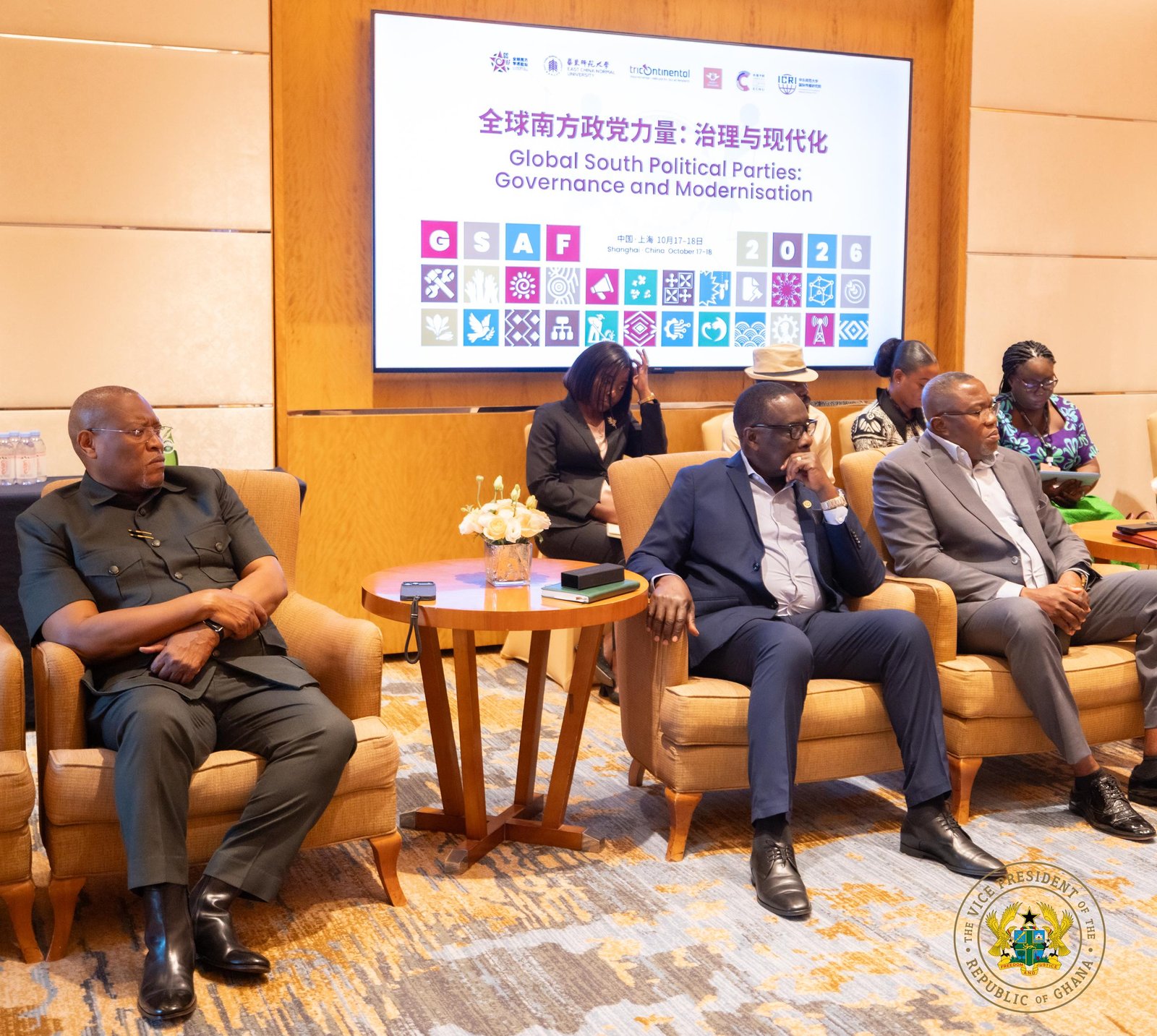
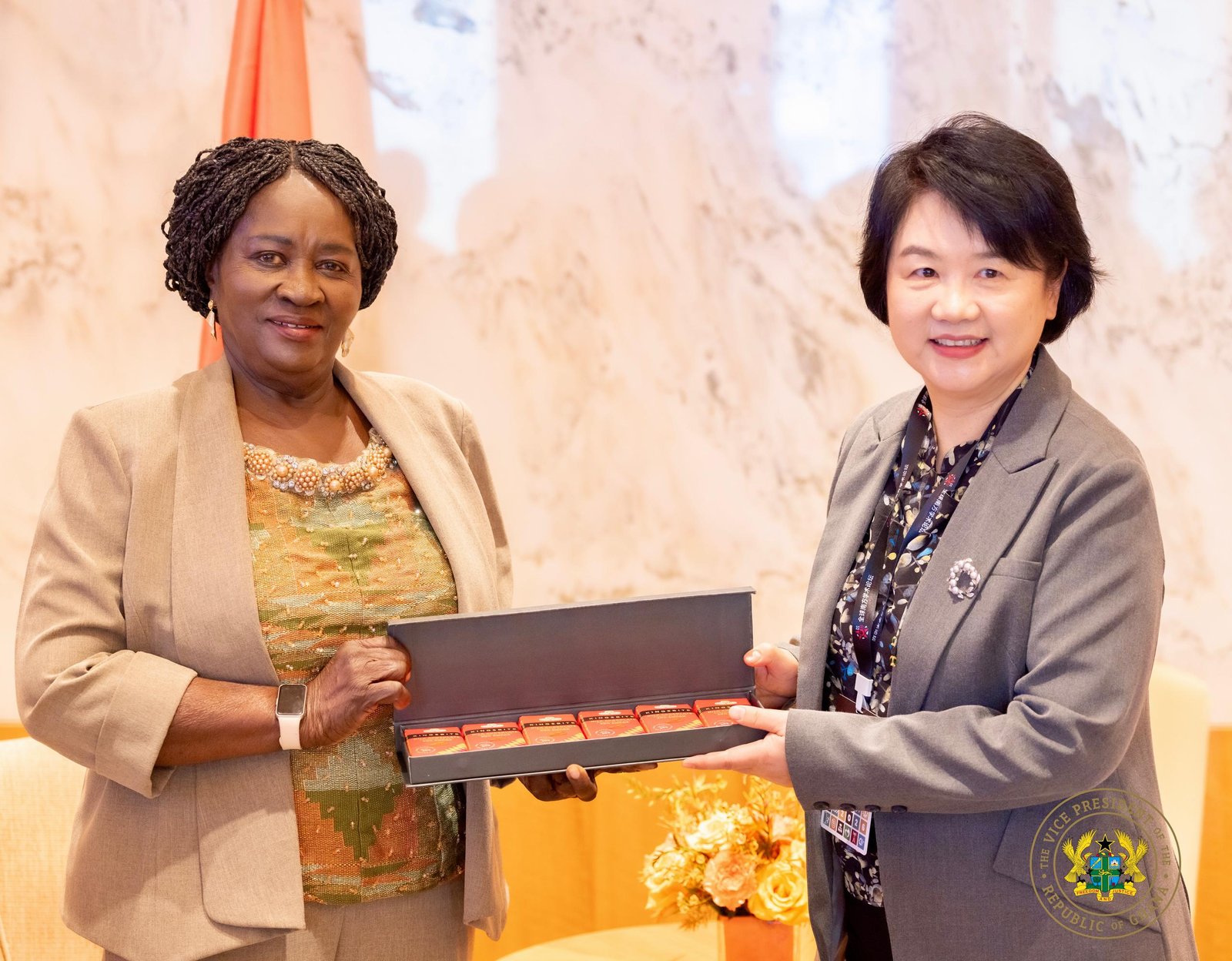
Vice President Professor Jane Naana Opoku-Agyemang has held high-level discussions with organisers of the 2026 Global South Academic Forum in Shanghai, seeking to draw lessons from China’s acclaimed rural revitalisation and poverty reduction drive.
The meeting, led by the Forum Chair, Professor Lu Xinyu, explored practical areas of cooperation and knowledge exchange between Ghana and China, with focus on community-driven development, fisheries and aquaculture, local governance, sports initiatives, and infrastructure development.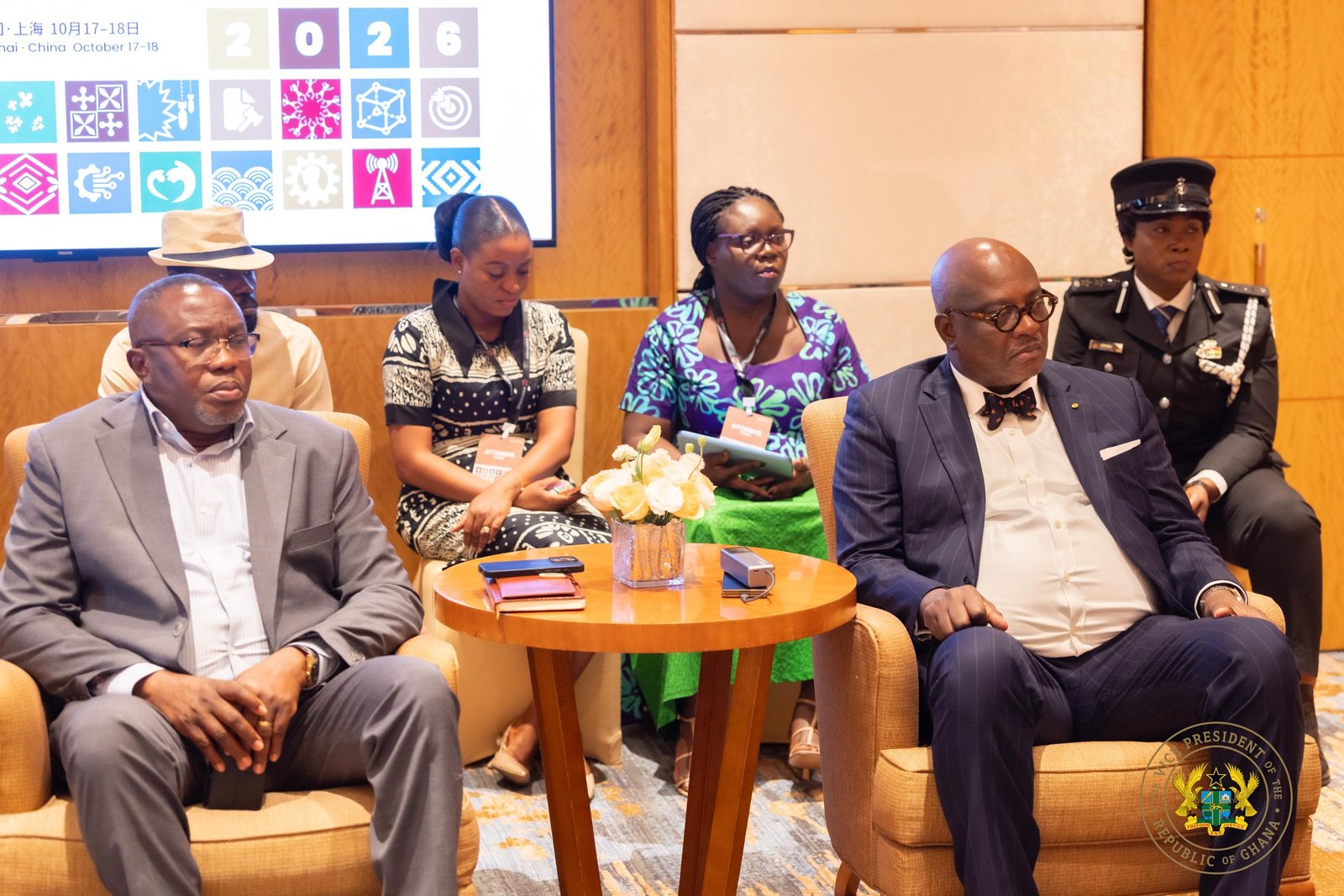
According to officials, the engagement is part of a broader effort by the Ghanaian government to study tested development models that can be adapted to the local context to promote inclusive growth, empower local communities, and improve livelihoods across the country.
China’s success in lifting over 800 million people out of poverty through targeted rural policies, investment in agriculture and local infrastructure has become a global reference point for developing nations.
The Vice President’s team says insights from the Forum will help inform policy direction, particularly in strengthening decentralised governance, boosting the fisheries and aquaculture sector, and investing in community-level infrastructure and youth sports development.
Professor Opoku-Agyemang is expected to continue engagements with academic and development institutions while in China.
By Edem Mensah-Tsotorme