Gender
COVID-19 and matters arising


The corona virus pandemic has really wreaked havoc in the world, causing many deaths and making others sick and putting a huge burden on healthcare systems.
Luckily, a number of vaccines have been developed and are being administered to people in various countries to help control this deadly disease which has now become an albatross around our necks in the world.
Keeping safe
Everybody is doing their best to keep safe. People are managing with the “new normal” regarding the safety protocols such as social distancing, not hugging or shaking hands, wearing of masks, regularly washing of hands or using hand sanitisers, etc.
The need to adhere strictly to the safety protocols has become even more necessary because of the different variants of the virus and how they are spreading quickly. According to health experts, a number of different variants of the corona virus are now circulating around the world.
There are many reports where people have accidentally become infected after all their diligence with the safety protocols. You never know, actually.
Boosting one’s immunity
Health and nutrition experts have been advising on the need to boost one’s immune system with healthy foods rich in vitamins, exercises or physical activities to keep the body strong and help to fight sickness.
A good immune system, it is said, helps to fight the virus and prevents it from doing damage to our health. We are advised to eat leafy greens such as spinach, and other foodstuffs such as fruits and vegetables that are rich in vitamins, zinc, and other immune boosting nutrients.
Our own kontomire and other greens used for soups and stews are very healthy. These days because I cannot get kontomire here (Finland). I use spinach to prepare green kontomire-like soup. I enjoy the more of this and other foodstuffs, such as plantains (I usually mash the plantain into an oto with smoked dried fish to give it an aromatic touch, accompanied with slices of avocado pear, which I eat straight from the apotoyewa).
A friend here recently told me that in their home they had made it a point to eat salad (with other vegetables) every Saturday morning. No room for complacency oo.
Why I will get vaccinated
Luckily, a number of vaccines are being administered to people in many countries to help control this deadly epidemic which has now become an albatross around our necks in the world.
I cannot wait to receive my vaccination. Some friends elsewhere have taken the first and second shots and are doing okay. They are so elated to have had that opportunity.
Ghana has taken delivery of its initial vaccines recently and has started administering. That’s good.
According to key health institutions and experts, vaccines are an important part of stopping the spread of COVID-19 as they reduce the severity of the symptoms in case one becomes infected.
This is one important reason I will not delay at all to take the vaccine. I will take it sharp, sharp. Again, who knows what happens should hoarding set in or if demand for the vaccines exceeds supply at a point in time? That means it will then become difficult to get vaccinated. A word to the wise…
The conspiracy theories
It is sad that there seems to be vaccine hesitancy in Ghana because of conspiracy theories, cynicism, ignorance, and worse of all, sheer mischief by some people. All this has resulted in casting doubts about the efficacy of the vaccines brought to Ghana and other African countries.
Some people think the vaccines for African countries are different from the ones for the Western nations; therefore, the ones brought to Africa could be dangerous and meant to depopulate the Black race. Some have even claimed without any proof that the vaccines would leave people with sexual dysfunction.
Such conspiracy theories remind me about HIV/AIDS. Conspiracy theories were rife about the disease in Africa with some people claiming that HIV/AIDS had been created in laboratories in the West to kill Blacks, that it affects only urban dwellers, etc.
In the end, HIV/AIDS saw many infections and deaths in Ghana and other African countries. Sub-Saharan Africa actually remains the most affected region in the global HIV epidemic and bears more than two-thirds of the global HIV burden, according to the UNAIDS.
Increasing the education
There is the need to intensify education about the vaccines to help control COVID-19. The key stakeholders—government/state institutions, health authorities, religious leaders, traditional authorities, non-governmental organisations in Ghana should all come in even more strongly than before to educate people in our localities. The media should be one of the leading groups in this endeavour.
Finally, let’s all follow the safety measures, especially the wearing of masks. Let the authorities constantly drum it home to us to help control the virus. Thank you!
The writer is a Ghanaian lecturer at University of Helsinki, Finland


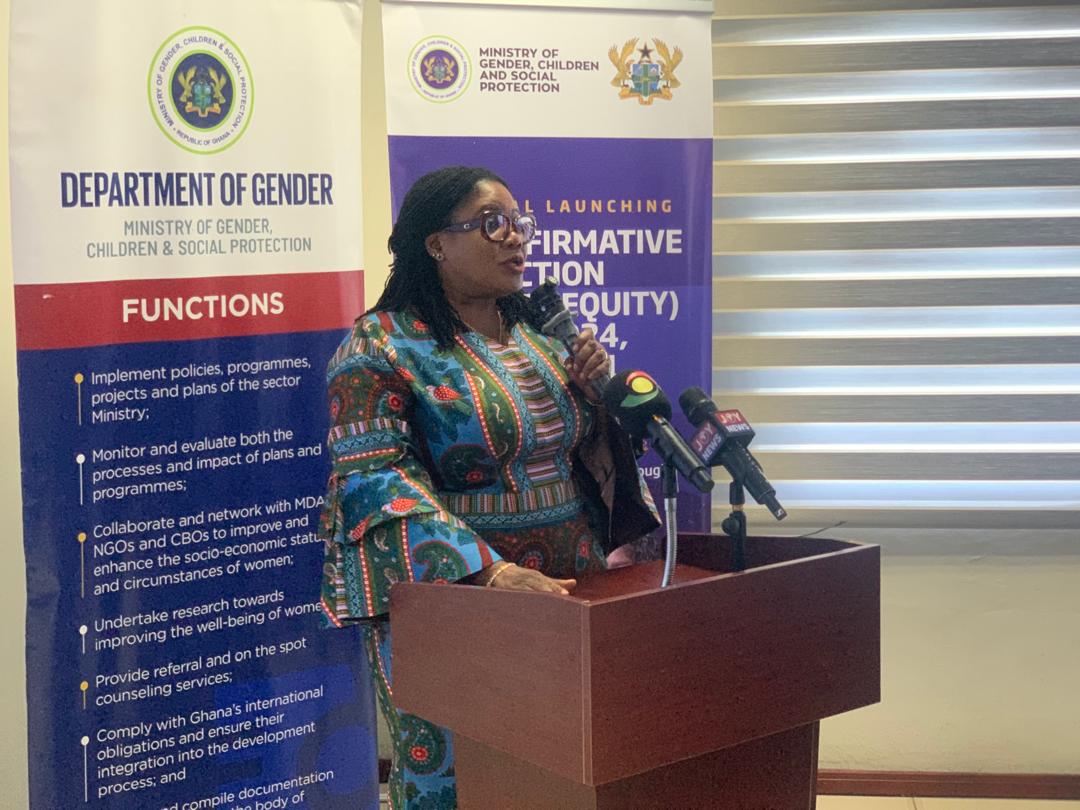
Gender equality should not be left to women alone, but requires the active participation of men and other stakeholders, the Minister for Gender, Children and Social Protection, Dr Agnes Naa Momo Lartey, has said.
She said gender equality was a national development issue and not a matter concerning only women, stressing that both men and women had important roles to play in creating an inclusive society.
Dr Lartey said this last Thursday in Accra at a capacity workshop on the implementation of the Affirmative Action (Gender Equity) Act, 2024.
The workshop was aimed at helping journalists understand the provisions of the Act, strengthen their capacity to communicate gender equity issues and promote accurate, balance reporting on the implementation of the Act.
Ghana could not achieve meaningful development if one section of society was excluded from participating fully in leadership, decision-making and other areas of national development.
“It is not about a group of people. It is not about one of the sexes. It is about the nation. It is about the country,” she said.
She called for stronger commitment to translating the Affirmative Action (Gender Equity) Act, 2024 (Act 1121), into practical action to improve women’s participation in leadership and decision-making.
She said the passage of the law should not be considered the end of the process, but rather the beginning of deliberate efforts to ensure that its objectives were achieved.
Dr Lartey said increasing the number of women in leadership was important, but their participation must also have a meaningful impact on national development.
“We want it to count,” she stressed, calling for practical initiatives that would move the affirmative action agenda from policy to implementation.
The Executive Director of Women, Media and Change (WOMEC), Dr Charity Binka, also urged the media to play a critical role in ensuring the effective implementation of the Act.
She said Ghana had taken an important step by passing the law after 13 years of efforts, but the real test was its implementation.
According to Dr Binka, the Act requires 30 per cent representation of women in leadership and decision-making by 2026, rising to 50 per cent by 2030.
She urged the media to inform the public about the law, monitor institutions’ compliance and challenge stereotypes that undermine women’s leadership.
Dr Binka urged journalists to ensure institutions were complying with requirements, including Gender Equity Policies, Compliance Certificates and annual reports.
She said affirmative action was not about replacing merit with gender, but addressing structural barriers that had historically limited qualified women’s opportunities to participate and lead.
She called for stronger collaboration among government, civil society, traditional and religious leaders, the private sector, the media and other stakeholders to turn the law into measurable results for women and girls.
By Esinam Jemima Kuatsinu
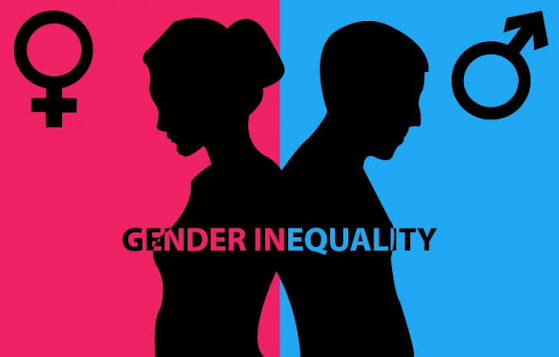
The United Nations has warned, that Gender equality is “woefully off track.”
At the current rate of progress, gender equality would take 171 years to achieve, the UN’s Gender Snapshot report said.
The number of countries with a woman as head of state or government has increased from 2020 to 2026. “Yet six in seven countries are still led by men.
Women’s representation in national cabinets declined to 22.4 per cent in 2026, after peaking at 23.3 per cent in 2024,” the report said. “The decline is a warning sign that gains cannot be taken for granted, and that progress towards equal political power remains fragile.”
Funding for gender equality has fallen to its lowest level since 2021, the report found. At the same time, 42 per cent of UN agencies reported that their efforts to promote gender equality had been weakened, as a result of budget cuts.
Millions of women also continued to endure some extremely severe forms of violence and discrimination across the globe, the UN said. Nearly one in five girls is married before the age of 18, and nearly one in three women globally have survived partner or sexual violence in their lifetime.
In the past year, 316 million women experienced physical or sexual violence by an intimate partner, the report said.
UN Under-Secretary-General for Economic and Social Affairs, Li Junhua, said the statistics were not inevitable. “It is the result of choices, made visible through data. Investing in gender equality, institutions, and the statistical systems that hold them to account is not a cost. It is the fastest route back to the 2030 Agenda’s promise of equal power for all.”-GNA
SKIP THE QUEUE, TAP THE NEWS
You can now read the Ghanaian Times and The Spectator newspapers from the comfort of your device via TimesNewsPlus.
Join our WhatsApp Channel: https://whatsapp.com/channel/0029VbBElzjInlqHhl1aTU27