News
Council of State member brokers peace among paramount chiefs of the Western Regional House of chiefs


Some floods in the area
Member of the Council of State for the Western Region, Nana Akwanzi Abraba IV, has helped restore peace among the paramount chiefs in the region.
This act, brings an end to an almost three year leadership dispute among the members of the Western Regional House of Chiefs following their October 2020 elections.
Privately known as Mrs Eunice Jacqueline Buah Asomah-Hinneh, she said it was an honour done her by the chiefs to respond to her call to find an amicable resolution to the dispute.
She bemoaned the spate of chieftaincy disputes in the region and how it had robbed the Regional House of Chiefs of its members saying “the house is supposed to have 16 members but currently has 10 active paramountcies.” She hoped the house would work to bring on board the remaining six paramount chiefs “in the shortest possible time” to increase the number and efforts of the house.
She said for the chiefs to allow her lead them to unite was a sign that they want development for the region. Nana Akwanzi Abraba IV urged the chiefs and all stakeholders to work together to resolve all pending chieftaincy disputes in the region both at the divisional and paramountcy levels.
She pledged to help the region to dispute-free and promised to continue to use her resources to promote the cause of the house. “I would attend to the call of Nananom at all times to ensure that there is ongoing support for the discussions and implementation of the developmental policies of the House,” she stated.
She called on stakeholders to help resolve age long disputes in Apatem, Shama, Sekondi, Wassa Fiase, Upper Axim and Ahanta. Nananom registered their appreciation for the important role played by Nana Akwanzi Abraba IV to bring peace and direction to the leadership challenge of the Western Region House Chiefs
By Jemima Esinam Kuatsinu



The Ghana Health Service (GHS) will undertake a nationwide Human Papillomavirus (HPV) vaccination exercise in schools from October to December 2026 to protect eligible girls against cervical cancer and other HPV related diseases.
The exercise, organised in collaboration with the Ghana Education Service (GES) and its partners through the School Health Education Programme (SHEP), will be conducted in two rounds.
The first round is scheduled for October 19 to 23, 2026, while the second will take place from November 30 to December 4, 2026.
In a press release dated October 19, the GHS explained that health workers would visit schools across the country to vaccinate eligible girls aged 9 to 14 who have not yet received the HPV vaccine.
The exercise forms part of efforts to raise awareness about the routine HPV vaccine, increase vaccination uptake and strengthen the country’s routine immunisation programme.
The GHS has called on school authorities, parents, guardians, teachers and community leaders to cooperate with health teams to ensure the successful implementation of the exercise.
The Service reaffirmed its commitment to protecting the health and well-being of Ghanaians, particularly children, through vaccination and other public health interventions.
By: Jacob Aggrey
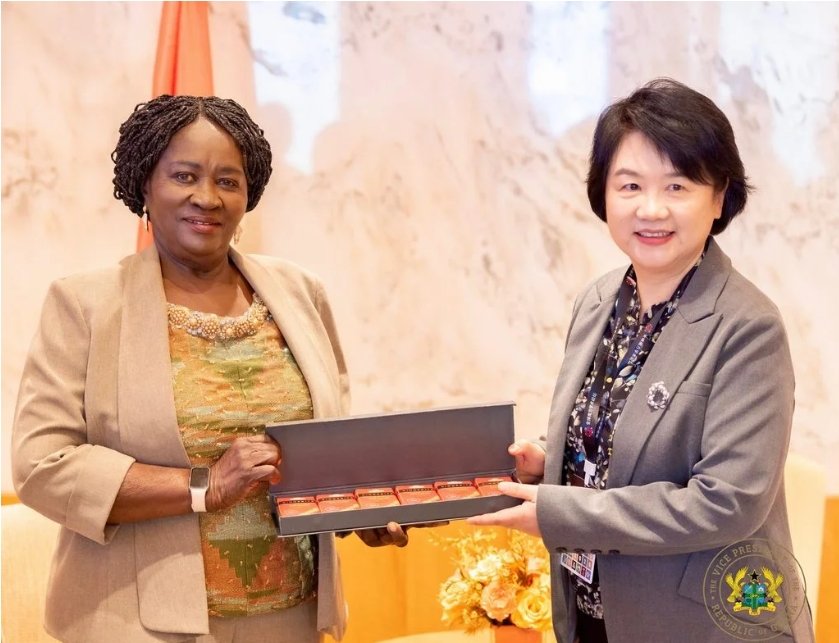
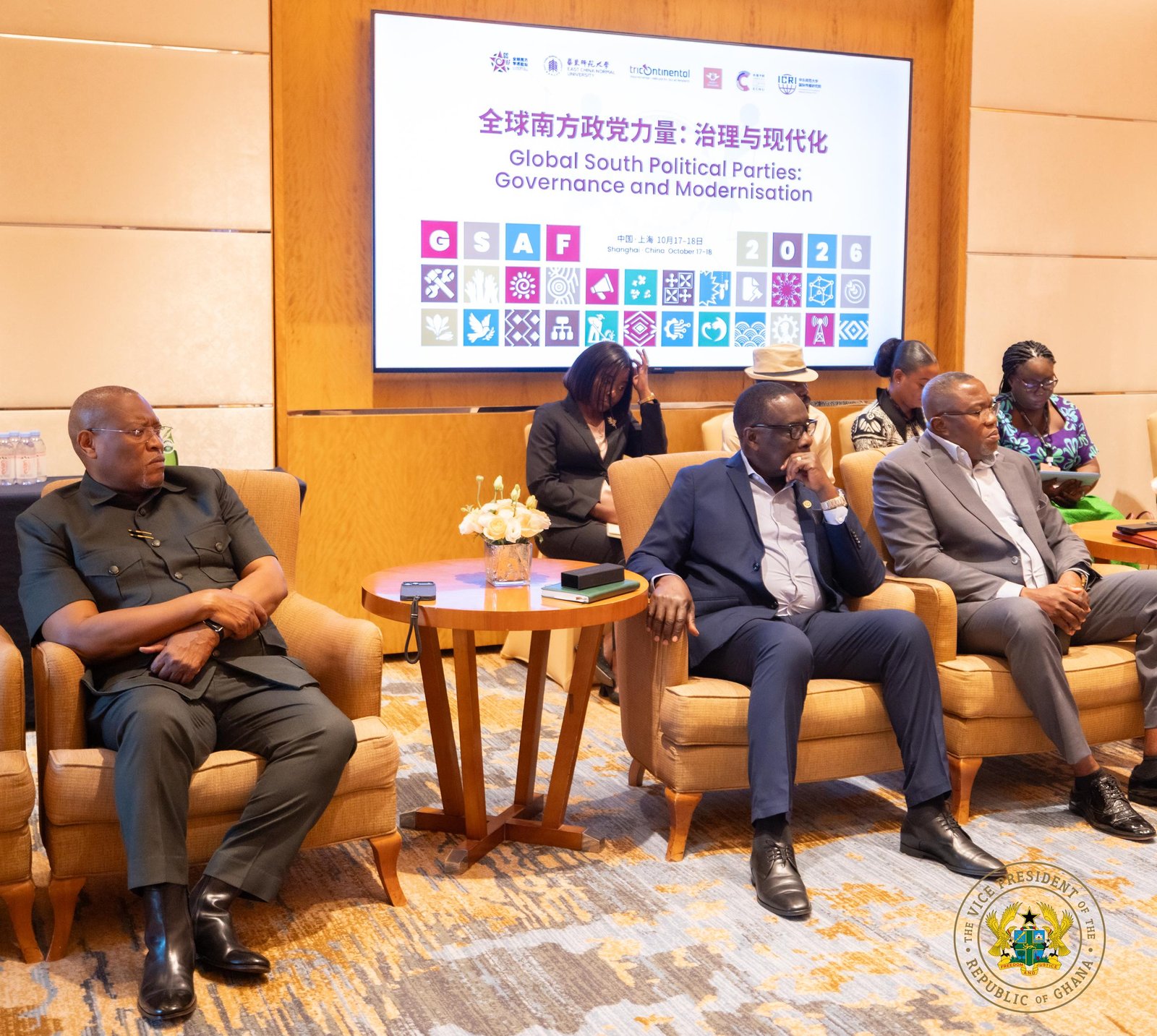
Vice President Professor Jane Naana Opoku-Agyemang has held high-level discussions with organisers of the 2026 Global South Academic Forum in Shanghai, seeking to draw lessons from China’s acclaimed rural revitalisation and poverty reduction drive.
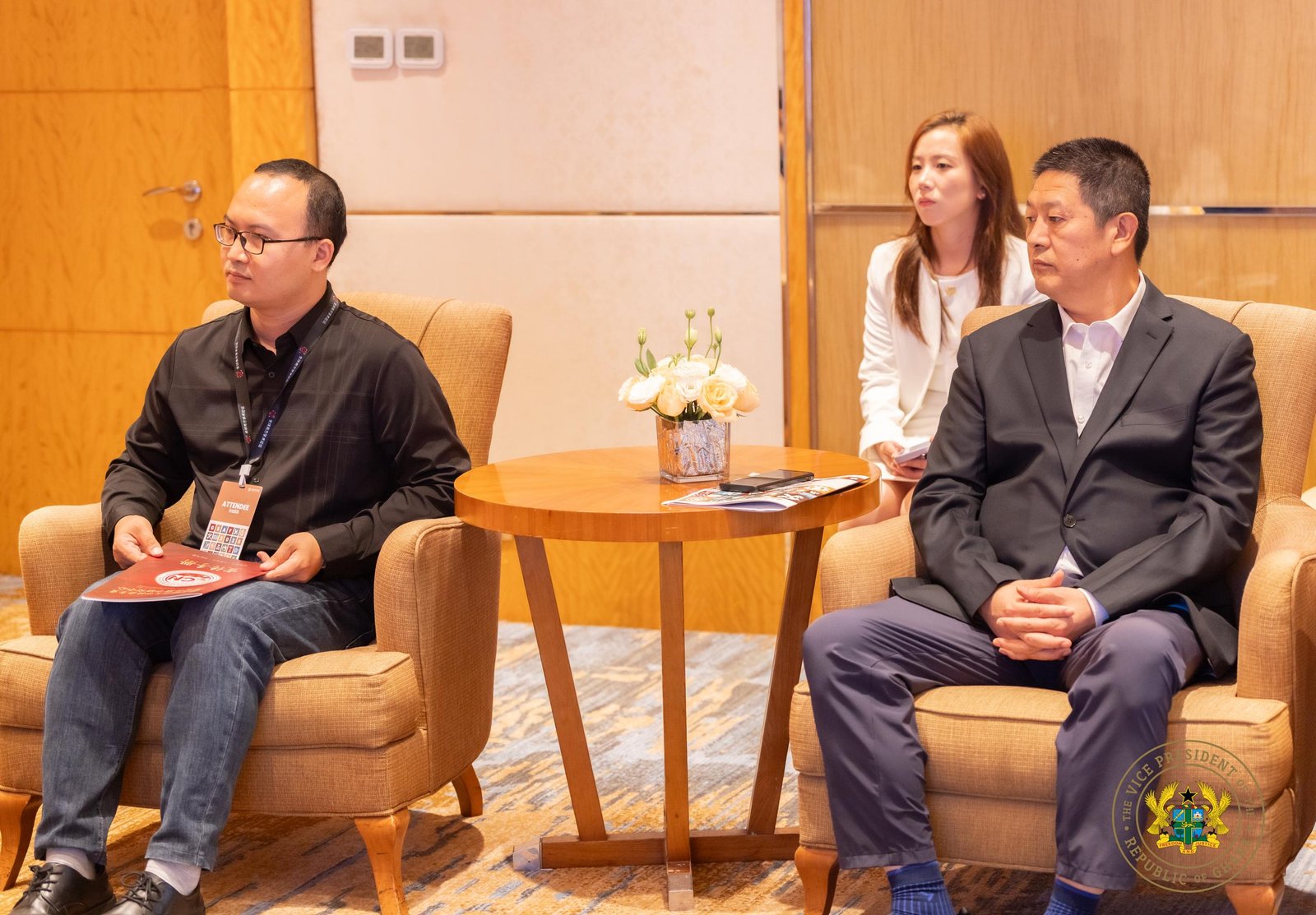
The meeting, led by the Forum Chair, Professor Lu Xinyu, explored practical areas of cooperation and knowledge exchange between Ghana and China, with focus on community-driven development, fisheries and aquaculture, local governance, sports initiatives, and infrastructure development.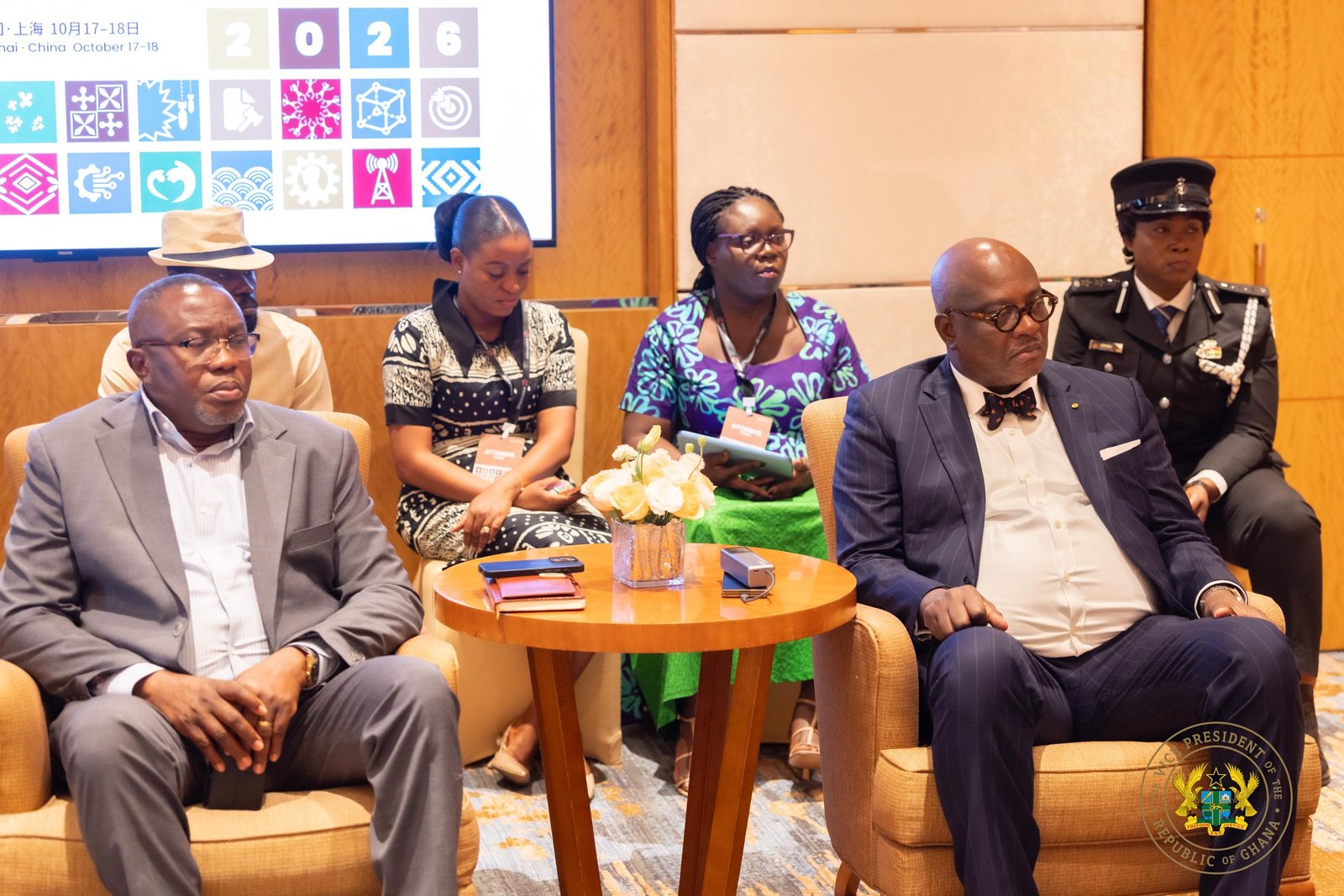
According to officials, the engagement is part of a broader effort by the Ghanaian government to study tested development models that can be adapted to the local context to promote inclusive growth, empower local communities, and improve livelihoods across the country.
China’s success in lifting over 800 million people out of poverty through targeted rural policies, investment in agriculture and local infrastructure has become a global reference point for developing nations.
The Vice President’s team says insights from the Forum will help inform policy direction, particularly in strengthening decentralised governance, boosting the fisheries and aquaculture sector, and investing in community-level infrastructure and youth sports development.
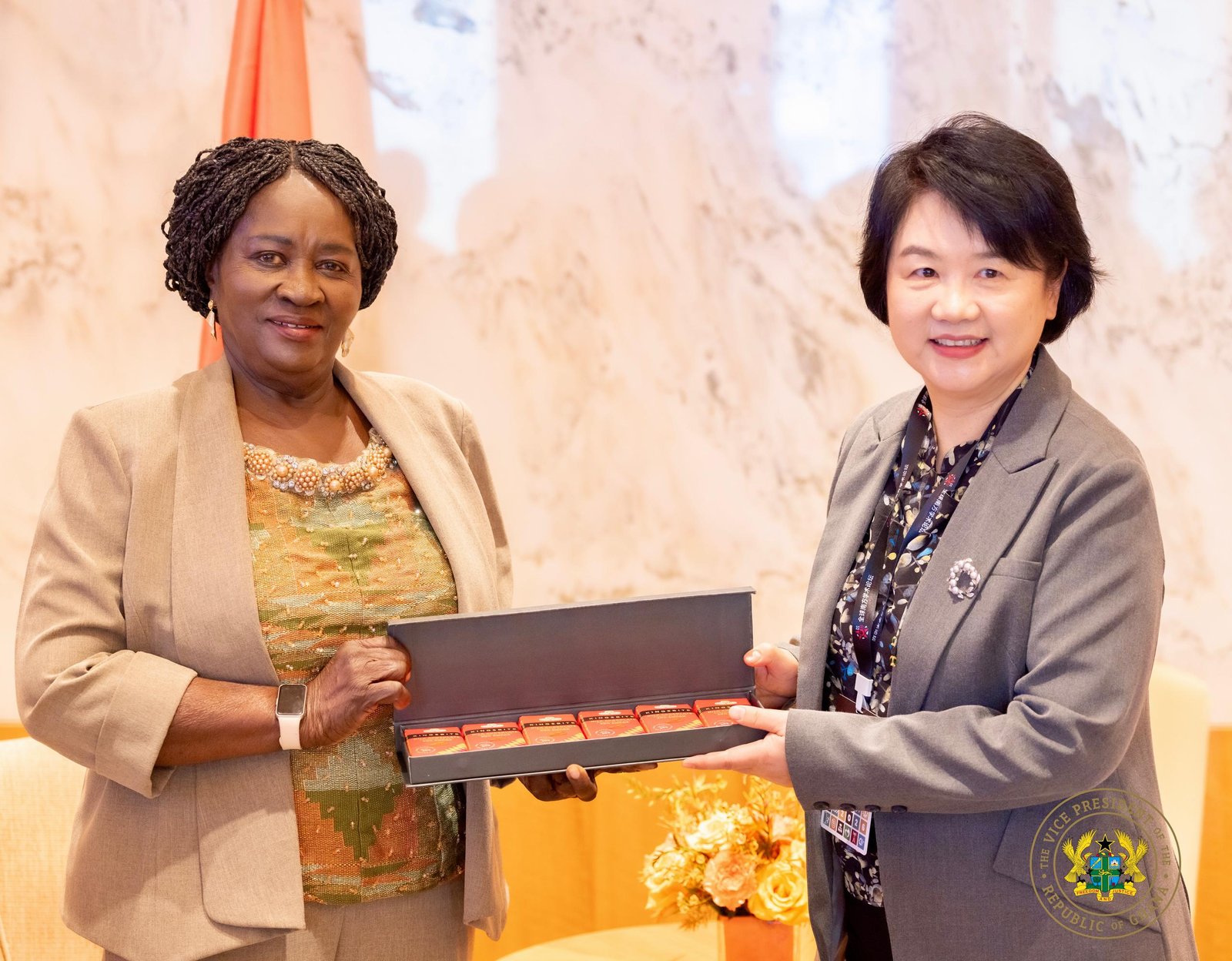
Professor Opoku-Agyemang is expected to continue engagements with academic and development institutions while in China.
By Edem Mensah-Tsotorme